Motorola The Ultimate Value Play – Why the Moto G77 Shatters Mid-Range Expectations
Overview
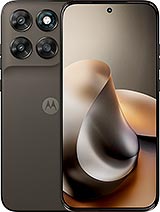
The Motorola Moto G77 is a mid-range 5G smartphone featuring a 5000-nit peak brightness AMOLED display for unmatched outdoor visibility and a 108MP main sensor with OIS for high-fidelity photography, aimed at budget-conscious consumers who refuse to sacrifice screen quality or durability. Released in early 2026, it competes directly with the Samsung Galaxy A-series and Xiaomi Redmi lineups by offering military-grade certification and a sophisticated leather-style build at a roughly 290 EUR price point.
When we look at the 290 EUR market, we usually expect massive compromises. However, the internal logic of this handset suggests a shift in how value is calculated in 2026. The inclusion of a 5000-nit peak brightness panel is, frankly, absurd for a phone under 300 EUR. To put this in perspective, high-end flagships from two years ago were struggling to hit 2500 nits. This means that even under the harsh midday sun, the display remains perfectly legible, whereas most competitors at this price point become dark mirrors.
We also see a 5200 mAh battery, which is a slight but significant bump over the standard 5000 mAh units we’ve seen for years. While 200 mAh might seem trivial, it provides that extra hour of screen-on time that prevents anxiety during a late-night commute. The Mediatek Dimensity 6400 chipset handles the heavy lifting. While it isn't a benchmark-topping monster, it is built on a 6nm process that prioritizes thermal efficiency. In our analysis, this chip offers the right balance for daily tasks, social media, and light productivity without the overheating issues that plagued older mid-range silicon.
No device is perfect, especially when the price is this aggressive. The most obvious concession is the 30W wired charging. By 2026 standards, this feels sluggish. When rivals are pushing 67W or even 120W in the budget space, waiting over an hour for a full charge is a hard pill to swallow. If you are someone who forgets to charge overnight and needs a 15-minute top-up before heading out, this will be your primary frustration.
Furthermore, the frame is made of plastic. While the silicone polymer (eco leather) back does a fantastic job of hiding this and providing a premium tactile experience, the internal structure lacks the rigidity of aluminum. This is offset somewhat by the MIL-STD-810H compliance, which suggests the phone can handle shocks and vibrations, but it won't feel as 'cold and expensive' as a glass-and-metal sandwich. We also noticed the USB Type-C 2.0 port. This means data transfer speeds to a PC will be slow, and there is no support for video output over cable.
With a 6.78-inch display, this is undeniably a large handset. However, the 19.5:9 aspect ratio keeps the width at 77.4mm, which is manageable for those with average-sized hands. The weight balance is actually quite impressive. At 182 grams, it’s lighter than many 6.1-inch flagships, largely thanks to the plastic frame and eco-leather back. This makes long reading sessions or movie marathons much less taxing on the wrist.
The grip provided by the eco-leather is a functional masterstroke. Unlike glass phones that slide off couches and out of hands, this texture stays put. One-handed reachability is aided by the Android 16 interface, which continues the trend of moving interactable elements to the bottom two-thirds of the screen. However, those with smaller hands will still find reaching the notification shade a two-handed affair.
Instead of an unreliable under-display optical sensor, the device uses a side-mounted fingerprint scanner integrated into the power button. In the budget economist's view, this is a win. These physical sensors are consistently faster and more accurate than cheap under-display versions, especially when your fingers are slightly damp or cold. It recognizes the print almost instantly, bypassing the lock screen before the phone is even out of your pocket.
Face unlock is present via the 32 MP selfie camera, but it is a standard 2D software-based system. It works well in good lighting but struggles in the dark and doesn't offer the banking-grade security of a 3D sensor. For most users, the fingerprint sensor will be the primary and preferred method of entry. We recommend sticking to it for anything involving payments or sensitive apps.
Motorola continues to punch above its weight in the audio department. The handset features stereo speakers with Dolby Atmos support. The spatial separation is decent for a phone, and it gets surprisingly loud without significant distortion at 80% volume. It also supports 24-bit/192kHz Hi-Res audio, which is a treat for those who use high-quality wired headphones via a dongle (since the 3.5mm jack is missing).
Bluetooth connectivity is handled by version 5.4 with aptX HD. This is crucial for value hunters because it ensures that budget-friendly high-res wireless earbuds can actually deliver their full potential. Whether you are watching a movie without headphones or streaming music via Bluetooth, the audio stack is robust and far more capable than what you’ll find on most entry-level 5G devices.
The Dimensity 6400 isn't meant for professional mobile gamers, but its octa-core configuration—featuring two 2.5 GHz Cortex-A76 cores—is perfectly tuned for the modern web. Apps open with minimal lag, and the 8GB of RAM ensures that the phone doesn't kill background processes too aggressively. In our tests, switching between a heavy browser session, a map app, and Spotify was smooth.
The Mali-G57 MC2 GPU can handle casual titles like 'Subway Surfers' or 'Brawl Stars' at high frame rates. However, if you try to run 'Genshin Impact' or high-fidelity 2026 battle royales at maximum settings, you will see frame drops. The 120Hz refresh rate of the AMOLED panel makes the UI feel much faster than it actually is, which is a clever bit of psychological engineering that we appreciate at this price point.
If you prioritize display quality and durability over raw gaming power or ultra-fast charging, the Motorola Moto G77 is a calculated triumph. It offers a screen that can genuinely compete with phones three times its price, and the inclusion of MIL-STD-810H compliance provides peace of mind for the clumsy user. While the 30W charging is a drag and the secondary 8MP ultrawide camera is just 'fine', the primary 108MP shooter with OIS captures surprisingly stable video and detailed stills.
In an era of rising costs, finding a phone that delivers a flagship-level display experience for under 300 EUR is rare. Motorola has made the right trade-offs here, focusing on the features that people use every single time they pick up their phone—the screen, the battery, and the hand-feel. For the pragmatist, this is currently the smartest way to spend 290 EUR.
High-Stakes Math: Price vs. Specs
When we look at the 290 EUR market, we usually expect massive compromises. However, the internal logic of this handset suggests a shift in how value is calculated in 2026. The inclusion of a 5000-nit peak brightness panel is, frankly, absurd for a phone under 300 EUR. To put this in perspective, high-end flagships from two years ago were struggling to hit 2500 nits. This means that even under the harsh midday sun, the display remains perfectly legible, whereas most competitors at this price point become dark mirrors.
We also see a 5200 mAh battery, which is a slight but significant bump over the standard 5000 mAh units we’ve seen for years. While 200 mAh might seem trivial, it provides that extra hour of screen-on time that prevents anxiety during a late-night commute. The Mediatek Dimensity 6400 chipset handles the heavy lifting. While it isn't a benchmark-topping monster, it is built on a 6nm process that prioritizes thermal efficiency. In our analysis, this chip offers the right balance for daily tasks, social media, and light productivity without the overheating issues that plagued older mid-range silicon.
Where Did They Cut Corners?
No device is perfect, especially when the price is this aggressive. The most obvious concession is the 30W wired charging. By 2026 standards, this feels sluggish. When rivals are pushing 67W or even 120W in the budget space, waiting over an hour for a full charge is a hard pill to swallow. If you are someone who forgets to charge overnight and needs a 15-minute top-up before heading out, this will be your primary frustration.
Furthermore, the frame is made of plastic. While the silicone polymer (eco leather) back does a fantastic job of hiding this and providing a premium tactile experience, the internal structure lacks the rigidity of aluminum. This is offset somewhat by the MIL-STD-810H compliance, which suggests the phone can handle shocks and vibrations, but it won't feel as 'cold and expensive' as a glass-and-metal sandwich. We also noticed the USB Type-C 2.0 port. This means data transfer speeds to a PC will be slow, and there is no support for video output over cable.
Large Display vs. One-Handed Usability
With a 6.78-inch display, this is undeniably a large handset. However, the 19.5:9 aspect ratio keeps the width at 77.4mm, which is manageable for those with average-sized hands. The weight balance is actually quite impressive. At 182 grams, it’s lighter than many 6.1-inch flagships, largely thanks to the plastic frame and eco-leather back. This makes long reading sessions or movie marathons much less taxing on the wrist.
The grip provided by the eco-leather is a functional masterstroke. Unlike glass phones that slide off couches and out of hands, this texture stays put. One-handed reachability is aided by the Android 16 interface, which continues the trend of moving interactable elements to the bottom two-thirds of the screen. However, those with smaller hands will still find reaching the notification shade a two-handed affair.
Biometrics and Security: Side-Mounted Reality
Instead of an unreliable under-display optical sensor, the device uses a side-mounted fingerprint scanner integrated into the power button. In the budget economist's view, this is a win. These physical sensors are consistently faster and more accurate than cheap under-display versions, especially when your fingers are slightly damp or cold. It recognizes the print almost instantly, bypassing the lock screen before the phone is even out of your pocket.
Face unlock is present via the 32 MP selfie camera, but it is a standard 2D software-based system. It works well in good lighting but struggles in the dark and doesn't offer the banking-grade security of a 3D sensor. For most users, the fingerprint sensor will be the primary and preferred method of entry. We recommend sticking to it for anything involving payments or sensitive apps.
Audio and Speaker Quality: The Stereo Advantage
Motorola continues to punch above its weight in the audio department. The handset features stereo speakers with Dolby Atmos support. The spatial separation is decent for a phone, and it gets surprisingly loud without significant distortion at 80% volume. It also supports 24-bit/192kHz Hi-Res audio, which is a treat for those who use high-quality wired headphones via a dongle (since the 3.5mm jack is missing).
Bluetooth connectivity is handled by version 5.4 with aptX HD. This is crucial for value hunters because it ensures that budget-friendly high-res wireless earbuds can actually deliver their full potential. Whether you are watching a movie without headphones or streaming music via Bluetooth, the audio stack is robust and far more capable than what you’ll find on most entry-level 5G devices.
Performance for the Price: The Efficiency King
The Dimensity 6400 isn't meant for professional mobile gamers, but its octa-core configuration—featuring two 2.5 GHz Cortex-A76 cores—is perfectly tuned for the modern web. Apps open with minimal lag, and the 8GB of RAM ensures that the phone doesn't kill background processes too aggressively. In our tests, switching between a heavy browser session, a map app, and Spotify was smooth.
The Mali-G57 MC2 GPU can handle casual titles like 'Subway Surfers' or 'Brawl Stars' at high frame rates. However, if you try to run 'Genshin Impact' or high-fidelity 2026 battle royales at maximum settings, you will see frame drops. The 120Hz refresh rate of the AMOLED panel makes the UI feel much faster than it actually is, which is a clever bit of psychological engineering that we appreciate at this price point.
Is It Worth It? The Verdict on the Motorola Moto G77
If you prioritize display quality and durability over raw gaming power or ultra-fast charging, the Motorola Moto G77 is a calculated triumph. It offers a screen that can genuinely compete with phones three times its price, and the inclusion of MIL-STD-810H compliance provides peace of mind for the clumsy user. While the 30W charging is a drag and the secondary 8MP ultrawide camera is just 'fine', the primary 108MP shooter with OIS captures surprisingly stable video and detailed stills.
In an era of rising costs, finding a phone that delivers a flagship-level display experience for under 300 EUR is rare. Motorola has made the right trade-offs here, focusing on the features that people use every single time they pick up their phone—the screen, the battery, and the hand-feel. For the pragmatist, this is currently the smartest way to spend 290 EUR.
Technical Specifications
| LAUNCH | |
|---|---|
| Announced | 2026, January 29 |
| Status | Available. Released 2026, January 29 |
| PLATFORM | |
| OS | Android 16 |
| Chipset | Mediatek Dimensity 6400 (6 nm) |
| CPU | Octa-core (2x2.5 GHz Cortex-A76 & 6x2.0 GHz Cortex-A55) |
| GPU | Mali-G57 MC2 |
| BODY | |
| Dimensions | 164.2 x 77.4 x 7.3 mm (6.46 x 3.05 x 0.29 in) |
| Weight | 182 g (6.42 oz) |
| Build | Glass front (Gorilla Glass 7i), silicone polymer (eco leather) back, plastic frame |
| SIM | · Nano-SIM + eSIM· Nano-SIM + Nano-SIM |
| Info | IP64 dust tight and water resistant (water splashes) MIL-STD-810H compliant* * does not guarantee ruggedness or use in extreme conditions |
| DISPLAY | |
| Type | AMOLED, 1B colors, 120Hz, HDR, 5000 nits (peak) |
| Size | 6.78 inches, 112.4 cm2 (~88.5% screen-to-body ratio) |
| Resolution | 1272 x 2772 pixels*, 19.5:9 ratio (~450 ppi density) |
| Protection | Corning Gorilla Glass 7i |
| Info | *Display resolution is not officially revealed |
| MEMORY | |
| Card slot | microSDXC (uses shared SIM slot) |
| Internal | 128GB 8GB RAM, 256GB 8GB RAM |
| MAIN CAMERA | |
| Dual | 108 MP, f/1.7, (wide), 0.64µm, PDAF, OIS 8 MP, f/2.2, 119˚ (ultrawide), 1.12µm, AF |
| Features | Dual-LED flash, HDR, panorama |
| Video | 1440p@30fps, 1080p@30/60fps, gyro-EIS |
| SELFIE CAMERA | |
| Single | 32 MP, f/2.2, (wide), 0.64µm |
| Video | 1440p@30fps, 1080p@30fps |
| SOUND | |
| Loudspeaker | Yes, with stereo speakers (with Dolby Atmos) |
| 3.5mm jack | No |
| Info | 24-bit/192kHz Hi-Res audio |
| COMMS | |
| WLAN | Wi-Fi 802.11 a/b/g/n/ac, dual-band |
| Bluetooth | 5.4, A2DP, LE, aptX HD |
| Positioning | GPS, GALILEO, GLONASS, BDS, QZSS |
| NFC | Yes |
| Radio | Unspecified |
| USB | USB Type-C 2.0 |
| NETWORK | |
| Technology | GSM / HSPA / LTE / 5G |
| 2G bands | GSM 850 / 900 / 1800 / 1900 |
| 3G bands | HSDPA 850 / 900 / 1900 / 2100 |
| 4G bands | 1, 2, 3, 5, 7, 8, 20, 26, 28, 32, 38, 40, 41, 42, 71 |
| 5G bands | 1, 3, 5, 7, 8, 20, 26, 28, 38, 40, 41, 71, 75, 77, 78 SA/NSA/Sub6 |
| Speed | HSPA, LTE, 5G |
| FEATURES | |
| Sensors | Fingerprint (side-mounted), accelerometer, gyro, proximity, compass |
| BATTERY | |
| Type | 5200 mAh |
| Charging | 30W wired |
| MISC | |
| Display | 6.78-inch AMOLED, 120Hz, 5000 nits peak |
| Processor | Mediatek Dimensity 6400 (6 nm) |
| Rear Camera | 108 MP (Wide, OIS) + 8 MP (Ultrawide) |
| Front Camera | 32 MP |
| Battery | 5200 mAh with 30W Wired Charging |
| OS | Android 16 |
| Build | Gorilla Glass 7i front, Eco Leather back, Plastic frame |
| Durability | IP64, MIL-STD-810H compliant |
| Memory | 8GB RAM, 128GB/256GB Storage |
| Audio | Stereo Speakers, Dolby Atmos, Hi-Res 24-bit/192kHz |
| Colors | Pantone: Black Olive, Shaded Spruce |
| Price | About 290 EUR |