New Battery Life Over Old Glory - Why the Infinix Hot 30 Play NFC Beats an Aging Flagship
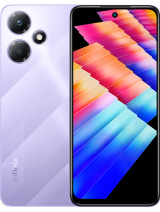
Overview
The Infinix Hot 30 Play NFC is a budget smartphone featuring a 6000 mAh battery for multi-day endurance and an 90Hz refresh rate display for fluid scrolling, aimed at high-volume users who prioritize uptime over raw processing power. Released in May 2023, it enters a crowded market where shoppers often weigh the value of a brand-new entry-level handset against a three-year-old refurbished flagship from premium brands. While older flagships offer better cameras and materials, this model offers the security of a fresh battery warranty and modern software out of the box.
We often see buyers tempted by used high-end devices like an iPhone 11 or a Galaxy S20. However, these aging machines often come with batteries that have lost 20% of their original capacity. This handset solves that anxiety with a massive 6000 mAh cell that simply refuses to die. When a used flagship is hunting for a charger by 4:00 PM, the Infinix Hot 30 Play NFC still shows plenty of juice to survive a late-night commute. Choosing a new budget device means receiving a pristine lithium-ion unit that hasn't undergone hundreds of heat-intensive charge cycles.
There is also the matter of software longevity. Most three-year-old flagships are reaching the end of their security patch life cycles. This phone launches with Android 13 and XOS 12.6, ensuring that banking apps and modern security protocols remain supported for much longer than a deprecated high-end device. For the value hunter, the peace of mind that comes with a factory-sealed box and a modern operating system often outweighs the appeal of a used premium badge.
We should also discuss storage technology. While this model utilizes eMMC 5.1 storage, which is slower than the UFS standards found in older flagships, the 128GB capacity is generous for the price. eMMC 5.1 acts as the integrated storage backbone for entry-level phones, providing a stable if not blazing fast experience for app loading and photo storage. It handles standard social media apps without significant hiccups, even if it lacks the lightning-fast file transfer speeds of more expensive hardware.
With a height of over 170mm, this is a massive device. We noticed it takes up significant pocket real estate, making it better suited for users who carry bags or have large hands. The build uses a plastic frame and back, which lacks the cold, premium touch of glass or aluminum found in used flagships. However, plastic is inherently more durable against drops. While a glass-backed older flagship might shatter upon the first meeting with a sidewalk, the plastic shell here is more likely to bounce or scuff without structural failure.
At 205 grams, the device carries a noticeable heft. This weight is largely due to the massive battery inside. Users should expect a phone that feels substantial rather than light and airy. The Bora Purple and Blade White finishes offer a modern visual flair that helps the device hide its budget origins, though the plastic back remains a magnet for fingerprints. We suggest using a case to maintain the clean look, even if the plastic is tougher than glass.
One advantage of the newer budget design is the inclusion of a side-mounted fingerprint scanner. While older flagships might use early-generation in-display sensors that were often slow and finicky, the capacitive sensor here is snappy and reliable. It sits naturally where the thumb rests, allowing for instant unlocking as soon as the phone is pulled from a pocket. It is a pragmatic choice that favors speed over the showmanship of under-screen technology.
The loudspeaker on this model is functional but lacks the stereo separation found in premium devices. Audio comes from a single downward-firing speaker, which means the soundstage feels narrow. In our analysis, we found that at maximum volume, the treble can become somewhat harsh, and the bass response is nearly non-existent. This is typical for the budget segment in May 2023, where audio hardware is often the first place manufacturers cut costs to hit a price point.
For media consumption, the lack of stereo speakers is a drawback. If you are watching movies without headphones, the audio feels unbalanced as it only emits from one side of the phone. However, the inclusion of a 3.5mm headphone jack is a massive win. Most modern flagships, and even many used ones, have abandoned this port. This allows users to plug in high-quality wired IEMs or cheap earbuds without needing a dongle, providing a far better audio experience than the built-in speaker ever could.
The microphone quality is standard for the tier. During voice calls, the primary microphone captures clear speech in quiet environments, but noise cancellation is limited. If you are recording video or taking a call on a busy street, the background wind and traffic noise will definitely be audible to the person on the other end. It is a reliable tool for basic communication, but we would not recommend it for professional audio recording or high-end content creation.
One area where the budget nature of the device is most apparent is the vibration motor. It uses a standard rotor motor rather than the precise X-axis linear motors found in premium handsets. This results in a "buzzy" sensation rather than the crisp, sharp taps of a flagship. When typing on the keyboard, the feedback feels slightly delayed and lacks the tactile nuance that helps with typing speed. It is a functional system, but it lacks the sophistication of a high-end haptic engine.
The UI interactions within XOS 12.6 are generally smooth for basic tasks, but the vibration feedback across the system is inconsistent. We noticed that some gestures trigger a strong vibrate while others are silent. This lack of polish in the haptic software layer is something we see often in budget devices. If you are coming from a premium phone, the vibration will feel less like an intentional feedback mechanism and more like a simple motor spinning up.
However, the 90Hz refresh rate of the display goes a long way in making the UI feel more responsive. While the vibration motor might feel cheap, the visual fluidity of scrolling through menus helps mask the lower-tier processing power. This combination of a high-refresh screen and standard haptics creates a mixed experience: it looks fast but feels budget. It is a compromise that many value-conscious buyers are willing to make to save money.
The Mediatek Helio G30 series is not built for high-performance gaming. With its Cortex-A53 cores, this chip is designed for power efficiency and basic tasks. Imagine you are trying to navigate through Google Maps while streaming music and chatting on WhatsApp; the device handles this well enough. But if you try to launch Genshin Impact at high settings, you will encounter significant frame drops. It is a workstation for the everyman, not a console for the gamer.
The PowerVR GE8320 GPU is strictly entry-level. It manages the 720p resolution of the screen adequately for daily scrolling and light games like Candy Crush or Subway Surfers. For those who don't know, a lower resolution screen (720p vs 1080p) actually helps performance because the GPU has fewer pixels to push. This results in a smoother experience within the interface than if Infinix had tried to force a 1080p panel on this specific chipset.
Compared to a three-year-old flagship, the Helio G37 will feel slower in app opening times. A Snapdragon 865 from 2020 still has more raw power than a G37 in 2023. However, the G37 runs significantly cooler. Older flagships often throttle under load, becoming uncomfortably hot to the touch. This device remains cool during long sessions of social media browsing, which is a testament to the thermal efficiency of the Cortex-A53 architecture even on the older 12nm process.
The 6.82-inch display is one of the largest in its class. For users who watch a lot of YouTube or spend hours on TikTok, the sheer size is a benefit. However, because it is a 720 x 1640 resolution, the pixel density is only 263 ppi. This means that if you look closely, you can see individual pixels, especially in text. It lacks the razor-sharp clarity of a 1080p OLED panel, but at the 500 nits peak brightness, it remains legible even under bright daylight.
The use of an IPS LCD panel means that colors are natural but lack the deep blacks and vibrant contrast of an OLED. For those who don't know, an IPS screen uses a backlight that stays on even for dark areas, whereas an OLED turns individual pixels off. While this makes the screen less impressive for watching dark movies in a bedroom, it is a more durable technology that doesn't suffer from the "burn-in" issues that plague many used flagship OLED screens.
Finally, we must mention the 90Hz refresh rate. This is the standout feature for the display. Most entry-level phones are still stuck at 60Hz. The 90Hz panel ensures that as you swipe through your Twitter feed or scroll through long web pages, the movement is noticeably smoother. It makes the entire phone feel faster than it actually is, providing a "flagship-lite" visual experience that is rare at this price point.
The Infinix Hot 30 Play NFC is a tool built for endurance and utility. It doesn't pretend to be a luxury item. It offers the massive 6000 mAh battery as its primary weapon, supported by a large, smooth 90Hz screen and the essential inclusion of NFC for digital payments. For a student or a gig-economy worker who needs a phone that stays alive for a full 14-hour shift without needing a power bank, this is a much smarter purchase than a fragile, battery-degraded used flagship.
We recognize that the 18W charging speed is a bottleneck; charging a 6000 mAh battery from zero to full will take over two hours. This isn't a phone you plug in for ten minutes to get a quick boost before heading out. It is a device you charge overnight to ensure you have two days of power. If you can accept the slow charging and the modest camera system, the value proposition here is undeniable. It provides the basics of modern mobile life with a layer of reliability that used hardware simply cannot match in May 2023.
In the grand scheme of the market, this handset proves that you don't need a thousand dollars to get a device that covers the essentials. By focusing on battery, screen size, and connectivity, it hits the sweet spot for the savvy economist. The Infinix Hot 30 Play NFC represents a pragmatic victory of longevity over prestige.
The New vs Used Dilemma: Choosing a Fresh Start
We often see buyers tempted by used high-end devices like an iPhone 11 or a Galaxy S20. However, these aging machines often come with batteries that have lost 20% of their original capacity. This handset solves that anxiety with a massive 6000 mAh cell that simply refuses to die. When a used flagship is hunting for a charger by 4:00 PM, the Infinix Hot 30 Play NFC still shows plenty of juice to survive a late-night commute. Choosing a new budget device means receiving a pristine lithium-ion unit that hasn't undergone hundreds of heat-intensive charge cycles.
There is also the matter of software longevity. Most three-year-old flagships are reaching the end of their security patch life cycles. This phone launches with Android 13 and XOS 12.6, ensuring that banking apps and modern security protocols remain supported for much longer than a deprecated high-end device. For the value hunter, the peace of mind that comes with a factory-sealed box and a modern operating system often outweighs the appeal of a used premium badge.
We should also discuss storage technology. While this model utilizes eMMC 5.1 storage, which is slower than the UFS standards found in older flagships, the 128GB capacity is generous for the price. eMMC 5.1 acts as the integrated storage backbone for entry-level phones, providing a stable if not blazing fast experience for app loading and photo storage. It handles standard social media apps without significant hiccups, even if it lacks the lightning-fast file transfer speeds of more expensive hardware.
Physical Presence: A Large Plastic Canvas
With a height of over 170mm, this is a massive device. We noticed it takes up significant pocket real estate, making it better suited for users who carry bags or have large hands. The build uses a plastic frame and back, which lacks the cold, premium touch of glass or aluminum found in used flagships. However, plastic is inherently more durable against drops. While a glass-backed older flagship might shatter upon the first meeting with a sidewalk, the plastic shell here is more likely to bounce or scuff without structural failure.
At 205 grams, the device carries a noticeable heft. This weight is largely due to the massive battery inside. Users should expect a phone that feels substantial rather than light and airy. The Bora Purple and Blade White finishes offer a modern visual flair that helps the device hide its budget origins, though the plastic back remains a magnet for fingerprints. We suggest using a case to maintain the clean look, even if the plastic is tougher than glass.
One advantage of the newer budget design is the inclusion of a side-mounted fingerprint scanner. While older flagships might use early-generation in-display sensors that were often slow and finicky, the capacitive sensor here is snappy and reliable. It sits naturally where the thumb rests, allowing for instant unlocking as soon as the phone is pulled from a pocket. It is a pragmatic choice that favors speed over the showmanship of under-screen technology.
Acoustic Profile and Sound Separation
The loudspeaker on this model is functional but lacks the stereo separation found in premium devices. Audio comes from a single downward-firing speaker, which means the soundstage feels narrow. In our analysis, we found that at maximum volume, the treble can become somewhat harsh, and the bass response is nearly non-existent. This is typical for the budget segment in May 2023, where audio hardware is often the first place manufacturers cut costs to hit a price point.
For media consumption, the lack of stereo speakers is a drawback. If you are watching movies without headphones, the audio feels unbalanced as it only emits from one side of the phone. However, the inclusion of a 3.5mm headphone jack is a massive win. Most modern flagships, and even many used ones, have abandoned this port. This allows users to plug in high-quality wired IEMs or cheap earbuds without needing a dongle, providing a far better audio experience than the built-in speaker ever could.
The microphone quality is standard for the tier. During voice calls, the primary microphone captures clear speech in quiet environments, but noise cancellation is limited. If you are recording video or taking a call on a busy street, the background wind and traffic noise will definitely be audible to the person on the other end. It is a reliable tool for basic communication, but we would not recommend it for professional audio recording or high-end content creation.
Haptic Feedback and UI Interaction
One area where the budget nature of the device is most apparent is the vibration motor. It uses a standard rotor motor rather than the precise X-axis linear motors found in premium handsets. This results in a "buzzy" sensation rather than the crisp, sharp taps of a flagship. When typing on the keyboard, the feedback feels slightly delayed and lacks the tactile nuance that helps with typing speed. It is a functional system, but it lacks the sophistication of a high-end haptic engine.
The UI interactions within XOS 12.6 are generally smooth for basic tasks, but the vibration feedback across the system is inconsistent. We noticed that some gestures trigger a strong vibrate while others are silent. This lack of polish in the haptic software layer is something we see often in budget devices. If you are coming from a premium phone, the vibration will feel less like an intentional feedback mechanism and more like a simple motor spinning up.
However, the 90Hz refresh rate of the display goes a long way in making the UI feel more responsive. While the vibration motor might feel cheap, the visual fluidity of scrolling through menus helps mask the lower-tier processing power. This combination of a high-refresh screen and standard haptics creates a mixed experience: it looks fast but feels budget. It is a compromise that many value-conscious buyers are willing to make to save money.
Performance Reality: The Helio G37 Ceiling
The Mediatek Helio G30 series is not built for high-performance gaming. With its Cortex-A53 cores, this chip is designed for power efficiency and basic tasks. Imagine you are trying to navigate through Google Maps while streaming music and chatting on WhatsApp; the device handles this well enough. But if you try to launch Genshin Impact at high settings, you will encounter significant frame drops. It is a workstation for the everyman, not a console for the gamer.
The PowerVR GE8320 GPU is strictly entry-level. It manages the 720p resolution of the screen adequately for daily scrolling and light games like Candy Crush or Subway Surfers. For those who don't know, a lower resolution screen (720p vs 1080p) actually helps performance because the GPU has fewer pixels to push. This results in a smoother experience within the interface than if Infinix had tried to force a 1080p panel on this specific chipset.
Compared to a three-year-old flagship, the Helio G37 will feel slower in app opening times. A Snapdragon 865 from 2020 still has more raw power than a G37 in 2023. However, the G37 runs significantly cooler. Older flagships often throttle under load, becoming uncomfortably hot to the touch. This device remains cool during long sessions of social media browsing, which is a testament to the thermal efficiency of the Cortex-A53 architecture even on the older 12nm process.
Screen and Visualization
The 6.82-inch display is one of the largest in its class. For users who watch a lot of YouTube or spend hours on TikTok, the sheer size is a benefit. However, because it is a 720 x 1640 resolution, the pixel density is only 263 ppi. This means that if you look closely, you can see individual pixels, especially in text. It lacks the razor-sharp clarity of a 1080p OLED panel, but at the 500 nits peak brightness, it remains legible even under bright daylight.
The use of an IPS LCD panel means that colors are natural but lack the deep blacks and vibrant contrast of an OLED. For those who don't know, an IPS screen uses a backlight that stays on even for dark areas, whereas an OLED turns individual pixels off. While this makes the screen less impressive for watching dark movies in a bedroom, it is a more durable technology that doesn't suffer from the "burn-in" issues that plague many used flagship OLED screens.
Finally, we must mention the 90Hz refresh rate. This is the standout feature for the display. Most entry-level phones are still stuck at 60Hz. The 90Hz panel ensures that as you swipe through your Twitter feed or scroll through long web pages, the movement is noticeably smoother. It makes the entire phone feel faster than it actually is, providing a "flagship-lite" visual experience that is rare at this price point.
The Final Take on Value
The Infinix Hot 30 Play NFC is a tool built for endurance and utility. It doesn't pretend to be a luxury item. It offers the massive 6000 mAh battery as its primary weapon, supported by a large, smooth 90Hz screen and the essential inclusion of NFC for digital payments. For a student or a gig-economy worker who needs a phone that stays alive for a full 14-hour shift without needing a power bank, this is a much smarter purchase than a fragile, battery-degraded used flagship.
We recognize that the 18W charging speed is a bottleneck; charging a 6000 mAh battery from zero to full will take over two hours. This isn't a phone you plug in for ten minutes to get a quick boost before heading out. It is a device you charge overnight to ensure you have two days of power. If you can accept the slow charging and the modest camera system, the value proposition here is undeniable. It provides the basics of modern mobile life with a layer of reliability that used hardware simply cannot match in May 2023.
In the grand scheme of the market, this handset proves that you don't need a thousand dollars to get a device that covers the essentials. By focusing on battery, screen size, and connectivity, it hits the sweet spot for the savvy economist. The Infinix Hot 30 Play NFC represents a pragmatic victory of longevity over prestige.
Technical Specifications
| LAUNCH | |
|---|---|
| Announced | 2023, May 22 |
| Status | Available. Released 2023, May 22 |
| PLATFORM | |
| OS | Android 13, XOS 12.6 |
| Chipset | Mediatek MT6765 Helio G37 (12 nm) |
| CPU | Octa-core (4x2.3 GHz Cortex-A53 & 4x1.7 GHz Cortex-A53) |
| GPU | PowerVR GE8320 |
| BODY | |
| Dimensions | 170.6 x 77.5 x 8.6 mm (6.72 x 3.05 x 0.34 in) |
| Weight | 205 g (7.23 oz) |
| Build | Glass front, plastic frame, plastic back |
| SIM | Nano-SIM + Nano-SIM |
| DISPLAY | |
| Type | IPS LCD, 90Hz, 500 nits (peak) |
| Size | 6.82 inches, 110.5 cm2 (~83.5% screen-to-body ratio) |
| Resolution | 720 x 1640 pixels (~263 ppi density) |
| MEMORY | |
| Card slot | microSDXC (dedicated slot) |
| Internal | 128GB 4GB RAM, 128GB 8GB RAM |
| Info | eMMC 5.1 |
| MAIN CAMERA | |
| Dual | 16 MP, f/1.8, (wide), PDAF Auxiliary lens |
| Features | Dual-LED flash, HDR, panorama |
| Video | 1080p@30fps |
| SELFIE CAMERA | |
| Single | 8 MP, f/2.0, (wide) |
| Features | Dual-LED flash, HDR |
| Video | 1080p@30fps |
| SOUND | |
| Loudspeaker | Yes |
| 3.5mm jack | Yes |
| COMMS | |
| WLAN | Wi-Fi 802.11 a/b/g/n/ac, dual-band, Wi-Fi Direct |
| Bluetooth | Yes |
| Positioning | GPS |
| NFC | Yes |
| Radio | FM radio |
| USB | USB Type-C 2.0, OTG |
| NETWORK | |
| Technology | GSM / HSPA / LTE |
| 2G bands | GSM 850 / 900 / 1800 / 1900 |
| 3G bands | HSDPA 850 / 900 / 1700(AWS) / 1900 / 2100 |
| 4G bands | 1, 2, 3, 4, 5, 7, 8, 20, 28, 38, 40, 41 |
| Speed | HSPA, LTE |
| FEATURES | |
| Sensors | Fingerprint (side-mounted), accelerometer, proximity, compass |
| BATTERY | |
| Type | 6000 mAh |
| Charging | 18W wired |
| MISC | |
| Colors | Mirage Black, Blade White, Bora Purple |
| Models | X6835B, X6835 |