New Longevity Over Old Luxury - Why the Samsung Galaxy A06 5G Is the Smarter Value Play
Overview
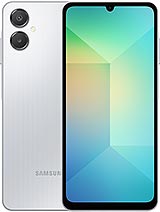
The Samsung Galaxy A06 5G is a budget-tier smartphone featuring the Mediatek Dimensity 6300 chipset for modern connectivity and a 6.7-inch 90Hz PLS LCD for smoother navigation, aimed at cost-conscious users who prioritize long-term software support. Released in early 2025, it serves as the foundational 5G entry in the lineup, competing against aging flagship trade-ins and low-cost rivals by offering a guaranteed path to Android 19.
Choosing between a factory-fresh budget device and a three-year-old flagship has never been more contentious. While a used flagship from 2022 might offer a more premium chassis or a higher-resolution screen, it arrives with a degraded battery and likely faces the end of its security update lifecycle. This handset changes that equation. By providing a 5000 mAh battery with zero charge cycles and a modern 6nm Mediatek Dimensity 6300 processor, it ensures operational reliability that a refurbished unit simply cannot guarantee.
We must consider the "silicon tax" of older devices. Older flagships often use power-hungry processors that struggle with the efficiency demands of modern 5G networks. The 6nm architecture in this model is designed for thermal stability and endurance rather than raw peak power. For a user who needs a tool that lasts from morning until the next afternoon without hunting for a charger, the trade-off in peak performance is a logical economic decision. This phone isn't trying to win benchmarks; it's trying to win the week.
Software longevity is the strongest argument for buying this device new. While an older premium phone might be stuck on Android 13 or 14, this device launches with Android 15 and One UI 7. Samsung’s commitment to 4 years of major Android upgrades means this hardware remains relevant and secure until 2029. In the budget sector, where most competitors offer a single update or none at all, this level of support is a rarity that preserves the long-term utility of the initial investment.
The build quality reflects a pragmatic approach to daily wear. It uses a glass front paired with a plastic back and frame, a combination that keeps the weight at a manageable 191 g. While it lacks the cold touch of aluminum, plastic is inherently more resilient to drops, often absorbing impact energy that would shatter glass-backed alternatives. The dimensions of 167.3 x 77.3 x 8 mm make it a substantial device, but the slim 8mm profile ensures it doesn't feel like a brick in the pocket.
Protection is handled by an IP54 rating. For those unfamiliar with the terminology, this indicates the device is protected against limited dust ingress and, more importantly, water splashes from any direction. It won't survive a swim in a pool, but it will handle a sudden rainstorm or a spill on a cafe table. This level of certification is often missing from older used devices where the internal adhesive seals have dried out or been compromised by previous repairs.
Compared to previous generations, the design language has been refined. The side-mounted fingerprint sensor remains the most intuitive choice for a budget LCD panel, providing faster and more reliable biometric authentication than the sluggish under-display optical sensors found on cheaper OLED rivals. The tactile feedback of the physical buttons implies a build quality that should withstand thousands of presses over its four-year expected lifespan.
Predicting resale value for budget hardware requires looking at brand equity and feature sets. Samsung devices generally hold their value better than generic budget brands because of the widespread availability of parts and service centers. Since this model includes 5G (SA/NSA/Sub6) support, it avoids the rapid depreciation currently hitting 4G-only handsets as carriers continue to sunset older infrastructure.
Because it supports up to 128GB of internal storage and includes a microSDXC slot, it remains a versatile secondary device or hand-me-down long after the primary user has upgraded. This expandability is a hidden value metric; you don't have to pay the "storage tax" upfront. You can buy the base model and add storage as needed, a flexibility that modern flagships have stripped away to force consumers into higher price tiers.
By 2027, the presence of a 3.5mm headphone jack and an FM radio might actually make this device more desirable in the secondary market for specific niches. Many users still prefer the zero-latency and battery-free nature of wired audio. As these features become extinct in higher tiers, their presence here acts as a value floor, preventing the price from bottoming out as quickly as a feature-depleted [budget phone](/trend/best-budget-phones-2026/) might.
In line with current environmental trends, the unboxing experience is sparse. The box contains the handset and a USB-C to USB-C cable, but the 25W Wired Charging block is sold separately. For the value hunter, this means checking if your current chargers support Power Delivery (PD) standards. Using an old 5W or 10W brick will result in frustratingly slow charge times for a 5000 mAh cell, so an additional purchase might be necessary to hit that 25W peak.
Case availability is a major win for the A-series. Third-party manufacturers prioritize Samsung's high-volume budget lines, ensuring you can find a protective case for under $10 at almost any retailer. The flat screen design also makes the application of tempered glass screen protectors significantly easier and more effective than on curved-edge displays, where lifting and bubbling are common issues.
Compatibility with the broader Samsung ecosystem remains a highlight. Even at this price, users get access to the One UI ecosystem, allowing for easy data transfer via Smart Switch and basic integration with Galaxy Buds or Watches. While you won't get the advanced DeX desktop mode, the software remains clean, professional, and familiar to anyone who has used a Samsung device in the last decade.
The Mediatek Dimensity 6300 is the engine room here. Built on a 6nm process, it features two Cortex-A76 performance cores and six Cortex-A55 efficiency cores. In real-world usage, this translates to snappy app launches and smooth multitasking for everyday tasks like browsing, social media, and video streaming. It is not a gaming powerhouse, but the Mali-G57 MC2 GPU handles casual titles without significant frame drops or excessive heat.
The screen uses PLS LCD technology, Samsung's proprietary take on IPS. It offers better viewing angles than standard TFT panels, and the 90Hz refresh rate is a critical inclusion. It masks the lower 720 x 1600 pixel resolution by making animations feel fluid. While we would have preferred a 1080p panel, the 720p resolution places less strain on the GPU and the battery, contributing to the exceptional endurance we see in this segment.
Connectivity is where the device shines for its price. The inclusion of 5G bands 1, 3, 5, 7, 8, 26, 28, 40, 41, 66, 77, and 78 ensures that users will get a signal on almost any major global network. The dual-band Wi-Fi and Bluetooth 5.3 provide stable connections for home internet and wireless peripherals. It is a communication tool first and foremost, and it executes that core mission with technical competence.
The Samsung Galaxy A06 5G is a calculated exercise in compromise that prioritizes the future over the present. By opting for a lower-resolution screen and a plastic build, it manages to squeeze in a 5G chipset and a software promise that usually costs twice as much. It is the definitive answer for the buyer who wants a reliable, new phone that will still be receiving updates when current toddlers are starting primary school. It proves that in 2025, you don't need a flagship to get a flagship-level commitment to software and connectivity.
The New vs Used Dilemma in Early 2025
Choosing between a factory-fresh budget device and a three-year-old flagship has never been more contentious. While a used flagship from 2022 might offer a more premium chassis or a higher-resolution screen, it arrives with a degraded battery and likely faces the end of its security update lifecycle. This handset changes that equation. By providing a 5000 mAh battery with zero charge cycles and a modern 6nm Mediatek Dimensity 6300 processor, it ensures operational reliability that a refurbished unit simply cannot guarantee.
We must consider the "silicon tax" of older devices. Older flagships often use power-hungry processors that struggle with the efficiency demands of modern 5G networks. The 6nm architecture in this model is designed for thermal stability and endurance rather than raw peak power. For a user who needs a tool that lasts from morning until the next afternoon without hunting for a charger, the trade-off in peak performance is a logical economic decision. This phone isn't trying to win benchmarks; it's trying to win the week.
Software longevity is the strongest argument for buying this device new. While an older premium phone might be stuck on Android 13 or 14, this device launches with Android 15 and One UI 7. Samsung’s commitment to 4 years of major Android upgrades means this hardware remains relevant and secure until 2029. In the budget sector, where most competitors offer a single update or none at all, this level of support is a rarity that preserves the long-term utility of the initial investment.
Construction and Modern Durability
The build quality reflects a pragmatic approach to daily wear. It uses a glass front paired with a plastic back and frame, a combination that keeps the weight at a manageable 191 g. While it lacks the cold touch of aluminum, plastic is inherently more resilient to drops, often absorbing impact energy that would shatter glass-backed alternatives. The dimensions of 167.3 x 77.3 x 8 mm make it a substantial device, but the slim 8mm profile ensures it doesn't feel like a brick in the pocket.
Protection is handled by an IP54 rating. For those unfamiliar with the terminology, this indicates the device is protected against limited dust ingress and, more importantly, water splashes from any direction. It won't survive a swim in a pool, but it will handle a sudden rainstorm or a spill on a cafe table. This level of certification is often missing from older used devices where the internal adhesive seals have dried out or been compromised by previous repairs.
Compared to previous generations, the design language has been refined. The side-mounted fingerprint sensor remains the most intuitive choice for a budget LCD panel, providing faster and more reliable biometric authentication than the sluggish under-display optical sensors found on cheaper OLED rivals. The tactile feedback of the physical buttons implies a build quality that should withstand thousands of presses over its four-year expected lifespan.
Resale Value and Market Sustainability
Predicting resale value for budget hardware requires looking at brand equity and feature sets. Samsung devices generally hold their value better than generic budget brands because of the widespread availability of parts and service centers. Since this model includes 5G (SA/NSA/Sub6) support, it avoids the rapid depreciation currently hitting 4G-only handsets as carriers continue to sunset older infrastructure.
Because it supports up to 128GB of internal storage and includes a microSDXC slot, it remains a versatile secondary device or hand-me-down long after the primary user has upgraded. This expandability is a hidden value metric; you don't have to pay the "storage tax" upfront. You can buy the base model and add storage as needed, a flexibility that modern flagships have stripped away to force consumers into higher price tiers.
By 2027, the presence of a 3.5mm headphone jack and an FM radio might actually make this device more desirable in the secondary market for specific niches. Many users still prefer the zero-latency and battery-free nature of wired audio. As these features become extinct in higher tiers, their presence here acts as a value floor, preventing the price from bottoming out as quickly as a feature-depleted [budget phone](/trend/best-budget-phones-2026/) might.
The Accessory Ecosystem and Box Contents
In line with current environmental trends, the unboxing experience is sparse. The box contains the handset and a USB-C to USB-C cable, but the 25W Wired Charging block is sold separately. For the value hunter, this means checking if your current chargers support Power Delivery (PD) standards. Using an old 5W or 10W brick will result in frustratingly slow charge times for a 5000 mAh cell, so an additional purchase might be necessary to hit that 25W peak.
Case availability is a major win for the A-series. Third-party manufacturers prioritize Samsung's high-volume budget lines, ensuring you can find a protective case for under $10 at almost any retailer. The flat screen design also makes the application of tempered glass screen protectors significantly easier and more effective than on curved-edge displays, where lifting and bubbling are common issues.
Compatibility with the broader Samsung ecosystem remains a highlight. Even at this price, users get access to the One UI ecosystem, allowing for easy data transfer via Smart Switch and basic integration with Galaxy Buds or Watches. While you won't get the advanced DeX desktop mode, the software remains clean, professional, and familiar to anyone who has used a Samsung device in the last decade.
Performance Reality in the Sub6 Era
The Mediatek Dimensity 6300 is the engine room here. Built on a 6nm process, it features two Cortex-A76 performance cores and six Cortex-A55 efficiency cores. In real-world usage, this translates to snappy app launches and smooth multitasking for everyday tasks like browsing, social media, and video streaming. It is not a gaming powerhouse, but the Mali-G57 MC2 GPU handles casual titles without significant frame drops or excessive heat.
The screen uses PLS LCD technology, Samsung's proprietary take on IPS. It offers better viewing angles than standard TFT panels, and the 90Hz refresh rate is a critical inclusion. It masks the lower 720 x 1600 pixel resolution by making animations feel fluid. While we would have preferred a 1080p panel, the 720p resolution places less strain on the GPU and the battery, contributing to the exceptional endurance we see in this segment.
Connectivity is where the device shines for its price. The inclusion of 5G bands 1, 3, 5, 7, 8, 26, 28, 40, 41, 66, 77, and 78 ensures that users will get a signal on almost any major global network. The dual-band Wi-Fi and Bluetooth 5.3 provide stable connections for home internet and wireless peripherals. It is a communication tool first and foremost, and it executes that core mission with technical competence.
The Final Take
The Samsung Galaxy A06 5G is a calculated exercise in compromise that prioritizes the future over the present. By opting for a lower-resolution screen and a plastic build, it manages to squeeze in a 5G chipset and a software promise that usually costs twice as much. It is the definitive answer for the buyer who wants a reliable, new phone that will still be receiving updates when current toddlers are starting primary school. It proves that in 2025, you don't need a flagship to get a flagship-level commitment to software and connectivity.
Technical Specifications
| LAUNCH | |
|---|---|
| Announced | 2025, February 19 |
| Status | Available. Released 2025, February 19 |
| PLATFORM | |
| OS | Android 15, up to 4 major Android upgrades, One UI 7 |
| Chipset | Mediatek Dimensity 6300 (6 nm) |
| CPU | Octa-core (2x2.4 GHz Cortex-A76 & 6x2.0 GHz Cortex-A55) |
| GPU | Mali-G57 MC2 |
| BODY | |
| Dimensions | 167.3 x 77.3 x 8 mm (6.59 x 3.04 x 0.31 in) |
| Weight | 191 g (6.74 oz) |
| Build | Glass front, plastic back, plastic frame |
| SIM | Nano-SIM + Nano-SIM |
| Info | IP54 dust protected and water resistant (water splashes) |
| DISPLAY | |
| Type | PLS LCD, 90Hz |
| Size | 6.7 inches, 108.4 cm2 (~83.8% screen-to-body ratio) |
| Resolution | 720 x 1600 pixels, 20:9 ratio (~262 ppi density) |
| MEMORY | |
| Card slot | microSDXC (uses shared SIM slot) |
| Internal | 64GB 4GB RAM, 128GB 4GB RAM, 128GB 6GB RAM |
| MAIN CAMERA | |
| Dual | 50 MP, f/1.8, 26mm (wide), 1/2.75", 0.64µm, PDAF Auxiliary lens |
| Features | LED flash |
| Video | 1080p@30/60fps |
| SELFIE CAMERA | |
| Single | 8 MP, f/2.0, 26mm (wide), 1/4.0", 1.12µm |
| Video | 1080p@30fps |
| SOUND | |
| Loudspeaker | Yes |
| 3.5mm jack | Yes |
| COMMS | |
| WLAN | Wi-Fi 802.11 a/b/g/n/ac, dual-band, Wi-Fi Direct |
| Bluetooth | 5.3, A2DP, LE |
| Positioning | GPS, GLONASS, GALILEO, BDS |
| NFC | No |
| Radio | FM radio |
| USB | USB Type-C 2.0 |
| NETWORK | |
| Technology | GSM / HSPA / LTE / 5G |
| 2G bands | GSM 850 / 900 / 1800 / 1900 |
| 3G bands | HSDPA 850 / 900 / 1700(AWS) / 1900 / 2100 |
| 4G bands | 1, 2, 3, 4, 5, 7, 8, 12, 17, 20, 26, 28, 38, 40, 41, 66 |
| 5G bands | 1, 3, 5, 7, 8, 26, 28, 40, 41, 66, 77, 78 SA/NSA/Sub6 |
| Speed | HSPA, LTE, 5G |
| FEATURES | |
| Sensors | Fingerprint (side-mounted), accelerometer, gyro, proximity, compass |
| BATTERY | |
| Type | Li-Ion 5000 mAh |
| Charging | 25W wired |
| MISC | |
| Colors | Black, Gray, Light Green |
| Models | SM-A066B, SM-A066B/DS |
| SAR | 1.05 W/kg (head) |
| SAR EU | 1.30 W/kg (head) 1.30 W/kg (body) |
| Price | £ 96.30 / ₹ 11,999 |