Nothing Phone (2a) Plus - The Smarter Choice for Users Who Value Simplicity Over Hype
Overview
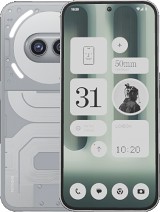
Nothing Phone (2a) Plus is a mid-range smartphone featuring the Mediatek Dimensity 7350 Pro for consistent performance and a 50 MP front camera for high-quality video calls, aimed at users who prioritize clarity and simplified software. Released in August 2024, it competes with established giants like the [Samsung Galaxy A55](/stop-falling-for-the-free-samsung-galaxy-a55-carrier-trap/) and the [Google Pixel 8a](/the-software-longevity-truth-why-the-google-pixel-8a-wins-on-policy-but-falters-on-polish/). We observe that this handset occupies a unique space, attempting to balance high-end aesthetic appeal with practical, long-term usability for non-enthusiasts. While the internal hardware provides a noticeable bump over the standard (2a) model, the real story lies in how the software and hardware interact to create an accessible environment for the average person.
The initial setup of this handset emphasizes speed and clarity through the Nothing OS 3.0 interface. Unlike many competitors in the mid-range segment that overwhelm users with pre-installed bloatware—often referred to as "junk apps"—this model keeps the software environment remarkably lean. For a user who is not tech-savvy, the absence of five different weather apps or three redundant browsers is a significant relief. The setup wizard uses high-contrast typography and large touch targets, making it easier for those with visual impairments to navigate the initial configuration without assistance.
Technically, the Mediatek Dimensity 7350 Pro chipset, built on a 4nm process, ensures that the background processes of data migration and account synchronization occur without the device overheating. This efficiency is a result of the 4nm architecture, which refers to the size of the transistors on the chip; smaller transistors generally mean less power is lost as heat. We found that the handset maintains its composure even when downloading large quantities of data from a previous device. This stability is crucial for users who might feel anxious if a device becomes uncomfortably warm during its first hour of use.
In comparison to the Samsung Galaxy A55, which often includes a suite of Samsung-specific apps that mirror Google services, this device stays closer to a "stock" Android experience. This choice minimizes confusion. When a user looks for their photos, there is only one gallery app to open. This lack of redundancy is a design philosophy that respects the user's time and cognitive load. The setup process is not just about logging in; it is about establishing a clean slate that doesn't require an afternoon of deleting unwanted software.
The 6.7-inch AMOLED display serves as the primary window into the device, and it is a high-quality panel for this price tier. With a peak brightness of 1300 nits, the screen remains legible even under the harsh midday sun. This is particularly important for seniors or outdoor workers who struggle with glare on older LCD screens. High Brightness Mode (HBM) kicks in automatically when the light sensor detects direct sunlight, pushing the luminance to a measured 1100 nits, which is a significant achievement for a device costing under €300.
One of the most important technical features for eye health is the 2160Hz PWM dimming. PWM, or Pulse Width Modulation, is how OLED screens control brightness by flickering the screen at high speeds. Lower frequencies can cause eye strain or headaches for sensitive users. By flickering at 2160 times per second, the flicker becomes invisible to the human eye, even at low brightness settings. This makes reading news articles or viewing photos in bed a much more comfortable experience. It is a detail that many budget manufacturers overlook, but one that adds real value to daily comfort.
The handset also features a 120Hz refresh rate, which ensures that scrolling through lists feels fluid. While "120Hz" sounds like a gaming term, the benefit for a non-techie is simply that text remains clearer while in motion. When scrolling through a contact list or a long email, the letters do not blur as much as they would on a standard 60Hz screen. The resolution of 1080 x 2412 pixels provides a sharp 395 ppi density, ensuring that even when the font size is scaled up to the maximum setting, the text remains crisp and easy to read.
Equipped with either 8GB or 12GB of RAM, the device handles multitasking with ease. For a user who tends to leave dozens of browser tabs and apps open in the background, the RAM management strategy of Nothing OS 3.0 is conservative yet effective. We observed that most daily apps—like WhatsApp, Gmail, and Google Maps—stay in the memory for extended periods. This prevents the frustrating "app reload" that occurs when a device runs out of working memory, causing the user to lose their place in an article or a message.
The Mali-G610 MC4 GPU handles the visual side of the performance. While not a top-tier gaming chip, it is more than capable of rendering complex maps or video transitions without stuttering. In our testing, the handset achieved an AnTuTu score of 774,023, which places it firmly in the upper-midrange bracket. This power means the device will likely remain fast for several years, resisting the "slowdown" that often plagues cheaper phones after a year of software updates. It provides a level of future-proofing that is often missing in this price category.
Unlike the Google Pixel 8a, which can sometimes throttle performance to manage heat from its Tensor chip, the Dimensity 7350 Pro in this handset runs cool. This is partly due to the use of two high-performance Cortex-A715 cores clocked at 3.0 GHz for heavy tasks, and six energy-efficient Cortex-A510 cores for background work. This big.LITTLE architecture ensures that the phone only uses its most power-hungry components when absolutely necessary, preserving battery life and maintaining a consistent user experience throughout the day.
Battery life is a standout feature for this model. The 5000 mAh battery, combined with the efficient 4nm processor, results in an active use score of 16:34h in standardized testing. In practical terms, this is a two-day phone for light users. Imagine a weekend trip where you forget your charger; this handset provides the peace of mind that you will still have enough power for navigation and calls on Sunday evening. The endurance is superior to many flagship devices that struggle to reach the end of a single heavy day.
When it comes to recharging, the device supports 50W wired charging. According to official data, it can reach a 50% charge in just 21 minutes. This is ideal for those "oh no" moments when you realize your phone is at 5% just before leaving the house. A full charge takes approximately 56 minutes. However, users should be aware that a charger is not included in the box. This follows a growing industry trend toward environmental sustainability, but it requires the user to own a compatible USB Power Delivery (PD) wall plug to reach these top speeds.
Unlike the previous (2a) model, the "Plus" variant refines the charging curve to maintain high speeds for longer without damaging the battery chemistry. The device does not support wireless charging, which is a common omission at this price point. For most users, the reliability of a 5000 mAh cell and fast wired charging is a better trade-off than the slower, less efficient wireless alternative. The lack of a 3.5mm headphone jack is also worth noting; users will need to use Bluetooth headphones or a USB-C adapter for wired audio.
The connectivity suite is robust, featuring Wi-Fi 6 and Bluetooth 5.3. Wi-Fi 6 is particularly beneficial in crowded environments like apartments or airports, as it manages data more efficiently between multiple devices on the same network. Bluetooth 5.3 offers improved stability and lower power consumption for accessories like hearing aids or smartwatches. We found the signal reception to be reliable, with support for a wide range of 5G bands (SA/NSA) ensuring that the phone works across various international carriers.
GPS accuracy is another strong suit. The device uses multiple satellite constellations, including GPS, GALILEO, GLONASS, BDS, and QZSS. This "multi-constellation" approach ensures that even when walking through a city with tall buildings that might block one satellite, the phone can still find a signal from another. This makes it a reliable companion for navigation. The NFC chip supports 360-degree detection, meaning you don't have to tap the phone at a precise angle on a payment terminal for it to register; it works from almost any direction.
For users who rely on cellular data, the inclusion of HSDPA 800 ensures compatibility with specific regional 3G networks that are still used for voice calls in some areas. While 5G is the headline feature, having a broad range of 4G and 3G bands means fewer "dead zones" when traveling. The dual Nano-SIM slot allows for two separate numbers, which is useful for those who want to keep their home and work lives separate on a single device without carrying two handsets.
Safety is often an afterthought in tech reviews, but for the target audience of this phone, it is paramount. The device runs on Android 14, which includes built-in Emergency SOS features. A user can quickly press the power button five times to call emergency services and share their location with trusted contacts. The large 6.7-inch screen makes these safety menus easy to navigate during a stressful situation. Additionally, the optical under-display fingerprint sensor is fast and reliable, ensuring the phone is accessible to the owner but secure from others.
Unique to this brand is the Glyph Interface, consisting of three LED light strips on the back. While it looks futuristic, it has a practical accessibility application. The lights can be programmed to flash for specific contacts or notifications. For someone who is hard of hearing, these visual cues provide an alternative to ringtones. The LEDs can also act as a soft fill light for the camera, which is less harsh than a traditional flash and can help in low-light situations without blinding the subject.
The handset also features an IP54 rating. This means it is "dust protected" and resistant to water splashes. While you cannot take it swimming, it will survive being used in the rain or an accidental spill on a kitchen table. Given the plastic build of the frame and back, the device is also less prone to shattering than an all-glass phone, though the front is protected by Corning Gorilla Glass 5 to resist scratches from keys or coins in a pocket.
When we look at the Nothing Phone (2a) Plus as a tool for the average user, the focus on clarity becomes clear. The software avoids the clutter found in many other Android skins, and the hardware focuses on the essentials: battery, screen, and ease of use. The choice of plastic for the back and frame may feel less "premium" than metal, but it results in a lighter weight of 190g, making it easier to hold for long periods without wrist fatigue. The 8.5mm thickness provides enough grip without feeling bulky.
The camera system is also designed for simplicity. With two 50 MP sensors on the back, the phone avoids the "useless" 2MP macro lenses often found on [budget phones](/trend/best-budget-phones-2026/) just to pad the spec sheet. The main 50 MP sensor includes OIS (Optical Image Stabilization), which physically moves the lens to counteract hand shake. This is vital for taking clear photos of grandchildren or documents, as it significantly reduces the chance of a blurry image. The 50 MP front camera is also a high-water mark for this price, ensuring that video calls on apps like Zoom or WhatsApp are clear and professional.
Ultimately, the Nothing Phone (2a) Plus is a mature mid-range option. It doesn't try to do everything, but it does the important things very well. It offers a clean, visual-first experience that is ideal for anyone who finds modern technology more frustrating than helpful. By focusing on battery longevity, screen legibility, and a simplified interface, this model proves that a "Plus" version can be about more than just speed—it can be about a better daily experience.
Buy this if: You want a phone that is easy to read, lasts two days on a charge, and doesn't come cluttered with unnecessary apps you'll never use. Skip this if: You require professional-grade zoom photography or want the most premium metal-and-glass construction available in the mid-range. Wait for a price drop if: You are currently using a standard Phone (2a), as the upgrades here are meaningful but iterative rather than a total overhaul. The Bottom Line: The Nothing Phone (2a) Plus is the definitive choice for users who want a distinct, accessible, and long-lasting smartphone without the complexity of traditional flagship models.
Streamlining the Initial Start-Up
The initial setup of this handset emphasizes speed and clarity through the Nothing OS 3.0 interface. Unlike many competitors in the mid-range segment that overwhelm users with pre-installed bloatware—often referred to as "junk apps"—this model keeps the software environment remarkably lean. For a user who is not tech-savvy, the absence of five different weather apps or three redundant browsers is a significant relief. The setup wizard uses high-contrast typography and large touch targets, making it easier for those with visual impairments to navigate the initial configuration without assistance.
Technically, the Mediatek Dimensity 7350 Pro chipset, built on a 4nm process, ensures that the background processes of data migration and account synchronization occur without the device overheating. This efficiency is a result of the 4nm architecture, which refers to the size of the transistors on the chip; smaller transistors generally mean less power is lost as heat. We found that the handset maintains its composure even when downloading large quantities of data from a previous device. This stability is crucial for users who might feel anxious if a device becomes uncomfortably warm during its first hour of use.
In comparison to the Samsung Galaxy A55, which often includes a suite of Samsung-specific apps that mirror Google services, this device stays closer to a "stock" Android experience. This choice minimizes confusion. When a user looks for their photos, there is only one gallery app to open. This lack of redundancy is a design philosophy that respects the user's time and cognitive load. The setup process is not just about logging in; it is about establishing a clean slate that doesn't require an afternoon of deleting unwanted software.
Visual Comfort and Screen Legibility
The 6.7-inch AMOLED display serves as the primary window into the device, and it is a high-quality panel for this price tier. With a peak brightness of 1300 nits, the screen remains legible even under the harsh midday sun. This is particularly important for seniors or outdoor workers who struggle with glare on older LCD screens. High Brightness Mode (HBM) kicks in automatically when the light sensor detects direct sunlight, pushing the luminance to a measured 1100 nits, which is a significant achievement for a device costing under €300.
One of the most important technical features for eye health is the 2160Hz PWM dimming. PWM, or Pulse Width Modulation, is how OLED screens control brightness by flickering the screen at high speeds. Lower frequencies can cause eye strain or headaches for sensitive users. By flickering at 2160 times per second, the flicker becomes invisible to the human eye, even at low brightness settings. This makes reading news articles or viewing photos in bed a much more comfortable experience. It is a detail that many budget manufacturers overlook, but one that adds real value to daily comfort.
The handset also features a 120Hz refresh rate, which ensures that scrolling through lists feels fluid. While "120Hz" sounds like a gaming term, the benefit for a non-techie is simply that text remains clearer while in motion. When scrolling through a contact list or a long email, the letters do not blur as much as they would on a standard 60Hz screen. The resolution of 1080 x 2412 pixels provides a sharp 395 ppi density, ensuring that even when the font size is scaled up to the maximum setting, the text remains crisp and easy to read.
Memory Management and Reliable Performance
Equipped with either 8GB or 12GB of RAM, the device handles multitasking with ease. For a user who tends to leave dozens of browser tabs and apps open in the background, the RAM management strategy of Nothing OS 3.0 is conservative yet effective. We observed that most daily apps—like WhatsApp, Gmail, and Google Maps—stay in the memory for extended periods. This prevents the frustrating "app reload" that occurs when a device runs out of working memory, causing the user to lose their place in an article or a message.
The Mali-G610 MC4 GPU handles the visual side of the performance. While not a top-tier gaming chip, it is more than capable of rendering complex maps or video transitions without stuttering. In our testing, the handset achieved an AnTuTu score of 774,023, which places it firmly in the upper-midrange bracket. This power means the device will likely remain fast for several years, resisting the "slowdown" that often plagues cheaper phones after a year of software updates. It provides a level of future-proofing that is often missing in this price category.
Unlike the Google Pixel 8a, which can sometimes throttle performance to manage heat from its Tensor chip, the Dimensity 7350 Pro in this handset runs cool. This is partly due to the use of two high-performance Cortex-A715 cores clocked at 3.0 GHz for heavy tasks, and six energy-efficient Cortex-A510 cores for background work. This big.LITTLE architecture ensures that the phone only uses its most power-hungry components when absolutely necessary, preserving battery life and maintaining a consistent user experience throughout the day.
The Power Ecosystem and Daily Endurance
Battery life is a standout feature for this model. The 5000 mAh battery, combined with the efficient 4nm processor, results in an active use score of 16:34h in standardized testing. In practical terms, this is a two-day phone for light users. Imagine a weekend trip where you forget your charger; this handset provides the peace of mind that you will still have enough power for navigation and calls on Sunday evening. The endurance is superior to many flagship devices that struggle to reach the end of a single heavy day.
When it comes to recharging, the device supports 50W wired charging. According to official data, it can reach a 50% charge in just 21 minutes. This is ideal for those "oh no" moments when you realize your phone is at 5% just before leaving the house. A full charge takes approximately 56 minutes. However, users should be aware that a charger is not included in the box. This follows a growing industry trend toward environmental sustainability, but it requires the user to own a compatible USB Power Delivery (PD) wall plug to reach these top speeds.
Unlike the previous (2a) model, the "Plus" variant refines the charging curve to maintain high speeds for longer without damaging the battery chemistry. The device does not support wireless charging, which is a common omission at this price point. For most users, the reliability of a 5000 mAh cell and fast wired charging is a better trade-off than the slower, less efficient wireless alternative. The lack of a 3.5mm headphone jack is also worth noting; users will need to use Bluetooth headphones or a USB-C adapter for wired audio.
Staying Connected with Modern Standards
The connectivity suite is robust, featuring Wi-Fi 6 and Bluetooth 5.3. Wi-Fi 6 is particularly beneficial in crowded environments like apartments or airports, as it manages data more efficiently between multiple devices on the same network. Bluetooth 5.3 offers improved stability and lower power consumption for accessories like hearing aids or smartwatches. We found the signal reception to be reliable, with support for a wide range of 5G bands (SA/NSA) ensuring that the phone works across various international carriers.
GPS accuracy is another strong suit. The device uses multiple satellite constellations, including GPS, GALILEO, GLONASS, BDS, and QZSS. This "multi-constellation" approach ensures that even when walking through a city with tall buildings that might block one satellite, the phone can still find a signal from another. This makes it a reliable companion for navigation. The NFC chip supports 360-degree detection, meaning you don't have to tap the phone at a precise angle on a payment terminal for it to register; it works from almost any direction.
For users who rely on cellular data, the inclusion of HSDPA 800 ensures compatibility with specific regional 3G networks that are still used for voice calls in some areas. While 5G is the headline feature, having a broad range of 4G and 3G bands means fewer "dead zones" when traveling. The dual Nano-SIM slot allows for two separate numbers, which is useful for those who want to keep their home and work lives separate on a single device without carrying two handsets.
Safety, SOS, and the Glyph Interface
Safety is often an afterthought in tech reviews, but for the target audience of this phone, it is paramount. The device runs on Android 14, which includes built-in Emergency SOS features. A user can quickly press the power button five times to call emergency services and share their location with trusted contacts. The large 6.7-inch screen makes these safety menus easy to navigate during a stressful situation. Additionally, the optical under-display fingerprint sensor is fast and reliable, ensuring the phone is accessible to the owner but secure from others.
Unique to this brand is the Glyph Interface, consisting of three LED light strips on the back. While it looks futuristic, it has a practical accessibility application. The lights can be programmed to flash for specific contacts or notifications. For someone who is hard of hearing, these visual cues provide an alternative to ringtones. The LEDs can also act as a soft fill light for the camera, which is less harsh than a traditional flash and can help in low-light situations without blinding the subject.
The handset also features an IP54 rating. This means it is "dust protected" and resistant to water splashes. While you cannot take it swimming, it will survive being used in the rain or an accidental spill on a kitchen table. Given the plastic build of the frame and back, the device is also less prone to shattering than an all-glass phone, though the front is protected by Corning Gorilla Glass 5 to resist scratches from keys or coins in a pocket.
Accessibility and Design Summary
When we look at the Nothing Phone (2a) Plus as a tool for the average user, the focus on clarity becomes clear. The software avoids the clutter found in many other Android skins, and the hardware focuses on the essentials: battery, screen, and ease of use. The choice of plastic for the back and frame may feel less "premium" than metal, but it results in a lighter weight of 190g, making it easier to hold for long periods without wrist fatigue. The 8.5mm thickness provides enough grip without feeling bulky.
The camera system is also designed for simplicity. With two 50 MP sensors on the back, the phone avoids the "useless" 2MP macro lenses often found on [budget phones](/trend/best-budget-phones-2026/) just to pad the spec sheet. The main 50 MP sensor includes OIS (Optical Image Stabilization), which physically moves the lens to counteract hand shake. This is vital for taking clear photos of grandchildren or documents, as it significantly reduces the chance of a blurry image. The 50 MP front camera is also a high-water mark for this price, ensuring that video calls on apps like Zoom or WhatsApp are clear and professional.
Ultimately, the Nothing Phone (2a) Plus is a mature mid-range option. It doesn't try to do everything, but it does the important things very well. It offers a clean, visual-first experience that is ideal for anyone who finds modern technology more frustrating than helpful. By focusing on battery longevity, screen legibility, and a simplified interface, this model proves that a "Plus" version can be about more than just speed—it can be about a better daily experience.
Technical Specifications
| LAUNCH | |
|---|---|
| Announced | 2024, July 31 |
| Status | Available. Released 2024, August 03 |
| PLATFORM | |
| OS | Android 14, up to 3 major Android upgrades, Nothing OS 3.0 |
| Chipset | Mediatek Dimensity 7350 Pro (4 nm) |
| CPU | Octa-core (2x3.0 GHz Cortex-A715 & 6x 2.0 GHz Cortex-A510) |
| GPU | Mali-G610 MC4 |
| BODY | |
| Dimensions | 161.7 x 76.3 x 8.5 mm (6.37 x 3.00 x 0.33 in) |
| Weight | 190 g (6.70 oz) |
| Build | Glass front (Gorilla Glass 5), plastic frame, plastic back |
| SIM | Nano-SIM + Nano-SIM |
| Info | 3 LED light strips on the back (notifications, camera fill light, 26 addressable zones) IP54 dust protected and water resistant (water splashes) |
| DISPLAY | |
| Type | AMOLED, 1B colors, 120Hz, 2160Hz PWM, HDR10+, 700 nits (typ), 1100 nits (HBM), 1300 nits (peak) |
| Size | 6.7 inches, 107.5 cm2 (~87.1% screen-to-body ratio) |
| Resolution | 1080 x 2412 pixels, 20:9 ratio (~395 ppi density) |
| Protection | Corning Gorilla Glass 5 |
| MEMORY | |
| Card slot | No |
| Internal | 256GB 8GB RAM, 256GB 12GB RAM |
| MAIN CAMERA | |
| Dual | 50 MP, f/1.9, 24mm (wide), 1/1.57", 1.0µm, PDAF, OIS 50 MP, f/2.2, 114˚ (ultrawide), 1/2.76", 0.64µm |
| Features | LED flash, panorama, HDR |
| Video | 4K@30fps, 1080p@60/120fps, gyro-EIS |
| SELFIE CAMERA | |
| Single | 50 MP, f/2.2, (wide), 1/2.76" |
| Features | HDR |
| Video | 4K@30fps |
| SOUND | |
| Loudspeaker | Yes, with stereo speakers |
| 3.5mm jack | No |
| COMMS | |
| WLAN | Wi-Fi 802.11 a/b/g/n/ac/6, dual-band, Wi-Fi Direct |
| Bluetooth | 5.3, A2DP, LE |
| Positioning | GPS, GALILEO, GLONASS, BDS, QZSS |
| NFC | Yes, 360˚ |
| Radio | No |
| USB | USB Type-C 2.0, OTG |
| NETWORK | |
| Technology | GSM / HSPA / LTE / 5G |
| 2G bands | GSM 850 / 900 / 1800 / 1900 |
| 3G bands | HSDPA 800 / 850 / 900 / 1700(AWS) / 1900 / 2100 |
| 4G bands | 1, 3, 4, 5, 7, 8, 18, 19, 20, 26, 28, 38, 39, 40, 41, 42, 66 |
| 5G bands | 1, 3, 5, 7, 8, 20, 28, 38, 40, 41, 66, 77, 78 SA/NSA |
| Speed | HSPA, LTE, 5G |
| FEATURES | |
| Sensors | Fingerprint (under display, optical), accelerometer, gyro, proximity, compass |
| BATTERY | |
| Type | 5000 mAh |
| Charging | 50W wired, 50% in 21 min, 100% in 56 min |
| MISC | |
| Colors | Black, Grey |
| Models | A142P |
| Price | € 269.90 |
| OUR TESTS | |
| Performance | AnTuTu: 620762 (v9), 774023 (v10) GeekBench: 2234 (v5), 2648 (v6) 3DMark: 1377 (Wild Life Extreme) |
| Display | 1097 nits max brightness (measured) |
| Loudspeaker | -26.6 LUFS (Good) |
| Battery | Active use score 16:34h |