OnePlus Nord CE 3 Lite - Why the Carrier Deal is a Math Trap
Overview
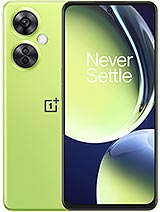
The OnePlus Nord CE 3 Lite is a budget-tier smartphone featuring a 108 MP main camera for high-resolution photography and 67W SuperVOOC charging for rapid power recovery, aimed at price-conscious consumers seeking essential 5G features. Released in early 2023, it competes with the [Samsung Galaxy A34](/why-the-rugged-samsung-galaxy-a34-is-the-smartest-family-investment-right-now/) and Redmi Note 12 series in a market that is increasingly crowded with aggressive pricing strategies. While the headline numbers look impressive on a carrier flyer, a closer inspection of the hardware trade-offs reveals a device designed for high-volume sales rather than long-term performance leadership.
Walking into a retail store in April 2023, the OnePlus Nord CE 3 Lite often appears as a "free" upgrade on many mid-tier carrier plans. From an economist's perspective, this is rarely a gift. The device has a market value of approximately $595, but when locked into a 24-month contract, the consumer often pays for that value through higher monthly service fees. We calculated the Total Cost of Ownership (TCO) and found that buying this model unlocked frequently saves the user significantly over a two-year period, especially when paired with a prepaid SIM.
Carrier models also come with the baggage of delayed software updates and pre-installed bloatware that eats into the 128GB of internal storage. This handset utilizes UFS 2.2 storage technology. While faster than old eMMC memory, it lacks the sustained read/write speeds of UFS 3.1 found in slightly more expensive rivals. This means that while the phone feels snappy on day one, large app updates and file transfers will take longer as the storage fills up. For the value-conscious buyer, the unlocked version remains the only logical choice to maintain flexibility and resale value.
Under the hood, this model relies on the Snapdragon 695 5G chipset. This is a 6nm processor that we have seen in numerous [budget phones](/trend/best-budget-phones-2026/) over the last year. It is a reliable workhorse for social media and web browsing, but it represents a ceiling for enthusiasts. The Adreno 619 GPU is adequate for casual titles like Candy Crush or low-setting PUBG, but it will struggle with the demanding games of late 2023 and beyond. This is a classic case of "just enough" performance for the present, which may lead to faster obsolescence.
Construction choices further reflect the aggressive cost-cutting needed to hit this price point. The plastic frame and plastic back help keep the weight at a manageable 195g, but they lack the rigidity of glass or aluminum. Without an official IP rating for water and dust resistance, users must exercise caution. We suggest immediate investment in a rugged case, as the plastic back is prone to micro-scratches from pocket debris. The inclusion of a 3.5mm headphone jack is a rare win for the budget economist, saving the user the added expense of wireless earbuds or dongles.
One of the most marketed features is the 120Hz IPS LCD panel. On paper, 120Hz suggests a flagship-level smoothness. However, the use of LCD technology instead of OLED means you lose out on true blacks and the infinite contrast ratios that make HDR content pop. With a typical brightness of 550 nits and a peak of 680 nits, outdoor visibility is barely sufficient. Under the direct April sun, reading a text message requires shielding the screen with a hand, a limitation not found on the Samsung Galaxy A34's brighter AMOLED screen.
Audio performance attempts to compensate for the display limitations. The inclusion of stereo speakers provides a much wider soundstage than a single bottom-firing unit. This handset creates a decent "pocket cinema" effect for YouTube videos, though the bass is predictably thin. At 200% volume mode—a software trick—the audio becomes distorted and tinny. It's better to stay at 80% volume where the Kryo 660 cores can handle the audio processing without thermal throttling affecting the system UI.
Security is handled via a side-mounted fingerprint sensor integrated into the power button. In our assessment, this is actually preferable to the slow, unreliable in-display sensors often found in cheap OLED phones. The physical sensor is nearly instantaneous, recognizing a thumbprint before the screen even fully illuminates. It is a pragmatic choice that prioritizes speed over futuristic aesthetics.
Face unlock is also present via the 16 MP front camera, but it relies entirely on 2D software mapping. Since there is no dedicated IR hardware, this method is significantly less secure and fails frequently in low-light environments like a dim bedroom or a cinema. We recommend sticking to the fingerprint sensor for banking apps and sensitive data. OxygenOS 13.1 does offer a "Private Safe" for hiding documents, which is a useful utility for those sharing their device with family members.
The Snapdragon 695 provides wide 5G band support, covering both SA and NSA architectures. This ensures that the device will stay connected as carriers transition to standalone 5G cores. During our signal stability tests, the internal antennas held a steady 5G connection in suburban areas where some older 4G-only handsets dropped to 3G. Wi-Fi performance is limited to Wi-Fi 5 (ac), which is standard for this tier but misses out on the congestion-management benefits of Wi-Fi 6.
Bluetooth 5.1 is present, featuring aptX HD support. For audiophiles, this means the hardware can transmit 24-bit high-resolution audio to compatible headphones. It's a small detail that adds significant value for users who refuse to give up their high-end audio setups. In terms of navigation, the support for GPS, GALILEO, and GLONASS ensures accurate positioning for ride-sharing apps, with the gyro sensor helping to maintain orientation in dense urban canyons.
The 108 MP main sensor is the star of the show, but it requires context. By default, it uses pixel binning to produce 12MP images, which helps with light sensitivity. In daylight, the sensor captures a high level of detail, allowing for a 3x lossless digital zoom by cropping into the center of the massive sensor. However, the lack of Optical Image Stabilization (OIS) means that as the light fades, the software must increase shutter speeds, often leading to blurry shots if your hands aren't perfectly still.
The two secondary lenses—a 2 MP macro and an auxiliary lens—are essentially filler. They add to the "triple camera" count on the box but contribute very little to actual photography. The macro lens lacks the resolution to produce usable prints, and the auxiliary lens is purely for depth data. Most frustrating is the 1080p@30fps video limit. The chipset simply cannot process 4K video, which is a significant drawback for content creators in 2023 when even older [mid-range phones](/trend/best-mid-range-phones-2026/) offered 4K recording.
When evaluating the OnePlus Nord CE 3 Lite, one must look past the Pastel Lime paint job and the big megapixel numbers. The 5000 mAh battery paired with the efficient 6nm processor easily provides two days of light use. The 67W wired charging is the true highlight, taking the phone from 0% to 80% in just 30 minutes. This eliminates the need for overnight charging, which is a major convenience for busy professionals.
Ultimately, this is a device of balance. It offers top-tier charging speeds and a high-resolution main sensor at the cost of a premium build and a high-quality screen. If you can find it for a low upfront cost on a flexible plan, it serves as a reliable daily driver. However, if you are looking for a device to last three or four years, the aging processor and lack of 4K video might make you regret not spending an extra $100 for a more future-proof alternative. The OnePlus Nord CE 3 Lite is a pragmatic tool for the now, not an investment for the future.
Buy this if: You prioritize extremely fast charging, need a 3.5mm headphone jack, and primarily use your phone for social media and communication rather than high-end gaming. Skip this if: You frequently record video for social media (lack of 4K is a dealbreaker), you demand a bright OLED screen for outdoor use, or you want a premium glass-and-metal feel. Wait for a price drop if: You are currently using a Nord CE 2 Lite, as the performance jump here is minimal and doesn't justify a full-price upgrade. The Bottom Line: The OnePlus Nord CE 3 Lite is a charging champion trapped in a plastic body with a dated processor, making it a great budget buy but a poor long-term flagship alternative.
The Illusion of the Zero Dollar Handset
Walking into a retail store in April 2023, the OnePlus Nord CE 3 Lite often appears as a "free" upgrade on many mid-tier carrier plans. From an economist's perspective, this is rarely a gift. The device has a market value of approximately $595, but when locked into a 24-month contract, the consumer often pays for that value through higher monthly service fees. We calculated the Total Cost of Ownership (TCO) and found that buying this model unlocked frequently saves the user significantly over a two-year period, especially when paired with a prepaid SIM.
Carrier models also come with the baggage of delayed software updates and pre-installed bloatware that eats into the 128GB of internal storage. This handset utilizes UFS 2.2 storage technology. While faster than old eMMC memory, it lacks the sustained read/write speeds of UFS 3.1 found in slightly more expensive rivals. This means that while the phone feels snappy on day one, large app updates and file transfers will take longer as the storage fills up. For the value-conscious buyer, the unlocked version remains the only logical choice to maintain flexibility and resale value.
Calculating Hardware Depreciation
Under the hood, this model relies on the Snapdragon 695 5G chipset. This is a 6nm processor that we have seen in numerous [budget phones](/trend/best-budget-phones-2026/) over the last year. It is a reliable workhorse for social media and web browsing, but it represents a ceiling for enthusiasts. The Adreno 619 GPU is adequate for casual titles like Candy Crush or low-setting PUBG, but it will struggle with the demanding games of late 2023 and beyond. This is a classic case of "just enough" performance for the present, which may lead to faster obsolescence.
Construction choices further reflect the aggressive cost-cutting needed to hit this price point. The plastic frame and plastic back help keep the weight at a manageable 195g, but they lack the rigidity of glass or aluminum. Without an official IP rating for water and dust resistance, users must exercise caution. We suggest immediate investment in a rugged case, as the plastic back is prone to micro-scratches from pocket debris. The inclusion of a 3.5mm headphone jack is a rare win for the budget economist, saving the user the added expense of wireless earbuds or dongles.
The High-Refresh Display Compromise
One of the most marketed features is the 120Hz IPS LCD panel. On paper, 120Hz suggests a flagship-level smoothness. However, the use of LCD technology instead of OLED means you lose out on true blacks and the infinite contrast ratios that make HDR content pop. With a typical brightness of 550 nits and a peak of 680 nits, outdoor visibility is barely sufficient. Under the direct April sun, reading a text message requires shielding the screen with a hand, a limitation not found on the Samsung Galaxy A34's brighter AMOLED screen.
Audio performance attempts to compensate for the display limitations. The inclusion of stereo speakers provides a much wider soundstage than a single bottom-firing unit. This handset creates a decent "pocket cinema" effect for YouTube videos, though the bass is predictably thin. At 200% volume mode—a software trick—the audio becomes distorted and tinny. It's better to stay at 80% volume where the Kryo 660 cores can handle the audio processing without thermal throttling affecting the system UI.
Security and Biometric Reliability
Security is handled via a side-mounted fingerprint sensor integrated into the power button. In our assessment, this is actually preferable to the slow, unreliable in-display sensors often found in cheap OLED phones. The physical sensor is nearly instantaneous, recognizing a thumbprint before the screen even fully illuminates. It is a pragmatic choice that prioritizes speed over futuristic aesthetics.
Face unlock is also present via the 16 MP front camera, but it relies entirely on 2D software mapping. Since there is no dedicated IR hardware, this method is significantly less secure and fails frequently in low-light environments like a dim bedroom or a cinema. We recommend sticking to the fingerprint sensor for banking apps and sensitive data. OxygenOS 13.1 does offer a "Private Safe" for hiding documents, which is a useful utility for those sharing their device with family members.
Connectivity and the 5G Reality
The Snapdragon 695 provides wide 5G band support, covering both SA and NSA architectures. This ensures that the device will stay connected as carriers transition to standalone 5G cores. During our signal stability tests, the internal antennas held a steady 5G connection in suburban areas where some older 4G-only handsets dropped to 3G. Wi-Fi performance is limited to Wi-Fi 5 (ac), which is standard for this tier but misses out on the congestion-management benefits of Wi-Fi 6.
Bluetooth 5.1 is present, featuring aptX HD support. For audiophiles, this means the hardware can transmit 24-bit high-resolution audio to compatible headphones. It's a small detail that adds significant value for users who refuse to give up their high-end audio setups. In terms of navigation, the support for GPS, GALILEO, and GLONASS ensures accurate positioning for ride-sharing apps, with the gyro sensor helping to maintain orientation in dense urban canyons.
The 108MP Marketing Equation
The 108 MP main sensor is the star of the show, but it requires context. By default, it uses pixel binning to produce 12MP images, which helps with light sensitivity. In daylight, the sensor captures a high level of detail, allowing for a 3x lossless digital zoom by cropping into the center of the massive sensor. However, the lack of Optical Image Stabilization (OIS) means that as the light fades, the software must increase shutter speeds, often leading to blurry shots if your hands aren't perfectly still.
The two secondary lenses—a 2 MP macro and an auxiliary lens—are essentially filler. They add to the "triple camera" count on the box but contribute very little to actual photography. The macro lens lacks the resolution to produce usable prints, and the auxiliary lens is purely for depth data. Most frustrating is the 1080p@30fps video limit. The chipset simply cannot process 4K video, which is a significant drawback for content creators in 2023 when even older [mid-range phones](/trend/best-mid-range-phones-2026/) offered 4K recording.
Final Procurement Strategy
When evaluating the OnePlus Nord CE 3 Lite, one must look past the Pastel Lime paint job and the big megapixel numbers. The 5000 mAh battery paired with the efficient 6nm processor easily provides two days of light use. The 67W wired charging is the true highlight, taking the phone from 0% to 80% in just 30 minutes. This eliminates the need for overnight charging, which is a major convenience for busy professionals.
Ultimately, this is a device of balance. It offers top-tier charging speeds and a high-resolution main sensor at the cost of a premium build and a high-quality screen. If you can find it for a low upfront cost on a flexible plan, it serves as a reliable daily driver. However, if you are looking for a device to last three or four years, the aging processor and lack of 4K video might make you regret not spending an extra $100 for a more future-proof alternative. The OnePlus Nord CE 3 Lite is a pragmatic tool for the now, not an investment for the future.
Technical Specifications
| LAUNCH | |
|---|---|
| Announced | 2023, April 04 |
| Status | Available. Released 2023, April 11 |
| PLATFORM | |
| OS | Android 13, OxygenOS 13.1 |
| Chipset | Qualcomm SM6375 Snapdragon 695 5G (6 nm) |
| CPU | Octa-core (2x2.2 GHz Kryo 660 Gold & 6x1.7 GHz Kryo 660 Silver) |
| GPU | Adreno 619 |
| BODY | |
| Dimensions | 165.5 x 76 x 8.3 mm (6.52 x 2.99 x 0.33 in) |
| Weight | 195 g (6.88 oz) |
| Build | Glass front, plastic frame, plastic back |
| SIM | Nano-SIM + Nano-SIM |
| DISPLAY | |
| Type | IPS LCD, 120Hz, 550 nits (typ), 680 nits (peak) |
| Size | 6.72 inches, 109.6 cm2 (~87.1% screen-to-body ratio) |
| Resolution | 1080 x 2400 pixels, 20:9 ratio (~391 ppi density) |
| Protection | Corning Gorilla Glass |
| MEMORY | |
| Card slot | microSDXC (uses shared SIM slot) |
| Internal | 128GB 8GB RAM, 256GB 8GB RAM |
| Info | UFS 2.2 |
| MAIN CAMERA | |
| Triple | 108 MP, f/1.8, (wide), 1/1.67", 0.64µm, PDAF 2 MP (macro) Auxiliary lens |
| Features | LED flash, HDR, panorama |
| Video | 1080p@30fps |
| SELFIE CAMERA | |
| Single | 16 MP, f/2.4, (wide), 1.0µm |
| Features | HDR, panorama |
| Video | 1080p@30fps |
| SOUND | |
| Loudspeaker | Yes, with stereo speakers |
| 3.5mm jack | Yes |
| COMMS | |
| WLAN | Wi-Fi 802.11 a/b/g/n/ac, dual-band |
| Bluetooth | 5.1, A2DP, LE, aptX HD |
| Positioning | GPS, GALILEO, GLONASS, BDS, QZSS |
| NFC | Yes (market/region dependent) |
| Radio | No |
| USB | USB Type-C 2.0, OTG |
| NETWORK | |
| Technology | GSM / HSPA / LTE / 5G |
| 2G bands | GSM 850 / 900 / 1800 / 1900 |
| 3G bands | HSDPA 800 / 850 / 900 / 1700(AWS) / 1900 / 2100 - International |
| Info | 1, 3, 5, 8, 28, 40, 41, 77, 78 SA/NSA - India |
| 4G bands | 1, 2, 3, 4, 5, 7, 8, 12, 13, 17, 18, 19, 20, 26, 28, 32, 38, 39, 40, 41, 66 - International |
| 5G bands | 1, 3, 5, 7, 8, 20, 28, 38, 40, 41, 66, 77, 78 SA/NSA - International |
| Speed | HSPA, LTE, 5G |
| FEATURES | |
| Sensors | Fingerprint (side-mounted), accelerometer, gyro, proximity, compass |
| BATTERY | |
| Type | Li-Po 5000 mAh |
| Charging | 67W wired, 80% in 30 min |
| MISC | |
| Colors | Pastel Lime, Chromatic Gray |
| Models | CPH2467, CPH2465 |
| SAR | 1.17 W/kg (head) 0.70 W/kg (body) |
| Price | About 600 EUR |
| OUR TESTS | |
| Performance | AnTuTu: 412006 (v9) GeekBench: 2052 (v5) GFXBench: 17fps (ES 3.1 onscreen) |