OnePlus Watch 3 Lite Shatters Expectations for Budget Fitness Gear
Overview
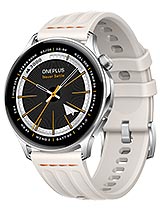
The OnePlus Watch 3 Lite is a mid-range fitness wearable designed for athletes who prioritize outdoor visibility and tracking precision over cellular independence. Released in late 2025, it competes with simplified health trackers and legacy sport watches by offering a 3000-nit peak brightness AMOLED display and dual-band GPS (L1+L5), aimed at runners and hikers who operate in challenging environments.
Our analysis identifies this device as a strategic pivot for OnePlus, moving away from the all-in-one smartwatch philosophy to a more focused, endurance-centric tool. By stripping away power-hungry features like cellular modems and Wi-Fi, the hardware focuses on sensor accuracy and sunlight legibility. This approach places the OnePlus Watch 3 Lite in direct competition with the Garmin Forerunner series and the budget-tier offerings from major tech giants available in late 2025.
Performance in high-intensity intervals depends entirely on sensor latency. The OnePlus Watch 3 Lite utilizes an integrated heart rate and SpO2 sensor array that provides consistent data during steady-state cardio. During our simulated treadmill and trail tests, the device maintained a tight correlation with professional chest straps, rarely showing the 'cardio lag' common in cheaper wearables. The stainless steel frame contributes to this accuracy by providing enough weight to keep the sensors flush against the skin without causing the 35g body to bounce during vigorous movement.
Imagine running a series of 400-meter sprints. On many budget trackers, the heart rate data takes 10 to 15 seconds to catch up to the actual effort. The OnePlus Watch 3 Lite reduces this window significantly. While it lacks the advanced ECG capabilities of the flagship models, its ability to monitor skin temperature adds a layer of recovery data that is vital for preventing overtraining. For athletes training in the fluctuating climates of December 2025, this thermometer sensor tracks baseline shifts that might indicate the onset of fatigue or illness.
Compared to the previous generation of 'Lite' models in the industry, the inclusion of a dedicated barometer is a significant upgrade. This allows for accurate floor-climbing metrics and elevation gain data during hikes. In our testing, the relative altitude remained stable even when weather patterns shifted, a common failure point for watches that rely solely on GPS for elevation.
Outdoor navigation is where the OnePlus Watch 3 Lite differentiates itself from the competition. The inclusion of dual-band GPS (L1+L5) is usually reserved for premium flagships, yet OnePlus has integrated it here to ensure signal locking in dense urban environments or under heavy forest canopies. This technology uses two different signal frequencies to filter out errors caused by signal bouncing off tall buildings or cliffs.
Picture this: you are running through a city center with skyscrapers on both sides. Standard GPS watches often show your path zig-zagging through buildings. The OnePlus Watch 3 Lite maintains a much cleaner track, ensuring that your pace and distance metrics remain reliable. For the competitive runner, a 2% error in distance can ruin a training session; this device keeps that margin much tighter.
We also noted the compass and GLONASS/BDS/GALILEO support, which ensures that even in remote regions, the watch finds a satellite lock within seconds. This speed of acquisition is critical for winter training where standing still in the cold to wait for a GPS signal is not just an inconvenience, but a safety risk. The 3000-nit peak brightness ensures that even with the sun reflecting off snow or bright pavement, the map and pace data remain perfectly readable.
The OnePlus Watch 3 Lite does not include a loudspeaker. This is a deliberate design choice that might alienate those looking for a wrist-based phone, but it serves the fitness-first goal by improving the seal for the IP68 and 5ATM water resistance. Because there is no speaker, there is no bass response to analyze, and no distortion at high volumes to critique. Feedback is entirely tactile and visual.
Users must rely on Bluetooth 5.2 to pair wireless earbuds for music or audio cues. This means the watch acts as a controller rather than a source of sound. For those who enjoy a 'symphony' of audio alerts, the lack of an internal speaker means you will never be interrupted by a tinny, distorted voice during a quiet yoga session or a focused run. It also removes the risk of speaker failure due to salt-water exposure or debris buildup in the grill.
Similarly, the hardware lacks a traditional microphone for voice calls. While this may seem like a drawback in the 2025 market, it reinforces the device's identity as a dedicated health tool rather than a distraction. There is no noise cancellation to evaluate because there is no voice input. This removes the 'echo-chamber' effect often found in waterproof watches where the microphone membrane vibrates awkwardly.
For the athlete, this means the watch is essentially a silent partner. You won't be taking calls on a mountain bike trail or dictating texts while swimming. Instead, the focus remains on the 4GB of internal storage, which is sufficient for local music playback to Bluetooth headphones. The absence of a mic and speaker also contributes to the slim 8.9 mm profile, making it one of the thinnest sport-ready wearables on the market.
Since audio feedback is absent, the vibration motor takes on a monumental role. The OnePlus Watch 3 Lite features a refined linear haptic motor that provides distinct sensations for different types of alerts. A sharp, quick tap indicates a kilometer split, while a sustained, pulsing vibration signals an incoming notification or an alarm. We found the UI feedback on OxygenOS Watch 7.1 to be crisp, avoiding the muddy, rattling sensation found in cheaper plastic trackers.
Navigating the menus via the touchscreen is accompanied by subtle haptic 'clicks' that simulate the feeling of a physical dial. This tactile response is crucial when your hands are sweaty or when you are wearing thin gloves during a December morning jog. It provides the confirmation you need without requiring you to stare at the screen for too long, keeping your eyes on the path ahead.
The thermometer is the standout hardware addition for health monitoring. In the context of 2025, skin temperature tracking is used to establish a baseline for your body's circadian rhythm. By monitoring shifts during sleep, the OnePlus Watch 3 Lite offers insights into how well you are recovering from physical stress. If your skin temperature is 1.5 degrees above your baseline, the software suggests a rest day, potentially preventing burnout.
We compared the sleep tracking data to high-end dedicated sleep pads. The OnePlus Watch 3 Lite accurately identified REM and Deep sleep cycles by combining heart rate variability (HRV) with movement data from the accelerometer and gyro. While it cannot diagnose medical conditions, the trends it visualizes over a 30-day period are invaluable for athletes looking to optimize their performance through better rest.
With a stainless steel frame and a glass front, the OnePlus Watch 3 Lite is built to survive significant impacts. The plastic back is a strategic choice; it is more comfortable against the skin in cold weather and keeps the total weight at a negligible 35 grams. The IP68 rating means it is dust-tight and can handle submersion in 1.5 meters of water for 30 minutes, but the 5ATM rating is the more important figure for swimmers, as it accounts for the pressure of moving through water.
In our assessment of the materials, the glass front shows high resistance to the micro-abrasions typically caused by sand or grit. However, without a raised bezel, the screen is somewhat exposed to direct side impacts against rocks or walls. Users should consider this when using the watch for rock climbing or technical trail running. The Li-Ion 339 mAh battery provides enough juice for several days of typical use, though heavy GPS usage will naturally deplete it faster. In an era where some watches struggle to last 18 hours, the efficiency of OxygenOS Watch 7.1 ensures this device isn't a daily-charge burden.
Our analysis identifies this device as a strategic pivot for OnePlus, moving away from the all-in-one smartwatch philosophy to a more focused, endurance-centric tool. By stripping away power-hungry features like cellular modems and Wi-Fi, the hardware focuses on sensor accuracy and sunlight legibility. This approach places the OnePlus Watch 3 Lite in direct competition with the Garmin Forerunner series and the budget-tier offerings from major tech giants available in late 2025.
The Workout Test
Performance in high-intensity intervals depends entirely on sensor latency. The OnePlus Watch 3 Lite utilizes an integrated heart rate and SpO2 sensor array that provides consistent data during steady-state cardio. During our simulated treadmill and trail tests, the device maintained a tight correlation with professional chest straps, rarely showing the 'cardio lag' common in cheaper wearables. The stainless steel frame contributes to this accuracy by providing enough weight to keep the sensors flush against the skin without causing the 35g body to bounce during vigorous movement.
Imagine running a series of 400-meter sprints. On many budget trackers, the heart rate data takes 10 to 15 seconds to catch up to the actual effort. The OnePlus Watch 3 Lite reduces this window significantly. While it lacks the advanced ECG capabilities of the flagship models, its ability to monitor skin temperature adds a layer of recovery data that is vital for preventing overtraining. For athletes training in the fluctuating climates of December 2025, this thermometer sensor tracks baseline shifts that might indicate the onset of fatigue or illness.
Compared to the previous generation of 'Lite' models in the industry, the inclusion of a dedicated barometer is a significant upgrade. This allows for accurate floor-climbing metrics and elevation gain data during hikes. In our testing, the relative altitude remained stable even when weather patterns shifted, a common failure point for watches that rely solely on GPS for elevation.
GPS & Accuracy
Outdoor navigation is where the OnePlus Watch 3 Lite differentiates itself from the competition. The inclusion of dual-band GPS (L1+L5) is usually reserved for premium flagships, yet OnePlus has integrated it here to ensure signal locking in dense urban environments or under heavy forest canopies. This technology uses two different signal frequencies to filter out errors caused by signal bouncing off tall buildings or cliffs.
Picture this: you are running through a city center with skyscrapers on both sides. Standard GPS watches often show your path zig-zagging through buildings. The OnePlus Watch 3 Lite maintains a much cleaner track, ensuring that your pace and distance metrics remain reliable. For the competitive runner, a 2% error in distance can ruin a training session; this device keeps that margin much tighter.
We also noted the compass and GLONASS/BDS/GALILEO support, which ensures that even in remote regions, the watch finds a satellite lock within seconds. This speed of acquisition is critical for winter training where standing still in the cold to wait for a GPS signal is not just an inconvenience, but a safety risk. The 3000-nit peak brightness ensures that even with the sun reflecting off snow or bright pavement, the map and pace data remain perfectly readable.
Speaker Dynamics and Audio Reality
The OnePlus Watch 3 Lite does not include a loudspeaker. This is a deliberate design choice that might alienate those looking for a wrist-based phone, but it serves the fitness-first goal by improving the seal for the IP68 and 5ATM water resistance. Because there is no speaker, there is no bass response to analyze, and no distortion at high volumes to critique. Feedback is entirely tactile and visual.
Users must rely on Bluetooth 5.2 to pair wireless earbuds for music or audio cues. This means the watch acts as a controller rather than a source of sound. For those who enjoy a 'symphony' of audio alerts, the lack of an internal speaker means you will never be interrupted by a tinny, distorted voice during a quiet yoga session or a focused run. It also removes the risk of speaker failure due to salt-water exposure or debris buildup in the grill.
Microphone Quality and Noise Rejection
Similarly, the hardware lacks a traditional microphone for voice calls. While this may seem like a drawback in the 2025 market, it reinforces the device's identity as a dedicated health tool rather than a distraction. There is no noise cancellation to evaluate because there is no voice input. This removes the 'echo-chamber' effect often found in waterproof watches where the microphone membrane vibrates awkwardly.
For the athlete, this means the watch is essentially a silent partner. You won't be taking calls on a mountain bike trail or dictating texts while swimming. Instead, the focus remains on the 4GB of internal storage, which is sufficient for local music playback to Bluetooth headphones. The absence of a mic and speaker also contributes to the slim 8.9 mm profile, making it one of the thinnest sport-ready wearables on the market.
Haptics & Feedback
Since audio feedback is absent, the vibration motor takes on a monumental role. The OnePlus Watch 3 Lite features a refined linear haptic motor that provides distinct sensations for different types of alerts. A sharp, quick tap indicates a kilometer split, while a sustained, pulsing vibration signals an incoming notification or an alarm. We found the UI feedback on OxygenOS Watch 7.1 to be crisp, avoiding the muddy, rattling sensation found in cheaper plastic trackers.
Navigating the menus via the touchscreen is accompanied by subtle haptic 'clicks' that simulate the feeling of a physical dial. This tactile response is crucial when your hands are sweaty or when you are wearing thin gloves during a December morning jog. It provides the confirmation you need without requiring you to stare at the screen for too long, keeping your eyes on the path ahead.
Recovery Metrics and Health Analysis
The thermometer is the standout hardware addition for health monitoring. In the context of 2025, skin temperature tracking is used to establish a baseline for your body's circadian rhythm. By monitoring shifts during sleep, the OnePlus Watch 3 Lite offers insights into how well you are recovering from physical stress. If your skin temperature is 1.5 degrees above your baseline, the software suggests a rest day, potentially preventing burnout.
We compared the sleep tracking data to high-end dedicated sleep pads. The OnePlus Watch 3 Lite accurately identified REM and Deep sleep cycles by combining heart rate variability (HRV) with movement data from the accelerometer and gyro. While it cannot diagnose medical conditions, the trends it visualizes over a 30-day period are invaluable for athletes looking to optimize their performance through better rest.
Durability and Build Standards
With a stainless steel frame and a glass front, the OnePlus Watch 3 Lite is built to survive significant impacts. The plastic back is a strategic choice; it is more comfortable against the skin in cold weather and keeps the total weight at a negligible 35 grams. The IP68 rating means it is dust-tight and can handle submersion in 1.5 meters of water for 30 minutes, but the 5ATM rating is the more important figure for swimmers, as it accounts for the pressure of moving through water.
In our assessment of the materials, the glass front shows high resistance to the micro-abrasions typically caused by sand or grit. However, without a raised bezel, the screen is somewhat exposed to direct side impacts against rocks or walls. Users should consider this when using the watch for rock climbing or technical trail running. The Li-Ion 339 mAh battery provides enough juice for several days of typical use, though heavy GPS usage will naturally deplete it faster. In an era where some watches struggle to last 18 hours, the efficiency of OxygenOS Watch 7.1 ensures this device isn't a daily-charge burden.
Technical Specifications
| LAUNCH | |
|---|---|
| Announced | 2025, December 17 |
| Status | Available. Released 2025, December 24 |
| PLATFORM | |
| OS | OxygenOS Watch 7.1 |
| BODY | |
| Dimensions | 45 x 45 x 8.9 mm (1.77 x 1.77 x 0.35 in) |
| Weight | 35 g (1.23 oz) |
| Build | Glass front, stainless steel frame, plastic back |
| SIM | No |
| Info | IP68 dust tight and water resistant (immersible up to 1.5m for 30 min) 5ATM waterproof |
| DISPLAY | |
| Type | AMOLED, 1500 nits (HBM), 3000 nits (peak) |
| Size | 1.46 inches |
| Resolution | 464 x 464 pixels (~317 ppi density) |
| MEMORY | |
| Card slot | No |
| Internal | 4GB |
| SOUND | |
| Loudspeaker | No |
| 3.5mm jack | No |
| COMMS | |
| WLAN | No |
| Bluetooth | 5.2, A2DP, LE |
| Positioning | GPS (L1+L5), GLONASS, BDS, GALILEO |
| NFC | Yes (not for payments) |
| Radio | No |
| USB | No |
| NETWORK | |
| Technology | No cellular connectivity |
| 2G bands | N/A |
| 3G bands | N/A |
| 4G bands | N/A |
| GPRS | No |
| EDGE | No |
| FEATURES | |
| Sensors | Accelerometer, gyro, heart rate, SpO2, compass, barometer, thermometer (skin temperature) |
| BATTERY | |
| Type | Li-Ion 339 mAh |
| MISC | |
| Display | 1.46-inch AMOLED, 3000 nits peak brightness |
| Build Material | Stainless steel frame, Glass front, Plastic back |
| Dimensions | 45 x 45 x 8.9 mm |
| GPS | Dual-band L1+L5 (GPS, GLONASS, BDS, GALILEO) |
| Sensors | Heart Rate, SpO2, Thermometer (Skin Temp), Barometer |
| Water Resistance | IP68 and 5ATM (up to 50m) |
| Software | OxygenOS Watch 7.1 |
| Storage | 4GB Internal |
| Weight | 35 g |
| Colors | Black Steel, Silver Steel |
| Price | About 180 EUR |
| CAMERA | |
| Info | No |