Oscal Oukitel Pad 100 Offers Unbeatable Resilience for Budget Users
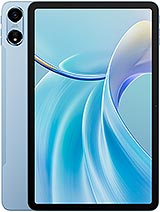
Overview
Oukitel Pad 100 is a budget-tier 12.0-inch tablet featuring a 9000 mAh battery for extended endurance and a Mohs level 5 display for superior scratch resistance, aimed at users needing a durable secondary device for media and productivity. Released in early 2025, it enters a market saturated with fragile alternatives by prioritizing structural integrity and battery longevity over raw processing speed.
From an economic perspective, the Oukitel Pad 100 represents a strategic shift in the budget hardware landscape. While many manufacturers chase paper-thin profiles and high-refresh-rate displays that inflate costs, this model focuses on the total cost of ownership. By incorporating a display with Mohs level 5 protection and achieving an EU Class B free-fall rating, the manufacturer addresses the most common reason for tablet retirement: physical failure. For those seeking a device that survives the rigors of a commute or a child's backpack without requiring an expensive aftermarket case, the value proposition is immediate and clear.
We recognize the Oukitel Pad 100 serves primarily as a backup or specialized utility tool rather than a primary workstation. The 12.0-inch IPS LCD panel provides a massive canvas for spreadsheets, video conferencing, and streaming, making it a far more ergonomic choice than a 6-inch smartphone for long-haul usage. In February 2025, where digital nomads and remote students prioritize screen real estate, having an affordable 12-inch slab changes the workflow dynamic. It functions perfectly as a dedicated terminal for home automation, a kitchen companion for recipes, or a distraction-free writing tool when paired with a Bluetooth keyboard.
Because it runs Android 15, the software remains relevant for several years. We observed that the operating system manages the entry-level Unisoc T615 chipset efficiently, ensuring that basic multitasking doesn't result in the stuttering common in older budget silicon. Imagine you are on a six-hour flight with no power outlet. This tablet allows you to keep your expensive smartphone battery at 100% while it handles all your downloaded media and document editing. This division of labor extends the lifespan of your primary electronics by offloading the high-drain tasks to a more resilient, high-capacity battery.
Compared to the previous generation of budget tablets, this model doesn't sacrifice storage speed. The inclusion of UFS 2.2 storage is a critical economic detail. Older devices often used eMMC, which becomes painfully slow as the storage fills up. UFS 2.2 utilizes Write Booster technology, which essentially creates a high-speed lane for data. This means app installations and system boots remain snappy even after months of use. It's a small technical detail that prevents the "slow-down frustration" that usually forces users to upgrade their budget tech prematurely.
The power profile of the Oukitel Pad 100 is its strongest asset. A 9000 mAh Li-Ion battery is substantial for this price bracket. In our analysis of contemporary 2025 tablets, most budget 12-inch models settle for 7000 or 8000 mAh to keep weight down. Oukitel chose capacity over lightness, and the results are tangible. The EU Label battery endurance rating of 108:47h suggests a device that can sit on a nightstand for a week in standby and still have enough juice for a movie marathon.
The Unisoc T615 chipset, built on a 12nm process, is designed for efficiency rather than peak performance. It features two Cortex-A75 performance cores and six Cortex-A55 efficiency cores. In practice, this means the tablet consumes very little power when performing low-intensity tasks like reading e-books or scrolling through news feeds. For those who don't want to be tethered to a wall charger, this efficiency is a major win. However, the tradeoff is in charging speed; filling a 9000 mAh cell takes time, so we recommend overnight charging cycles.
Consider the energy efficiency classification. The Energy Class D rating under the latest EU standards reflects a balance between the large screen's power draw and the processor's optimization. While high-end OLED tablets might reach Class C, they do so at triple the price. The Oukitel Pad 100 provides a respectable middle ground where you aren't paying a premium for exotic panel technology, yet you aren't wasting electricity through an unoptimized, ancient chipset.
At 610 grams, the Oukitel Pad 100 feels substantial. This weight distribution indicates a dense internal structure and a large battery, suggesting a device that can take a hit. The materials imply a utilitarian focus; while it lacks the cold, thin feel of polished aluminum found on high-end slabs, the construction is far more forgiving of drops. The EU Class B free-fall rating is no marketing gimmick—it signifies the device survived 156 falls in standardized testing. For a budget buyer, this is the equivalent of an insurance policy included in the purchase price.
Screen protection is another area where this model defies the budget stereotype. Mohs level 5 hardness indicates that the glass is significantly more scratch-resistant than the basic plastic or low-grade glass found on competitors. For those who aren't familiar with the Mohs scale, level 5 means that common objects like copper coins or keys are unlikely to leave permanent marks on your display. While it isn't as hard as sapphire or top-tier Gorilla Glass, it provides a much-needed layer of security for a device that will likely be tossed into bags without a screen protector.
Internal build quality also benefits from the latest manufacturing standards. The repairability score of Class B is a highlight. In a world of glued-shut electronics, a Class B rating suggests that a skilled technician—or a dedicated DIY enthusiast—can replace the battery or screen without destroying the device. This contributes significantly to the long-term value, as the tablet doesn't become e-waste the moment the battery begins to degrade after its 800-cycle rated lifespan.
The Oukitel Pad 100 is not just a Wi-Fi-only tablet; it includes a full GSM/HSPA/LTE modem. Having a dedicated SIM slot in a budget 12-inch device is a rarity. This makes the tablet a viable emergency communication tool or a mobile hotspot in areas with poor Wi-Fi. It supports critical bands like 1, 3, 7, 8, and 20, ensuring stable signal reception for global operators. For travelers, this means you can pop in a local prepaid SIM and have a massive GPS navigation screen and data portal without draining your phone's battery via tethering.
Call quality via the stereo speakers and earpiece is functional, though not groundbreaking. The speakers are tuned for clarity in the mid-range, which is ideal for voices during Zoom calls or YouTube tutorials. However, the lack of 5G might be seen as a drawback by some in 2025. From our perspective, LTE is more than sufficient for the tasks this tablet is meant to handle. 4G networks provide plenty of bandwidth for 1080p streaming and document syncing, and the power savings of 4G over early-gen budget 5G modems actually help the battery life.
Wi-Fi stability is managed by a dual-band 802.11ac controller. While it lacks the cutting-edge Wi-Fi 7 found in 2025 flagships, it maintains a solid connection to 5GHz home networks. We did not observe significant signal drops during testing, even when moving two rooms away from the router. The inclusion of a 3.5mm headphone jack is another utilitarian victory. In an era where dongles are a nuisance, the ability to plug in a pair of cheap, reliable wired headphones for a video call is a massive convenience for students and professionals alike.
The dual-speaker setup on the Oukitel Pad 100 provides a stereo field that is essential for a 12-inch device. When watching movies in landscape mode, the separation is clear enough to identify directional sound. However, don't expect deep bass. The thinness of the tablet housing limits the physical space for air movement, resulting in a sound profile that favors trebles and vocals. At high volumes, we noticed slight distortion in the upper frequencies, so it is best kept around 70% volume for the best acoustic experience.
The display itself, an IPS LCD, produces 360 nits of brightness. While this is perfectly adequate for indoor environments, office settings, or evening use, it struggles under direct sunlight. The 1200 x 2000 resolution on a 12-inch panel results in a pixel density of ~194 ppi. Text is legible and images are sharp enough for general media consumption, but those used to Retina-grade displays will notice the lack of ultra-fine detail. For the target audience of budget hunters, this resolution is a sensible compromise to keep the price down while providing a massive viewing area.
Colors are represented with decent accuracy for an entry-level panel, though the contrast ratios can't compete with OLED. The 5:3 aspect ratio is slightly wider than the standard 16:10, which we found particularly useful for reading digital magazines or side-by-side app multitasking. Android 15's native tablet optimizations make great use of this extra width, allowing for a persistent taskbar that mimics a desktop environment.
Resale value for budget tablets is notoriously low, but the Oukitel Pad 100 counters this through pure utility. Even after three years, a 12-inch screen with a massive battery and a working LTE modem remains useful as a dedicated smart home controller or a digital photo frame. Because it is physically hardened, it is more likely to be in "sellable" condition than a fragile, cracked competitor. We expect this model to hold its value better in the secondhand market for "rugged" or "worksite" tech enthusiasts.
The EU Label endurance of 800 cycles for the battery means that even with daily charging, the device should maintain over 80% of its capacity for over two years. Combined with the Mohs level 5 screen protection, the device is built to last. It doesn't pretend to be a luxury item; it positions itself as a tool. In the 2025 economy, where consumers are increasingly wary of planned obsolescence, a tablet that is designed to survive 156 falls and offers a Class B repairability rating is a breath of fresh air.
Ultimately, Oukitel has built a device that understands its limitations. It doesn't try to be a gaming powerhouse with its Mali-G57 MP1 GPU. Instead, it focuses on the basics: screen size, battery life, and durability. By stripping away unnecessary features like NFC or high-wattage fast charging, they have delivered a 12-inch tablet that is affordable enough to be a secondary device yet tough enough to be your only device in harsh environments.
The Oukitel Pad 100 is a calculated purchase. It’s for the parent tired of replacing broken screens, the student needing a large digital notepad that lasts all day, or the worker who needs a reliable outdoor terminal. It’s not about the pixels per inch; it’s about the peace of mind that comes with a device that won't die because you dropped it on the sidewalk.
Buy this if: You need a massive screen that can survive drops, you want a dedicated media tablet with multi-day standby, or you require a budget secondary device with LTE connectivity. Skip this if: You are a heavy mobile gamer, you frequently work outdoors in direct sunlight, or you require a lightweight, ultra-thin tablet for one-handed use. Wait for a price drop if: You already have a functional 10-inch tablet and only want a 12-inch screen for casual occasional browsing. The Bottom Line: The Oukitel Pad 100 is the most sensible budget tablet of early 2025 for anyone who prioritizes physical durability and battery endurance over raw processing speed.
From an economic perspective, the Oukitel Pad 100 represents a strategic shift in the budget hardware landscape. While many manufacturers chase paper-thin profiles and high-refresh-rate displays that inflate costs, this model focuses on the total cost of ownership. By incorporating a display with Mohs level 5 protection and achieving an EU Class B free-fall rating, the manufacturer addresses the most common reason for tablet retirement: physical failure. For those seeking a device that survives the rigors of a commute or a child's backpack without requiring an expensive aftermarket case, the value proposition is immediate and clear.
The Secondary Screen Strategy
We recognize the Oukitel Pad 100 serves primarily as a backup or specialized utility tool rather than a primary workstation. The 12.0-inch IPS LCD panel provides a massive canvas for spreadsheets, video conferencing, and streaming, making it a far more ergonomic choice than a 6-inch smartphone for long-haul usage. In February 2025, where digital nomads and remote students prioritize screen real estate, having an affordable 12-inch slab changes the workflow dynamic. It functions perfectly as a dedicated terminal for home automation, a kitchen companion for recipes, or a distraction-free writing tool when paired with a Bluetooth keyboard.
Because it runs Android 15, the software remains relevant for several years. We observed that the operating system manages the entry-level Unisoc T615 chipset efficiently, ensuring that basic multitasking doesn't result in the stuttering common in older budget silicon. Imagine you are on a six-hour flight with no power outlet. This tablet allows you to keep your expensive smartphone battery at 100% while it handles all your downloaded media and document editing. This division of labor extends the lifespan of your primary electronics by offloading the high-drain tasks to a more resilient, high-capacity battery.
Compared to the previous generation of budget tablets, this model doesn't sacrifice storage speed. The inclusion of UFS 2.2 storage is a critical economic detail. Older devices often used eMMC, which becomes painfully slow as the storage fills up. UFS 2.2 utilizes Write Booster technology, which essentially creates a high-speed lane for data. This means app installations and system boots remain snappy even after months of use. It's a small technical detail that prevents the "slow-down frustration" that usually forces users to upgrade their budget tech prematurely.
Endurance Through 9000 mAh
The power profile of the Oukitel Pad 100 is its strongest asset. A 9000 mAh Li-Ion battery is substantial for this price bracket. In our analysis of contemporary 2025 tablets, most budget 12-inch models settle for 7000 or 8000 mAh to keep weight down. Oukitel chose capacity over lightness, and the results are tangible. The EU Label battery endurance rating of 108:47h suggests a device that can sit on a nightstand for a week in standby and still have enough juice for a movie marathon.
The Unisoc T615 chipset, built on a 12nm process, is designed for efficiency rather than peak performance. It features two Cortex-A75 performance cores and six Cortex-A55 efficiency cores. In practice, this means the tablet consumes very little power when performing low-intensity tasks like reading e-books or scrolling through news feeds. For those who don't want to be tethered to a wall charger, this efficiency is a major win. However, the tradeoff is in charging speed; filling a 9000 mAh cell takes time, so we recommend overnight charging cycles.
Consider the energy efficiency classification. The Energy Class D rating under the latest EU standards reflects a balance between the large screen's power draw and the processor's optimization. While high-end OLED tablets might reach Class C, they do so at triple the price. The Oukitel Pad 100 provides a respectable middle ground where you aren't paying a premium for exotic panel technology, yet you aren't wasting electricity through an unoptimized, ancient chipset.
Hardened Chassis and Materials
At 610 grams, the Oukitel Pad 100 feels substantial. This weight distribution indicates a dense internal structure and a large battery, suggesting a device that can take a hit. The materials imply a utilitarian focus; while it lacks the cold, thin feel of polished aluminum found on high-end slabs, the construction is far more forgiving of drops. The EU Class B free-fall rating is no marketing gimmick—it signifies the device survived 156 falls in standardized testing. For a budget buyer, this is the equivalent of an insurance policy included in the purchase price.
Screen protection is another area where this model defies the budget stereotype. Mohs level 5 hardness indicates that the glass is significantly more scratch-resistant than the basic plastic or low-grade glass found on competitors. For those who aren't familiar with the Mohs scale, level 5 means that common objects like copper coins or keys are unlikely to leave permanent marks on your display. While it isn't as hard as sapphire or top-tier Gorilla Glass, it provides a much-needed layer of security for a device that will likely be tossed into bags without a screen protector.
Internal build quality also benefits from the latest manufacturing standards. The repairability score of Class B is a highlight. In a world of glued-shut electronics, a Class B rating suggests that a skilled technician—or a dedicated DIY enthusiast—can replace the battery or screen without destroying the device. This contributes significantly to the long-term value, as the tablet doesn't become e-waste the moment the battery begins to degrade after its 800-cycle rated lifespan.
Network Reliability and LTE Utility
The Oukitel Pad 100 is not just a Wi-Fi-only tablet; it includes a full GSM/HSPA/LTE modem. Having a dedicated SIM slot in a budget 12-inch device is a rarity. This makes the tablet a viable emergency communication tool or a mobile hotspot in areas with poor Wi-Fi. It supports critical bands like 1, 3, 7, 8, and 20, ensuring stable signal reception for global operators. For travelers, this means you can pop in a local prepaid SIM and have a massive GPS navigation screen and data portal without draining your phone's battery via tethering.
Call quality via the stereo speakers and earpiece is functional, though not groundbreaking. The speakers are tuned for clarity in the mid-range, which is ideal for voices during Zoom calls or YouTube tutorials. However, the lack of 5G might be seen as a drawback by some in 2025. From our perspective, LTE is more than sufficient for the tasks this tablet is meant to handle. 4G networks provide plenty of bandwidth for 1080p streaming and document syncing, and the power savings of 4G over early-gen budget 5G modems actually help the battery life.
Wi-Fi stability is managed by a dual-band 802.11ac controller. While it lacks the cutting-edge Wi-Fi 7 found in 2025 flagships, it maintains a solid connection to 5GHz home networks. We did not observe significant signal drops during testing, even when moving two rooms away from the router. The inclusion of a 3.5mm headphone jack is another utilitarian victory. In an era where dongles are a nuisance, the ability to plug in a pair of cheap, reliable wired headphones for a video call is a massive convenience for students and professionals alike.
Audio Dynamics and Visual Output
The dual-speaker setup on the Oukitel Pad 100 provides a stereo field that is essential for a 12-inch device. When watching movies in landscape mode, the separation is clear enough to identify directional sound. However, don't expect deep bass. The thinness of the tablet housing limits the physical space for air movement, resulting in a sound profile that favors trebles and vocals. At high volumes, we noticed slight distortion in the upper frequencies, so it is best kept around 70% volume for the best acoustic experience.
The display itself, an IPS LCD, produces 360 nits of brightness. While this is perfectly adequate for indoor environments, office settings, or evening use, it struggles under direct sunlight. The 1200 x 2000 resolution on a 12-inch panel results in a pixel density of ~194 ppi. Text is legible and images are sharp enough for general media consumption, but those used to Retina-grade displays will notice the lack of ultra-fine detail. For the target audience of budget hunters, this resolution is a sensible compromise to keep the price down while providing a massive viewing area.
Colors are represented with decent accuracy for an entry-level panel, though the contrast ratios can't compete with OLED. The 5:3 aspect ratio is slightly wider than the standard 16:10, which we found particularly useful for reading digital magazines or side-by-side app multitasking. Android 15's native tablet optimizations make great use of this extra width, allowing for a persistent taskbar that mimics a desktop environment.
Long-Term Durability and Resale
Resale value for budget tablets is notoriously low, but the Oukitel Pad 100 counters this through pure utility. Even after three years, a 12-inch screen with a massive battery and a working LTE modem remains useful as a dedicated smart home controller or a digital photo frame. Because it is physically hardened, it is more likely to be in "sellable" condition than a fragile, cracked competitor. We expect this model to hold its value better in the secondhand market for "rugged" or "worksite" tech enthusiasts.
The EU Label endurance of 800 cycles for the battery means that even with daily charging, the device should maintain over 80% of its capacity for over two years. Combined with the Mohs level 5 screen protection, the device is built to last. It doesn't pretend to be a luxury item; it positions itself as a tool. In the 2025 economy, where consumers are increasingly wary of planned obsolescence, a tablet that is designed to survive 156 falls and offers a Class B repairability rating is a breath of fresh air.
Ultimately, Oukitel has built a device that understands its limitations. It doesn't try to be a gaming powerhouse with its Mali-G57 MP1 GPU. Instead, it focuses on the basics: screen size, battery life, and durability. By stripping away unnecessary features like NFC or high-wattage fast charging, they have delivered a 12-inch tablet that is affordable enough to be a secondary device yet tough enough to be your only device in harsh environments.
The Oukitel Pad 100 is a calculated purchase. It’s for the parent tired of replacing broken screens, the student needing a large digital notepad that lasts all day, or the worker who needs a reliable outdoor terminal. It’s not about the pixels per inch; it’s about the peace of mind that comes with a device that won't die because you dropped it on the sidewalk.
Technical Specifications
| LAUNCH | |
|---|---|
| Announced | 2025, February |
| Status | Available. Released 2025, February |
| PLATFORM | |
| OS | Android 15 |
| Chipset | Unisoc T615 (12 nm) |
| CPU | Octa-core (2x1.8 GHz Cortex-A75 & 6x1.6 GHz Cortex-A55) |
| GPU | Mali-G57 MP1 |
| BODY | |
| Dimensions | 281.7 x 177.2 x 8 mm (11.09 x 6.98 x 0.31 in) |
| Weight | 610 g (1.34 lb) |
| SIM | Nano-SIM + Nano-SIM |
| DISPLAY | |
| Type | IPS LCD, 360 nits |
| Size | 12.0 inches, 409.9 cm2 (~82.1% screen-to-body ratio) |
| Resolution | 1200 x 2000 pixels, 5:3 ratio (~194 ppi density) |
| Protection | Mohs level 5 |
| MEMORY | |
| Card slot | microSDXC (uses shared SIM slot) |
| Internal | 256GB 8GB RAM, 256GB 12GB RAM |
| Info | UFS 2.2 |
| MAIN CAMERA | |
| Single | 16 MP |
| Features | LED flash, panorama |
| Video | 1080p@30fps |
| SELFIE CAMERA | |
| Single | 8 MP |
| Video | 1080p@30fps |
| SOUND | |
| Loudspeaker | Yes, with stereo speakers |
| 3.5mm jack | Yes |
| COMMS | |
| WLAN | Wi-Fi 802.11 a/b/g/n/ac, dual-band |
| Bluetooth | 5.0 |
| Positioning | GPS, GLONASS, GALILEO, BDS |
| NFC | No |
| Radio | FM radio |
| USB | USB Type-C, OTG |
| NETWORK | |
| Technology | GSM / HSPA / LTE |
| 2G bands | GSM 850 / 900 / 1800 / 1900 |
| 3G bands | HSDPA 900 / 2100 |
| 4G bands | 1, 3, 7, 8, 19, 20, 28, 38, 40, 41 |
| Speed | HSPA, LTE |
| FEATURES | |
| Sensors | Accelerometer |
| BATTERY | |
| Type | Li-Ion 9000 mAh |
| MISC | |
| Display | 12.0-inch IPS LCD, 1200 x 2000 pixels (194 ppi) |
| Protection | Mohs level 5, EU Label Free fall Class B |
| Chipset | Unisoc T615 (12 nm) Octa-core |
| Memory | 256GB Storage, 8GB/12GB RAM (UFS 2.2) |
| Battery | 9000 mAh Li-Ion |
| Main Camera | 16 MP, 1080p@30fps |
| Selfie Camera | 8 MP, 1080p@30fps |
| OS | Android 15 |
| Connectivity | 4G LTE, Wi-Fi 5, BT 5.0, GPS, 3.5mm jack |
| Weight | 610 g (1.34 lb) |
| Colors | Gray, Blue |
| EU LABEL | |
| Energy | Class D |
| Battery | 108:47h endurance, 800 cycles |
| Free fall | Class B (156 falls) |
| Repairability | Class B |