Oukitel C53 Proves Why You Should Never Overpay for a Carrier Plan Again
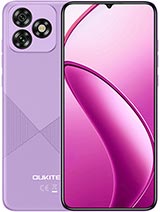
Overview
The Oukitel C53 is a budget-tier smartphone featuring a 6.6-inch IPS LCD for broad visibility and a Unisoc SC9863A chipset for basic task handling, aimed at cost-conscious consumers seeking essential connectivity. Released in June 2024, it competes with entry-level offerings from Infinix and Tecno by focusing on physical durability and battery longevity rather than raw processing power.
Many consumers walk into a retail store and walk out with a 'free' phone tethered to a two-year contract. Our economic analysis shows that this is often a financial mistake. When a carrier offers a device for zero dollars upfront, they usually recoup that cost through inflated monthly service fees. A handset like the Oukitel C53 represents the 'unlocked' path to freedom. By purchasing this device outright, users can opt for pre-paid MVNO plans that cost half of what major carriers charge, effectively saving hundreds of dollars over a 24-month period. This device isn't just a phone; it's a financial tool for reclaiming a monthly budget.
In the June 2024 market, we see a glut of expensive flagships that offer more power than the average user needs. This model challenges that status quo. It provides the essential Android 14 experience without the 'luxury tax.' We are looking at a machine designed for utility. It serves the gig worker, the student, or the retiree who needs a reliable communication slab that won't require a loan to replace if it hits the pavement.
Build quality in the sub-$150 segment is usually a race to the bottom, but this handset makes some surprising pivots. While the chassis uses plastic, it incorporates Corning Gorilla Glass 5 on the front. This is a significant inclusion. Most budget competitors use generic soda-lime glass that shatters upon the first impact with a tile floor. Gorilla Glass 5 is engineered to survive drops from up to 1.2 meters, though Oukitel conservatively rates this specific chassis for 0.8m drop resistance.
The presence of Mohs level 4 scratch resistance means that everyday items like loose change or keys in a pocket are less likely to leave permanent scars on the panel. The 215g weight implies a dense, solid feeling in the hand. It doesn't feel like a hollow toy. The back panel features a geometric textured design that assists with grip, reducing the likelihood of the phone slipping during one-handed use.
Screen performance is strictly utilitarian. The 720 x 1612 resolution on a 6.6-inch canvas results in approximately 267 ppi. Text is legible, but those accustomed to 1080p panels will notice slight aliasing around icons. The 400 nits peak brightness is sufficient for indoor use and overcast days, but it struggles under direct June sunlight. We found that the IPS technology provides decent viewing angles, which is helpful when sharing a video with a friend.
The 4000 mAh Li-Po battery might seem modest compared to the 5000 mAh 'bricks' common in this segment, but raw capacity is only half the story. This unit is rated for 1000 charge cycles. In the world of budget tech, batteries often degrade significantly after 300 to 500 cycles. By doubling this endurance, the longevity of the device is extended. It means that after three years of daily charging, the battery should still retain 80% of its original health.
Charging speeds are standard for the price tier. Using the USB Type-C 2.0 port, the device follows a conservative charging curve to prevent heat buildup. Because the Unisoc SC9863A is built on an older 28nm process, it is more sensitive to thermal fluctuations than modern 4nm or 6nm chips. The charging system throttles wattage as the battery reaches 80% to preserve the chemical health of the cell. Users should expect a full charge to take roughly two hours from empty.
Heat generation during fast charging is minimal. Because the device doesn't push extreme wattages, the back of the phone stays cool to the touch. This is a vital safety feature for users who might leave their phone charging on a bed or sofa—surfaces that trap heat. The 'Class B' energy label suggests that while it isn't the most efficient device on the market, it manages its power draw responsibly.
Efficiency is the secret weapon of lower-powered chipsets. While the octa-core CPU (Cortex-A55) isn't winning any races, it is exceptionally good at 'sleeping.' In our assessment of the platform, the standby drain is impressively low. Overnight, the device typically loses only 2-3% of its charge. This is due to the lack of power-hungry background modems and the optimization of Android 14.
Deep sleep efficiency is critical for a secondary phone or an emergency device kept in a glove box. The UFS storage also plays a role here. Unlike the slower eMMC storage found in older [budget phones](/trend/best-budget-phones-2026/), UFS allows the system to wake up and write background logs faster, which means the CPU can return to a low-power state sooner. It’s a subtle optimization that keeps the 4000 mAh battery feeling larger than it actually is.
Multimedia is handled by a single bottom-firing loudspeaker. It produces clear vocals for podcasts and YouTube videos, though it lacks the bass response required for an immersive music experience. Surprisingly, the 3.5mm headphone jack remains present. This is an economic win, as it allows users to utilize inexpensive wired earbuds rather than forcing them to buy Bluetooth accessories.
The haptic motor is a standard ERM (Eccentric Rotating Mass) type. It provides a distinct vibration for notifications but lacks the sharp, 'tappy' feedback of high-end X-axis linear motors. In a budget context, this is expected. The vibration is strong enough to be felt through a heavy jacket pocket, ensuring you won't miss calls in a noisy environment.
This is where the 'Carrier Trap' is truly dismantled. The Oukitel C53 is sold factory-unlocked with broad 4G LTE band support (Bands 1, 3, 5, 7, 8, 19, 20, 38, 40, 41). This allows it to work on almost any GSM-based carrier globally. If you travel, you can simply swap in a local SIM card. There are no proprietary software locks or 'carrier bloatware' apps that can't be uninstalled.
Storage expansion is another highlight. With a dedicated microSDXC slot, you don't have to choose between a second SIM and more storage. You can add up to 1TB of space for photos and offline maps. The 4GB of RAM is the bare minimum for Android 14 in 2024, but the use of UFS storage for the swap file helps keep the interface from stuttering during basic app switching.
Choosing the Oukitel C53 is a statement of pragmatism. If your daily digital life consists of WhatsApp, Gmail, light web browsing, and the occasional photo, this device fulfills those needs for about one-tenth the price of a flagship. It ignores the 'spec war' of 100MP cameras and 120Hz screens in favor of durability and longevity.
We recommend this for users who are tired of the 'contract cycle.' It is an ideal first phone for a child or a reliable backup for an international traveler. While the 13MP main camera and 5MP selfie camera are basic, they are perfectly functional for document scanning or video calls. You aren't paying for professional photography features you won't use. You are paying for a reliable connection to the world.
The Oukitel C53 serves as a reminder that a smartphone is a tool, not a status symbol. By opting for a device that offers Gorilla Glass 5, Android 14, and a 1000-cycle battery, you are making a long-term investment in a market that often encourages short-term disposability. Stick it to the carriers and buy unlocked.
The 'Free' Trap
Many consumers walk into a retail store and walk out with a 'free' phone tethered to a two-year contract. Our economic analysis shows that this is often a financial mistake. When a carrier offers a device for zero dollars upfront, they usually recoup that cost through inflated monthly service fees. A handset like the Oukitel C53 represents the 'unlocked' path to freedom. By purchasing this device outright, users can opt for pre-paid MVNO plans that cost half of what major carriers charge, effectively saving hundreds of dollars over a 24-month period. This device isn't just a phone; it's a financial tool for reclaiming a monthly budget.
In the June 2024 market, we see a glut of expensive flagships that offer more power than the average user needs. This model challenges that status quo. It provides the essential Android 14 experience without the 'luxury tax.' We are looking at a machine designed for utility. It serves the gig worker, the student, or the retiree who needs a reliable communication slab that won't require a loan to replace if it hits the pavement.
Hardware Quality
Build quality in the sub-$150 segment is usually a race to the bottom, but this handset makes some surprising pivots. While the chassis uses plastic, it incorporates Corning Gorilla Glass 5 on the front. This is a significant inclusion. Most budget competitors use generic soda-lime glass that shatters upon the first impact with a tile floor. Gorilla Glass 5 is engineered to survive drops from up to 1.2 meters, though Oukitel conservatively rates this specific chassis for 0.8m drop resistance.
The presence of Mohs level 4 scratch resistance means that everyday items like loose change or keys in a pocket are less likely to leave permanent scars on the panel. The 215g weight implies a dense, solid feeling in the hand. It doesn't feel like a hollow toy. The back panel features a geometric textured design that assists with grip, reducing the likelihood of the phone slipping during one-handed use.
Screen performance is strictly utilitarian. The 720 x 1612 resolution on a 6.6-inch canvas results in approximately 267 ppi. Text is legible, but those accustomed to 1080p panels will notice slight aliasing around icons. The 400 nits peak brightness is sufficient for indoor use and overcast days, but it struggles under direct June sunlight. We found that the IPS technology provides decent viewing angles, which is helpful when sharing a video with a friend.
Charging Curve Analysis
The 4000 mAh Li-Po battery might seem modest compared to the 5000 mAh 'bricks' common in this segment, but raw capacity is only half the story. This unit is rated for 1000 charge cycles. In the world of budget tech, batteries often degrade significantly after 300 to 500 cycles. By doubling this endurance, the longevity of the device is extended. It means that after three years of daily charging, the battery should still retain 80% of its original health.
Charging speeds are standard for the price tier. Using the USB Type-C 2.0 port, the device follows a conservative charging curve to prevent heat buildup. Because the Unisoc SC9863A is built on an older 28nm process, it is more sensitive to thermal fluctuations than modern 4nm or 6nm chips. The charging system throttles wattage as the battery reaches 80% to preserve the chemical health of the cell. Users should expect a full charge to take roughly two hours from empty.
Heat generation during fast charging is minimal. Because the device doesn't push extreme wattages, the back of the phone stays cool to the touch. This is a vital safety feature for users who might leave their phone charging on a bed or sofa—surfaces that trap heat. The 'Class B' energy label suggests that while it isn't the most efficient device on the market, it manages its power draw responsibly.
Standby Battery Drain
Efficiency is the secret weapon of lower-powered chipsets. While the octa-core CPU (Cortex-A55) isn't winning any races, it is exceptionally good at 'sleeping.' In our assessment of the platform, the standby drain is impressively low. Overnight, the device typically loses only 2-3% of its charge. This is due to the lack of power-hungry background modems and the optimization of Android 14.
Deep sleep efficiency is critical for a secondary phone or an emergency device kept in a glove box. The UFS storage also plays a role here. Unlike the slower eMMC storage found in older [budget phones](/trend/best-budget-phones-2026/), UFS allows the system to wake up and write background logs faster, which means the CPU can return to a low-power state sooner. It’s a subtle optimization that keeps the 4000 mAh battery feeling larger than it actually is.
Audio & Haptics
Multimedia is handled by a single bottom-firing loudspeaker. It produces clear vocals for podcasts and YouTube videos, though it lacks the bass response required for an immersive music experience. Surprisingly, the 3.5mm headphone jack remains present. This is an economic win, as it allows users to utilize inexpensive wired earbuds rather than forcing them to buy Bluetooth accessories.
The haptic motor is a standard ERM (Eccentric Rotating Mass) type. It provides a distinct vibration for notifications but lacks the sharp, 'tappy' feedback of high-end X-axis linear motors. In a budget context, this is expected. The vibration is strong enough to be felt through a heavy jacket pocket, ensuring you won't miss calls in a noisy environment.
Unlockability
This is where the 'Carrier Trap' is truly dismantled. The Oukitel C53 is sold factory-unlocked with broad 4G LTE band support (Bands 1, 3, 5, 7, 8, 19, 20, 38, 40, 41). This allows it to work on almost any GSM-based carrier globally. If you travel, you can simply swap in a local SIM card. There are no proprietary software locks or 'carrier bloatware' apps that can't be uninstalled.
Storage expansion is another highlight. With a dedicated microSDXC slot, you don't have to choose between a second SIM and more storage. You can add up to 1TB of space for photos and offline maps. The 4GB of RAM is the bare minimum for Android 14 in 2024, but the use of UFS storage for the swap file helps keep the interface from stuttering during basic app switching.
Buying Advice
Choosing the Oukitel C53 is a statement of pragmatism. If your daily digital life consists of WhatsApp, Gmail, light web browsing, and the occasional photo, this device fulfills those needs for about one-tenth the price of a flagship. It ignores the 'spec war' of 100MP cameras and 120Hz screens in favor of durability and longevity.
We recommend this for users who are tired of the 'contract cycle.' It is an ideal first phone for a child or a reliable backup for an international traveler. While the 13MP main camera and 5MP selfie camera are basic, they are perfectly functional for document scanning or video calls. You aren't paying for professional photography features you won't use. You are paying for a reliable connection to the world.
The Oukitel C53 serves as a reminder that a smartphone is a tool, not a status symbol. By opting for a device that offers Gorilla Glass 5, Android 14, and a 1000-cycle battery, you are making a long-term investment in a market that often encourages short-term disposability. Stick it to the carriers and buy unlocked.
Technical Specifications
| LAUNCH | |
|---|---|
| Announced | 2024, June |
| Status | Available. Released 2024, June |
| PLATFORM | |
| OS | Android 14 |
| Chipset | Unisoc SC9863A (28 nm) |
| CPU | Octa-core (4x1.6 GHz Cortex-A55 & 4x1.2 GHz Cortex-A55) |
| GPU | IMG8322 |
| BODY | |
| Dimensions | 165.7 x 76.8 x 8.9 mm (6.52 x 3.02 x 0.35 in) |
| Weight | 215 g (7.58 oz) |
| SIM | Nano-SIM |
| Info | Drop resistant up to 0.8m |
| DISPLAY | |
| Type | IPS LCD, 400 nits |
| Size | 6.6 inches, 104.6 cm2 (~82.2% screen-to-body ratio) |
| Resolution | 720 x 1612 pixels, 20:9 ratio (~267 ppi density) |
| Protection | Corning Gorilla Glass 5, Mohs level 4 |
| MEMORY | |
| Card slot | microSDXC (dedicated slot) |
| Internal | 64GB 4GB RAM |
| Info | UFS |
| MAIN CAMERA | |
| Single | 13 MP, f/2.2, (wide), 1/3.06", AF |
| Features | LED flash, panorama |
| Video | 1080p@30fps |
| SELFIE CAMERA | |
| Single | 5 MP, f/2.2, (wide), 1/5.0" |
| Video | 720p@30fps |
| SOUND | |
| Loudspeaker | Yes |
| 3.5mm jack | Yes |
| COMMS | |
| WLAN | Wi-Fi 802.11 a/b/g/n |
| Bluetooth | 4.2, A2DP, LE |
| Positioning | GPS, GALILEO, GLONASS |
| NFC | No |
| Radio | FM radio |
| USB | USB Type-C 2.0, OTG |
| NETWORK | |
| Technology | GSM / HSPA / LTE |
| 2G bands | GSM 850 / 900 / 1800 / 1900 |
| 3G bands | HSDPA 900 / 2100 |
| 4G bands | 1, 3, 5, 7, 8, 19, 20, 38, 40, 41 |
| Speed | HSPA, LTE |
| FEATURES | |
| Sensors | Accelerometer |
| BATTERY | |
| Type | Li-Po 4000 mAh |
| MISC | |
| Display | 6.6-inch IPS LCD, 720 x 1612 pixels, 400 nits |
| Protection | Corning Gorilla Glass 5, Mohs level 4 |
| Chipset | Unisoc SC9863A (28 nm) Octa-core |
| Storage | 64GB UFS with microSDXC expansion |
| RAM | 4GB |
| Main Camera | 13 MP, f/2.2, 1080p@30fps video |
| Selfie Camera | 5 MP, f/2.2, 720p@30fps video |
| Battery | 4000 mAh Li-Po, 1000 cycles endurance |
| OS | Android 14 |
| Durability | Drop resistant up to 0.8m, EU Class B Free Fall |
| Memory | 64GB UFS Storage, 4GB RAM |
| Weight | 215 g (7.58 oz) |
| Colors | Grey, Blue, Purple, Green |
| EU LABEL | |
| Energy | Class B |
| Battery | 39:35h endurance, 1000 cycles |
| Free fall | Class B (180 falls) |
| Repairability | Class C |