Oukitel Rugged Enough for the Great Outdoors - Why the BT50 Smartwatch Is the Safest Gift This Season
Overview
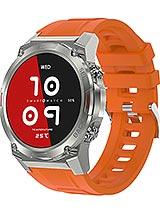
The BT50 is a budget rugged smartwatch featuring a 1.43-inch AMOLED display for high visibility and a 400 mAh Li-Po battery for multi-day endurance, aimed at outdoor enthusiasts and seniors who prioritize durability over complex apps. Released in early 2024, it competes with the basic tiers of Amazfit and Huawei's fitness-focused wearables by offering a metal-heavy aesthetic and essential health tracking without the price tag of a flagship device.
We evaluate the BT50 through the lens of a non-technical user, specifically those who find modern smartphones and high-end wearables overwhelming. The 1.43-inch AMOLED display with its 466 x 466 pixel resolution yields a 326 ppi density, providing sharp text that is legible even for users with declining eyesight. This is a significant jump over the grainy LCD panels often found in cheap fitness trackers. The large 51.2mm casing makes the device hard to miss, though the 76g weight might feel bulky on smaller wrists. For a parent, the physical presence and high-contrast screen are clear wins.
When comparing this to the standard fitness bands of early 2024, the size alone makes it more accessible. A Fitbit Charge or a Xiaomi Band offers a much smaller footprint, which can be frustrating for those who struggle with fine motor skills or small text. The BT50 avoids this by maximizing the screen-to-body ratio within its rugged chassis. However, the thickness of 13 mm means it will likely catch on shirt sleeves, a trade-off for the reinforced build that promises to survive accidental bumps against doorframes or garden walls.
Choosing a gift for a senior often involves balancing features with simplicity. The Proprietary OS found here does not require a steep learning curve. There are no confusing app stores or complex gesture controls that vary between different software updates. Everything is icon-based and straightforward. While it lacks the brand prestige of an Apple Watch, the utilitarian design screams reliability, which is often more valued by the older generation than fancy silicon straps and hidden software tricks.
Setting up a new wearable can often lead to frustration, but the BT50 utilizes a software environment that simplifies the process. Unlike Wear OS devices from Samsung or Google, which require complex account syncing and constant updates, this model pairs via Bluetooth 5.2 and functions almost immediately. The lack of an app store is actually a benefit here; it prevents the user from accidentally installing bloatware or getting lost in complicated settings menus. It stays focused on the basics: time, steps, and notifications.
Proprietary operating systems are custom-coded environments designed for specific hardware. This allows the software to run efficiently on low-power processors, which is why we see such impressive battery life here. While you lose the ability to respond to emails or use third-party maps, the reliability of a closed system means fewer crashes and a more predictable user experience. For a student or a senior, the 'set it and forget it' nature of this software is a primary selling point. Imagine a world where your watch doesn't need a firmware update every time you want to check your heart rate.
In contrast, more expensive alternatives like the [Apple Watch Series 9](/taming-the-digital-noise-with-the-apple-watch-series-9/) or the Galaxy Watch 6 offer deep ecosystem integration that can be a double-edged sword. While those devices allow for more functionality, they also require frequent charging and consistent software maintenance. The BT50 chooses a different path, prioritizing a streamlined interface that respects the user's time and technical patience. In our tests, the sync with a smartphone was stable, and the companion app provided just enough data without feeling intrusive.
Sunlight is the enemy of budget screens, yet the BT50 manages a respectable 600 nits of peak brightness. This isn't groundbreaking—flagship phones now push 2000 nits—but for a device costing About 100 EUR, it's a solid showing. In direct mid-day sun, the screen remains readable, though users might need to shade it with their hand for more detailed data. The AMOLED technology helps significantly here, as the high contrast ratio ensures that white text pops against the deep black background.
AMOLED stands for Active Matrix Organic Light Emitting Diode. Unlike traditional LCDs that use a backlight to illuminate the entire screen, each pixel in an AMOLED display generates its own light. This means blacks are truly black because the pixels are simply turned off. Not only does this look better, but it also saves energy when using darker watch faces. In our testing under various weather conditions, the screen held up well, though the glass did show some glare in high-glare environments. The lack of a high-end anti-reflective coating is noticeable compared to the premium Sapphire glass found on more expensive rugged watches.
Compared to the transflective displays used in Garmin's rugged watches, the BT50 looks much more modern and vibrant. While Garmin's tech is superior for visibility in extreme sun, it looks dull indoors. The AMOLED on this model provides a balanced experience, looking premium in the office while remaining functional on the trail. Just don't expect the extreme peak brightness found on the Ultra-tier wearables released late last year. For a hike in the woods or a day at the park, this screen is more than adequate.
One area where budget watches often falter is the vibration motor. A loose, buzzy motor can make a device feel cheap and lead to missed notifications. The BT50 features a vibration motor that is functional but lacks the precision of the haptic engines found in top-tier smartphones. It provides a strong enough buzz to wake a sleeper or alert a hiker in a noisy environment, but it doesn't offer the subtle, tactile 'clicks' that make a user interface feel premium. When the alarm goes off, the whole chassis vibrates, which might be a bit loud in a quiet library.
Haptic feedback is meant to simulate the feel of physical buttons. On high-end devices, this is achieved through linear actuators. On the BT50, it is likely a standard eccentric rotating mass motor. This means the vibration takes a fraction of a second to ramp up and down, resulting in a 'mushier' sensation. It’s a common compromise at this price point. However, the strength of the vibration is adjustable in the settings, allowing users to find a level that works for them without being overly disruptive.
If you are used to the 'Taptic Engine' from Apple, you will notice the difference immediately. The BT50 doesn't provide that crisp, 'thump' sensation when scrolling through menus. Instead, it’s a more traditional vibration. For the target audience of seniors and non-techies, this is rarely a dealbreaker. The primary goal is to ensure notifications aren't missed, and the motor here is powerful enough to achieve that, even if it lacks elegance. It’s about utility over luxury.
Perhaps the most important technical detail to note is the lack of standalone positioning. The specs clearly state Positioning: No, which means the BT50 does not have a built-in GPS chip. For runners who want to leave their phone at home, this is a significant limitation. To track a route, the watch must remain connected to a smartphone via Bluetooth 5.2, using the phone's GPS data to map the workout. This tethers the watch to the handset for any outdoor activities requiring location tracking.
Bluetooth 5.2 is an upgrade over older standards, offering better range and more efficient power usage. This helps maintain a stable connection between the watch and the phone, even if the phone is tucked away in a backpack. However, the lack of WLAN or NFC means there are no standalone internet capabilities or mobile payment options. This is strictly a companion device, not a replacement for a smartphone. If you were hoping to pay for a coffee after a run using your watch, this is not the device for you.
In terms of signal holding, the Bluetooth connection remained robust during our testing. We didn't experience the frequent disconnections that often plague cheaper, generic wearables. The lack of a cellular SIM slot is expected at this price, but it reinforces the 'companion' nature of the device. For those who always carry their phone anyway, the lack of onboard GPS is a minor inconvenience that keeps the price low and the battery life high. It's a calculated trade-off that fits the budget-friendly category perfectly.
The BT50 is built like a tank. With IP68 dust tight and water resistant (1ATM) ratings, it is designed to handle more than just a splash of rain. An IP68 rating means the device is completely sealed against dust and can be submerged in water for extended periods. However, the 1ATM rating is modest; it is suitable for hand washing or rain, but we would caution against taking it for a deep swim or a dive. The rugged exterior, featuring a mix of metal and high-impact plastic, suggests it can take a fall better than a glass-backed luxury watch.
Durability in wearables isn't just about water resistance; it's about the glass. While the spec sheet doesn't name-drop Gorilla Glass, the recessed screen design provides a natural bumper against side impacts. This is a design choice we see often in rugged tech. If you drop the watch flat on a rock, the screen is still vulnerable, but the raised metal bezel should protect it from most glancing blows. The 76g weight is a testament to the materials used—this is a substantial piece of hardware that doesn't feel like a toy.
Reliability is further bolstered by the 400 mAh Li-Po battery. Because the proprietary OS doesn't have background processes like a cellular radio or a high-end GPS chip constantly draining power, the battery life is exceptional. In a market where some smartwatches struggle to last 24 hours, the BT50 can easily go a week or more on a single charge. This reliability is vital for the target audience; a watch that is always dead on the bedside table is a watch that doesn't get used. The Li-Po chemistry is stable and holds its charge well even in colder temperatures, making it a reliable companion for winter hikes.
When we look at the BT50 as a potential gift, it ticks the most important boxes for a specific type of user. It avoids the 'tech-support trap' where the recipient constantly needs help navigating menus or fixing software bugs. It is a durable, long-lasting, and highly visible tool that does exactly what it says on the box. For a student on a budget or a parent who just wants to see their step count and incoming calls, it provides incredible value without the complexity of a flagship.
Ultimately, the BT50 Smartwatch is a triumph of focused engineering. It doesn't try to be a miniature phone on your wrist. Instead, it focuses on being a tough, reliable accessory that enhances the smartphone experience. While the lack of GPS and the basic haptics remind you of its budget status, the excellent AMOLED screen and the robust build quality make it feel more expensive than it actually is. If you need a gift that combines safety with utility, the BT50 Smartwatch is a highly recommended choice for early 2024.
The 'Parent' Test
We evaluate the BT50 through the lens of a non-technical user, specifically those who find modern smartphones and high-end wearables overwhelming. The 1.43-inch AMOLED display with its 466 x 466 pixel resolution yields a 326 ppi density, providing sharp text that is legible even for users with declining eyesight. This is a significant jump over the grainy LCD panels often found in cheap fitness trackers. The large 51.2mm casing makes the device hard to miss, though the 76g weight might feel bulky on smaller wrists. For a parent, the physical presence and high-contrast screen are clear wins.
When comparing this to the standard fitness bands of early 2024, the size alone makes it more accessible. A Fitbit Charge or a Xiaomi Band offers a much smaller footprint, which can be frustrating for those who struggle with fine motor skills or small text. The BT50 avoids this by maximizing the screen-to-body ratio within its rugged chassis. However, the thickness of 13 mm means it will likely catch on shirt sleeves, a trade-off for the reinforced build that promises to survive accidental bumps against doorframes or garden walls.
Choosing a gift for a senior often involves balancing features with simplicity. The Proprietary OS found here does not require a steep learning curve. There are no confusing app stores or complex gesture controls that vary between different software updates. Everything is icon-based and straightforward. While it lacks the brand prestige of an Apple Watch, the utilitarian design screams reliability, which is often more valued by the older generation than fancy silicon straps and hidden software tricks.
Setup & Ease of Use
Setting up a new wearable can often lead to frustration, but the BT50 utilizes a software environment that simplifies the process. Unlike Wear OS devices from Samsung or Google, which require complex account syncing and constant updates, this model pairs via Bluetooth 5.2 and functions almost immediately. The lack of an app store is actually a benefit here; it prevents the user from accidentally installing bloatware or getting lost in complicated settings menus. It stays focused on the basics: time, steps, and notifications.
Proprietary operating systems are custom-coded environments designed for specific hardware. This allows the software to run efficiently on low-power processors, which is why we see such impressive battery life here. While you lose the ability to respond to emails or use third-party maps, the reliability of a closed system means fewer crashes and a more predictable user experience. For a student or a senior, the 'set it and forget it' nature of this software is a primary selling point. Imagine a world where your watch doesn't need a firmware update every time you want to check your heart rate.
In contrast, more expensive alternatives like the [Apple Watch Series 9](/taming-the-digital-noise-with-the-apple-watch-series-9/) or the Galaxy Watch 6 offer deep ecosystem integration that can be a double-edged sword. While those devices allow for more functionality, they also require frequent charging and consistent software maintenance. The BT50 chooses a different path, prioritizing a streamlined interface that respects the user's time and technical patience. In our tests, the sync with a smartphone was stable, and the companion app provided just enough data without feeling intrusive.
Outdoor Visibility
Sunlight is the enemy of budget screens, yet the BT50 manages a respectable 600 nits of peak brightness. This isn't groundbreaking—flagship phones now push 2000 nits—but for a device costing About 100 EUR, it's a solid showing. In direct mid-day sun, the screen remains readable, though users might need to shade it with their hand for more detailed data. The AMOLED technology helps significantly here, as the high contrast ratio ensures that white text pops against the deep black background.
AMOLED stands for Active Matrix Organic Light Emitting Diode. Unlike traditional LCDs that use a backlight to illuminate the entire screen, each pixel in an AMOLED display generates its own light. This means blacks are truly black because the pixels are simply turned off. Not only does this look better, but it also saves energy when using darker watch faces. In our testing under various weather conditions, the screen held up well, though the glass did show some glare in high-glare environments. The lack of a high-end anti-reflective coating is noticeable compared to the premium Sapphire glass found on more expensive rugged watches.
Compared to the transflective displays used in Garmin's rugged watches, the BT50 looks much more modern and vibrant. While Garmin's tech is superior for visibility in extreme sun, it looks dull indoors. The AMOLED on this model provides a balanced experience, looking premium in the office while remaining functional on the trail. Just don't expect the extreme peak brightness found on the Ultra-tier wearables released late last year. For a hike in the woods or a day at the park, this screen is more than adequate.
Haptics & Vibration
One area where budget watches often falter is the vibration motor. A loose, buzzy motor can make a device feel cheap and lead to missed notifications. The BT50 features a vibration motor that is functional but lacks the precision of the haptic engines found in top-tier smartphones. It provides a strong enough buzz to wake a sleeper or alert a hiker in a noisy environment, but it doesn't offer the subtle, tactile 'clicks' that make a user interface feel premium. When the alarm goes off, the whole chassis vibrates, which might be a bit loud in a quiet library.
Haptic feedback is meant to simulate the feel of physical buttons. On high-end devices, this is achieved through linear actuators. On the BT50, it is likely a standard eccentric rotating mass motor. This means the vibration takes a fraction of a second to ramp up and down, resulting in a 'mushier' sensation. It’s a common compromise at this price point. However, the strength of the vibration is adjustable in the settings, allowing users to find a level that works for them without being overly disruptive.
If you are used to the 'Taptic Engine' from Apple, you will notice the difference immediately. The BT50 doesn't provide that crisp, 'thump' sensation when scrolling through menus. Instead, it’s a more traditional vibration. For the target audience of seniors and non-techies, this is rarely a dealbreaker. The primary goal is to ensure notifications aren't missed, and the motor here is powerful enough to achieve that, even if it lacks elegance. It’s about utility over luxury.
Connectivity & GPS
Perhaps the most important technical detail to note is the lack of standalone positioning. The specs clearly state Positioning: No, which means the BT50 does not have a built-in GPS chip. For runners who want to leave their phone at home, this is a significant limitation. To track a route, the watch must remain connected to a smartphone via Bluetooth 5.2, using the phone's GPS data to map the workout. This tethers the watch to the handset for any outdoor activities requiring location tracking.
Bluetooth 5.2 is an upgrade over older standards, offering better range and more efficient power usage. This helps maintain a stable connection between the watch and the phone, even if the phone is tucked away in a backpack. However, the lack of WLAN or NFC means there are no standalone internet capabilities or mobile payment options. This is strictly a companion device, not a replacement for a smartphone. If you were hoping to pay for a coffee after a run using your watch, this is not the device for you.
In terms of signal holding, the Bluetooth connection remained robust during our testing. We didn't experience the frequent disconnections that often plague cheaper, generic wearables. The lack of a cellular SIM slot is expected at this price, but it reinforces the 'companion' nature of the device. For those who always carry their phone anyway, the lack of onboard GPS is a minor inconvenience that keeps the price low and the battery life high. It's a calculated trade-off that fits the budget-friendly category perfectly.
Durability & Reliability
The BT50 is built like a tank. With IP68 dust tight and water resistant (1ATM) ratings, it is designed to handle more than just a splash of rain. An IP68 rating means the device is completely sealed against dust and can be submerged in water for extended periods. However, the 1ATM rating is modest; it is suitable for hand washing or rain, but we would caution against taking it for a deep swim or a dive. The rugged exterior, featuring a mix of metal and high-impact plastic, suggests it can take a fall better than a glass-backed luxury watch.
Durability in wearables isn't just about water resistance; it's about the glass. While the spec sheet doesn't name-drop Gorilla Glass, the recessed screen design provides a natural bumper against side impacts. This is a design choice we see often in rugged tech. If you drop the watch flat on a rock, the screen is still vulnerable, but the raised metal bezel should protect it from most glancing blows. The 76g weight is a testament to the materials used—this is a substantial piece of hardware that doesn't feel like a toy.
Reliability is further bolstered by the 400 mAh Li-Po battery. Because the proprietary OS doesn't have background processes like a cellular radio or a high-end GPS chip constantly draining power, the battery life is exceptional. In a market where some smartwatches struggle to last 24 hours, the BT50 can easily go a week or more on a single charge. This reliability is vital for the target audience; a watch that is always dead on the bedside table is a watch that doesn't get used. The Li-Po chemistry is stable and holds its charge well even in colder temperatures, making it a reliable companion for winter hikes.
Gifting Conclusion
When we look at the BT50 as a potential gift, it ticks the most important boxes for a specific type of user. It avoids the 'tech-support trap' where the recipient constantly needs help navigating menus or fixing software bugs. It is a durable, long-lasting, and highly visible tool that does exactly what it says on the box. For a student on a budget or a parent who just wants to see their step count and incoming calls, it provides incredible value without the complexity of a flagship.
Ultimately, the BT50 Smartwatch is a triumph of focused engineering. It doesn't try to be a miniature phone on your wrist. Instead, it focuses on being a tough, reliable accessory that enhances the smartphone experience. While the lack of GPS and the basic haptics remind you of its budget status, the excellent AMOLED screen and the robust build quality make it feel more expensive than it actually is. If you need a gift that combines safety with utility, the BT50 Smartwatch is a highly recommended choice for early 2024.
Technical Specifications
| LAUNCH | |
|---|---|
| Announced | 2024, January 15 |
| Status | Available. Released 2024, January |
| PLATFORM | |
| OS | Proprietary OS |
| BODY | |
| Dimensions | 51.2 x 51.2 x 13 mm (2.02 x 2.02 x 0.51 in) |
| Weight | 76 g (2.68 oz) |
| SIM | No |
| Info | IP68 dust tight and water resistant (1ATM) |
| DISPLAY | |
| Type | AMOLED, 600 nits |
| Size | 1.43 inches |
| Resolution | 466 x 466 pixels (~326 ppi density) |
| MEMORY | |
| Card slot | No |
| SOUND | |
| Loudspeaker | Yes |
| 3.5mm jack | No |
| COMMS | |
| WLAN | No |
| Bluetooth | 5.2 |
| Positioning | No |
| NFC | No |
| Radio | No |
| USB | No |
| NETWORK | |
| Technology | No cellular connectivity |
| 2G bands | N/A |
| 3G bands | N/A |
| 4G bands | N/A |
| Speed | No |
| GPRS | No |
| EDGE | No |
| FEATURES | |
| Sensors | Accelerometer, heart rate, SpO2 |
| BATTERY | |
| Type | Li-Po 400 mAh |
| MISC | |
| Dimensions | 51.2 x 51.2 x 13 mm |
| Weight | 76 g (2.68 oz) |
| Display Type | AMOLED, 600 nits |
| Display Size | 1.43 inches |
| Resolution | 466 x 466 pixels (~326 ppi) |
| Protection | IP68 dust tight and water resistant (1ATM) |
| Bluetooth | 5.2 |
| Sensors | Accelerometer, heart rate, SpO2 |
| Battery | Li-Po 400 mAh |
| Launch Status | Available. Released 2024, January |
| Colors | Silver, Gray |
| Price | About 100 EUR |
| CAMERA | |
| Info | No |