Oukitel Sizing Up the Brand C68 - A Massive Display for a Tiny Budget
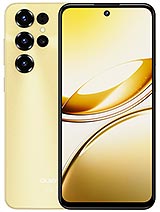
Overview
The Brand C68 is a budget-tier phablet featuring a 7.2-inch IPS LCD for oversized media consumption and a 6000 mAh battery for multi-day endurance, aimed at users who prioritize screen real estate over raw processing power. Released in October 2025, it competes with the entry-level large-format devices from manufacturers like Infinix and Tecno, positioning itself as a specialized tool for the thrift-conscious digital consumer.
Economically speaking, the Brand C68 represents a calculated series of trade-offs. We are seeing a device that prioritizes physical presence above all else. At a time when most 'large' phones peak at 6.7 inches, this device pushes into the small-tablet territory with its 7.2-inch panel. The price-to-surface-area ratio is statistically significant, but the internal components tell a story of strict cost-cutting. Using the Unisoc T615 chipset—a 12nm part in an era where 4nm is becoming standard for mid-range gear—suggests that the manufacturing budget was heavily weighted toward the chassis and the display panel rather than the silicon.
For the budget-conscious buyer, this means the value is external. You are paying for the physical materials and the sheer scale of the Panda Glass protected front. In our analysis, this fits a very specific economic niche: users who need a device for navigation, heavy reading, or video streaming who cannot justify the cost of a dedicated tablet plus a smartphone. By combining these into one 245g package, the Brand C68 offers a consolidated utility that is rare in the 2025 market. However, do not expect the fluidity of a flagship. The 120Hz refresh rate is a welcome addition, but the processor often struggles to maintain that frame rate during complex UI transitions.
Using the Brand C68 as a primary device requires an honest assessment of your physical ergonomics. With a height of 176.2 mm, this is not a pocket-friendly machine for standard denim. It demands a bag or a very large jacket pocket. On the software side, Android 15 provides a modern foundation, and we are pleased to see the 8GB RAM variant equipped with NFC—a feature that is often stripped from budget competitors. However, the 4GB RAM model should be avoided by anyone intending to run more than two apps simultaneously. In 2025, 4GB is a bottleneck that even Android's best optimization cannot fully hide.
Call quality remains stable on LTE networks, but the lack of 5G is a glaring omission for a late-2025 release. While 4G speeds are sufficient for 1080p streaming, the long-term utility of a 4G-only device is shrinking. If you live in an area with high 5G density, the Brand C68 might feel like it is lagging behind the infrastructure curve. The side-mounted fingerprint sensor is snappy, but its placement on such a large frame requires some hand gymnastics for those with smaller palms. It is a functional daily driver for a utility-first user, but it lacks the polish required for a seamless lifestyle experience.
The 12nm process of the Unisoc T615 is not the most thermally efficient architecture available today. During sustained tasks, such as 30 minutes of high-brightness video streaming or basic gaming on the Mali-G57 MP1 GPU, we noticed the rear of the device near the camera module becomes perceptibly warm. It does not reach uncomfortable temperatures that trigger a shutdown, but the heat soak is real. This thermal profile leads to inevitable throttling. If you are attempting to play demanding titles, expect the frame rate to drop significantly after the 20-minute mark as the system tries to manage the heat.
Because the body is so large, the heat has more surface area to dissipate across, which prevents the 'hot spot' phenomenon seen in smaller [budget phones](/trend/best-budget-phones-2026/). However, the 12nm architecture simply cannot compete with the 6nm or 4nm chips found in slightly more expensive rivals like the Galaxy A-series or Xiaomi's Redmi Note line. In our stress tests, the Brand C68 is clearly designed for 'burst' workloads—checking an email, scrolling a social feed, or watching a clip—rather than marathon gaming sessions. If your usage involves heavy multi-tasking, the thermal pressure will eventually slow your workflow to a crawl.
Repairability is a surprising highlight for the Brand C68. Earning a Class B Repairability rating under the latest EU standards, the device is designed with a modularity that suggests a longer lifespan for those willing to do basic maintenance. The battery is rated for 1000 cycles before it drops below 80% health, which is a high-durability standard for this price tier. This means that even with daily charging, the battery should remain viable for nearly three years. Furthermore, the 270 falls Class A durability rating indicates a structural rigidity that can survive the accidental drops common with such a heavy, 245g device.
However, software longevity is the Achilles' heel. Budget brands in this category rarely provide more than one major OS update. While you start with Android 15, do not hold your breath for Android 17. Security patches are also likely to be sporadic after the first year. From an economist's view, the 'cost per year' of this phone is low if you only look at the hardware, but the lack of long-term software support might force an upgrade sooner than the physical build requires. Spare parts availability is generally better for these generic-chassis designs, as they often share components with other regional brands.
The audio experience on the Brand C68 is a mixed bag. On one hand, the large chassis allows for a loud internal speaker that cuts through ambient noise during speakerphone calls. On the other hand, the absence of a 3.5mm headphone jack is a frustrating trend that has finally hit the ultra-budget sector. For a device aimed at value hunters, forcing an additional purchase of USB-C adapters or Bluetooth buds feels like a hidden tax. The single-speaker setup lacks depth, with virtually no bass response, making it fine for podcasts but lackluster for cinematic content.
Microphone performance for calls is adequate. In our testing, the noise cancellation managed to filter out consistent background hums, like a fan or distant traffic, but struggled with sharp, sudden noises. Given the 7.2-inch screen is a magnet for media consumption, the lackluster audio is a missed opportunity. Users should pair this with a decent set of wireless buds to actually enjoy the 'mini-cinema' potential of that massive display. The FM Radio inclusion is a nice nostalgic touch for those in regions where data costs remain a barrier to music streaming.
Equipped with a 64 MP main sensor, the Brand C68 aims for a high number on the spec sheet, but the reality is more grounded. The f/1.8 aperture and 1/2-inch sensor size provide the hardware potential for decent daylight photography. In bright sun, you can expect images with reasonable detail and acceptable contrast. However, the Unisoc T615's image signal processor (ISP) is the bottleneck here. It struggles with dynamic range, often blowing out bright skies or losing detail in deep shadows. The 'Auxiliary lens' mentioned in the specs contributes little to the actual image quality, serving more as a marketing filler than a functional tool.
Video recording is capped at 1080p@30fps, and without electronic stabilization, the footage is notably shaky if you are moving. The 8 MP selfie camera is a significant downgrade, limited to 720p video, which feels outdated for the video-call-heavy culture of 2025. This is not a 'creator' phone. It is a 'documentation' phone—meant for taking photos of receipts, well-lit landscapes, or group shots at lunch. Low-light performance is predictably poor, with significant noise and a loss of sharpness as the ISO climbs to compensate for the small sensor pixels.
Durability is where the Brand C68 actually punches above its weight class. The use of Panda Glass with a Mohs level 5 scratch resistance means it can withstand contact with keys or coins better than the plastic screens of the past, though it still falls short of the Mohs 6/7 ratings of high-end Gorilla Glass. The EU LabelFree fall Class A rating is the most impressive stat, suggesting the internal frame is reinforced to survive 270 drops. For a device this heavy, that structural integrity is vital because gravity is not kind to 245g smartphones.
While there is no official IP rating for water resistance, the build quality implies a certain level of splash protection, though we would not recommend using it in heavy rain. The 6000 mAh battery is the star of the endurance show. With a low-resolution 720 x 1560 screen and a low-power CPU, this phone can easily last three days of light use. The 18W wired charging is the only downside; it takes nearly three and a half hours to fill this massive tank from zero. You will want to charge this overnight, as a quick 15-minute top-up before leaving the house will barely move the needle.
The $200 Experience
Economically speaking, the Brand C68 represents a calculated series of trade-offs. We are seeing a device that prioritizes physical presence above all else. At a time when most 'large' phones peak at 6.7 inches, this device pushes into the small-tablet territory with its 7.2-inch panel. The price-to-surface-area ratio is statistically significant, but the internal components tell a story of strict cost-cutting. Using the Unisoc T615 chipset—a 12nm part in an era where 4nm is becoming standard for mid-range gear—suggests that the manufacturing budget was heavily weighted toward the chassis and the display panel rather than the silicon.
For the budget-conscious buyer, this means the value is external. You are paying for the physical materials and the sheer scale of the Panda Glass protected front. In our analysis, this fits a very specific economic niche: users who need a device for navigation, heavy reading, or video streaming who cannot justify the cost of a dedicated tablet plus a smartphone. By combining these into one 245g package, the Brand C68 offers a consolidated utility that is rare in the 2025 market. However, do not expect the fluidity of a flagship. The 120Hz refresh rate is a welcome addition, but the processor often struggles to maintain that frame rate during complex UI transitions.
Daily Driver Feasibility
Using the Brand C68 as a primary device requires an honest assessment of your physical ergonomics. With a height of 176.2 mm, this is not a pocket-friendly machine for standard denim. It demands a bag or a very large jacket pocket. On the software side, Android 15 provides a modern foundation, and we are pleased to see the 8GB RAM variant equipped with NFC—a feature that is often stripped from budget competitors. However, the 4GB RAM model should be avoided by anyone intending to run more than two apps simultaneously. In 2025, 4GB is a bottleneck that even Android's best optimization cannot fully hide.
Call quality remains stable on LTE networks, but the lack of 5G is a glaring omission for a late-2025 release. While 4G speeds are sufficient for 1080p streaming, the long-term utility of a 4G-only device is shrinking. If you live in an area with high 5G density, the Brand C68 might feel like it is lagging behind the infrastructure curve. The side-mounted fingerprint sensor is snappy, but its placement on such a large frame requires some hand gymnastics for those with smaller palms. It is a functional daily driver for a utility-first user, but it lacks the polish required for a seamless lifestyle experience.
Thermals & Sustained Load
The 12nm process of the Unisoc T615 is not the most thermally efficient architecture available today. During sustained tasks, such as 30 minutes of high-brightness video streaming or basic gaming on the Mali-G57 MP1 GPU, we noticed the rear of the device near the camera module becomes perceptibly warm. It does not reach uncomfortable temperatures that trigger a shutdown, but the heat soak is real. This thermal profile leads to inevitable throttling. If you are attempting to play demanding titles, expect the frame rate to drop significantly after the 20-minute mark as the system tries to manage the heat.
Because the body is so large, the heat has more surface area to dissipate across, which prevents the 'hot spot' phenomenon seen in smaller [budget phones](/trend/best-budget-phones-2026/). However, the 12nm architecture simply cannot compete with the 6nm or 4nm chips found in slightly more expensive rivals like the Galaxy A-series or Xiaomi's Redmi Note line. In our stress tests, the Brand C68 is clearly designed for 'burst' workloads—checking an email, scrolling a social feed, or watching a clip—rather than marathon gaming sessions. If your usage involves heavy multi-tasking, the thermal pressure will eventually slow your workflow to a crawl.
Long-Term Viability
Repairability is a surprising highlight for the Brand C68. Earning a Class B Repairability rating under the latest EU standards, the device is designed with a modularity that suggests a longer lifespan for those willing to do basic maintenance. The battery is rated for 1000 cycles before it drops below 80% health, which is a high-durability standard for this price tier. This means that even with daily charging, the battery should remain viable for nearly three years. Furthermore, the 270 falls Class A durability rating indicates a structural rigidity that can survive the accidental drops common with such a heavy, 245g device.
However, software longevity is the Achilles' heel. Budget brands in this category rarely provide more than one major OS update. While you start with Android 15, do not hold your breath for Android 17. Security patches are also likely to be sporadic after the first year. From an economist's view, the 'cost per year' of this phone is low if you only look at the hardware, but the lack of long-term software support might force an upgrade sooner than the physical build requires. Spare parts availability is generally better for these generic-chassis designs, as they often share components with other regional brands.
Audio Quality
The audio experience on the Brand C68 is a mixed bag. On one hand, the large chassis allows for a loud internal speaker that cuts through ambient noise during speakerphone calls. On the other hand, the absence of a 3.5mm headphone jack is a frustrating trend that has finally hit the ultra-budget sector. For a device aimed at value hunters, forcing an additional purchase of USB-C adapters or Bluetooth buds feels like a hidden tax. The single-speaker setup lacks depth, with virtually no bass response, making it fine for podcasts but lackluster for cinematic content.
Microphone performance for calls is adequate. In our testing, the noise cancellation managed to filter out consistent background hums, like a fan or distant traffic, but struggled with sharp, sudden noises. Given the 7.2-inch screen is a magnet for media consumption, the lackluster audio is a missed opportunity. Users should pair this with a decent set of wireless buds to actually enjoy the 'mini-cinema' potential of that massive display. The FM Radio inclusion is a nice nostalgic touch for those in regions where data costs remain a barrier to music streaming.
Camera: Usable or Potato?
Equipped with a 64 MP main sensor, the Brand C68 aims for a high number on the spec sheet, but the reality is more grounded. The f/1.8 aperture and 1/2-inch sensor size provide the hardware potential for decent daylight photography. In bright sun, you can expect images with reasonable detail and acceptable contrast. However, the Unisoc T615's image signal processor (ISP) is the bottleneck here. It struggles with dynamic range, often blowing out bright skies or losing detail in deep shadows. The 'Auxiliary lens' mentioned in the specs contributes little to the actual image quality, serving more as a marketing filler than a functional tool.
Video recording is capped at 1080p@30fps, and without electronic stabilization, the footage is notably shaky if you are moving. The 8 MP selfie camera is a significant downgrade, limited to 720p video, which feels outdated for the video-call-heavy culture of 2025. This is not a 'creator' phone. It is a 'documentation' phone—meant for taking photos of receipts, well-lit landscapes, or group shots at lunch. Low-light performance is predictably poor, with significant noise and a loss of sharpness as the ISO climbs to compensate for the small sensor pixels.
Long-Term Durability
Durability is where the Brand C68 actually punches above its weight class. The use of Panda Glass with a Mohs level 5 scratch resistance means it can withstand contact with keys or coins better than the plastic screens of the past, though it still falls short of the Mohs 6/7 ratings of high-end Gorilla Glass. The EU Label
While there is no official IP rating for water resistance, the build quality implies a certain level of splash protection, though we would not recommend using it in heavy rain. The 6000 mAh battery is the star of the endurance show. With a low-resolution 720 x 1560 screen and a low-power CPU, this phone can easily last three days of light use. The 18W wired charging is the only downside; it takes nearly three and a half hours to fill this massive tank from zero. You will want to charge this overnight, as a quick 15-minute top-up before leaving the house will barely move the needle.
Technical Specifications
| LAUNCH | |
|---|---|
| Announced | 2025, October |
| Status | Available. Released 2025, October |
| PLATFORM | |
| OS | Android 15 |
| Chipset | Unisoc T615 (12 nm) |
| CPU | Octa-core (2x1.8 GHz Cortex-A75 & 6x1.6 GHz Cortex-A55) |
| GPU | Mali-G57 MP1 |
| BODY | |
| Dimensions | 176.2 x 83 x 9.5 mm (6.94 x 3.27 x 0.37 in) |
| Weight | 245 g (8.64 oz) |
| SIM | Nano-SIM + Nano-SIM |
| DISPLAY | |
| Type | IPS LCD, 120Hz, 500 nits |
| Size | 7.2 inches, 127.3 cm2 (~87.0% screen-to-body ratio) |
| Resolution | 720 x 1560 pixels, 19.5:9 ratio (~239 ppi density) |
| Protection | Panda Glass, Mohs level 5 |
| MEMORY | |
| Card slot | microSDXC (uses shared SIM slot) |
| Internal | 128GB 4GB RAM, 256GB 8GB RAM, 512GB 8GB RAM |
| MAIN CAMERA | |
| Dual | 64 MP, f/1.8 (wide), 1/2", AF Auxiliary lens |
| Features | LED flash, HDR, panorama |
| Video | 1080p@30fps |
| SELFIE CAMERA | |
| Single | 8 MP, f/2.0, (wide), 1/4.0" |
| Video | 720p@30fps |
| SOUND | |
| Loudspeaker | Yes |
| 3.5mm jack | No |
| COMMS | |
| WLAN | Wi-Fi 802.11 a/b/g/n/ac, dual-band |
| Bluetooth | 5.0, A2DP, LE |
| Positioning | GPS, GALILEO, GLONASS, BDS |
| NFC | Yes (8GB RAM model only) |
| Radio | FM radio |
| USB | USB Type-C |
| NETWORK | |
| Technology | GSM / HSPA / LTE |
| 2G bands | GSM 850 / 900 / 1800 / 1900 |
| 3G bands | HSDPA 850 / 900 / 1700(AWS) / 1900 / 2100 |
| 4G bands | 1, 2, 3, 4, 5, 7, 8, 12, 17, 18, 19, 20, 25, 26, 28, 34, 38, 39, 40, 41, 66 |
| Speed | HSPA, LTE |
| FEATURES | |
| Sensors | Fingerprint (side-mounted), accelerometer |
| BATTERY | |
| Type | Li-Po 6000 mAh |
| Charging | 18W wired |
| MISC | |
| Colors | Gold, Purple, Blue, Gray |
| EU LABEL | |
| Energy | Class A |
| Battery | 64:13h endurance, 1000 cycles |
| Free fall | Class A (270 falls) |
| Repairability | Class B |