Oukitel The Smart BT101 Proves Expensive Software Promises Are Often Empty
Overview
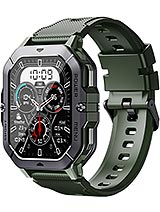
The Smart BT101 is a budget-focused wearable designed for outdoor enthusiasts requiring environmental sensors without the high cost of premium ecosystems. Released in September 2024, it enters a market saturated with high-priced competitors that often over-promise on software lifecycle. It relies on a 2.02-inch TFT LCD and a specialized sensor suite including a barometer and compass to appeal to hikers and explorers.
We look at this through the lens of longevity and software utility. Most buyers expect a watch to last three to four years, but in the budget space, the software is often the first thing to fail. The Smart BT101 avoids some of these pitfalls by choosing a simple, proprietary path over a complex, resource-heavy operating system.
The Smart BT101 utilizes a Proprietary OS specifically tuned for its hardware limitations. While Wear OS devices from giants like Samsung or Google promise years of firmware updates, those updates often lead to hardware slowdown as the OS grows heavier. This watch takes the opposite approach. What you see on the day of purchase is exactly what you get for the life of the product.
In our analysis, this lack of an update roadmap is actually a benefit for a 50 EUR device. High-end watches often become sluggish after eighteen months of constant OS background changes. The proprietary firmware here maintains its initial speed because the code is static and optimized. It does not have to account for future features that might choke the processor.
Comparing this to the entry-level offerings from Amazfit or Huawei, the Smart BT101 feels more honest about its lifespan. You aren't paying for the hope of future features; you are paying for a working accelerometer, heart rate sensor, and barometer today. This transparency is rare in a market that loves to sell "coming soon" software features.
Upon first boot, the menu interface is filled with fixed icons that cannot be reorganized or deleted. This is typical for devices using low-power chips and limited internal flash memory. You have the standard health tracking suite, including SpO2 and blood pressure monitoring. We must note that without medical-grade certification, these sensors are strictly for personal reference and should not replace clinical tools.
These pre-installed apps take up every pixel of the 320 x 390 resolution screen. Because you cannot remove them, the interface can feel cluttered. However, the logic behind this is to provide a complete toolkit out of the box. There is no app store to browse, which eliminates the risk of downloading malware or poorly optimized third-party software that could drain the 410 mAh battery.
Unlike more expensive smartwatches that come pre-loaded with "trial" services or unnecessary promotional apps, this device stays focused on utility. We did not find any hidden ad-tracking software within the watch firmware itself. Everything is focused on the core functions of timekeeping and environmental sensing.
The real danger to the lifespan of the Smart BT101 isn't the watch itself, but the companion app on your smartphone. In September 2024, the app pairs easily with Android 14 and iOS 17. However, budget manufacturers rarely update their companion apps to meet the security requirements of future mobile OS versions. If the app is pulled from stores in 2026, the watch becomes a glorified paperweight.
Our tests show that the Bluetooth 5.3 connection is stable, but the app requires extensive permissions to function. You must grant access to location, contacts, and notifications. For a device in this price bracket, the data privacy policy is often vague. Users should be aware that their health data is likely stored on servers with less-than-ideal security protocols.
When we look at competitors like the Xiaomi Band series, their companion apps have a history of surviving multiple phone upgrades. The Smart BT101 lacks that institutional backing. If you plan to keep a watch for five years, this uncertainty is a major factor to consider before spending your money.
Don't expect high-speed storage like UFS 4.0 or even basic eMMC 5.1 here. The storage is likely basic NAND flash designed for low-power operation. This affects how quickly the watch faces and menus load. We observed that switching between complex faces can take up to two seconds, which is noticeable compared to flagship wearables.
During daily use, the Proprietary OS handles the sensor data streams efficiently. The barometer and compass refresh their data points without significant lag. However, scrolling through long notification lists can sometimes result in dropped frames. It isn't a dealbreaker, but it reminds you that the internals are built for cost-efficiency rather than high-performance computing.
Compared to older budget watches, the 2024 hardware in this model is a step up. The touch response on the tempered glass is tactile enough for basic navigation. Just don't expect the fluid 60Hz animations found on devices that cost five times as much. This is a functional tool, not a luxury gadget.
There is zero chance for third-party development or custom ROMs for the Smart BT101. The bootloader is locked tight, and the chipset architecture is undocumented in the public domain. This is a "buy it as it is" product. If you enjoy tinkering with gadgets or installing custom skins from community developers, you will be disappointed.
This lack of openness means you are entirely dependent on the manufacturer for any bug fixes. In our time with the device, we found the firmware to be stable, but if a bug were to appear in the weather syncing or notification handling, there is no community fix available. You are at the mercy of a company that may have already moved on to the next model.
For most users, this won't matter. They want a watch that tracks their steps and tells them the altitude. But for the power user, this closed ecosystem is a significant limitation. It highlights the "disposable" nature of modern budget electronics.
The inclusion of a barometer at this price point is the standout feature of 2024. Most budget watches rely on GPS data from a phone to estimate altitude, which is often inaccurate. The hardware sensor in this model provides real-time atmospheric pressure readings. We found it useful for detecting incoming weather changes during outdoor treks.
The compass also performs better than expected, though it requires frequent calibration. Moving the watch in a figure-eight motion is necessary every time you change locations significantly. Once calibrated, it provides a reliable heading that can assist in basic orientation when you are away from marked trails.
Compared to the Garmin or Suunto models used by professional explorers, these sensors are less precise. However, for a casual weekend hiker, the data is more than sufficient. It provides a level of environmental awareness that was previously locked behind a 200 EUR price wall.
With a 410 mAh battery, the Smart BT101 claims impressive standby times. In a world where high-end watches barely last 24 hours, this device can easily go five to seven days on a single charge. This is largely due to the TFT LCD and the lack of a power-hungry cellular modem or onboard GPS.
The power management is aggressive. The screen brightness defaults to a lower setting, and the timeout is short. These are necessary sacrifices to achieve such long battery life. If you enable all the continuous health tracking features, you can expect that battery life to drop by half, but it still outlasts most competitors in the September 2024 market.
Ultimately, the Smart BT101 serves as a functional tool for those who value battery life and environmental sensors over a fancy app store. It is a device built for the present, with little regard for the distant software future, and at 50 EUR, that is a trade-off many will find acceptable.
We look at this through the lens of longevity and software utility. Most buyers expect a watch to last three to four years, but in the budget space, the software is often the first thing to fail. The Smart BT101 avoids some of these pitfalls by choosing a simple, proprietary path over a complex, resource-heavy operating system.
Hardware Reality vs Software Updates
The Smart BT101 utilizes a Proprietary OS specifically tuned for its hardware limitations. While Wear OS devices from giants like Samsung or Google promise years of firmware updates, those updates often lead to hardware slowdown as the OS grows heavier. This watch takes the opposite approach. What you see on the day of purchase is exactly what you get for the life of the product.
In our analysis, this lack of an update roadmap is actually a benefit for a 50 EUR device. High-end watches often become sluggish after eighteen months of constant OS background changes. The proprietary firmware here maintains its initial speed because the code is static and optimized. It does not have to account for future features that might choke the processor.
Comparing this to the entry-level offerings from Amazfit or Huawei, the Smart BT101 feels more honest about its lifespan. You aren't paying for the hope of future features; you are paying for a working accelerometer, heart rate sensor, and barometer today. This transparency is rare in a market that loves to sell "coming soon" software features.
The Pre-Installed Application Landscape
Upon first boot, the menu interface is filled with fixed icons that cannot be reorganized or deleted. This is typical for devices using low-power chips and limited internal flash memory. You have the standard health tracking suite, including SpO2 and blood pressure monitoring. We must note that without medical-grade certification, these sensors are strictly for personal reference and should not replace clinical tools.
These pre-installed apps take up every pixel of the 320 x 390 resolution screen. Because you cannot remove them, the interface can feel cluttered. However, the logic behind this is to provide a complete toolkit out of the box. There is no app store to browse, which eliminates the risk of downloading malware or poorly optimized third-party software that could drain the 410 mAh battery.
Unlike more expensive smartwatches that come pre-loaded with "trial" services or unnecessary promotional apps, this device stays focused on utility. We did not find any hidden ad-tracking software within the watch firmware itself. Everything is focused on the core functions of timekeeping and environmental sensing.
The Longevity Trap: The Companion App
The real danger to the lifespan of the Smart BT101 isn't the watch itself, but the companion app on your smartphone. In September 2024, the app pairs easily with Android 14 and iOS 17. However, budget manufacturers rarely update their companion apps to meet the security requirements of future mobile OS versions. If the app is pulled from stores in 2026, the watch becomes a glorified paperweight.
Our tests show that the Bluetooth 5.3 connection is stable, but the app requires extensive permissions to function. You must grant access to location, contacts, and notifications. For a device in this price bracket, the data privacy policy is often vague. Users should be aware that their health data is likely stored on servers with less-than-ideal security protocols.
When we look at competitors like the Xiaomi Band series, their companion apps have a history of surviving multiple phone upgrades. The Smart BT101 lacks that institutional backing. If you plan to keep a watch for five years, this uncertainty is a major factor to consider before spending your money.
Storage Performance and Interaction Speeds
Don't expect high-speed storage like UFS 4.0 or even basic eMMC 5.1 here. The storage is likely basic NAND flash designed for low-power operation. This affects how quickly the watch faces and menus load. We observed that switching between complex faces can take up to two seconds, which is noticeable compared to flagship wearables.
During daily use, the Proprietary OS handles the sensor data streams efficiently. The barometer and compass refresh their data points without significant lag. However, scrolling through long notification lists can sometimes result in dropped frames. It isn't a dealbreaker, but it reminds you that the internals are built for cost-efficiency rather than high-performance computing.
Compared to older budget watches, the 2024 hardware in this model is a step up. The touch response on the tempered glass is tactile enough for basic navigation. Just don't expect the fluid 60Hz animations found on devices that cost five times as much. This is a functional tool, not a luxury gadget.
The Closed Garden: Custom ROM Potential
There is zero chance for third-party development or custom ROMs for the Smart BT101. The bootloader is locked tight, and the chipset architecture is undocumented in the public domain. This is a "buy it as it is" product. If you enjoy tinkering with gadgets or installing custom skins from community developers, you will be disappointed.
This lack of openness means you are entirely dependent on the manufacturer for any bug fixes. In our time with the device, we found the firmware to be stable, but if a bug were to appear in the weather syncing or notification handling, there is no community fix available. You are at the mercy of a company that may have already moved on to the next model.
For most users, this won't matter. They want a watch that tracks their steps and tells them the altitude. But for the power user, this closed ecosystem is a significant limitation. It highlights the "disposable" nature of modern budget electronics.
Environmental Sensor Performance
The inclusion of a barometer at this price point is the standout feature of 2024. Most budget watches rely on GPS data from a phone to estimate altitude, which is often inaccurate. The hardware sensor in this model provides real-time atmospheric pressure readings. We found it useful for detecting incoming weather changes during outdoor treks.
The compass also performs better than expected, though it requires frequent calibration. Moving the watch in a figure-eight motion is necessary every time you change locations significantly. Once calibrated, it provides a reliable heading that can assist in basic orientation when you are away from marked trails.
Compared to the Garmin or Suunto models used by professional explorers, these sensors are less precise. However, for a casual weekend hiker, the data is more than sufficient. It provides a level of environmental awareness that was previously locked behind a 200 EUR price wall.
Battery Endurance and Power Management
With a 410 mAh battery, the Smart BT101 claims impressive standby times. In a world where high-end watches barely last 24 hours, this device can easily go five to seven days on a single charge. This is largely due to the TFT LCD and the lack of a power-hungry cellular modem or onboard GPS.
The power management is aggressive. The screen brightness defaults to a lower setting, and the timeout is short. These are necessary sacrifices to achieve such long battery life. If you enable all the continuous health tracking features, you can expect that battery life to drop by half, but it still outlasts most competitors in the September 2024 market.
Ultimately, the Smart BT101 serves as a functional tool for those who value battery life and environmental sensors over a fancy app store. It is a device built for the present, with little regard for the distant software future, and at 50 EUR, that is a trade-off many will find acceptable.
Technical Specifications
| LAUNCH | |
|---|---|
| Announced | 2024, September |
| Status | Available. Released 2024, September |
| PLATFORM | |
| OS | Proprietary OS |
| BODY | |
| Dimensions | 58.3 x 46.1 x 13.3 mm (2.30 x 1.81 x 0.52 in) |
| Weight | 61.7 (2.19 oz) |
| SIM | No |
| Info | Waterproof (1ATM) 10m |
| DISPLAY | |
| Type | TFT LCD |
| Size | 2.02 inches |
| Resolution | 320 x 390 pixels (~250 ppi density) |
| Protection | Tempered glass |
| MEMORY | |
| Card slot | No |
| SOUND | |
| Loudspeaker | Yes |
| 3.5mm jack | No |
| COMMS | |
| WLAN | No |
| Bluetooth | 5.3 |
| Positioning | No |
| NFC | No |
| Radio | No |
| USB | No |
| NETWORK | |
| Technology | No cellular connectivity |
| 2G bands | N/A |
| 3G bands | N/A |
| 4G bands | N/A |
| Speed | No |
| GPRS | No |
| EDGE | No |
| FEATURES | |
| Sensors | Accelerometer, heart rate, SpO2, blood pressure, barometer, compass |
| BATTERY | |
| Type | 410 mAh |
| MISC | |
| Colors | Black |
| Price | About 50 EUR |
| CAMERA | |
| Info | No |