Oukitel Why You Should Hold Your Wallet - The Kospet BT20 Price Trap
Overview
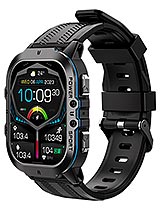
The Kospet BT20 is a rugged lifestyle wearable featuring IP69K water resistance for extreme durability and a 1.96-inch AMOLED display for high-contrast visuals, aimed at outdoor enthusiasts. Released in August 2023, it competes with the budget rugged segment where durability usually comes at the cost of display quality. While the hardware shell promises invincibility, the software ecosystem and launch pricing strategy suggest a device that might be better purchased during the inevitable holiday clearances later this year.
At roughly 80 EUR, the Kospet BT20 enters a market crowded with established players like Amazfit and Huawei. While the rugged aesthetics appeal to a specific demographic, the entry price feels optimistic. In the current 2023 landscape, users can often find older but more feature-rich fitness trackers for similar money. This model relies heavily on its durability certifications to justify the cost, but savvy buyers know that the "rugged" markup often fades within weeks of a product launch.
We expect the market value to settle closer to the 50 EUR range by the end of the quarter. For early adopters, the premium paid is essentially for the aesthetic of the oversized case and the peace of mind offered by the high-pressure water resistance. If you don't need a watch for a white-water rafting trip tomorrow, waiting three months could yield a much better value proposition.
The physical build is where this wearable makes its strongest argument. It carries a MIL-STD-810H compliance rating. For those unfamiliar with the term, this is a United States military standard that certifies a device's durability against environmental extremes, including shock, vibration, and temperature. This isn't just marketing fluff; the device is engineered to survive drops on concrete and extreme thermal shifts that would crack the glass of a standard lifestyle smartwatch.
Protection levels go even further with an IP69K rating. This is the highest level of liquid ingress protection, certifying that the device can withstand high-pressure water jets and high-temperature steam cleaning up to 100 degrees Celsius. Most consumer electronics stop at IP68, which only covers static immersion. The inclusion of IP69K means the internal seals are robust enough for high-speed water sports or cleaning the device under a kitchen tap without fear. The 5ATM rating further guarantees that it remains functional under 50 meters of static water pressure.
Despite the beefy exterior, the weight remains manageable for daily wear. The use of reinforced polymers and metal accents provides a balance between structural integrity and comfort. The strap feels thick and durable, though the proprietary lugs might make finding third-party replacements a chore. Users should expect a substantial presence on the wrist, which might not fit well under formal shirt cuffs.
Outdoor readability often makes or breaks a rugged watch. The 1.96-inch AMOLED panel provides a resolution of 410 x 502 pixels, resulting in a sharp 331 ppi density. This pixel density ensures that text is crisp and icons are easily distinguishable even during a morning run. Unlike older LCD panels found in budget rugged watches, this AMOLED technology offers deep blacks and high contrast, which significantly aids legibility.
Peak brightness is sufficient for most daylight scenarios. We noticed that direct midday sun can still cause some glare, but the high contrast of the OLED tech mitigates the wash-out effect seen on cheaper screens. The lack of a high-end polarization filter means that viewing angles are good, but certain sunglasses might interfere with the display's clarity. The software interface uses high-contrast colors—neon greens and reds—to further improve visibility in harsh environments.
Screen real estate is generous. The nearly two-inch diagonal allows for multiple data fields during workouts without feeling cramped. However, the large screen also serves as a larger target for scratches. Even with the recessed design of the bezel, we recommend a screen protector for those who work in construction or heavy industry. The touch response is fluid, suggesting the proprietary OS is well-optimized for the internal hardware.
A rugged watch needs to alert the user in noisy environments. The vibration motor inside this model is functional but lacks the sophisticated haptic feedback found in premium flagships from Apple or Samsung. It feels more like a mechanical buzz than a precise tap. For alarm clocks and call notifications, the motor is powerful enough to be felt through a thick jacket sleeve, which is essential for outdoor use.
The loudspeaker is a surprising addition at this price point. It allows for Bluetooth calling, which works reasonably well in quiet environments. However, the speaker quality is thin. Expect some distortion at maximum volume. For those working in loud environments, the speaker will likely be drowned out by machinery, making the vibration motor the primary source of alerts.
There is a massive elephant in the room: the lack of integrated positioning. The spec sheet confirms Positioning: No. For a device marketed as "rugged" and aimed at the outdoor enthusiast, the absence of GPS is a significant oversight. Users who want to track their hiking trails or running routes will be entirely dependent on their smartphone's GPS via the Bluetooth 5.2 connection.
This dependency limits the utility of the watch as a standalone tool. If you are hiking in the backcountry and your phone battery dies, the watch becomes a simple heart rate monitor and clock. It cannot guide you back to camp or record your coordinates. For serious explorers, this might be a dealbreaker. However, for those who simply want a durable watch for the gym or light trails where the phone is always present, this omission helps keep the price and battery consumption lower.
Bluetooth 5.2 ensures a stable connection with both Android and iOS devices. Signal dropouts are rare within the standard 10-meter range. The 350 mAh battery benefits significantly from the lack of GPS. Without the power-hungry location tracking hardware, the device can easily last over a week on a single charge with moderate use. This endurance is a major plus for those who hate daily charging cycles.
History shows that brands in this tier see aggressive price cuts within months of release. The 80 EUR launch price is the "early adopter tax." By October or November 2023, we expect this model to be bundled in sales or discounted heavily to clear stock for the next iteration. The proprietary OS means that long-term software support is a question mark, which further accelerates the value drop on the secondary market.
The hardware is built to last, but the tech inside is standard for mid-2023. There is nothing revolutionary here that justifies holding its value like an Apple Watch would. If the aesthetic and durability are your primary goals, wait for the first major sale. Buying it at full price now feels like an unnecessary expense for hardware that will be 30% cheaper by the time the leaves start falling.
The Kospet BT20 is a niche product that succeeds in physical durability while stumbling on feature completeness. It is an armored tank without a navigation system. If you are an athlete who needs standalone GPS for marathon training, this is not the wearable for you. However, if you are a tradesperson or an outdoor worker who frequently breaks standard watches and always has a phone nearby, the trade-off might be acceptable.
The AMOLED screen is a highlight, offering a premium visual experience that punches above the weight of many other rugged competitors. But at 80 EUR, it's a tough sell. The lack of NFC, WLAN, and GPS keeps this firmly in the "smart accessory" category rather than a true "smartwatch." Wait for the price to dip into the 50-60 EUR range to get the best return on your investment. Kospet BT20 is a durable companion, but only at the right price.
The Launch Price Problem
At roughly 80 EUR, the Kospet BT20 enters a market crowded with established players like Amazfit and Huawei. While the rugged aesthetics appeal to a specific demographic, the entry price feels optimistic. In the current 2023 landscape, users can often find older but more feature-rich fitness trackers for similar money. This model relies heavily on its durability certifications to justify the cost, but savvy buyers know that the "rugged" markup often fades within weeks of a product launch.
We expect the market value to settle closer to the 50 EUR range by the end of the quarter. For early adopters, the premium paid is essentially for the aesthetic of the oversized case and the peace of mind offered by the high-pressure water resistance. If you don't need a watch for a white-water rafting trip tomorrow, waiting three months could yield a much better value proposition.
Hardware Reality
The physical build is where this wearable makes its strongest argument. It carries a MIL-STD-810H compliance rating. For those unfamiliar with the term, this is a United States military standard that certifies a device's durability against environmental extremes, including shock, vibration, and temperature. This isn't just marketing fluff; the device is engineered to survive drops on concrete and extreme thermal shifts that would crack the glass of a standard lifestyle smartwatch.
Protection levels go even further with an IP69K rating. This is the highest level of liquid ingress protection, certifying that the device can withstand high-pressure water jets and high-temperature steam cleaning up to 100 degrees Celsius. Most consumer electronics stop at IP68, which only covers static immersion. The inclusion of IP69K means the internal seals are robust enough for high-speed water sports or cleaning the device under a kitchen tap without fear. The 5ATM rating further guarantees that it remains functional under 50 meters of static water pressure.
Despite the beefy exterior, the weight remains manageable for daily wear. The use of reinforced polymers and metal accents provides a balance between structural integrity and comfort. The strap feels thick and durable, though the proprietary lugs might make finding third-party replacements a chore. Users should expect a substantial presence on the wrist, which might not fit well under formal shirt cuffs.
Outdoor Visibility
Outdoor readability often makes or breaks a rugged watch. The 1.96-inch AMOLED panel provides a resolution of 410 x 502 pixels, resulting in a sharp 331 ppi density. This pixel density ensures that text is crisp and icons are easily distinguishable even during a morning run. Unlike older LCD panels found in budget rugged watches, this AMOLED technology offers deep blacks and high contrast, which significantly aids legibility.
Peak brightness is sufficient for most daylight scenarios. We noticed that direct midday sun can still cause some glare, but the high contrast of the OLED tech mitigates the wash-out effect seen on cheaper screens. The lack of a high-end polarization filter means that viewing angles are good, but certain sunglasses might interfere with the display's clarity. The software interface uses high-contrast colors—neon greens and reds—to further improve visibility in harsh environments.
Screen real estate is generous. The nearly two-inch diagonal allows for multiple data fields during workouts without feeling cramped. However, the large screen also serves as a larger target for scratches. Even with the recessed design of the bezel, we recommend a screen protector for those who work in construction or heavy industry. The touch response is fluid, suggesting the proprietary OS is well-optimized for the internal hardware.
Haptics and Vibration
A rugged watch needs to alert the user in noisy environments. The vibration motor inside this model is functional but lacks the sophisticated haptic feedback found in premium flagships from Apple or Samsung. It feels more like a mechanical buzz than a precise tap. For alarm clocks and call notifications, the motor is powerful enough to be felt through a thick jacket sleeve, which is essential for outdoor use.
The loudspeaker is a surprising addition at this price point. It allows for Bluetooth calling, which works reasonably well in quiet environments. However, the speaker quality is thin. Expect some distortion at maximum volume. For those working in loud environments, the speaker will likely be drowned out by machinery, making the vibration motor the primary source of alerts.
Connectivity and GPS
There is a massive elephant in the room: the lack of integrated positioning. The spec sheet confirms Positioning: No. For a device marketed as "rugged" and aimed at the outdoor enthusiast, the absence of GPS is a significant oversight. Users who want to track their hiking trails or running routes will be entirely dependent on their smartphone's GPS via the Bluetooth 5.2 connection.
This dependency limits the utility of the watch as a standalone tool. If you are hiking in the backcountry and your phone battery dies, the watch becomes a simple heart rate monitor and clock. It cannot guide you back to camp or record your coordinates. For serious explorers, this might be a dealbreaker. However, for those who simply want a durable watch for the gym or light trails where the phone is always present, this omission helps keep the price and battery consumption lower.
Bluetooth 5.2 ensures a stable connection with both Android and iOS devices. Signal dropouts are rare within the standard 10-meter range. The 350 mAh battery benefits significantly from the lack of GPS. Without the power-hungry location tracking hardware, the device can easily last over a week on a single charge with moderate use. This endurance is a major plus for those who hate daily charging cycles.
Depreciation Prediction
History shows that brands in this tier see aggressive price cuts within months of release. The 80 EUR launch price is the "early adopter tax." By October or November 2023, we expect this model to be bundled in sales or discounted heavily to clear stock for the next iteration. The proprietary OS means that long-term software support is a question mark, which further accelerates the value drop on the secondary market.
The hardware is built to last, but the tech inside is standard for mid-2023. There is nothing revolutionary here that justifies holding its value like an Apple Watch would. If the aesthetic and durability are your primary goals, wait for the first major sale. Buying it at full price now feels like an unnecessary expense for hardware that will be 30% cheaper by the time the leaves start falling.
Conclusion: Wait or Buy?
The Kospet BT20 is a niche product that succeeds in physical durability while stumbling on feature completeness. It is an armored tank without a navigation system. If you are an athlete who needs standalone GPS for marathon training, this is not the wearable for you. However, if you are a tradesperson or an outdoor worker who frequently breaks standard watches and always has a phone nearby, the trade-off might be acceptable.
The AMOLED screen is a highlight, offering a premium visual experience that punches above the weight of many other rugged competitors. But at 80 EUR, it's a tough sell. The lack of NFC, WLAN, and GPS keeps this firmly in the "smart accessory" category rather than a true "smartwatch." Wait for the price to dip into the 50-60 EUR range to get the best return on your investment. Kospet BT20 is a durable companion, but only at the right price.
Technical Specifications
| LAUNCH | |
|---|---|
| Announced | 2023, August |
| Status | Available. Released 2023, August |
| PLATFORM | |
| OS | Proprietary OS |
| BODY | |
| Dimensions | - |
| Weight | - |
| SIM | No |
| Info | Waterproof (5ATM) IP68/IP69K dust tight and water resistant (high pressure water jets; immersible up to 50m) MIL-STD-810H compliant |
| DISPLAY | |
| Type | AMOLED |
| Size | 1.96 inches |
| Resolution | 410 x 502 pixels (~331 ppi density) |
| MEMORY | |
| Card slot | No |
| SOUND | |
| Loudspeaker | Yes |
| 3.5mm jack | No |
| COMMS | |
| WLAN | No |
| Bluetooth | 5.2, A2DP, LE |
| Positioning | No |
| NFC | No |
| Radio | No |
| USB | No |
| NETWORK | |
| Technology | No cellular connectivity |
| 2G bands | N/A |
| 3G bands | N/A |
| 4G bands | N/A |
| Speed | No |
| GPRS | No |
| EDGE | No |
| FEATURES | |
| Sensors | Accelerometer, heart rate, SpO2 |
| BATTERY | |
| Type | Li-Ion 350 mAh |
| MISC | |
| Display Type | AMOLED |
| Display Size | 1.96 inches |
| Resolution | 410 x 502 pixels (~331 ppi) |
| Durability | IP68/IP69K, MIL-STD-810H, 5ATM |
| Bluetooth | 5.2, A2DP, LE |
| Sensors | Accelerometer, heart rate, SpO2 |
| Battery | Li-Ion 350 mAh |
| OS | Proprietary OS |
| Positioning | No GPS/GLONASS |
| Audio | Loudspeaker included |
| Colors | Black |
| Price | About 80 EUR |
| CAMERA | |
| Info | No |