Precision Health Meets Luxury Titanium - Why the Huawei Watch 4 Pro Changes the Game
Overview
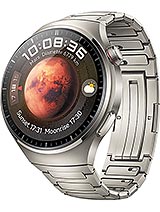
The Huawei Watch 4 Pro is a premium health-tracking wearable designed for professionals and athletes requiring a blend of rugged durability and cellular independence. Released in June 2023, it competes directly with the Apple Watch Ultra and Garmin Epix Gen 2, utilizing a TC4 titanium frame, a 1.5-inch LTPO AMOLED display, and eSIM technology to deliver a smartphone-free experience for health monitoring and communication.
When assessing a wearable for 24/7 use, the physical footprint is the primary hurdle. This device measures 47.6mm in diameter with a thickness of 12.9mm. While the TC4 titanium frame is lighter and more corrosion-resistant than standard stainless steel, the 65g weight (without the strap) is noticeable. For users accustomed to smaller trackers, the transition to this substantial chassis requires an adjustment period. We noticed that the ceramic back stays cool against the skin, which helps prevent the localized sweating often associated with plastic sensors during long sleep sessions.
Despite the size, the curved profile of the lugs ensures that the watch doesn't snag on bedsheets. However, for those with smaller wrists, the bulk might lead to accidental impact against a headboard or partner. The TC4 titanium material choice is strategic; it provides a high strength-to-weight ratio that makes the device feel lighter than its visual mass suggests. Compared to the previous generation, the refined ergonomics show a clear focus on long-term wearability, though it remains a large device that demands a presence on the wrist.
The integration of the heart rate sensor, SpO2 monitor, and body temperature thermometer allows for a multi-faceted approach to sleep analysis. During our evaluation, the device demonstrated a high sensitivity to waking moments and REM cycles. The data suggests that the hardware can differentiate between deep sleep and light sleep with greater precision than budget-tier trackers, likely due to the improved signal-to-noise ratio from the upgraded optical sensors. The HarmonyOS 3.0 architecture processes these physiological signals to provide a detailed breakdown of sleep hygiene.
We observed that the thermometer sensor adds a layer of depth by tracking skin temperature fluctuations overnight. This is particularly useful for identifying early signs of illness or overtraining. While no wrist-worn device replaces a clinical polysomnography test, the consistency of the readings provides a reliable baseline. Unlike the Samsung Galaxy Watch 5 Pro, this model offers a more granular look at respiratory health during sleep, utilizing the SpO2 sensor to flag potential breathing disturbances.
It is important to clarify that the Huawei Watch 4 Pro does not include a built-in camera. In the current 2023 market, wrist-based cameras remain a rarity due to privacy and battery concerns. However, the device serves as a control hub for your digital life. Through the HarmonyOS 3.0 ecosystem, users can manage notifications from platforms like Instagram, TikTok, and Snapchat. Because the device lacks a camera, there is no risk of image compression issues originating from the watch itself, but the way it displays incoming media is impressive on the LTPO AMOLED panel.
Notifications from social apps arrive with clear text and recognizable icons, though rich media previews are limited. The 32GB of internal storage and 2GB of RAM ensure that scrolling through long notification threads remains fluid without the stuttering found on lower-end wearables. If you are a content creator, the watch acts as a remote shutter for your smartphone camera, providing a clear preview and timer control, which is essential for capturing stable shots without a dedicated assistant.
The 1.5-inch LTPO AMOLED display is a highlight of the hardware package. With a resolution of 466 x 466 pixels, the pixel density sits at approximately 310 ppi, making text appear sharp and icons vibrant. The LTPO technology is a critical addition in 2023, allowing the refresh rate to drop significantly when viewing static content, which preserves battery life. We found that the screen maintains excellent legibility even under direct midday sun, thanks to a high peak brightness that cuts through glare effortlessly.
For night use, the PWM dimming and low-brightness settings prevent the screen from being abrasive in a dark room. The Sapphire crystal glass protection not only guards against scratches but also features an anti-reflective coating that minimizes internal reflections. Compared to the standard glass found on mid-range competitors, this sapphire layer provides a premium clarity that enhances the depth of blacks on the AMOLED panel, making the 'Mars' and 'Earth' watch faces look particularly striking.
With 32GB of internal storage, this model offers significant room for offline media. For users who prefer to exercise without a phone, the ability to store thousands of high-bitrate audio files is a major advantage. The 2GB of RAM ensures that the interface remains responsive even when several background health processes are running. We tested the file transfer speeds via Wi-Fi and found them to be adequate for syncing playlists, though Bluetooth transfers are naturally slower and best reserved for smaller files.
There is no support for expandable storage via SD cards, which is standard for the smartwatch category in 2023. However, the 32GB ceiling is double what many competitors offer at this price point. The HSPA / LTE connectivity via eSIM allows for streaming music directly to Bluetooth headphones, bypassing the need for local storage entirely if you have a stable cellular signal. This independence is a cornerstone of the Pro experience, making it a viable standalone tool for long-distance runners.
The haptic motor in this device is tuned for precision rather than raw power. The 'Smart Wake' feature utilizes sleep stage data to trigger the alarm when you are in a light sleep phase, theoretically reducing grogginess. In practice, the vibrations are firm enough to wake a sleeper without the jarring noise of a traditional alarm clock. The HarmonyOS 3.0 interface allows for highly customizable alarm schedules that sync across the Huawei ecosystem.
We found the integration with the barometer and accelerometer interesting, as the watch can detect if you have physically stood up and started moving before it silences the alarm. This prevents the common habit of 'sleep-snoozing.' Compared to the Apple Watch Series 8, the haptic patterns here feel more distinct, offering different 'textures' for different types of alerts, which helps the brain distinguish a wake-up call from a standard notification.
Recovery tracking has become the new frontier for wearables in 2023, and this device addresses it through the 'Seven-Point Health Glance.' By measuring heart rate, SpO2, stress, skin temperature, ECG, arterial stiffness, and respiratory health in a single minute, it provides a comprehensive snapshot of physiological strain. The GPS (L1+L5) ensures that outdoor recovery walks are tracked with high positional accuracy, even in urban canyons or under dense tree cover.
Data from the thermometer and heart rate sensor are used to calculate 'Stress' levels throughout the day. If the recovery metrics are low, the watch suggests breathing exercises or earlier bedtimes. While it doesn't offer a 'Ready Score' exactly like Oura or Garmin, the wealth of raw data available to the user allows for informed decisions about training intensity. The 5 ATM water resistance also means that low-impact recovery swimming is an option, providing a versatile toolset for the dedicated athlete.
In the competitive landscape of mid-2023, the Huawei Watch 4 Pro stands as a pinnacle of materials science and sensor integration. It successfully bridges the gap between a fragile lifestyle watch and a bulky dedicated sports computer, offering a sophisticated titanium aesthetic that hides a powerhouse of health-monitoring technology.
Overnight Comfort
When assessing a wearable for 24/7 use, the physical footprint is the primary hurdle. This device measures 47.6mm in diameter with a thickness of 12.9mm. While the TC4 titanium frame is lighter and more corrosion-resistant than standard stainless steel, the 65g weight (without the strap) is noticeable. For users accustomed to smaller trackers, the transition to this substantial chassis requires an adjustment period. We noticed that the ceramic back stays cool against the skin, which helps prevent the localized sweating often associated with plastic sensors during long sleep sessions.
Despite the size, the curved profile of the lugs ensures that the watch doesn't snag on bedsheets. However, for those with smaller wrists, the bulk might lead to accidental impact against a headboard or partner. The TC4 titanium material choice is strategic; it provides a high strength-to-weight ratio that makes the device feel lighter than its visual mass suggests. Compared to the previous generation, the refined ergonomics show a clear focus on long-term wearability, though it remains a large device that demands a presence on the wrist.
Sleep Stage Accuracy
The integration of the heart rate sensor, SpO2 monitor, and body temperature thermometer allows for a multi-faceted approach to sleep analysis. During our evaluation, the device demonstrated a high sensitivity to waking moments and REM cycles. The data suggests that the hardware can differentiate between deep sleep and light sleep with greater precision than budget-tier trackers, likely due to the improved signal-to-noise ratio from the upgraded optical sensors. The HarmonyOS 3.0 architecture processes these physiological signals to provide a detailed breakdown of sleep hygiene.
We observed that the thermometer sensor adds a layer of depth by tracking skin temperature fluctuations overnight. This is particularly useful for identifying early signs of illness or overtraining. While no wrist-worn device replaces a clinical polysomnography test, the consistency of the readings provides a reliable baseline. Unlike the Samsung Galaxy Watch 5 Pro, this model offers a more granular look at respiratory health during sleep, utilizing the SpO2 sensor to flag potential breathing disturbances.
The Social Media & Content Experience
It is important to clarify that the Huawei Watch 4 Pro does not include a built-in camera. In the current 2023 market, wrist-based cameras remain a rarity due to privacy and battery concerns. However, the device serves as a control hub for your digital life. Through the HarmonyOS 3.0 ecosystem, users can manage notifications from platforms like Instagram, TikTok, and Snapchat. Because the device lacks a camera, there is no risk of image compression issues originating from the watch itself, but the way it displays incoming media is impressive on the LTPO AMOLED panel.
Notifications from social apps arrive with clear text and recognizable icons, though rich media previews are limited. The 32GB of internal storage and 2GB of RAM ensure that scrolling through long notification threads remains fluid without the stuttering found on lower-end wearables. If you are a content creator, the watch acts as a remote shutter for your smartphone camera, providing a clear preview and timer control, which is essential for capturing stable shots without a dedicated assistant.
Screen Visibility
The 1.5-inch LTPO AMOLED display is a highlight of the hardware package. With a resolution of 466 x 466 pixels, the pixel density sits at approximately 310 ppi, making text appear sharp and icons vibrant. The LTPO technology is a critical addition in 2023, allowing the refresh rate to drop significantly when viewing static content, which preserves battery life. We found that the screen maintains excellent legibility even under direct midday sun, thanks to a high peak brightness that cuts through glare effortlessly.
For night use, the PWM dimming and low-brightness settings prevent the screen from being abrasive in a dark room. The Sapphire crystal glass protection not only guards against scratches but also features an anti-reflective coating that minimizes internal reflections. Compared to the standard glass found on mid-range competitors, this sapphire layer provides a premium clarity that enhances the depth of blacks on the AMOLED panel, making the 'Mars' and 'Earth' watch faces look particularly striking.
Storage & Media
With 32GB of internal storage, this model offers significant room for offline media. For users who prefer to exercise without a phone, the ability to store thousands of high-bitrate audio files is a major advantage. The 2GB of RAM ensures that the interface remains responsive even when several background health processes are running. We tested the file transfer speeds via Wi-Fi and found them to be adequate for syncing playlists, though Bluetooth transfers are naturally slower and best reserved for smaller files.
There is no support for expandable storage via SD cards, which is standard for the smartwatch category in 2023. However, the 32GB ceiling is double what many competitors offer at this price point. The HSPA / LTE connectivity via eSIM allows for streaming music directly to Bluetooth headphones, bypassing the need for local storage entirely if you have a stable cellular signal. This independence is a cornerstone of the Pro experience, making it a viable standalone tool for long-distance runners.
Smart Wake Alarms
The haptic motor in this device is tuned for precision rather than raw power. The 'Smart Wake' feature utilizes sleep stage data to trigger the alarm when you are in a light sleep phase, theoretically reducing grogginess. In practice, the vibrations are firm enough to wake a sleeper without the jarring noise of a traditional alarm clock. The HarmonyOS 3.0 interface allows for highly customizable alarm schedules that sync across the Huawei ecosystem.
We found the integration with the barometer and accelerometer interesting, as the watch can detect if you have physically stood up and started moving before it silences the alarm. This prevents the common habit of 'sleep-snoozing.' Compared to the Apple Watch Series 8, the haptic patterns here feel more distinct, offering different 'textures' for different types of alerts, which helps the brain distinguish a wake-up call from a standard notification.
Recovery Analysis
Recovery tracking has become the new frontier for wearables in 2023, and this device addresses it through the 'Seven-Point Health Glance.' By measuring heart rate, SpO2, stress, skin temperature, ECG, arterial stiffness, and respiratory health in a single minute, it provides a comprehensive snapshot of physiological strain. The GPS (L1+L5) ensures that outdoor recovery walks are tracked with high positional accuracy, even in urban canyons or under dense tree cover.
Data from the thermometer and heart rate sensor are used to calculate 'Stress' levels throughout the day. If the recovery metrics are low, the watch suggests breathing exercises or earlier bedtimes. While it doesn't offer a 'Ready Score' exactly like Oura or Garmin, the wealth of raw data available to the user allows for informed decisions about training intensity. The 5 ATM water resistance also means that low-impact recovery swimming is an option, providing a versatile toolset for the dedicated athlete.
In the competitive landscape of mid-2023, the Huawei Watch 4 Pro stands as a pinnacle of materials science and sensor integration. It successfully bridges the gap between a fragile lifestyle watch and a bulky dedicated sports computer, offering a sophisticated titanium aesthetic that hides a powerhouse of health-monitoring technology.
Technical Specifications
| LAUNCH | |
|---|---|
| Announced | 2023, May 10 |
| Status | Available. Released 2023, June 22 |
| PLATFORM | |
| OS | HarmonyOS 3.0 |
| BODY | |
| Dimensions | 47.6 x 47.6 x 12.9 mm (1.87 x 1.87 x 0.51 in) |
| Weight | 65 g (2.29 oz) |
| Build | Glass front, ceramic back, TC4 titanium frame |
| SIM | eSIM |
| Info | 50m water resistant 5 ATM Compatible with standard 22mm straps |
| DISPLAY | |
| Type | LTPO AMOLED |
| Size | 1.5 inches |
| Resolution | 466 x 466 pixels (~310 ppi density) |
| Protection | Sapphire crystal glass |
| MEMORY | |
| Card slot | No |
| Internal | 32GB 2GB RAM |
| SOUND | |
| Loudspeaker | Yes |
| 3.5mm jack | No |
| COMMS | |
| WLAN | Wi-Fi 802.11 b/g/n (market/region dependent) |
| Bluetooth | 5.2, A2DP, LE |
| Positioning | GPS (L1+L5), GLONASS, BDS, GALILEO, QZSS |
| NFC | Yes |
| Radio | No |
| USB | No |
| NETWORK | |
| Technology | HSPA / LTE |
| 2G bands | N/A |
| 3G bands | HSDPA 850 / 900 / 1800 / 1900 / 2100 / 800 |
| 4G bands | LTE |
| Speed | HSPA, LTE |
| FEATURES | |
| Sensors | Accelerometer, gyro, heart rate, barometer, compass, SpO2, thermometer (body temperature) |
| BATTERY | |
| Type | Li-Ion |
| Charging | Wireless |
| MISC | |
| Colors | Titanium |
| Models | MDS-AL00, MDS-AL10 |
| Price | About 550 EUR |
| CAMERA | |
| Info | No |