Premium Features for Pennies - How the Tecno Spark Go 2024 Rewrites the Entry Level Rulebook
Overview
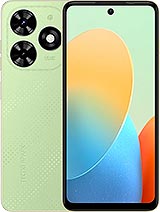
The Tecno Spark Go 2024 is an entry-level smartphone featuring a 90Hz IPS LCD for smoother navigation and a 5000 mAh battery for multi-day endurance, aimed at first-time smartphone buyers and budget-conscious students. Released in December 2023, it competes with the Redmi A2+ and [Infinix Smart 8](/why-the-infinix-smart-8-is-the-ultimate-budget-king-right-now/) in the sub-$100 segment. We have analyzed the market shifts, and this handset represents a significant move by the manufacturer to bring high-refresh-rate displays and stereo sound to a price bracket previously starved of these luxuries.
The most striking technical specification found on the Tecno Spark Go 2024 is the 6.6-inch 90Hz IPS LCD panel. In the realm of ultra-budget devices, most competitors still linger at 60Hz. To clarify, the refresh rate refers to how many times the screen updates its image per second. Moving from 60Hz to 90Hz makes scrolling through social media feeds and navigating the system UI feel significantly more fluid. While the resolution is capped at 720 x 1612 pixels (HD+), providing a density of approximately 267 ppi, the trade-off for speed over sharpness is one we believe most value hunters will appreciate. The panel offers a screen-to-body ratio of roughly 84.6%, achieved through a modern hole-punch cutout for the camera rather than a dated waterdrop notch. This modern aesthetic is further enhanced by the Dynamic Port, a software feature that mimics more expensive flagship interactions by displaying notifications and status icons around the camera cutout.
Compared to the previous year’s Spark Go 2023, which utilized a standard 60Hz panel, this new iteration feels like a generation-skipping leap in usability. The brightness levels are adequate for indoor use, though users should expect some visibility challenges under the harsh midday December sun. The inclusion of such a panel at a sub-90 EUR price point suggests that the supply chain for high-refresh-rate components has matured to the point where even the most affordable devices can benefit from smoother animations. It is a win for the consumer who wants a modern feel without the flagship invoice.
Underneath the plastic exterior sits the Unisoc T606 chipset, built on a 12nm process. This is an octa-core configuration consisting of two performance-oriented Cortex-A75 cores and six efficiency-focused Cortex-A55 cores, all clocked at 1.6 GHz. The presence of the A75 cores is vital here; many [budget phones](/trend/best-budget-phones-2026/) still rely solely on older A53 or A35 cores, which can feel sluggish during multitasking. The Mali-G57 MP1 GPU handles the graphical duties. While this won't be a gaming powerhouse for demanding titles like Genshin Impact, it is perfectly capable of handling casual games like Subway Surfers or Candy Crush without significant stuttering. The choice of the T606 over something like a MediaTek Helio A22 is a smart move for longevity, as the octa-core architecture manages background tasks much more effectively.
Storage is handled by eMMC 5.1 memory, with configurations ranging from 64GB with 2GB of RAM to a more robust 128GB with 4GB of RAM. The eMMC 5.1 standard is the traditional choice for this price tier, providing a reliable but slower data transfer protocol compared to the UFS storage found in [mid-range phones](/trend/best-mid-range-phones-2026/). This means app installation times and large file transfers will take longer, but for the target audience focused on WhatsApp, YouTube, and web browsing, it remains a functional choice. The device supports microSDXC expansion, which we highly recommend utilizing if you opt for the 64GB model. Compared to the Samsung Galaxy A04e, the Spark Go 2024 offers a more modern CPU architecture that should result in fewer system hangs over a two-year lifespan.
One area where the Tecno Spark Go 2024 punches far above its weight class is audio. It features dual speakers, a rarity in the sub-$100 market where single, bottom-firing speakers are the norm. This dual setup provides a stereo experience that makes watching videos or playing games much more immersive. The spatial separation of sound is noticeable, even if the bass response is thin—as is typical for plastic-chassis devices. Furthermore, the 3.5mm headphone jack remains present, allowing users to connect affordable wired headsets without needing expensive adapters. This is a crucial feature for the budget-conscious user who might not want to invest in wireless earbuds just yet.
In our assessment of the audio hardware, the volume levels are impressive, potentially serving as a small portable radio in quiet environments. The presence of an FM radio further solidifies this device as a versatile media companion. Most rivals in this segment, such as the [Nokia C22](/rugged-reliability-for-every-family-member-the-nokia-c22-redefines-value-in-the-budget-space/), lack this stereo speaker configuration, making this handset the clear choice for users who prioritize media consumption on their mobile device. The haptic feedback is basic and functional, providing a simple vibration for notifications rather than the nuanced tactile response found in premium glass-and-metal slabs.
Powering the experience is a massive 5000 mAh battery. Given the power-efficient 720p screen and the 12nm Unisoc chipset, this battery should easily provide two days of moderate usage. For students or commuters, this means leaving the charger at home is a viable option. However, the hardware hits a bottleneck when it comes to refilling that tank. The device supports only 10W wired charging via its USB Type-C port. In an era where 18W is becoming the minimum for budget phones, 10W feels quite slow. Charging a 5000 mAh cell at this speed will likely take over three hours from zero to full. We recommend charging the handset overnight to avoid the frustration of waiting by a wall outlet during the day.
Despite the slow charging, the transition to USB Type-C is a welcome one. Many ultra-budget devices in 2023 were still clinging to the outdated micro-USB standard. The Type-C port is more durable and allows for easier cable insertion, plus it matches the universal standard now adopted by almost all modern electronics. Compared to the Redmi A2, which uses micro-USB, this model is much better prepared for the future. The battery efficiency is aided by Android 13 (Go edition), which streamlines background processes to ensure that power isn't wasted on unnecessary system tasks.
The camera setup on the back features a 13 MP primary sensor with an f/1.9 aperture, supported by an auxiliary lens and a dual-LED flash. The f/1.9 aperture is relatively wide for this price, which theoretically allows more light to hit the sensor. In well-lit environments, the hardware is capable of capturing decent detail for social media posts. However, the 1.12µm pixel size suggests that low-light performance will rely heavily on software processing and the dual-LED flash. The auxiliary lens is largely there to assist with depth data, though its actual impact on the final image is minimal. Video recording is capped at 1080p at 30fps, which is standard for the Unisoc T606's ISP (Image Signal Processor).
The selfie camera utilizes an 8 MP sensor, which also benefits from its own dual-LED flash. This is a standout feature for users who take selfies in dimly lit rooms or outdoors at night. Most budget phones neglect the front-facing flash entirely. While you shouldn't expect professional-grade portraiture, the hardware provides enough utility for clear video calls and basic photography. When compared to the [Infinix Smart 7](/the-infinix-smart-7-rewrites-the-entry-level-value-proposition/), the Spark Go 2024 offers a more balanced camera configuration that prioritizes utility through better lighting hardware rather than inflated megapixel counts.
Running the show is HIOS 13, based on Android 13 (Go edition). The Go edition is a lighter version of Android designed specifically for devices with limited RAM. It reduces the footprint of pre-installed apps and optimizes the system to run more smoothly on entry-level hardware. HIOS 13 adds its own layer of customization, which includes various themes and localized tools. One potential annoyance for users is the presence of bloatware—pre-installed applications that cannot always be easily removed. While these apps help keep the initial purchase price low through subsidies, they can clutter the app drawer.
Fluidity is generally good thanks to the 90Hz screen, but users should be realistic about multitasking. If you opt for the 2GB or 3GB RAM variants, expect apps to close in the background more frequently. The 4GB RAM model is the sweet spot for a smoother experience. The side-mounted fingerprint sensor is integrated into the power button, offering a fast and secure way to unlock the phone. This is a much better placement than the rear-mounted sensors found on older budget designs, as it allows you to unlock the device while it is sitting flat on a table. The software also includes the previously mentioned Dynamic Port, which adds a touch of flair to the notification system.
This device is built for the pragmatist. If you are looking for a secondary phone for work, a first device for a child, or a reliable handset for a senior citizen, the Tecno Spark Go 2024 fits the bill perfectly. It prioritizes the things that make a phone feel modern—a smooth screen, stereo sound, and a USB-C port—while cutting corners in areas like charging speed and camera complexity. It isn't for mobile gamers who want to play high-end titles, nor is it for photography enthusiasts who need optical zoom or 4K recording. It is a communication and media consumption tool designed to maximize every cent of its 90 EUR price tag.
The build quality, featuring a glass front and plastic frame, implies a durable but lightweight feel. The "Magic Skin" color option even adds a bit of personality to a segment that is often filled with boring black slabs. In the competitive landscape of December 2023, this handset stands out as one of the most complete packages under the 100-euro mark. It successfully hides its budget roots through clever design choices and the inclusion of features typically reserved for phones costing twice as much.
The Tecno Spark Go 2024 is a masterclass in budget engineering. By focusing on high-visibility features like the 90Hz display and stereo speakers, the manufacturer has created a device that feels much more expensive than its price tag suggests. The trade-offs, such as the slow 10W charging and the basic 13MP camera, are acceptable compromises for the target demographic. While the Unisoc T606 isn't a speed demon, the octa-core architecture ensures the phone remains usable for everyday tasks. In a market where every dollar counts, this model offers a compelling reason to skip the big-name brands and look toward the value-driven challengers. The Tecno Spark Go 2024 is, without a doubt, a top-tier recommendation for anyone shopping at the entry level this season.
Buy this if: You need a highly affordable phone that still feels smooth to use, you watch a lot of videos on your device, or you want the modern convenience of USB-C and a side fingerprint sensor without spending much. Skip this if: You are an impatient charger who needs fast power top-ups, you play intensive 3D games, or you require high-quality photography for your hobby. Wait for a price drop if: It is already priced at the bottom of the market; there is little reason to wait as the value is already maximized at launch. The Bottom Line: The Tecno Spark Go 2024 is the new gold standard for entry-level smartphones, offering a 90Hz screen and stereo sound at a price that leaves competitors scrambling to catch up.
High Refresh Rates on a Shoestring Budget
The most striking technical specification found on the Tecno Spark Go 2024 is the 6.6-inch 90Hz IPS LCD panel. In the realm of ultra-budget devices, most competitors still linger at 60Hz. To clarify, the refresh rate refers to how many times the screen updates its image per second. Moving from 60Hz to 90Hz makes scrolling through social media feeds and navigating the system UI feel significantly more fluid. While the resolution is capped at 720 x 1612 pixels (HD+), providing a density of approximately 267 ppi, the trade-off for speed over sharpness is one we believe most value hunters will appreciate. The panel offers a screen-to-body ratio of roughly 84.6%, achieved through a modern hole-punch cutout for the camera rather than a dated waterdrop notch. This modern aesthetic is further enhanced by the Dynamic Port, a software feature that mimics more expensive flagship interactions by displaying notifications and status icons around the camera cutout.
Compared to the previous year’s Spark Go 2023, which utilized a standard 60Hz panel, this new iteration feels like a generation-skipping leap in usability. The brightness levels are adequate for indoor use, though users should expect some visibility challenges under the harsh midday December sun. The inclusion of such a panel at a sub-90 EUR price point suggests that the supply chain for high-refresh-rate components has matured to the point where even the most affordable devices can benefit from smoother animations. It is a win for the consumer who wants a modern feel without the flagship invoice.
The Unisoc T606 Engine Room
Underneath the plastic exterior sits the Unisoc T606 chipset, built on a 12nm process. This is an octa-core configuration consisting of two performance-oriented Cortex-A75 cores and six efficiency-focused Cortex-A55 cores, all clocked at 1.6 GHz. The presence of the A75 cores is vital here; many [budget phones](/trend/best-budget-phones-2026/) still rely solely on older A53 or A35 cores, which can feel sluggish during multitasking. The Mali-G57 MP1 GPU handles the graphical duties. While this won't be a gaming powerhouse for demanding titles like Genshin Impact, it is perfectly capable of handling casual games like Subway Surfers or Candy Crush without significant stuttering. The choice of the T606 over something like a MediaTek Helio A22 is a smart move for longevity, as the octa-core architecture manages background tasks much more effectively.
Storage is handled by eMMC 5.1 memory, with configurations ranging from 64GB with 2GB of RAM to a more robust 128GB with 4GB of RAM. The eMMC 5.1 standard is the traditional choice for this price tier, providing a reliable but slower data transfer protocol compared to the UFS storage found in [mid-range phones](/trend/best-mid-range-phones-2026/). This means app installation times and large file transfers will take longer, but for the target audience focused on WhatsApp, YouTube, and web browsing, it remains a functional choice. The device supports microSDXC expansion, which we highly recommend utilizing if you opt for the 64GB model. Compared to the Samsung Galaxy A04e, the Spark Go 2024 offers a more modern CPU architecture that should result in fewer system hangs over a two-year lifespan.
Audio Excellence and Dual Speakers
One area where the Tecno Spark Go 2024 punches far above its weight class is audio. It features dual speakers, a rarity in the sub-$100 market where single, bottom-firing speakers are the norm. This dual setup provides a stereo experience that makes watching videos or playing games much more immersive. The spatial separation of sound is noticeable, even if the bass response is thin—as is typical for plastic-chassis devices. Furthermore, the 3.5mm headphone jack remains present, allowing users to connect affordable wired headsets without needing expensive adapters. This is a crucial feature for the budget-conscious user who might not want to invest in wireless earbuds just yet.
In our assessment of the audio hardware, the volume levels are impressive, potentially serving as a small portable radio in quiet environments. The presence of an FM radio further solidifies this device as a versatile media companion. Most rivals in this segment, such as the [Nokia C22](/rugged-reliability-for-every-family-member-the-nokia-c22-redefines-value-in-the-budget-space/), lack this stereo speaker configuration, making this handset the clear choice for users who prioritize media consumption on their mobile device. The haptic feedback is basic and functional, providing a simple vibration for notifications rather than the nuanced tactile response found in premium glass-and-metal slabs.
Battery Endurance vs Charging Realities
Powering the experience is a massive 5000 mAh battery. Given the power-efficient 720p screen and the 12nm Unisoc chipset, this battery should easily provide two days of moderate usage. For students or commuters, this means leaving the charger at home is a viable option. However, the hardware hits a bottleneck when it comes to refilling that tank. The device supports only 10W wired charging via its USB Type-C port. In an era where 18W is becoming the minimum for budget phones, 10W feels quite slow. Charging a 5000 mAh cell at this speed will likely take over three hours from zero to full. We recommend charging the handset overnight to avoid the frustration of waiting by a wall outlet during the day.
Despite the slow charging, the transition to USB Type-C is a welcome one. Many ultra-budget devices in 2023 were still clinging to the outdated micro-USB standard. The Type-C port is more durable and allows for easier cable insertion, plus it matches the universal standard now adopted by almost all modern electronics. Compared to the Redmi A2, which uses micro-USB, this model is much better prepared for the future. The battery efficiency is aided by Android 13 (Go edition), which streamlines background processes to ensure that power isn't wasted on unnecessary system tasks.
Camera Hardware and Imaging Potential
The camera setup on the back features a 13 MP primary sensor with an f/1.9 aperture, supported by an auxiliary lens and a dual-LED flash. The f/1.9 aperture is relatively wide for this price, which theoretically allows more light to hit the sensor. In well-lit environments, the hardware is capable of capturing decent detail for social media posts. However, the 1.12µm pixel size suggests that low-light performance will rely heavily on software processing and the dual-LED flash. The auxiliary lens is largely there to assist with depth data, though its actual impact on the final image is minimal. Video recording is capped at 1080p at 30fps, which is standard for the Unisoc T606's ISP (Image Signal Processor).
The selfie camera utilizes an 8 MP sensor, which also benefits from its own dual-LED flash. This is a standout feature for users who take selfies in dimly lit rooms or outdoors at night. Most budget phones neglect the front-facing flash entirely. While you shouldn't expect professional-grade portraiture, the hardware provides enough utility for clear video calls and basic photography. When compared to the [Infinix Smart 7](/the-infinix-smart-7-rewrites-the-entry-level-value-proposition/), the Spark Go 2024 offers a more balanced camera configuration that prioritizes utility through better lighting hardware rather than inflated megapixel counts.
Software and the HIOS Experience
Running the show is HIOS 13, based on Android 13 (Go edition). The Go edition is a lighter version of Android designed specifically for devices with limited RAM. It reduces the footprint of pre-installed apps and optimizes the system to run more smoothly on entry-level hardware. HIOS 13 adds its own layer of customization, which includes various themes and localized tools. One potential annoyance for users is the presence of bloatware—pre-installed applications that cannot always be easily removed. While these apps help keep the initial purchase price low through subsidies, they can clutter the app drawer.
Fluidity is generally good thanks to the 90Hz screen, but users should be realistic about multitasking. If you opt for the 2GB or 3GB RAM variants, expect apps to close in the background more frequently. The 4GB RAM model is the sweet spot for a smoother experience. The side-mounted fingerprint sensor is integrated into the power button, offering a fast and secure way to unlock the phone. This is a much better placement than the rear-mounted sensors found on older budget designs, as it allows you to unlock the device while it is sitting flat on a table. The software also includes the previously mentioned Dynamic Port, which adds a touch of flair to the notification system.
Who Is This Budget Contender For?
This device is built for the pragmatist. If you are looking for a secondary phone for work, a first device for a child, or a reliable handset for a senior citizen, the Tecno Spark Go 2024 fits the bill perfectly. It prioritizes the things that make a phone feel modern—a smooth screen, stereo sound, and a USB-C port—while cutting corners in areas like charging speed and camera complexity. It isn't for mobile gamers who want to play high-end titles, nor is it for photography enthusiasts who need optical zoom or 4K recording. It is a communication and media consumption tool designed to maximize every cent of its 90 EUR price tag.
The build quality, featuring a glass front and plastic frame, implies a durable but lightweight feel. The "Magic Skin" color option even adds a bit of personality to a segment that is often filled with boring black slabs. In the competitive landscape of December 2023, this handset stands out as one of the most complete packages under the 100-euro mark. It successfully hides its budget roots through clever design choices and the inclusion of features typically reserved for phones costing twice as much.
Value Verdict
The Tecno Spark Go 2024 is a masterclass in budget engineering. By focusing on high-visibility features like the 90Hz display and stereo speakers, the manufacturer has created a device that feels much more expensive than its price tag suggests. The trade-offs, such as the slow 10W charging and the basic 13MP camera, are acceptable compromises for the target demographic. While the Unisoc T606 isn't a speed demon, the octa-core architecture ensures the phone remains usable for everyday tasks. In a market where every dollar counts, this model offers a compelling reason to skip the big-name brands and look toward the value-driven challengers. The Tecno Spark Go 2024 is, without a doubt, a top-tier recommendation for anyone shopping at the entry level this season.
Technical Specifications
| LAUNCH | |
|---|---|
| Announced | 2023, November 21 |
| Status | Available. Released 2023, December 07 |
| PLATFORM | |
| OS | Android 13 (Go edition), HIOS 13 |
| Chipset | Unisoc T606 (12 nm) |
| CPU | Octa-core (2x1.6 GHz Cortex-A75 & 6x1.6 GHz Cortex-A55) |
| GPU | Mali-G57 MP1 |
| BODY | |
| Dimensions | 163.7 x 75.6 x 8.6 mm (6.44 x 2.98 x 0.34 in) |
| Weight | - |
| Build | Glass front, plastic back, plastic frame |
| SIM | Nano-SIM + Nano-SIM |
| DISPLAY | |
| Type | IPS LCD, 90Hz |
| Size | 6.6 inches, 104.6 cm2 (~84.6% screen-to-body ratio) |
| Resolution | 720 x 1612 pixels, 20:9 ratio (~267 ppi density) |
| MEMORY | |
| Card slot | microSDXC |
| Internal | 64GB 2GB RAM, 64GB 3GB RAM, 64GB 4GB RAM, 128GB 4GB RAM |
| Info | eMMC 5.1 |
| MAIN CAMERA | |
| Single | 13 MP, f/1.9, (wide), 1.12µm, AF Auxiliary lens |
| Features | Dual-LED flash, HDR |
| Video | 1080p@30fps |
| SELFIE CAMERA | |
| Single | 8 MP |
| Features | Dual-LED flash |
| Video | Yes |
| SOUND | |
| Loudspeaker | Yes, with dual speakers |
| 3.5mm jack | Yes |
| COMMS | |
| WLAN | Yes |
| Bluetooth | Yes |
| Positioning | GPS |
| NFC | No |
| Radio | FM radio |
| USB | USB Type-C, OTG |
| NETWORK | |
| Technology | GSM / HSPA / LTE |
| 2G bands | GSM 850 / 900 / 1800 / 1900 |
| 3G bands | HSDPA 900 / 2100 |
| 4G bands | LTE |
| Speed | HSPA, LTE |
| FEATURES | |
| Sensors | Fingerprint (side-mounted), accelerometer |
| BATTERY | |
| Type | 5000 mAh |
| Charging | 10W wired |
| MISC | |
| Colors | Mystery White, Alpenglow Gold, Magic Skin, Gravity Black |
| Models | BG6 |
| Price | About 90 EUR |