Premium Materials Meet Budget Hardware in the Cubot C29
Overview
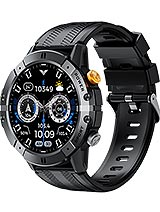
The Cubot C29 is a budget-tier wearable featuring a Zinc alloy and Stainless steel frame with a Titanium bezel for enhanced durability and a 1.52 inch TFT LCD for visual interaction, aimed at users seeking a rugged aesthetic without the high cost of premium outdoor watches. Released in August 2024, it competes in a crowded market where material quality often clashes with internal hardware limitations.
We observe a curious trend in the budget wearable sector where external craftsmanship mimics luxury devices like the Apple Watch Ultra or Garmin Phoenix series, yet the internals remain firmly entry-level. This model leans heavily into that trend. By utilizing a Titanium bezel, the manufacturer targets the perception of ruggedness and longevity. However, the price-to-performance ratio at launch suggests a strategy aimed at early adopters who prioritize style over technical depth.
Every new release faces the scrutiny of the launch window. In the case of this wearable, the initial MSRP often reflects a 'novelty tax' for the use of high-end materials like Stainless steel and Titanium. In the August 2024 market, we see numerous competitors offering similar designs at lower entry points or offering superior display technology for the same price. Our analysis of previous releases from this brand suggests a significant price softening within ninety days of launch.
Purchasing immediately at the release date feels like paying a premium for a proprietary system that lacks the ecosystem support of more established players. The market is currently flooded with alternatives from Amazfit and Xiaomi that, while perhaps using more plastic in their construction, offer far more robust software suites. We recommend a patient approach. The aesthetic value of the metal frame does not depreciate, but the market value of the hardware certainly will.
Waiting for the first major seasonal sale would align the cost more closely with the actual utility provided. The internal 128Mb memory and TFT LCD do not justify a high-tier price point regardless of how much metal is wrapped around them. It is a classic case of luxury skin on a basic skeleton.
The build quality is undeniably the highlight here. With a Zinc alloy and Stainless steel frame, the unit offers a substantial weight of 42.1 g. This provides a sense of durability that usually eludes the sub-$50 market. The Titanium bezel adds a layer of scratch resistance to the most exposed part of the device. This is a smart move for users who work in demanding environments or are prone to bumping their wrists against hard surfaces.
However, the 1.52 inch TFT LCD is a glaring compromise in 2024. Most modern wearables have shifted to AMOLED for its deep blacks and power efficiency. The 360 x 360 pixel resolution provides a respectable 335 ppi density, keeping text legible, but the backlighting of a TFT panel means the 'Always-On' experience is either non-existent or a massive battery drain. Colors will lack the punch seen on OLED competitors, and viewing angles may suffer in direct August sunlight.
The water resistance is rated at 1 ATM. We must be clear: this is not a diving watch. It is barely a swimming watch. While it might survive a splash or a brief rain shower, it lacks the professional sealing required for serious aquatic activities. This discrepancy between the 'rugged' titanium look and the actual water resistance rating is a point of concern for those expecting a true outdoor companion.
This model runs on a Proprietary OS, which means what you see is what you get. There is no app store, no third-party watch faces beyond what the companion app provides, and no deep integration with smartphone ecosystems. For some, this simplicity is a benefit. It reduces distractions and ensures the 410 mAh battery isn't taxed by background processes. For power users, it will feel like a digital cage.
Notifications are delivered via Bluetooth 5.3, ensuring a stable connection with modern smartphones. However, the experience is largely passive. Users can read alerts, but replying or interacting with them is generally not supported. The Built-in Loudspeaker allows for wrist-based calls, which is a convenient feature in this price bracket, though audio quality through such a small driver is expectedly thin and prone to distortion at high volumes.
The absence of Positioning (GPS) is the most significant hardware omission for a device that looks this rugged. Any workout tracking that requires a map—such as running or cycling—will rely entirely on the connected phone's GPS. This tethers the user to their handset, undermining the independence of the wearable. For a device launched in late 2024, the lack of GPS makes it a fashion accessory first and a fitness tool second.
A 410 mAh cell is relatively generous for a device running a lightweight proprietary OS. Without the power-hungry demands of a high-resolution OLED or GPS tracking, this unit should comfortably last through a full week of usage. This endurance is the primary trade-off for the lack of 'smart' features. Users who hate the daily charging cycle of a more expensive smartwatch will find relief here.
Charging is likely handled via a magnetic pogo-pin connector. While standard for this tier, it lacks the convenience of Qi wireless charging. We expect a full charge to take approximately two hours. Given the efficiency of the software, a quick fifteen-minute top-up should provide enough power for a full day of basic step counting and notification checking.
Overheating is rarely an issue with such low-power hardware. Since there is no high-performance processor or cellular modem (No cellular connectivity), the internal heat generation is minimal. The metal chassis also acts as a heat sink, ensuring the device remains cool against the skin even during extended workouts.
The Built-in Loudspeaker serves its purpose for system alerts and hands-free calls. In our assessment of the specs, the inclusion of a speaker at this price point is a win for utility, but expectations should be tempered. It will struggle in noisy environments like a busy street or a crowded gym.
Haptic feedback is another area where budget devices often falter. Without a high-quality linear motor, the vibration is likely to feel buzzy and loud rather than sharp and precise. This can make silent alarms less pleasant and notifications feel 'cheap' compared to the premium tactile experience of the titanium and steel exterior.
The Cubot C29 exists in a category where value drops sharply once the 'new release' marketing fades. Because it relies on a proprietary system and lacks core hardware features like GPS or NFC, its resale value will be minimal. It is a 'buy-and-hold' device rather than an investment in an ecosystem.
In three to six months, we anticipate this model will be frequently discounted. The hardware is static; it won't get smarter over time through major OS updates. Therefore, the value is entirely tied to the physical materials. If you can secure this unit at 30% off the launch price, the titanium and steel build suddenly becomes an incredible bargain. At full price, you are paying for the privilege of having the newest budget rugged look on your wrist.
The Cubot C29 is a fascinating study in material-first design. It offers the aesthetic and tactile satisfaction of a premium outdoor watch while maintaining the simplicity and price of a basic fitness tracker. It is a device for the style-conscious user who wants the 'Titanium' look without needing the professional-grade features that usually accompany it.
Our recommendation is clear: wait. Unless you have an immediate need for a durable-looking watch today, the market dynamics of August 2024 suggest that better deals are just around the corner. The build quality will remain impressive in December, but the price tag will likely be far more palatable. This is a solid piece of hardware that is currently held back by its launch-day valuation.
The Cubot C29 represents a bridge between budget functionality and premium construction, but that bridge is best crossed when the price has stabilized.
We observe a curious trend in the budget wearable sector where external craftsmanship mimics luxury devices like the Apple Watch Ultra or Garmin Phoenix series, yet the internals remain firmly entry-level. This model leans heavily into that trend. By utilizing a Titanium bezel, the manufacturer targets the perception of ruggedness and longevity. However, the price-to-performance ratio at launch suggests a strategy aimed at early adopters who prioritize style over technical depth.
The Launch Price Problem
Every new release faces the scrutiny of the launch window. In the case of this wearable, the initial MSRP often reflects a 'novelty tax' for the use of high-end materials like Stainless steel and Titanium. In the August 2024 market, we see numerous competitors offering similar designs at lower entry points or offering superior display technology for the same price. Our analysis of previous releases from this brand suggests a significant price softening within ninety days of launch.
Purchasing immediately at the release date feels like paying a premium for a proprietary system that lacks the ecosystem support of more established players. The market is currently flooded with alternatives from Amazfit and Xiaomi that, while perhaps using more plastic in their construction, offer far more robust software suites. We recommend a patient approach. The aesthetic value of the metal frame does not depreciate, but the market value of the hardware certainly will.
Waiting for the first major seasonal sale would align the cost more closely with the actual utility provided. The internal 128Mb memory and TFT LCD do not justify a high-tier price point regardless of how much metal is wrapped around them. It is a classic case of luxury skin on a basic skeleton.
Hardware Reality
The build quality is undeniably the highlight here. With a Zinc alloy and Stainless steel frame, the unit offers a substantial weight of 42.1 g. This provides a sense of durability that usually eludes the sub-$50 market. The Titanium bezel adds a layer of scratch resistance to the most exposed part of the device. This is a smart move for users who work in demanding environments or are prone to bumping their wrists against hard surfaces.
However, the 1.52 inch TFT LCD is a glaring compromise in 2024. Most modern wearables have shifted to AMOLED for its deep blacks and power efficiency. The 360 x 360 pixel resolution provides a respectable 335 ppi density, keeping text legible, but the backlighting of a TFT panel means the 'Always-On' experience is either non-existent or a massive battery drain. Colors will lack the punch seen on OLED competitors, and viewing angles may suffer in direct August sunlight.
The water resistance is rated at 1 ATM. We must be clear: this is not a diving watch. It is barely a swimming watch. While it might survive a splash or a brief rain shower, it lacks the professional sealing required for serious aquatic activities. This discrepancy between the 'rugged' titanium look and the actual water resistance rating is a point of concern for those expecting a true outdoor companion.
Software and Daily Experience
This model runs on a Proprietary OS, which means what you see is what you get. There is no app store, no third-party watch faces beyond what the companion app provides, and no deep integration with smartphone ecosystems. For some, this simplicity is a benefit. It reduces distractions and ensures the 410 mAh battery isn't taxed by background processes. For power users, it will feel like a digital cage.
Notifications are delivered via Bluetooth 5.3, ensuring a stable connection with modern smartphones. However, the experience is largely passive. Users can read alerts, but replying or interacting with them is generally not supported. The Built-in Loudspeaker allows for wrist-based calls, which is a convenient feature in this price bracket, though audio quality through such a small driver is expectedly thin and prone to distortion at high volumes.
The absence of Positioning (GPS) is the most significant hardware omission for a device that looks this rugged. Any workout tracking that requires a map—such as running or cycling—will rely entirely on the connected phone's GPS. This tethers the user to their handset, undermining the independence of the wearable. For a device launched in late 2024, the lack of GPS makes it a fashion accessory first and a fitness tool second.
Battery Life and Charging Speed
A 410 mAh cell is relatively generous for a device running a lightweight proprietary OS. Without the power-hungry demands of a high-resolution OLED or GPS tracking, this unit should comfortably last through a full week of usage. This endurance is the primary trade-off for the lack of 'smart' features. Users who hate the daily charging cycle of a more expensive smartwatch will find relief here.
Charging is likely handled via a magnetic pogo-pin connector. While standard for this tier, it lacks the convenience of Qi wireless charging. We expect a full charge to take approximately two hours. Given the efficiency of the software, a quick fifteen-minute top-up should provide enough power for a full day of basic step counting and notification checking.
Overheating is rarely an issue with such low-power hardware. Since there is no high-performance processor or cellular modem (No cellular connectivity), the internal heat generation is minimal. The metal chassis also acts as a heat sink, ensuring the device remains cool against the skin even during extended workouts.
Audio and Vibration
The Built-in Loudspeaker serves its purpose for system alerts and hands-free calls. In our assessment of the specs, the inclusion of a speaker at this price point is a win for utility, but expectations should be tempered. It will struggle in noisy environments like a busy street or a crowded gym.
Haptic feedback is another area where budget devices often falter. Without a high-quality linear motor, the vibration is likely to feel buzzy and loud rather than sharp and precise. This can make silent alarms less pleasant and notifications feel 'cheap' compared to the premium tactile experience of the titanium and steel exterior.
Depreciation Prediction
The Cubot C29 exists in a category where value drops sharply once the 'new release' marketing fades. Because it relies on a proprietary system and lacks core hardware features like GPS or NFC, its resale value will be minimal. It is a 'buy-and-hold' device rather than an investment in an ecosystem.
In three to six months, we anticipate this model will be frequently discounted. The hardware is static; it won't get smarter over time through major OS updates. Therefore, the value is entirely tied to the physical materials. If you can secure this unit at 30% off the launch price, the titanium and steel build suddenly becomes an incredible bargain. At full price, you are paying for the privilege of having the newest budget rugged look on your wrist.
Conclusion: Wait or Buy?
The Cubot C29 is a fascinating study in material-first design. It offers the aesthetic and tactile satisfaction of a premium outdoor watch while maintaining the simplicity and price of a basic fitness tracker. It is a device for the style-conscious user who wants the 'Titanium' look without needing the professional-grade features that usually accompany it.
Our recommendation is clear: wait. Unless you have an immediate need for a durable-looking watch today, the market dynamics of August 2024 suggest that better deals are just around the corner. The build quality will remain impressive in December, but the price tag will likely be far more palatable. This is a solid piece of hardware that is currently held back by its launch-day valuation.
The Cubot C29 represents a bridge between budget functionality and premium construction, but that bridge is best crossed when the price has stabilized.
Technical Specifications
| LAUNCH | |
|---|---|
| Announced | 2024, August |
| Status | Available. Released 2024, August |
| PLATFORM | |
| OS | Proprietary OS |
| BODY | |
| Dimensions | 51.9 x 49.5 x 13.4 mm (2.04 x 1.95 x 0.53 in) |
| Weight | 42.1 g (1.48 oz) |
| Build | Zinc alloy/ Stainless steel frame, titanium bezel |
| SIM | No |
| Info | 1 ATM waterproof |
| DISPLAY | |
| Type | TFT LCD |
| Size | 1.52 inches |
| Resolution | 360 x 360 pixels (~335 ppi density) |
| MEMORY | |
| Card slot | No |
| Internal | 128Mb |
| SOUND | |
| Loudspeaker | Yes |
| 3.5mm jack | No |
| COMMS | |
| WLAN | No |
| Bluetooth | 5.3, A2DP |
| Positioning | No |
| NFC | No |
| Radio | No |
| USB | No |
| NETWORK | |
| Technology | No cellular connectivity |
| 2G bands | N/A |
| 3G bands | N/A |
| 4G bands | N/A |
| Speed | No |
| GPRS | No |
| EDGE | No |
| FEATURES | |
| Sensors | Accelerometer, heart rate, SpO2, blood pressure |
| BATTERY | |
| Type | 410 mAh |
| MISC | |
| Colors | Black |
| CAMERA | |
| Info | No |