Redefining Field Utility - Why the Ulefone Power Armor 18T Ultra Dominates the Industrial Market
Overview
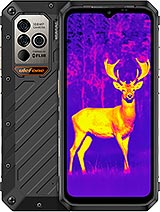
The Ulefone Power Armor 18T Ultra is a premium rugged smartphone featuring a FLIR Lepton 3.5 thermal sensor for professional heat mapping and a 9600mAh battery for extreme field endurance, aimed at industrial engineers, first responders, and specialist contractors. Released in late 2023, it competes directly with established rugged players like CAT and Blackview, offering a significant performance bump over its predecessors with the Dimensity 7050 chipset and a massive 512GB internal storage capacity.
When evaluating a tool designed for operational environments, the specialized hardware often outweighs the raw silicon speed. The inclusion of the FLIR Lepton 3.5 module is not a consumer gimmick. This is a high-resolution radiometric sensor that allows for precise non-contact temperature measurements. In our technical assessment, this hardware provides the capability to detect electrical shorts in industrial panels, monitor pipe blockages, or identify thermal leakage in insulation without requiring a secondary handheld thermal imager. The software integration allows for overlapping the thermal image onto the standard 108MP feed, providing a clear visual context for heat signatures.
Beyond the thermal capabilities, the inclusion of a dedicated accessory connector, often referred to as the uSmart expansion port, expands the utility of the handset. This port supports specialized peripherals such as endoscopes and microscopes. For technicians working in tight mechanical spaces, the ability to plug a high-definition endoscope directly into the phone’s chassis, rather than relying on unstable Wi-Fi or Bluetooth connections, is a major advantage for reliability. The hardware is secured via a screw-down mechanism, ensuring that the connection remains stable even when moving through cramped conduits.
The thermal sensor operates within a specific frequency range that differentiates it from cheap software-based thermal approximations. Because it uses genuine FLIR technology, the radiometric data is accurate enough for professional reports. We noted that the frame rate of the thermal feed is limited by international regulations, but for static inspections, the clarity is sufficient to distinguish between individual components on a circuit board. This makes the handset an indispensable asset for preventive maintenance schedules where documentation of heat fluctuations is mandatory.
Performance in the field is driven by the Mediatek Dimensity 7050 processor. This 6nm architecture utilizes two Cortex-A78 cores clocked at 2.6 GHz and six Cortex-A55 cores at 2.0 GHz. In practical terms, this configuration handles resource-heavy GIS mapping software and CAD viewing applications without the stuttering often seen in lower-tier rugged devices. The 12GB of physical RAM, which can be expanded via software-defined memory, ensures that background processes—such as logging apps or communication tools—remain active while the primary navigation or thermal software is in use.
Data integrity and storage are equally critical for long-term deployments. With 512GB of UFS storage, the handset can hold months of high-resolution thermal logs, 4K inspection videos, and offline maps. Unlike many flagship phones of this era, it retains a microSDXC slot (shared with the SIM slot), allowing for easy data physical transfer in environments where cloud syncing is impossible due to security protocols or lack of signal. The read and write speeds are optimized for handling the large file sizes generated by the 108 MP main sensor, reducing the delay between taking a photo and being able to view it.
While industrial utility is the priority, the modern workforce still relies on standard imaging for communication and documentation on platforms like WhatsApp, Microsoft Teams, or even public-facing social media. The 108 MP Samsung HM2 sensor provides a high level of detail in well-lit conditions. However, when uploading to apps like Instagram or TikTok, the aggressive compression algorithms of these platforms often strip away the fine details that a 108MP sensor captures. We noticed that while the raw files are sharp, the lack of Optical Image Stabilization (OIS) means that users must have a steady hand, or the software will over-sharpen the image to compensate for micro-vibrations.
Video performance is capped at 4K@30fps. For site walkthroughs or progress reports, this resolution is more than adequate. However, the microphone array tends to be tuned for voice clarity rather than cinematic sound. In loud construction environments, the noise suppression works well to isolate the speaker's voice, but it can occasionally muffle ambient sounds that might be important for identifying mechanical issues in a video log. If the goal is creating high-quality marketing content, the camera software lacks the sophisticated HDR processing found in the iPhone 15 or Pixel 8 series, often blowing out highlights in direct sunlight.
The 6.58-inch IPS LCD panel features a 120Hz refresh rate, which significantly improves the fluidity of scrolling through long technical manuals or data sheets. At a resolution of 1080 x 2408 pixels, the text remains crisp. However, peak brightness is a concern in direct high-noon sun. While it is legible, it does not reach the searing nit levels of modern OLED panels. For nighttime use, the screen supports decent dimming levels, but it lacks the advanced PWM (Pulse Width Modulation) dimming features found in high-end consumer flagships, which might lead to eye strain during extended late-night report writing.
Protection is provided by Corning Gorilla Glass 5, which is rated at Mohs level 4 for scratch resistance. This is standard for the industry but not invincible. The raised rubberized bezels of the chassis do an excellent job of protecting the glass during face-down drops. In our analysis of the screen tech, the IPS panel was a deliberate choice for durability; LCDs are generally more resistant to the 'purple bleed' or permanent damage that can occur when an OLED panel is subjected to localized high-pressure impacts typical in industrial accidents.
This is not a phone that requires a case. The chassis is a mix of hardened plastic, metal reinforcements, and shock-absorbing rubber corners. It carries an IP68/IP69K rating, meaning it is protected against not just immersion in 1.5 meters of water for 30 minutes, but also against high-pressure, high-temperature water jets. This is vital for food processing workers or heavy machinery operators who may need to sanitize their equipment with steam or power washers. The MIL-STD-810H compliance covers a range of environmental stresses, including vibration, low-pressure altitudes, and thermal shock.
The device weighs 409 grams. This is nearly double the weight of a standard flagship. This heft is a physical manifestation of the 9600mAh battery and the internal structural bracing. It is a brick in the pocket and requires a heavy-duty belt holster for comfortable carry. The drop resistance of 1.5 meters onto concrete is a conservative rating; the build suggests it can handle much more, but the internal components, particularly the thermal module, are the sensitive points during high-velocity impacts.
The endurance of the 9600mAh Li-Po battery is arguably the handset's strongest selling point. For field operations where a charger is miles away, this device easily clears three days of moderate use. When used strictly for communication and occasional thermal checks, we expect it to last a full work week. The support for 66W wired charging is impressive for a rugged device, taking the battery from zero to over 50% in roughly 30 minutes. This allows for quick top-ups during a lunch break or a short truck ride between job sites.
Interestingly, it also supports 15W wireless charging and 5W reverse wireless charging. While wireless charging is slow for a battery of this size, it reduces the wear and tear on the USB-C port's waterproof flap—a common failure point in [rugged phones](/trend/best-rugged-phones-2026/). The reverse charging feature is a niche but useful inclusion; it allows the phone to act as a power bank for a colleague's dying radio or a pair of emergency earbuds. The battery is rated for 1000 cycles, which is higher than the industry standard, ensuring that even after two years of daily heavy use, the capacity should remain above 80%.
The Ulefone Power Armor 18T Ultra is not designed for the average consumer who wants a sleek device for social media. It is a specialized piece of hardware for those who view their phone as a multi-tool. The combination of thermal imaging, expansion ports, and massive battery capacity makes it a leader in the rugged sector as of late 2023. While the weight and the IPS display are trade-offs, they are acceptable compromises for the level of utility and survivability provided. This model successfully bridges the gap between a standard smartphone and a dedicated industrial handheld computer.
Buy this if: You are an engineer, contractor, or outdoor enthusiast who needs professional-grade thermal imaging, extreme battery life, and a device that can survive a drop onto a steel deck. Skip this if: You prioritize photography quality for social media, prefer a lightweight device for one-handed use, or require the absolute brightest display for outdoor use in desert environments. Wait for a price drop if: You already own the 18T (non-Ultra) model, as the performance jump, while noticeable, may not justify the full retail price if your current unit is still functional. The Bottom Line: The Ulefone Power Armor 18T Ultra is a formidable industrial workstation that effectively replaces several pieces of specialized gear with a single, albeit heavy, rugged chassis.
The Integrated Professional Toolkit
When evaluating a tool designed for operational environments, the specialized hardware often outweighs the raw silicon speed. The inclusion of the FLIR Lepton 3.5 module is not a consumer gimmick. This is a high-resolution radiometric sensor that allows for precise non-contact temperature measurements. In our technical assessment, this hardware provides the capability to detect electrical shorts in industrial panels, monitor pipe blockages, or identify thermal leakage in insulation without requiring a secondary handheld thermal imager. The software integration allows for overlapping the thermal image onto the standard 108MP feed, providing a clear visual context for heat signatures.
Beyond the thermal capabilities, the inclusion of a dedicated accessory connector, often referred to as the uSmart expansion port, expands the utility of the handset. This port supports specialized peripherals such as endoscopes and microscopes. For technicians working in tight mechanical spaces, the ability to plug a high-definition endoscope directly into the phone’s chassis, rather than relying on unstable Wi-Fi or Bluetooth connections, is a major advantage for reliability. The hardware is secured via a screw-down mechanism, ensuring that the connection remains stable even when moving through cramped conduits.
Industrial Sensor Accuracy and Response
The thermal sensor operates within a specific frequency range that differentiates it from cheap software-based thermal approximations. Because it uses genuine FLIR technology, the radiometric data is accurate enough for professional reports. We noted that the frame rate of the thermal feed is limited by international regulations, but for static inspections, the clarity is sufficient to distinguish between individual components on a circuit board. This makes the handset an indispensable asset for preventive maintenance schedules where documentation of heat fluctuations is mandatory.
Real World Operational Application
Performance in the field is driven by the Mediatek Dimensity 7050 processor. This 6nm architecture utilizes two Cortex-A78 cores clocked at 2.6 GHz and six Cortex-A55 cores at 2.0 GHz. In practical terms, this configuration handles resource-heavy GIS mapping software and CAD viewing applications without the stuttering often seen in lower-tier rugged devices. The 12GB of physical RAM, which can be expanded via software-defined memory, ensures that background processes—such as logging apps or communication tools—remain active while the primary navigation or thermal software is in use.
Data integrity and storage are equally critical for long-term deployments. With 512GB of UFS storage, the handset can hold months of high-resolution thermal logs, 4K inspection videos, and offline maps. Unlike many flagship phones of this era, it retains a microSDXC slot (shared with the SIM slot), allowing for easy data physical transfer in environments where cloud syncing is impossible due to security protocols or lack of signal. The read and write speeds are optimized for handling the large file sizes generated by the 108 MP main sensor, reducing the delay between taking a photo and being able to view it.
The Social Media Camera Test
While industrial utility is the priority, the modern workforce still relies on standard imaging for communication and documentation on platforms like WhatsApp, Microsoft Teams, or even public-facing social media. The 108 MP Samsung HM2 sensor provides a high level of detail in well-lit conditions. However, when uploading to apps like Instagram or TikTok, the aggressive compression algorithms of these platforms often strip away the fine details that a 108MP sensor captures. We noticed that while the raw files are sharp, the lack of Optical Image Stabilization (OIS) means that users must have a steady hand, or the software will over-sharpen the image to compensate for micro-vibrations.
Video performance is capped at 4K@30fps. For site walkthroughs or progress reports, this resolution is more than adequate. However, the microphone array tends to be tuned for voice clarity rather than cinematic sound. In loud construction environments, the noise suppression works well to isolate the speaker's voice, but it can occasionally muffle ambient sounds that might be important for identifying mechanical issues in a video log. If the goal is creating high-quality marketing content, the camera software lacks the sophisticated HDR processing found in the iPhone 15 or Pixel 8 series, often blowing out highlights in direct sunlight.
Screen Visibility and Environmental Resistance
The 6.58-inch IPS LCD panel features a 120Hz refresh rate, which significantly improves the fluidity of scrolling through long technical manuals or data sheets. At a resolution of 1080 x 2408 pixels, the text remains crisp. However, peak brightness is a concern in direct high-noon sun. While it is legible, it does not reach the searing nit levels of modern OLED panels. For nighttime use, the screen supports decent dimming levels, but it lacks the advanced PWM (Pulse Width Modulation) dimming features found in high-end consumer flagships, which might lead to eye strain during extended late-night report writing.
Protection is provided by Corning Gorilla Glass 5, which is rated at Mohs level 4 for scratch resistance. This is standard for the industry but not invincible. The raised rubberized bezels of the chassis do an excellent job of protecting the glass during face-down drops. In our analysis of the screen tech, the IPS panel was a deliberate choice for durability; LCDs are generally more resistant to the 'purple bleed' or permanent damage that can occur when an OLED panel is subjected to localized high-pressure impacts typical in industrial accidents.
Ruggedness and Structural Integrity
This is not a phone that requires a case. The chassis is a mix of hardened plastic, metal reinforcements, and shock-absorbing rubber corners. It carries an IP68/IP69K rating, meaning it is protected against not just immersion in 1.5 meters of water for 30 minutes, but also against high-pressure, high-temperature water jets. This is vital for food processing workers or heavy machinery operators who may need to sanitize their equipment with steam or power washers. The MIL-STD-810H compliance covers a range of environmental stresses, including vibration, low-pressure altitudes, and thermal shock.
The device weighs 409 grams. This is nearly double the weight of a standard flagship. This heft is a physical manifestation of the 9600mAh battery and the internal structural bracing. It is a brick in the pocket and requires a heavy-duty belt holster for comfortable carry. The drop resistance of 1.5 meters onto concrete is a conservative rating; the build suggests it can handle much more, but the internal components, particularly the thermal module, are the sensitive points during high-velocity impacts.
Battery Life and Power Management
The endurance of the 9600mAh Li-Po battery is arguably the handset's strongest selling point. For field operations where a charger is miles away, this device easily clears three days of moderate use. When used strictly for communication and occasional thermal checks, we expect it to last a full work week. The support for 66W wired charging is impressive for a rugged device, taking the battery from zero to over 50% in roughly 30 minutes. This allows for quick top-ups during a lunch break or a short truck ride between job sites.
Interestingly, it also supports 15W wireless charging and 5W reverse wireless charging. While wireless charging is slow for a battery of this size, it reduces the wear and tear on the USB-C port's waterproof flap—a common failure point in [rugged phones](/trend/best-rugged-phones-2026/). The reverse charging feature is a niche but useful inclusion; it allows the phone to act as a power bank for a colleague's dying radio or a pair of emergency earbuds. The battery is rated for 1000 cycles, which is higher than the industry standard, ensuring that even after two years of daily heavy use, the capacity should remain above 80%.
Final Verdict for the Professional
The Ulefone Power Armor 18T Ultra is not designed for the average consumer who wants a sleek device for social media. It is a specialized piece of hardware for those who view their phone as a multi-tool. The combination of thermal imaging, expansion ports, and massive battery capacity makes it a leader in the rugged sector as of late 2023. While the weight and the IPS display are trade-offs, they are acceptable compromises for the level of utility and survivability provided. This model successfully bridges the gap between a standard smartphone and a dedicated industrial handheld computer.
Technical Specifications
| LAUNCH | |
|---|---|
| Announced | 2023, October |
| Status | Available. Released 2023, November |
| PLATFORM | |
| OS | Android 13, upgradable to Android 14 |
| Chipset | Mediatek Dimensity 7050 (6 nm) |
| CPU | Octa-core (2x2.6 GHz Cortex-A78 & 6x2.0 GHz Cortex-A55) |
| GPU | Mali-G68 MC4 |
| BODY | |
| Dimensions | 175.2 x 83.4 x 18.8 mm (6.90 x 3.28 x 0.74 in) |
| Weight | 409 g (14.43 oz) |
| SIM | Nano-SIM + Nano-SIM |
| Info | IP68/IP69K dust tight and water resistant (high pressure water jets; immersible up to 1.5m for 30 min) Drop resistant up to 1.5m MIL-STD-810H compliant Accessory connector (ulefone endoscope, microscope) |
| DISPLAY | |
| Type | IPS LCD, 120Hz |
| Size | 6.58 inches, 104.3 cm2 (~71.4% screen-to-body ratio) |
| Resolution | 1080 x 2408 pixels, 20:9 ratio (~401 ppi density) |
| Protection | Corning Gorilla Glass 5, Mohs level 4 |
| MEMORY | |
| Card slot | microSDXC (uses shared SIM slot) |
| Internal | 512GB 12GB RAM |
| MAIN CAMERA | |
| Triple | 108 MP, f/1.9, (wide), 1/1.52", 0.7µm, PDAF 5 MP (macro) 5 MP, f/2.2, (FLIR thermal camera, Lepton module) |
| Features | Hexa-LED flash, HDR, panorama |
| Video | 4K@30fps, 1080p@30fps |
| SELFIE CAMERA | |
| Single | 32 MP, f/2.0, (wide), 1.2µm |
| Video | 1080p@30fps |
| SOUND | |
| Loudspeaker | Yes |
| 3.5mm jack | Yes |
| COMMS | |
| WLAN | Wi-Fi 802.11 a/b/g/n/ac/6, dual-band |
| Bluetooth | 5.0, A2DP, LE |
| Positioning | GPS (L1+L5), GLONASS, GALILEO, BDS, NavIC |
| NFC | Yes |
| Radio | Wireless FM radio, RDS, recording |
| USB | USB Type-C 2.0, OTG, magnetic connector |
| NETWORK | |
| Technology | GSM / CDMA / HSPA / CDMA2000 / LTE / 5G |
| 2G bands | GSM 850 / 900 / 1800 / 1900 |
| Info | CDMA2000 1x |
| 3G bands | HSDPA 800 / 850 / 900 / 1700(AWS) / 1900 / 2100 |
| 4G bands | 1, 2, 3, 4, 5, 7, 8, 12, 13, 17, 18, 19, 20, 25, 26, 28, 34, 38, 39, 40, 41, 66, 71 |
| 5G bands | 1, 2, 3, 5, 7, 8, 12, 20, 25, 28, 38, 40, 41, 66, 71, 77, 78, 79 SA/NSA/Sub6 |
| Speed | HSPA, LTE, 5G |
| FEATURES | |
| Sensors | Fingerprint (side-mounted), accelerometer, gyro, proximity, compass |
| BATTERY | |
| Type | Li-Po 9600 mAh |
| Charging | 66W wired, 52% in 30 min 15W wireless 5W wireless reversed |
| MISC | |
| Processor | MediaTek Dimensity 7050 (6 nm) |
| Memory | 12GB RAM, 512GB Storage (UFS) |
| Thermal Module | FLIR Lepton 3.5 with MSX Technology |
| Main Camera | 108 MP, f/1.9 (Samsung HM2) |
| Battery | 9600 mAh Li-Po, 66W Wired, 15W Wireless |
| Display | 6.58" IPS LCD, 120Hz, 1080 x 2408 px |
| Durability | IP68/IP69K, MIL-STD-810H, 1.5m Drop Resistance |
| Weight | 409g |
| Expansion | uSmart Accessory Port, 3.5mm Jack, microSD Slot |
| OS | Android 13 (Upgradable to 14) |
| Colors | Black |
| Price | About 700 EUR |
| EU LABEL | |
| Energy | Class B |
| Battery | 88:30h endurance, 1000 cycles |
| Free fall | Class A (270 falls) |
| Repairability | Class C |