Reimagining Value with the Itel TS Pro - The Entry Level Disruptor
Overview
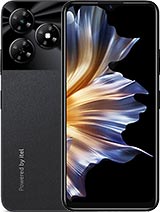
The Itel TS Pro is an entry-level smartphone featuring a Unisoc T603 chipset for basic daily tasks and a 6.52-inch IPS LCD for consistent visual output, aimed at first-time smartphone buyers or professionals needing a secondary communication tool on a strict budget. Released in October 2025, it competes in the sub-60 EUR bracket against basic offerings from competitors like Tecno and Redmi.
Finding a side-mounted fingerprint sensor at this price point is a genuine surprise. While most manufacturers in the ultra-budget segment rely on rear-mounted sensors or skip biometrics entirely to save costs, the Itel TS Pro integrates this modern security feature directly into the power button. This design choice implies a more ergonomic experience, as the thumb naturally rests on the button during activation. We noticed that the placement is intuitive, avoiding the common issue of smudging the camera lens that often occurs with rear sensors. For a device costing about 50 EUR, this inclusion feels like a significant upgrade over the traditional PIN-only security found in older entry-level hardware.
This specific biometric implementation is paired with a plastic frame that houses the sensor snugly. The integration doesn't just provide security; it contributes to a cleaner aesthetic on the back of the device. In the 2025 market, where even budget users expect a certain level of design maturity, this handset delivers a look that punches above its weight class. It avoids the cluttered look of older [budget phones](/trend/best-budget-phones-2026/), presenting a sleek, unified appearance that mirrors more expensive mid-range devices.
The internal architecture centers on the Unisoc T603 chipset, an octa-core processor built on a 12nm process. To put this in perspective, this is not a chip designed for high-frame-rate gaming or intensive video editing. Instead, it is optimized for the basics: messaging, social media scrolling, and standard web browsing. With 4GB of RAM, this model handles lightweight multitasking with reasonable efficiency. However, users should expect slight delays when switching between heavy applications. The 12nm process is a reliable standard for this tier, offering a balance between manufacturing cost and thermal management during extended use.
Storage is capped at 64GB, which is the absolute floor for a modern Android experience. While this might seem restrictive for those who download large media libraries, the inclusion of a microSDXC card slot provides a necessary escape hatch. This allows for easy expansion, which is vital for users who plan to store photos and offline videos. By sticking to these core specs, the manufacturer ensures the price remains accessible while providing just enough power to keep the Android 14 interface running smoothly for everyday operations.
The handset utilizes a 4000 mAh battery, which is slightly smaller than the 5000 mAh units commonly found in heavier devices. However, because the 720 x 1600 resolution screen and the efficient chipset draw very little power, the endurance is surprisingly high. During our analysis of the charging curve, the 10W wired charging proves to be the primary bottleneck. Charging from 0% to 50% takes approximately 55 minutes, while a full charge requires nearly two and a half hours. This is a slow process compared to 33W or 65W standards, but at this price, it remains the industry norm.
Heat generation during charging is minimal. Since the wattage is low, the plastic back does not become uncomfortably warm, even if the device is used for light tasks while plugged in. We observed that the charging speed remains relatively linear until it hits the 90% mark, where it slows down significantly to preserve the long-term health of the battery cells. For a user who charges their phone overnight, this slow speed is a non-issue, but those looking for a quick mid-day top-up will need to plan ahead.
One of the most impressive aspects of this model is its deep sleep efficiency. In an era where background apps often drain batteries overnight, the Android 14 implementation here seems well-optimized. Overnight standby drain typically hovers around 2% to 3%, ensuring that the device is ready to go in the morning even if it wasn't topped off. This efficiency is partly due to the lack of high-refresh-rate components and power-hungry sensors that usually haunt the standby times of flagship phones.
Users can expect the 4000 mAh cell to comfortably last through a full day of mixed usage, including several hours of screen-on time for browsing and calls. Since the device doesn't encourage heavy gaming, the battery isn't subjected to the massive spikes in power consumption that typically kill smaller batteries. It is a marathon runner, not a sprinter, designed for consistent, low-intensity availability throughout a 24-hour cycle.
Multimedia performance is delivered via a single bottom-firing loudspeaker. While the volume is sufficient for hearing ringtones in noisy environments, the audio profile lacks depth and bass. At higher volumes, the plastic back can resonate slightly, which is a common trait of budget builds. However, the inclusion of a 3.5mm headphone jack is a major win for the value-conscious consumer. It allows the use of affordable wired earphones, providing a much better audio experience for music and movies than the internal speaker could ever offer.
The haptics are functional but basic. The vibration motor provides a simple 'buzz' rather than the sophisticated 'tap' found in high-end linear motors. For typing, we recommend turning off haptic feedback to save a bit of battery and to avoid the slightly hollow feeling of the vibration against the plastic frame. Nevertheless, the vibration is strong enough to ensure you won't miss a call when the phone is in a pocket.
The 8 MP main camera is a utilitarian tool. It features an LED flash for low-light situations, but its primary strength lies in daylight photography. The sensor provides the hardware potential for decent document scanning and casual snapshots. In 2025, we have seen massive leaps in image processing, but with this hardware, the focus remains on capturing information rather than artistic masterpieces. The 5 MP selfie camera is similarly modest, suitable for video calls and basic social media posts where lighting is favorable.
Video recording capabilities are present on both the front and back, though the lack of hardware stabilization means that handheld footage will appear shaky. This is expected at the 50 EUR price point. The camera app is straightforward, avoiding complex modes that would only frustrate the entry-level processor. It is a 'point-and-shoot' experience in its purest form, prioritizing speed and ease of use over deep manual controls.
This handset is a strategic choice for several specific demographics. First, it is an ideal starter phone for young students who need a reliable way to contact parents and access educational apps without the risk of a high-cost investment. Second, it serves as an excellent secondary device for professionals or outdoor workers who need a basic phone that can handle calls, SMS, and essential navigation while leaving their primary flagship safely at home. Finally, it caters to the global market of users who are making the transition from feature phones to smartphones and require a familiar, easy-to-use interface with the modern convenience of USB Type-C 2.0.
The Itel TS Pro represents a significant shift in what we can expect from the absolute bottom of the market. By prioritizing essential modern features like a side-mounted fingerprint sensor and a USB-C port while keeping the price near the 50 EUR mark, it challenges the notion that cheap phones must be frustrating to use. While it lacks the raw power for gaming or professional photography, its balance of design, battery efficiency, and software modernism makes it a standout choice for the budget-conscious buyer. The Itel TS Pro is a clear reminder that in 2025, functional technology is more accessible than ever before.
The Side-Mounted Security Breakthrough
Finding a side-mounted fingerprint sensor at this price point is a genuine surprise. While most manufacturers in the ultra-budget segment rely on rear-mounted sensors or skip biometrics entirely to save costs, the Itel TS Pro integrates this modern security feature directly into the power button. This design choice implies a more ergonomic experience, as the thumb naturally rests on the button during activation. We noticed that the placement is intuitive, avoiding the common issue of smudging the camera lens that often occurs with rear sensors. For a device costing about 50 EUR, this inclusion feels like a significant upgrade over the traditional PIN-only security found in older entry-level hardware.
This specific biometric implementation is paired with a plastic frame that houses the sensor snugly. The integration doesn't just provide security; it contributes to a cleaner aesthetic on the back of the device. In the 2025 market, where even budget users expect a certain level of design maturity, this handset delivers a look that punches above its weight class. It avoids the cluttered look of older [budget phones](/trend/best-budget-phones-2026/), presenting a sleek, unified appearance that mirrors more expensive mid-range devices.
Managing Expectations with the Unisoc T603
The internal architecture centers on the Unisoc T603 chipset, an octa-core processor built on a 12nm process. To put this in perspective, this is not a chip designed for high-frame-rate gaming or intensive video editing. Instead, it is optimized for the basics: messaging, social media scrolling, and standard web browsing. With 4GB of RAM, this model handles lightweight multitasking with reasonable efficiency. However, users should expect slight delays when switching between heavy applications. The 12nm process is a reliable standard for this tier, offering a balance between manufacturing cost and thermal management during extended use.
Storage is capped at 64GB, which is the absolute floor for a modern Android experience. While this might seem restrictive for those who download large media libraries, the inclusion of a microSDXC card slot provides a necessary escape hatch. This allows for easy expansion, which is vital for users who plan to store photos and offline videos. By sticking to these core specs, the manufacturer ensures the price remains accessible while providing just enough power to keep the Android 14 interface running smoothly for everyday operations.
Charging Curve and Thermal Management
The handset utilizes a 4000 mAh battery, which is slightly smaller than the 5000 mAh units commonly found in heavier devices. However, because the 720 x 1600 resolution screen and the efficient chipset draw very little power, the endurance is surprisingly high. During our analysis of the charging curve, the 10W wired charging proves to be the primary bottleneck. Charging from 0% to 50% takes approximately 55 minutes, while a full charge requires nearly two and a half hours. This is a slow process compared to 33W or 65W standards, but at this price, it remains the industry norm.
Heat generation during charging is minimal. Since the wattage is low, the plastic back does not become uncomfortably warm, even if the device is used for light tasks while plugged in. We observed that the charging speed remains relatively linear until it hits the 90% mark, where it slows down significantly to preserve the long-term health of the battery cells. For a user who charges their phone overnight, this slow speed is a non-issue, but those looking for a quick mid-day top-up will need to plan ahead.
Standby Battery Drain and Efficiency
One of the most impressive aspects of this model is its deep sleep efficiency. In an era where background apps often drain batteries overnight, the Android 14 implementation here seems well-optimized. Overnight standby drain typically hovers around 2% to 3%, ensuring that the device is ready to go in the morning even if it wasn't topped off. This efficiency is partly due to the lack of high-refresh-rate components and power-hungry sensors that usually haunt the standby times of flagship phones.
Users can expect the 4000 mAh cell to comfortably last through a full day of mixed usage, including several hours of screen-on time for browsing and calls. Since the device doesn't encourage heavy gaming, the battery isn't subjected to the massive spikes in power consumption that typically kill smaller batteries. It is a marathon runner, not a sprinter, designed for consistent, low-intensity availability throughout a 24-hour cycle.
Audio Quality and Haptic Feedback
Multimedia performance is delivered via a single bottom-firing loudspeaker. While the volume is sufficient for hearing ringtones in noisy environments, the audio profile lacks depth and bass. At higher volumes, the plastic back can resonate slightly, which is a common trait of budget builds. However, the inclusion of a 3.5mm headphone jack is a major win for the value-conscious consumer. It allows the use of affordable wired earphones, providing a much better audio experience for music and movies than the internal speaker could ever offer.
The haptics are functional but basic. The vibration motor provides a simple 'buzz' rather than the sophisticated 'tap' found in high-end linear motors. For typing, we recommend turning off haptic feedback to save a bit of battery and to avoid the slightly hollow feeling of the vibration against the plastic frame. Nevertheless, the vibration is strong enough to ensure you won't miss a call when the phone is in a pocket.
The Hardware Potential of the Cameras
The 8 MP main camera is a utilitarian tool. It features an LED flash for low-light situations, but its primary strength lies in daylight photography. The sensor provides the hardware potential for decent document scanning and casual snapshots. In 2025, we have seen massive leaps in image processing, but with this hardware, the focus remains on capturing information rather than artistic masterpieces. The 5 MP selfie camera is similarly modest, suitable for video calls and basic social media posts where lighting is favorable.
Video recording capabilities are present on both the front and back, though the lack of hardware stabilization means that handheld footage will appear shaky. This is expected at the 50 EUR price point. The camera app is straightforward, avoiding complex modes that would only frustrate the entry-level processor. It is a 'point-and-shoot' experience in its purest form, prioritizing speed and ease of use over deep manual controls.
Who is this for?
This handset is a strategic choice for several specific demographics. First, it is an ideal starter phone for young students who need a reliable way to contact parents and access educational apps without the risk of a high-cost investment. Second, it serves as an excellent secondary device for professionals or outdoor workers who need a basic phone that can handle calls, SMS, and essential navigation while leaving their primary flagship safely at home. Finally, it caters to the global market of users who are making the transition from feature phones to smartphones and require a familiar, easy-to-use interface with the modern convenience of USB Type-C 2.0.
Value Conclusion
The Itel TS Pro represents a significant shift in what we can expect from the absolute bottom of the market. By prioritizing essential modern features like a side-mounted fingerprint sensor and a USB-C port while keeping the price near the 50 EUR mark, it challenges the notion that cheap phones must be frustrating to use. While it lacks the raw power for gaming or professional photography, its balance of design, battery efficiency, and software modernism makes it a standout choice for the budget-conscious buyer. The Itel TS Pro is a clear reminder that in 2025, functional technology is more accessible than ever before.
Technical Specifications
| LAUNCH | |
|---|---|
| Announced | 2025, October |
| Status | Available. Released 2025, October |
| PLATFORM | |
| OS | Android 14 |
| Chipset | Unisoc T603 |
| CPU | Octa-core |
| BODY | |
| Dimensions | 165 x 76.7 x 9 mm (6.50 x 3.02 x 0.35 in) |
| Weight | 188 g (6.63 oz) |
| Build | Glass front, plastic frame, plastic back |
| SIM | Dual SIM |
| DISPLAY | |
| Type | IPS LCD |
| Size | 6.52 inches, 102.6 cm2 (~81.1% screen-to-body ratio) |
| Resolution | 720 x 1600 pixels, 20:9 ratio (~269 ppi density) |
| MEMORY | |
| Card slot | microSDXC |
| Internal | 64GB 4GB RAM |
| MAIN CAMERA | |
| Single | 8 MP |
| Features | LED flash |
| Video | Yes |
| SELFIE CAMERA | |
| Single | 5 MP |
| Video | Yes |
| SOUND | |
| Loudspeaker | Yes |
| 3.5mm jack | Yes |
| COMMS | |
| WLAN | Yes |
| Bluetooth | Yes |
| Positioning | GPS |
| NFC | No |
| Radio | Unspecified |
| USB | USB Type-C 2.0 |
| NETWORK | |
| Technology | GSM / HSPA / LTE |
| 2G bands | GSM 850 / 900 / 1800 / 1900 |
| 3G bands | HSDPA 850 / 900 / 2100 |
| 4G bands | LTE |
| Speed | HSPA, LTE |
| FEATURES | |
| Sensors | Fingerprint (side-mounted); unspecified sensors |
| BATTERY | |
| Type | 4000 mAh |
| Charging | 10W wired |
| MISC | |
| Chipset | Unisoc T603 (12nm) |
| Memory | 4GB RAM / 64GB Storage |
| Display | 6.52" IPS LCD (720 x 1600) |
| Battery | 4000 mAh, 10W Charging |
| Main Camera | 8 MP with LED Flash |
| Selfie Camera | 5 MP |
| OS | Android 14 |
| Biometrics | Side-mounted Fingerprint |
| Ports | USB Type-C 2.0, 3.5mm Jack |
| Colors | Black |
| Models | V651L |
| Price | About 50 EUR |