Reliability Redefined - Why the Nokia 110 (2023) Still Commands Respect in a Smartphone World
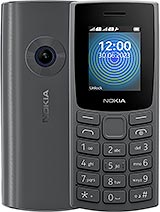
Overview
Nokia 110 (2023) is a budget-tier feature phone featuring a 1.8-inch TFT LCD display for essential communication and a 1000 mAh removable battery for multi-day endurance, aimed at users needing a secondary backup device or a distraction-free mobile experience. Released in June 2023, it competes with basic handsets from brands like Itel and Samsung’s remaining feature phone inventory in the sub-€50 price bracket.
Predicting the trajectory of a device like the Nokia 110 (2023) requires a shift in perspective. While the tech world obsesses over silicon fabrication nodes and AI integration, this handset operates on a timeline of pure utility. It relies on GSM 900 / 1800 network technology. In the context of mid-2023, we are seeing a massive divergence in network infrastructure. In North America and parts of East Asia, 2G is a relic of the past. However, in Europe, Africa, and parts of Southeast Asia, these bands remain the backbone of rural communication. This device isn't designed for the 5G era; it's a tool for the environments where 5G doesn't reach.
Physically, the handset should age gracefully. The use of through-colored polycarbonate means that as the device inevitably gets scratched or scuffed over the next three years, the color remains consistent rather than peeling away like painted finishes on more expensive phones. The splash resistant rating is a critical addition. While it won't survive a plunge into a pool, it offers a layer of protection against light rain or a spilled glass of water, which is often the silent killer of ultra-budget electronics.
One does not buy the Nokia 110 (2023) expecting monthly security patches or feature drops. The proprietary software used here is finalized at the factory. This creates a unique form of stability. There is no bloatware that will slow the device down over time as it updates, simply because there are no updates. We find this "static software" approach refreshing for a backup device. The system as it exists today is exactly how it will function in 2026, assuming the hardware remains intact.
Historical data suggests that Nokia-branded feature phones maintain their functionality long after their smartphone contemporaries have become e-waste. The 1000 mAh Li-Ion battery is the centerpiece of this longevity. Because the power draw of a 120 x 160 pixels TFT screen is negligible, the device can sit in a car's glovebox or an emergency kit for days without losing its charge. Even better, the battery is user-replaceable. In three years, when the original cell begins to degrade, a new one can be swapped in for a few Euros without tools.
From an ecosystem analyst's view, the Nokia 110 (2023) is not an investment; it is a sunk cost that pays dividends in reliability. With a launch price of approximately 50 EUR, the resale value in two years will likely hover around 15-20 EUR. However, Nokia branding carries a specific weight in the second-hand market. While generic feature phones often have zero resale value, Nokia units are frequently sought after for their known durability and ease of use for elderly populations.
We anticipate this model will hold its value better than the 2021 or 2019 versions simply due to the refined ergonomics and the inclusion of the Wireless FM radio. The ability to listen to broadcasts without needing a 3.5mm headset as an antenna is a major selling point for rural users and outdoor workers. It transforms the phone from a simple communication tool into a standalone media device that doesn't rely on data plans or external accessories.
The unboxing experience is intentionally utilitarian. Inside the recycled cardboard box, you find the handset, the 1000 mAh battery, and a standard microUSB 1.1 wall charger. The absence of a 3.5mm jack in the official specs is a surprising move for a device that advertises an MP3 player. This implies that the user is expected to use the built-in loudspeaker for audio playback, as the device also lacks Bluetooth connectivity. This creates a very specific usage scenario: it is a broadcast device, not a private listening one.
Accessory compatibility is limited but focused. The microSDHC slot is the most important expansion point. Supporting cards up to 32GB, it allows the phone to store thousands of low-bitrate MP3s. For users in 2023, 32GB cards are incredibly cheap, often costing less than 10 EUR. This makes the handset one of the most cost-effective dedicated music players on the market, provided you don't mind the public nature of the loudspeaker or the QVGA camera’s 320 x 240 resolution snapshots.
Looking toward 2026, the Nokia 110 (2023) will likely remain a staple in the "emergency phone" category. The flashlight feature alone ensures it has a place in household junk drawers or camping kits. While the QVGA camera will feel like a total antiquity by then, its purpose isn't photography—it's visual note-taking, like snapping a picture of a serial number or a parking spot location.
The tactile keypad is built for high-cycle usage. Unlike the capacitive touchscreens that can ghost-touch or fail when cracked, these physical buttons offer a predictable mechanical lifespan. For a senior journalist who has seen thousands of glass slabs shatter, there is a profound sense of security in a device that can survive a drop onto concrete and merely pop its back cover off rather than disintegrating.
This device represents the ultimate distillation of what a mobile phone was originally intended to be. It strips away the anxiety of notifications, the drain of social media, and the fragility of modern glass-and-metal designs. It is a tool of pure function. Whether used as a burner phone, a child's first device, or a reliable backup for a world traveler, its value is found in its limitations.
Nokia 110 (2023) is a testament to the idea that some technologies don't need to evolve; they just need to work. In an era where flagship prices are soaring toward the 1,500 EUR mark, the existence of a reliable communication tool for 50 EUR is more than just a market anomaly—it's a necessity for digital inclusion. We expect this model to be a common sight in the pockets of those who value their time and their privacy over the latest pixel counts or refresh rates.
The Longevity of the Analog Aesthetic
Predicting the trajectory of a device like the Nokia 110 (2023) requires a shift in perspective. While the tech world obsesses over silicon fabrication nodes and AI integration, this handset operates on a timeline of pure utility. It relies on GSM 900 / 1800 network technology. In the context of mid-2023, we are seeing a massive divergence in network infrastructure. In North America and parts of East Asia, 2G is a relic of the past. However, in Europe, Africa, and parts of Southeast Asia, these bands remain the backbone of rural communication. This device isn't designed for the 5G era; it's a tool for the environments where 5G doesn't reach.
Physically, the handset should age gracefully. The use of through-colored polycarbonate means that as the device inevitably gets scratched or scuffed over the next three years, the color remains consistent rather than peeling away like painted finishes on more expensive phones. The splash resistant rating is a critical addition. While it won't survive a plunge into a pool, it offers a layer of protection against light rain or a spilled glass of water, which is often the silent killer of ultra-budget electronics.
Software Simplicity and the Support Horizon
One does not buy the Nokia 110 (2023) expecting monthly security patches or feature drops. The proprietary software used here is finalized at the factory. This creates a unique form of stability. There is no bloatware that will slow the device down over time as it updates, simply because there are no updates. We find this "static software" approach refreshing for a backup device. The system as it exists today is exactly how it will function in 2026, assuming the hardware remains intact.
Historical data suggests that Nokia-branded feature phones maintain their functionality long after their smartphone contemporaries have become e-waste. The 1000 mAh Li-Ion battery is the centerpiece of this longevity. Because the power draw of a 120 x 160 pixels TFT screen is negligible, the device can sit in a car's glovebox or an emergency kit for days without losing its charge. Even better, the battery is user-replaceable. In three years, when the original cell begins to degrade, a new one can be swapped in for a few Euros without tools.
The Economic Reality of Resale and Investment
From an ecosystem analyst's view, the Nokia 110 (2023) is not an investment; it is a sunk cost that pays dividends in reliability. With a launch price of approximately 50 EUR, the resale value in two years will likely hover around 15-20 EUR. However, Nokia branding carries a specific weight in the second-hand market. While generic feature phones often have zero resale value, Nokia units are frequently sought after for their known durability and ease of use for elderly populations.
We anticipate this model will hold its value better than the 2021 or 2019 versions simply due to the refined ergonomics and the inclusion of the Wireless FM radio. The ability to listen to broadcasts without needing a 3.5mm headset as an antenna is a major selling point for rural users and outdoor workers. It transforms the phone from a simple communication tool into a standalone media device that doesn't rely on data plans or external accessories.
Peripheral Ecosystem and Out-of-Box Reality
The unboxing experience is intentionally utilitarian. Inside the recycled cardboard box, you find the handset, the 1000 mAh battery, and a standard microUSB 1.1 wall charger. The absence of a 3.5mm jack in the official specs is a surprising move for a device that advertises an MP3 player. This implies that the user is expected to use the built-in loudspeaker for audio playback, as the device also lacks Bluetooth connectivity. This creates a very specific usage scenario: it is a broadcast device, not a private listening one.
Accessory compatibility is limited but focused. The microSDHC slot is the most important expansion point. Supporting cards up to 32GB, it allows the phone to store thousands of low-bitrate MP3s. For users in 2023, 32GB cards are incredibly cheap, often costing less than 10 EUR. This makes the handset one of the most cost-effective dedicated music players on the market, provided you don't mind the public nature of the loudspeaker or the QVGA camera’s 320 x 240 resolution snapshots.
A Three-Year Performance Forecast
Looking toward 2026, the Nokia 110 (2023) will likely remain a staple in the "emergency phone" category. The flashlight feature alone ensures it has a place in household junk drawers or camping kits. While the QVGA camera will feel like a total antiquity by then, its purpose isn't photography—it's visual note-taking, like snapping a picture of a serial number or a parking spot location.
The tactile keypad is built for high-cycle usage. Unlike the capacitive touchscreens that can ghost-touch or fail when cracked, these physical buttons offer a predictable mechanical lifespan. For a senior journalist who has seen thousands of glass slabs shatter, there is a profound sense of security in a device that can survive a drop onto concrete and merely pop its back cover off rather than disintegrating.
The Final Narrative on the Nokia 110 (2023)
This device represents the ultimate distillation of what a mobile phone was originally intended to be. It strips away the anxiety of notifications, the drain of social media, and the fragility of modern glass-and-metal designs. It is a tool of pure function. Whether used as a burner phone, a child's first device, or a reliable backup for a world traveler, its value is found in its limitations.
Nokia 110 (2023) is a testament to the idea that some technologies don't need to evolve; they just need to work. In an era where flagship prices are soaring toward the 1,500 EUR mark, the existence of a reliable communication tool for 50 EUR is more than just a market anomaly—it's a necessity for digital inclusion. We expect this model to be a common sight in the pockets of those who value their time and their privacy over the latest pixel counts or refresh rates.
Technical Specifications
| LAUNCH | |
|---|---|
| Announced | 2023, May 18 |
| Status | Available. Released 2023, June 01 |
| BODY | |
| Dimensions | 115.1 x 49.4 x 14.5 mm (4.53 x 1.94 x 0.57 in) |
| Weight | 79.6 g (2.82 oz) |
| SIM | Single SIM (Mini-SIM) or Dual SIM (Mini-SIM, dual stand-by) |
| Info | Flashlight Splash resistant |
| DISPLAY | |
| Type | TFT LCD, 65K colors |
| Size | 1.8 inches, 10.0 cm2 (~17.6% screen-to-body ratio) |
| Resolution | 120 x 160 pixels, 4:3 ratio (~111 ppi density) |
| MEMORY | |
| Card slot | microSDHC |
| Phonebook | Yes |
| Call records | Yes |
| Internal | Unspecified |
| MAIN CAMERA | |
| Single | QVGA |
| SELFIE CAMERA | |
| Info | No |
| SOUND | |
| Loudspeaker | Yes |
| 3.5mm jack | No |
| COMMS | |
| WLAN | No |
| Bluetooth | No |
| Positioning | No |
| NFC | No |
| Radio | Wireless FM radio |
| USB | microUSB 1.1 |
| NETWORK | |
| Technology | GSM |
| 2G bands | GSM 900 / 1800 |
| GPRS | Yes |
| EDGE | Yes |
| FEATURES | |
| Messaging | SMS |
| Games | Yes |
| Java | No |
| Info | MP3 player |
| BATTERY | |
| Type | Li-Ion 1000 mAh |
| MISC | |
| Colors | Charcoal, Cloudy Blue |
| Price | About 50 EUR |