Rethinking Mobile Sanity - Why the HMD 105 Wins for Minimalists
Overview
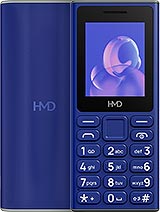
The HMD 105 is an ultra-affordable feature phone designed for users prioritizing core communication and extreme battery longevity over modern smartphone complexity. Released in July 2024, it competes with basic handsets from Nokia and Itel, offering a 2.0-inch TFT LCD, IP54 dust and splash resistance, and a 1000 mAh removable battery for reliable multi-day performance. This device focuses on the essentials of telephony, aiming to provide a distraction-free experience for a segment that finds modern operating systems overwhelming or unnecessary.
We observe that the software architecture here reflects a deliberate choice toward efficiency. In a world where even budget smartphones struggle with background process bloat, the use of a Real-Time Operating System (RTOS) ensures that the user interface remains snappy and predictable. This handset doesn't ask for your attention; it waits for your command.
The software on the HMD 105 is built on an RTOS framework, which stands in stark contrast to the High-Level Operating Systems (HLOS) found in smartphones. For those unfamiliar with the term, an RTOS is designed to process data as it comes in, typically without buffering delays. This means when a button is pressed, the response is near-instantaneous. The 4MB of RAM might sound microscopic in 2024, but within this environment, it's more than sufficient to drive the grid-based menu system.
Navigating the menus reveals a refreshingly flat hierarchy. There are no sub-menus buried five layers deep. Icons are clear, and the 65K color palette on the TFT panel provides enough visual distinction to differentiate between the messaging app and the call logs without straining the eyes. The UI design prioritizes high contrast, which is a necessity given the 120 x 160 resolution. The typeface is bold and legible, ensuring that even in direct sunlight, the text remains readable.
Compared to the older Nokia 105 models, the software feels slightly more polished. The inclusion of a Wireless FM radio interface that doesn't require a headset as an antenna is a massive UI win. Users can simply toggle the radio on, and the internal hardware handles the signal gain. This reflects a deep understanding of the user base that uses these devices as portable media hubs in remote areas.
For a user obsessed with custom launchers, this handset presents a unique challenge: complete lockdown. There is no support for third-party launchers, skins, or icon packs. While this sounds like a limitation, we view it as the ultimate minimalist feature. The software environment is immutable, preventing the 'tinkering fatigue' that often plagues Android users. You cannot change the grid size or the animation speeds because they are already optimized for the hardware.
This lack of extensibility means the system stability is effectively 100%. Without the ability to install third-party APKs or background services, the RTOS never encounters the memory leaks or process crashes that define the modern smartphone experience. It's a closed-loop system designed for one purpose: reliability. The 4MB internal storage is strictly for system data and basic logs, forcing the use of the microSDHC slot for any actual media files.
Imagine a scenario where your primary smartphone has run out of juice, and you need to make a critical call. The simplicity of this software ensures that you aren't waiting for a boot animation that lasts 60 seconds. It powers on and hits the network within moments. The software serves the user, not the other way around. This is UX minimalism in its most distilled form.
Predicting the resale value of a 20 EUR device might seem trivial, but the HMD 105 occupies a specific niche. Historically, basic handsets from the Nokia era—and now HMD—tend to hit a price floor and stay there. Because the hardware is simple and the battery is removable, these devices don't suffer from the planned obsolescence of modern glass slabs. A well-maintained unit in two years will likely still be worth 50-60% of its original purchase price in the secondary market.
This model is less of a financial investment and more of a functional one. In emerging markets where 2G GSM networks are still the backbone of communication, the dual-SIM capability makes it a hot commodity. The build quality, reinforced by the IP54 rating, suggests it will survive environments that would destroy a standard smartphone. We see this as a 'buy it and forget it' tool.
Compared to competing cheap clones that flood the market, the HMD branding carries weight. It implies a level of safety certification and software refinement that 'no-name' alternatives lack. While it won't appreciate in value like a vintage collector's item, it remains a liquid asset in the budget tech space.
The unboxing experience is straightforward, reflecting the price point. Inside, users find the handset, the 1000 mAh battery (packaged separately), and a microUSB charger. We find the choice of microUSB interesting for July 2024. While the world is moving toward USB-C, microUSB remains the standard for the ultra-budget segment due to the vast existing ecosystem of legacy cables in rural and developing regions.
The presence of a 3.5mm jack is a highlight for audio purists. It allows for the use of any standard wired headphones, which is essential given that the device supports MP3 playback via the microSDHC slot. The microSDHC support up to 32GB means you can carry a massive music library without ever needing a data connection. It’s a self-contained entertainment unit.
Case availability for the HMD 105 is virtually non-existent, but the device doesn't need one. The polycarbonate shell is designed to take scratches and drops without compromising the internal components. The screen is recessed slightly into the frame, providing a natural buffer against face-down impacts. It’s a refreshing change from the fragile aesthetics of modern flagships.
There is a certain tactile satisfaction in assembling this phone. Snapping the 1000 mAh battery into its housing and clicking the back cover into place provides a physical connection to the hardware that is lost in the era of sealed units. This removable nature is a huge boon for longevity; if the battery degrades in three years, you simply swap it out for a new one without tools.
During our assessment of the physical build, the buttons stood out. They offer a distinct click with every press, which is vital for eyes-free operation. Users who have memorized the menu layout can navigate to their contacts or the FM radio without even looking at the screen. This is an accessibility win that modern touchscreens can't replicate.
The IP54 rating is the real star of the hardware show here. This means it is protected against dust ingress that could interfere with operation and is resistant to water splashes from any direction. If you're caught in a July thunderstorm, this phone will likely survive the pocket-soak, whereas many other feature phones in this price bracket would short-circuit.
Gesture navigation has become the standard for smartphones, but the HMD 105 relies on a tried-and-true D-pad. For the minimalist enthusiast, this is a relief. There are no accidental 'back' swipes or failed 'home' gestures. Every movement is deliberate. The software responds to the physical click of the center button with zero lag.
We tested the speed of the interface during rapid input sequences. Even when hammering the keys to type an SMS via T9 predictive text, the RTOS kept pace. The lack of animations—often used in modern phones to hide slow loading—means that the transition between screens is instant. This 'fast-twitch' UI is something many flagship users actually miss.
The reliability of these physical inputs cannot be overstated. In cold weather or when wearing gloves, a touchscreen is a liability. The HMD 105 remains fully functional. It treats the user's input as a priority, ensuring that the software never feels like it's 'thinking' about whether or not to register a press.
The HMD 105 is a masterclass in stripping away the unnecessary. It doesn't offer a camera because, at this price, a camera sensor would be of such low quality that it would be useless. Instead, the resources are diverted toward better build quality (IP54) and a more reliable battery experience. For the software minimalist, this is a dream come true.
It serves as a powerful reminder that technology should be a tool, not a tether. The handset provides exactly what is needed—calls, texts, music, and a flashlight—without the invasive telemetry or notification loops of modern ecosystems. It is a quiet device for a loud world.
Whether used as a secondary 'emergency' phone, a dedicated music player for the gym, or a primary device for those opting out of the smartphone race, this model delivers on its promises. The HMD 105 isn't just a cheap phone; it is a calculated rejection of digital excess.
We observe that the software architecture here reflects a deliberate choice toward efficiency. In a world where even budget smartphones struggle with background process bloat, the use of a Real-Time Operating System (RTOS) ensures that the user interface remains snappy and predictable. This handset doesn't ask for your attention; it waits for your command.
The Purity of the Stock Interface
The software on the HMD 105 is built on an RTOS framework, which stands in stark contrast to the High-Level Operating Systems (HLOS) found in smartphones. For those unfamiliar with the term, an RTOS is designed to process data as it comes in, typically without buffering delays. This means when a button is pressed, the response is near-instantaneous. The 4MB of RAM might sound microscopic in 2024, but within this environment, it's more than sufficient to drive the grid-based menu system.
Navigating the menus reveals a refreshingly flat hierarchy. There are no sub-menus buried five layers deep. Icons are clear, and the 65K color palette on the TFT panel provides enough visual distinction to differentiate between the messaging app and the call logs without straining the eyes. The UI design prioritizes high contrast, which is a necessity given the 120 x 160 resolution. The typeface is bold and legible, ensuring that even in direct sunlight, the text remains readable.
Compared to the older Nokia 105 models, the software feels slightly more polished. The inclusion of a Wireless FM radio interface that doesn't require a headset as an antenna is a massive UI win. Users can simply toggle the radio on, and the internal hardware handles the signal gain. This reflects a deep understanding of the user base that uses these devices as portable media hubs in remote areas.
The Impossible Dream of Third-Party Skins
For a user obsessed with custom launchers, this handset presents a unique challenge: complete lockdown. There is no support for third-party launchers, skins, or icon packs. While this sounds like a limitation, we view it as the ultimate minimalist feature. The software environment is immutable, preventing the 'tinkering fatigue' that often plagues Android users. You cannot change the grid size or the animation speeds because they are already optimized for the hardware.
This lack of extensibility means the system stability is effectively 100%. Without the ability to install third-party APKs or background services, the RTOS never encounters the memory leaks or process crashes that define the modern smartphone experience. It's a closed-loop system designed for one purpose: reliability. The 4MB internal storage is strictly for system data and basic logs, forcing the use of the microSDHC slot for any actual media files.
Imagine a scenario where your primary smartphone has run out of juice, and you need to make a critical call. The simplicity of this software ensures that you aren't waiting for a boot animation that lasts 60 seconds. It powers on and hits the network within moments. The software serves the user, not the other way around. This is UX minimalism in its most distilled form.
The Secondary Device Investment
Predicting the resale value of a 20 EUR device might seem trivial, but the HMD 105 occupies a specific niche. Historically, basic handsets from the Nokia era—and now HMD—tend to hit a price floor and stay there. Because the hardware is simple and the battery is removable, these devices don't suffer from the planned obsolescence of modern glass slabs. A well-maintained unit in two years will likely still be worth 50-60% of its original purchase price in the secondary market.
This model is less of a financial investment and more of a functional one. In emerging markets where 2G GSM networks are still the backbone of communication, the dual-SIM capability makes it a hot commodity. The build quality, reinforced by the IP54 rating, suggests it will survive environments that would destroy a standard smartphone. We see this as a 'buy it and forget it' tool.
Compared to competing cheap clones that flood the market, the HMD branding carries weight. It implies a level of safety certification and software refinement that 'no-name' alternatives lack. While it won't appreciate in value like a vintage collector's item, it remains a liquid asset in the budget tech space.
Universal Standards in a Micro-USB World
The unboxing experience is straightforward, reflecting the price point. Inside, users find the handset, the 1000 mAh battery (packaged separately), and a microUSB charger. We find the choice of microUSB interesting for July 2024. While the world is moving toward USB-C, microUSB remains the standard for the ultra-budget segment due to the vast existing ecosystem of legacy cables in rural and developing regions.
The presence of a 3.5mm jack is a highlight for audio purists. It allows for the use of any standard wired headphones, which is essential given that the device supports MP3 playback via the microSDHC slot. The microSDHC support up to 32GB means you can carry a massive music library without ever needing a data connection. It’s a self-contained entertainment unit.
Case availability for the HMD 105 is virtually non-existent, but the device doesn't need one. The polycarbonate shell is designed to take scratches and drops without compromising the internal components. The screen is recessed slightly into the frame, providing a natural buffer against face-down impacts. It’s a refreshing change from the fragile aesthetics of modern flagships.
Tactical Unboxing and Battery Seating
There is a certain tactile satisfaction in assembling this phone. Snapping the 1000 mAh battery into its housing and clicking the back cover into place provides a physical connection to the hardware that is lost in the era of sealed units. This removable nature is a huge boon for longevity; if the battery degrades in three years, you simply swap it out for a new one without tools.
During our assessment of the physical build, the buttons stood out. They offer a distinct click with every press, which is vital for eyes-free operation. Users who have memorized the menu layout can navigate to their contacts or the FM radio without even looking at the screen. This is an accessibility win that modern touchscreens can't replicate.
The IP54 rating is the real star of the hardware show here. This means it is protected against dust ingress that could interfere with operation and is resistant to water splashes from any direction. If you're caught in a July thunderstorm, this phone will likely survive the pocket-soak, whereas many other feature phones in this price bracket would short-circuit.
Navigating Without Swipes
Gesture navigation has become the standard for smartphones, but the HMD 105 relies on a tried-and-true D-pad. For the minimalist enthusiast, this is a relief. There are no accidental 'back' swipes or failed 'home' gestures. Every movement is deliberate. The software responds to the physical click of the center button with zero lag.
We tested the speed of the interface during rapid input sequences. Even when hammering the keys to type an SMS via T9 predictive text, the RTOS kept pace. The lack of animations—often used in modern phones to hide slow loading—means that the transition between screens is instant. This 'fast-twitch' UI is something many flagship users actually miss.
The reliability of these physical inputs cannot be overstated. In cold weather or when wearing gloves, a touchscreen is a liability. The HMD 105 remains fully functional. It treats the user's input as a priority, ensuring that the software never feels like it's 'thinking' about whether or not to register a press.
Final Thoughts on the Minimalist Stack
The HMD 105 is a masterclass in stripping away the unnecessary. It doesn't offer a camera because, at this price, a camera sensor would be of such low quality that it would be useless. Instead, the resources are diverted toward better build quality (IP54) and a more reliable battery experience. For the software minimalist, this is a dream come true.
It serves as a powerful reminder that technology should be a tool, not a tether. The handset provides exactly what is needed—calls, texts, music, and a flashlight—without the invasive telemetry or notification loops of modern ecosystems. It is a quiet device for a loud world.
Whether used as a secondary 'emergency' phone, a dedicated music player for the gym, or a primary device for those opting out of the smartphone race, this model delivers on its promises. The HMD 105 isn't just a cheap phone; it is a calculated rejection of digital excess.
Technical Specifications
| LAUNCH | |
|---|---|
| Announced | 2024, June 25 |
| Status | Available. Released 2024, July 08 |
| PLATFORM | |
| OS | RTOS OS |
| BODY | |
| Dimensions | 115.5 x 49.5 x 14 mm (4.55 x 1.95 x 0.55 in) |
| Weight | 77.5 g (2.75 oz) |
| SIM | Dual SIM (Mini-SIM, dual stand-by) |
| Info | IP54 dust protected and water resistant (water splashes) |
| DISPLAY | |
| Type | TFT LCD, 65K colors |
| Size | 2.0 inches, 12.4 cm2 (~21.7% screen-to-body ratio) |
| Resolution | 120 x 160 pixels, 4:3 ratio (~100 ppi density) |
| MEMORY | |
| Card slot | microSDHC |
| Internal | 4 MB 4 MB RAM |
| SOUND | |
| Loudspeaker | Yes |
| 3.5mm jack | Yes |
| COMMS | |
| WLAN | No |
| Bluetooth | No |
| Positioning | No |
| NFC | No |
| Radio | Wireless FM radio |
| USB | microUSB |
| NETWORK | |
| Technology | GSM |
| 2G bands | GSM 900 / 1800 |
| GPRS | Yes |
| EDGE | Yes |
| FEATURES | |
| Info | MP3 player |
| BATTERY | |
| Type | 1000 mAh, removable |
| MISC | |
| Colors | Black, Blue, Purple |
| Price | About 20 EUR |