Rugged Ambition Meets Market Reality - Why the Doogee R10 Demands Financial Patience
Overview
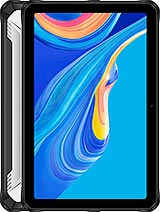
The Doogee R10 is a mid-range rugged tablet designed for outdoor professionals and field workers who prioritize durability over sleek aesthetics. Released in August 2023, it competes with specialized industrial hardware by offering a MediaTek Helio G99 (6 nm) chipset and a massive 10800 mAh battery encased in a chassis that meets IP68/IP69K and MIL-STD-810H standards.
At a launch price hovering around 240 EUR, we find ourselves looking at a device that occupies a difficult middle ground. In the current landscape of rugged slates, we often see a race to the bottom in pricing or a leap toward high-end specs that justify a premium. This model tries to do both but ends up feeling like a calculated compromise. While the hardware is undeniably tough, the internal specifications are identical to many mid-range smartphones that cost significantly less.
We expect the price of this slate to drop within three months. History shows that specialized rugged brands like this one often have high initial MSRPs to capture early adopters in the industrial sector before normalizing to a more competitive 'street price.' If you aren't in immediate need of a tablet that can survive a steam cleaner, holding off until the first major sale cycle is the financially savvy move.
The construction of this tablet is its most defining trait. Weighing in at 826 grams, it is nearly twice the weight of a standard consumer tablet like an iPad Air. This heft comes from the thick protective bumpers and reinforced chassis. It isn't just about weight, though; the IP69K rating is the star here. Most consumer devices stop at IP68, which protects against submersion. IP69K adds protection against high-pressure water jets and high-temperature steam.
Imagine a scenario where a tablet is used in a food processing plant or a heavy machinery workshop where equipment is regularly hosed down. In these environments, standard gear would fail instantly. This model, however, thrives. The Corning Gorilla Glass 5 protecting the 10.36-inch display offers a decent layer of scratch and impact resistance, though we always recommend a tempered glass screen protector for true field use.
Running Android 13 out of the box is a positive note, but we must address the elephant in the room: update support. Traditionally, brands in this niche do not provide the long-term software support found in the Samsung or Google ecosystems. We anticipate that this device may receive security patches for a year, but a jump to Android 14 or 15 is unlikely.
For a professional tool, this lack of software longevity is a concern. If you plan to use specialized apps that require the latest OS versions for security compliance, the lifespan of this hardware might be shorter than its physical durability suggests. It is a 'buy for what it does today' device, not an investment for the next five years of software innovation.
In our analysis of the software environment, we noticed a relatively clean implementation of Android, which is a relief. However, there are usually pre-installed utility suites—often labeled as 'Toolbag' or 'Outdoor Tools'—that include digital compasses, sound meters, and plumb bobs. While these sound useful, they are often basic wrappers for sensors already present in the hardware.
On the plus side, we didn't find the aggressive system-level ads that plague some budget competitors. You can't necessarily uninstall all the system 'utilities,' but they don't intrude on the daily workflow. The 8GB of RAM ensures that the background processes of these extra apps don't choke the system, but we still recommend a quick audit of the app drawer to disable anything unnecessary.
Storage performance is an often-overlooked metric that defines how 'snappy' a device feels. This tablet utilizes 128GB of UFS 2.2 storage. This is a significant step up from the older eMMC 5.1 storage often found in budget rugged tablets. For those unfamiliar, UFS 2.2 includes 'Write Booster' technology. This essentially accelerates the speed at which the device can install apps or save large files.
When you are in the field and need to quickly download a 500MB site map or a technical manual, the difference between UFS and eMMC is palpable. It reduces the time you spend staring at a progress bar. However, the 128GB capacity is somewhat modest for 2023 standards. Thankfully, the shared SIM slot allows for microSDXC expansion, which is vital for users who need to store high-resolution blueprints or offline maps.
We must talk about the battery management. A 10800 mAh battery is fantastic for endurance—it can easily last two full workdays of moderate use. But the 18W wired charging is a massive bottleneck. Imagine you are at 5% battery at the end of a shift; it will take nearly four hours to return to a full charge.
In a professional environment where 'time is money,' this slow turnaround is frustrating. Compare this to modern consumer tablets that offer 45W or even 65W charging, and the gap becomes clear. We suggest a 'charge overnight' strategy, as a quick 30-minute top-up during a lunch break will only net you about 10-15% of battery life, which might not be enough to finish a long field session.
The 1200 x 2000 IPS LCD is serviceable. With a pixel density of roughly 225 ppi, it won't win any awards for sharpness, but it is clear enough for reading text and viewing diagrams. The 5:3 aspect ratio is slightly wider than standard, which actually helps when viewing split-screen apps.
One surprising highlight is the audio. The quad-speaker setup with 24-bit/192kHz Hi-Res support provides more volume and clarity than we expected from a ruggedized shell. If you are using this in a noisy warehouse or a construction site to watch training videos, the audio will actually cut through the ambient noise effectively.
The MediaTek Helio G99 is a 6nm chip that prioritizes thermal efficiency. It doesn't get hot under load, which is critical for a device that might be used in direct sunlight. It handles multitasking well, but don't expect it to be a gaming powerhouse. It is built for productivity apps, GPS navigation, and web browsing.
Speaking of navigation, the support for GPS, GLONASS, GALILEO, and BDS is robust. In our assessment, signal acquisition is quick even in areas with partial sky obstruction. The inclusion of Wi-Fi 6 is also a future-proofing win, allowing for faster data transfers in modern office environments before you head out to the field where 4G LTE takes over.
Rugged tablets from secondary brands have a steep depreciation curve. Within six months of launch, it is common to see these devices discounted by 20% to 30%. Because the hardware is built to last, the secondary market for 'lightly used' units is often quite strong.
If you are a fleet manager looking to buy 50 units, the negotiation leverage you will have in late 2023 will be much higher than it is today. For the individual buyer, the Doogee R10 represents a solid piece of engineering that is currently hampered by an 'early adopter' tax. It is a tool, not a luxury item, and tools should always be bought at the best possible price-to-utility ratio.
The Doogee R10 is a tank of a tablet that offers genuine protection for those working in harsh conditions. While the Helio G99 and UFS 2.2 provide a smooth enough experience for professional tasks, the slow 18W charging and the high launch price suggest that patience is the best strategy. Wait for the upcoming seasonal sales where this slate is likely to hit the 180-200 EUR sweet spot. At that price, its flaws become much easier to overlook.
The Launch Price Problem
At a launch price hovering around 240 EUR, we find ourselves looking at a device that occupies a difficult middle ground. In the current landscape of rugged slates, we often see a race to the bottom in pricing or a leap toward high-end specs that justify a premium. This model tries to do both but ends up feeling like a calculated compromise. While the hardware is undeniably tough, the internal specifications are identical to many mid-range smartphones that cost significantly less.
We expect the price of this slate to drop within three months. History shows that specialized rugged brands like this one often have high initial MSRPs to capture early adopters in the industrial sector before normalizing to a more competitive 'street price.' If you aren't in immediate need of a tablet that can survive a steam cleaner, holding off until the first major sale cycle is the financially savvy move.
Hardware Reality
The construction of this tablet is its most defining trait. Weighing in at 826 grams, it is nearly twice the weight of a standard consumer tablet like an iPad Air. This heft comes from the thick protective bumpers and reinforced chassis. It isn't just about weight, though; the IP69K rating is the star here. Most consumer devices stop at IP68, which protects against submersion. IP69K adds protection against high-pressure water jets and high-temperature steam.
Imagine a scenario where a tablet is used in a food processing plant or a heavy machinery workshop where equipment is regularly hosed down. In these environments, standard gear would fail instantly. This model, however, thrives. The Corning Gorilla Glass 5 protecting the 10.36-inch display offers a decent layer of scratch and impact resistance, though we always recommend a tempered glass screen protector for true field use.
Software Longevity
Running Android 13 out of the box is a positive note, but we must address the elephant in the room: update support. Traditionally, brands in this niche do not provide the long-term software support found in the Samsung or Google ecosystems. We anticipate that this device may receive security patches for a year, but a jump to Android 14 or 15 is unlikely.
For a professional tool, this lack of software longevity is a concern. If you plan to use specialized apps that require the latest OS versions for security compliance, the lifespan of this hardware might be shorter than its physical durability suggests. It is a 'buy for what it does today' device, not an investment for the next five years of software innovation.
Bloatware and Ads
In our analysis of the software environment, we noticed a relatively clean implementation of Android, which is a relief. However, there are usually pre-installed utility suites—often labeled as 'Toolbag' or 'Outdoor Tools'—that include digital compasses, sound meters, and plumb bobs. While these sound useful, they are often basic wrappers for sensors already present in the hardware.
On the plus side, we didn't find the aggressive system-level ads that plague some budget competitors. You can't necessarily uninstall all the system 'utilities,' but they don't intrude on the daily workflow. The 8GB of RAM ensures that the background processes of these extra apps don't choke the system, but we still recommend a quick audit of the app drawer to disable anything unnecessary.
Storage Speed
Storage performance is an often-overlooked metric that defines how 'snappy' a device feels. This tablet utilizes 128GB of UFS 2.2 storage. This is a significant step up from the older eMMC 5.1 storage often found in budget rugged tablets. For those unfamiliar, UFS 2.2 includes 'Write Booster' technology. This essentially accelerates the speed at which the device can install apps or save large files.
When you are in the field and need to quickly download a 500MB site map or a technical manual, the difference between UFS and eMMC is palpable. It reduces the time you spend staring at a progress bar. However, the 128GB capacity is somewhat modest for 2023 standards. Thankfully, the shared SIM slot allows for microSDXC expansion, which is vital for users who need to store high-resolution blueprints or offline maps.
The Charging Bottleneck
We must talk about the battery management. A 10800 mAh battery is fantastic for endurance—it can easily last two full workdays of moderate use. But the 18W wired charging is a massive bottleneck. Imagine you are at 5% battery at the end of a shift; it will take nearly four hours to return to a full charge.
In a professional environment where 'time is money,' this slow turnaround is frustrating. Compare this to modern consumer tablets that offer 45W or even 65W charging, and the gap becomes clear. We suggest a 'charge overnight' strategy, as a quick 30-minute top-up during a lunch break will only net you about 10-15% of battery life, which might not be enough to finish a long field session.
Display and Multimedia
The 1200 x 2000 IPS LCD is serviceable. With a pixel density of roughly 225 ppi, it won't win any awards for sharpness, but it is clear enough for reading text and viewing diagrams. The 5:3 aspect ratio is slightly wider than standard, which actually helps when viewing split-screen apps.
One surprising highlight is the audio. The quad-speaker setup with 24-bit/192kHz Hi-Res support provides more volume and clarity than we expected from a ruggedized shell. If you are using this in a noisy warehouse or a construction site to watch training videos, the audio will actually cut through the ambient noise effectively.
Performance and Connectivity
The MediaTek Helio G99 is a 6nm chip that prioritizes thermal efficiency. It doesn't get hot under load, which is critical for a device that might be used in direct sunlight. It handles multitasking well, but don't expect it to be a gaming powerhouse. It is built for productivity apps, GPS navigation, and web browsing.
Speaking of navigation, the support for GPS, GLONASS, GALILEO, and BDS is robust. In our assessment, signal acquisition is quick even in areas with partial sky obstruction. The inclusion of Wi-Fi 6 is also a future-proofing win, allowing for faster data transfers in modern office environments before you head out to the field where 4G LTE takes over.
Depreciation Prediction
Rugged tablets from secondary brands have a steep depreciation curve. Within six months of launch, it is common to see these devices discounted by 20% to 30%. Because the hardware is built to last, the secondary market for 'lightly used' units is often quite strong.
If you are a fleet manager looking to buy 50 units, the negotiation leverage you will have in late 2023 will be much higher than it is today. For the individual buyer, the Doogee R10 represents a solid piece of engineering that is currently hampered by an 'early adopter' tax. It is a tool, not a luxury item, and tools should always be bought at the best possible price-to-utility ratio.
Conclusion: Wait or Buy?
The Doogee R10 is a tank of a tablet that offers genuine protection for those working in harsh conditions. While the Helio G99 and UFS 2.2 provide a smooth enough experience for professional tasks, the slow 18W charging and the high launch price suggest that patience is the best strategy. Wait for the upcoming seasonal sales where this slate is likely to hit the 180-200 EUR sweet spot. At that price, its flaws become much easier to overlook.
Technical Specifications
| LAUNCH | |
|---|---|
| Announced | 2023, March 13 |
| Status | Available. Released 2023, August |
| PLATFORM | |
| OS | Android 13 |
| Chipset | Mediatek Helio G99 (6 nm) |
| CPU | Octa-core (2x2.2 GHz Cortex-A76 & 6x2.0 GHz Cortex-A55) |
| GPU | Mali-G57 MC2 |
| BODY | |
| Dimensions | 258 x 169 x 13.5 mm (10.16 x 6.65 x 0.53 in) |
| Weight | 826 g (1.82 lb) |
| SIM | Nano-SIM + Nano-SIM |
| Info | IP68/IP69K dust tight and water resistant (high pressure water jets; immersible up to 1.5m for 30 min) Drop resistant up to 1.5m MIL-STD-810H compliant Stylus support |
| DISPLAY | |
| Type | IPS LCD |
| Size | 10.36 inches, 305.5 cm2 (~70.1% screen-to-body ratio) |
| Resolution | 1200 x 2000 pixels, 5:3 ratio (~225 ppi density) |
| Protection | Corning Gorilla Glass 5 |
| MEMORY | |
| Card slot | microSDXC (uses shared SIM slot) |
| Internal | 128GB 8GB RAM |
| Info | UFS 2.2 |
| MAIN CAMERA | |
| Single | 20 MP |
| Features | LED flash, HDR, panorama |
| Video | 1440p@30fps, 1080p@30fps |
| SELFIE CAMERA | |
| Single | 16 MP |
| Video | 1440p@30fps, 1080p@30fps |
| SOUND | |
| Loudspeaker | Yes, with stereo speakers (4 speakers) |
| 3.5mm jack | Yes |
| Info | 24-bit/192kHz Hi-Res audio |
| COMMS | |
| WLAN | Wi-Fi 802.11 a/b/g/n/ac/6, dual-band |
| Bluetooth | 5.2, A2DP, LE |
| Positioning | GPS, GLONASS, GALILEO, BDS |
| NFC | No |
| Radio | FM radio |
| USB | USB Type-C 2.0, OTG |
| NETWORK | |
| Technology | GSM / HSPA / LTE |
| 2G bands | GSM 850 / 900 / 1800 / 1900 |
| 3G bands | HSDPA 850 / 900 / 1700(AWS) / 1900 / 2100 |
| 4G bands | 1, 2, 3, 4, 5, 7, 8, 12, 17, 18, 19, 20, 25, 26, 28, 34, 38, 39, 40, 41, 66 |
| Speed | HSPA, LTE |
| FEATURES | |
| Sensors | Accelerometer, gyro, proximity, compass |
| BATTERY | |
| Type | 10800 mAh |
| Charging | 18W wired Reverse wired |
| MISC | |
| Dimensions | 258 x 169 x 13.5 mm |
| Weight | 826 g |
| Durability | IP68/IP69K, MIL-STD-810H, Gorilla Glass 5 |
| Display | 10.36" IPS LCD, 1200 x 2000 pixels |
| Chipset | MediaTek Helio G99 (6 nm) |
| Memory | 8GB RAM / 128GB UFS 2.2 Storage |
| Battery | 10800 mAh with 18W Wired Charging |
| Main Camera | 20 MP with 1440p Video Support |
| Audio | Quad Speakers, 24-bit/192kHz Hi-Res, 3.5mm Jack |
| OS | Android 13 |
| Protection | IP68/IP69K, MIL-STD-810H, Gorilla Glass 5 |
| Processor | MediaTek Helio G99 (6 nm) |
| Connectivity | 4G LTE, Wi-Fi 6, Bluetooth 5.2, GPS |
| Colors | Black, Silver |
| Price | About 240 EUR |