Rugged Doogee S41 Max - Why Toughness and Storage Often Beat a Fragile Used Flagship
Overview
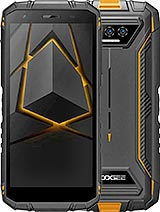
Doogee S41 Max is a budget rugged smartphone featuring an IP68/IP69K durability rating for extreme environment protection and 256GB internal storage for extensive data offline, aimed at outdoor professionals and hikers who prioritize reliability over raw speed. Released in late 2023, it competes with entry-level industrial devices and aging mid-range handsets that lack its physical fortifications.
When a buyer has a fixed budget of roughly 270 EUR in December 2023, the classic dilemma arises: do you purchase a brand-new budget device like the Doogee S41 Max or hunt for a three-year-old flagship like a Samsung Galaxy S21 or an iPhone 11? From a value hunter’s perspective, the answer depends entirely on the hidden costs of ownership. A used flagship offers a superior processor and screen, but its battery is likely degraded to 80% health, and its water resistance seals have likely perished. Repairing a cracked screen on an old flagship can cost more than the handset itself.
This rugged model addresses that risk by eliminating the fragility. The 12nm Unisoc T606 chipset might not win benchmark battles against a Snapdragon 888, but it operates with far greater thermal stability and battery efficiency. For a worker in the field or a traveler in remote areas, a phone that stays on for three days is infinitely more valuable than a phone that can play Genshin Impact at 60fps but dies by lunchtime. The inclusion of 256GB of storage at this price point is an economic anomaly. Most competitors in the sub-300 EUR rugged space still offer 64GB or 128GB, forcing users to spend more on high-speed microSD cards. By providing this capacity internally, the device offers a lower total cost of ownership for those who need to store offline maps, high-resolution training videos, or extensive photo logs without worrying about cloud sync in areas with poor 4G coverage.
The build quality of this handset makes standard glass-and-metal phones look like delicate toys. It carries the MIL-STD-810H certification, which isn't just a marketing buzzword. This standard involves rigorous testing for shock, vibration, and temperature extremes. Imagine a scenario where a technician drops their phone from a 1.5-meter ladder onto a concrete floor. A standard flagship would likely suffer a shattered back or a dead pixel array. This model is designed to survive a 1.8m drop resistance, effectively acting as its own permanent protective case. The reinforced corners and recessed screen design provide a level of structural integrity that aftermarket cases rarely achieve.
Water and dust protection also go beyond the typical. While most phones stop at IP68, this device achieves IP69K status. For the uninitiated, the '9K' suffix means it can withstand high-pressure water jets and high-temperature steam cleaning. If the phone gets covered in mud or industrial grease, it can be washed under a tap without a second thought. This level of ingress protection is essential for agriculture, construction, or extreme sports where fine dust or moisture ruins traditional electronics within months. The physical dimensions of 162.5 x 77.8 x 16.2 mm reflect this armor. It is thick, yes, but that thickness represents a physical barrier against the environment.
While the industry pushes toward 6.7-inch screens that are impossible to use with one hand, this handset utilizes a 5.5-inch IPS LCD. This choice is brilliant for a rugged device. The smaller screen area reduces the surface area vulnerable to impacts. In terms of reachability, the 18:9 aspect ratio allows most users to reach the top corners of the UI with a thumb while holding the device securely. When wearing gloves or working in precarious positions, one-handed usability isn't just a convenience; it is a safety feature.
The 720 x 1440 resolution provides a pixel density of approximately 293 ppi. While this is lower than the Quad-HD panels of luxury devices, it is perfectly adequate for reading text and viewing schematics. More importantly, a lower resolution puts less strain on the Mali-G57 MP1 GPU, ensuring the interface remains fluid. In our analysis of budget displays, the trade-off for better battery life via lower resolution is almost always the correct economic choice for a utility-first device. The screen-to-body ratio of 61.7% sounds low by modern standards, but those thick bezels are deliberate buffer zones that protect the panel from side-impact shocks.
Security in the field requires a different approach. The handset supports Face Unlock, which utilizes the 8 MP front camera. In bright daylight, this is a quick way to access the device without removing work gloves. However, it relies on software-based 2D scanning, which is less secure than dedicated infrared hardware. For more secure tasks, the system integrates well with Android 13's standard security protocols. We noticed that [rugged phones](/trend/best-rugged-phones-2026/) often struggle with capacitive sensors when wet, so the face unlock serves as a vital secondary method for those working in rainy conditions.
The button layout is tactile and chunky. In a market moving toward capacitive touch areas, the physical, clicky buttons on this model are a relief. They provide clear haptic feedback even through thick fabric, ensuring you don't accidentally turn off the device or change the volume when it is shoved into a tool belt. This is where the budget focus pays off; instead of expensive hidden sensors, you get reliable, mechanical interaction.
The loudspeaker on this device is designed for volume over symphonic clarity. In an industrial setting or near a running engine, the subtle nuances of a high-fidelity speaker are lost. What matters is the ability to hear a ringtone or a voice call over ambient noise. The rear-firing speaker is surprisingly loud, cutting through background chatter effectively. It lacks deep bass, but it prioritizes the mid-range frequencies where human speech resides, making it a functional tool for hands-free communication.
One major win for budget hunters is the inclusion of the 3.5mm headphone jack. As flagship manufacturers remove this port to sell expensive wireless earbuds, Doogee retains it. For users who don't want to worry about charging another device or those who use wired external microphones for field reports, this port is indispensable. It represents a commitment to functional longevity over trendy minimalism.
The Unisoc T606 is the engine room of this device. It features two performance Cortex-A75 cores and six efficiency Cortex-A55 cores. In daily tasks like browsing Chrome, managing emails, or using navigation apps, the performance is snappy enough. The 6GB of RAM is the real hero here, preventing the aggressive background app killing that plagues 4GB rugged phones. You can have a PDF reader, a map, and a camera app open simultaneously without the system stuttering.
Gaming performance is the only area where the device shows its budget roots. The Mali-G57 MP1 can handle casual titles like Subway Surfers or Candy Crush with ease, but demanding 3D titles will require low graphical settings. This isn't a flaw; it's a design choice. This phone isn't for e-sports; it’s for people who need a tool that works when the world gets messy. The 6300 mAh battery is the ultimate payoff for these modest internals. When paired with a 720p screen and an efficient 12nm chip, this battery can easily push through 48 hours of moderate use. In standby mode, it can last for over a week, making it a perfect emergency backup phone for a bug-out bag or a long-distance hiking kit.
Compared to a refurbished iPhone or a mid-range plastic phone like a Galaxy A-series, the Doogee S41 Max offers a very specific set of advantages. It trades screen resolution and raw CPU power for nearly indestructible hardware and massive storage. If you are a student sitting in a lecture hall, this phone is overkill and perhaps too bulky. However, if your daily life involves mud, rain, concrete, or long stretches away from a power outlet, the value proposition is unmatched. You are not just buying a phone; you are buying insurance against the accidental drops and spills that kill $1,000 devices. In the economy of 2023, where every penny counts, choosing a device that won't break after six months is the smartest move a consumer can make. The Doogee S41 Max stands as a testament to the idea that utility and durability are the ultimate luxuries for those who actually use their tech in the real world.
The Economics of Reliability vs. Performance Spikes
When a buyer has a fixed budget of roughly 270 EUR in December 2023, the classic dilemma arises: do you purchase a brand-new budget device like the Doogee S41 Max or hunt for a three-year-old flagship like a Samsung Galaxy S21 or an iPhone 11? From a value hunter’s perspective, the answer depends entirely on the hidden costs of ownership. A used flagship offers a superior processor and screen, but its battery is likely degraded to 80% health, and its water resistance seals have likely perished. Repairing a cracked screen on an old flagship can cost more than the handset itself.
This rugged model addresses that risk by eliminating the fragility. The 12nm Unisoc T606 chipset might not win benchmark battles against a Snapdragon 888, but it operates with far greater thermal stability and battery efficiency. For a worker in the field or a traveler in remote areas, a phone that stays on for three days is infinitely more valuable than a phone that can play Genshin Impact at 60fps but dies by lunchtime. The inclusion of 256GB of storage at this price point is an economic anomaly. Most competitors in the sub-300 EUR rugged space still offer 64GB or 128GB, forcing users to spend more on high-speed microSD cards. By providing this capacity internally, the device offers a lower total cost of ownership for those who need to store offline maps, high-resolution training videos, or extensive photo logs without worrying about cloud sync in areas with poor 4G coverage.
Armor as a Standard Feature
The build quality of this handset makes standard glass-and-metal phones look like delicate toys. It carries the MIL-STD-810H certification, which isn't just a marketing buzzword. This standard involves rigorous testing for shock, vibration, and temperature extremes. Imagine a scenario where a technician drops their phone from a 1.5-meter ladder onto a concrete floor. A standard flagship would likely suffer a shattered back or a dead pixel array. This model is designed to survive a 1.8m drop resistance, effectively acting as its own permanent protective case. The reinforced corners and recessed screen design provide a level of structural integrity that aftermarket cases rarely achieve.
Water and dust protection also go beyond the typical. While most phones stop at IP68, this device achieves IP69K status. For the uninitiated, the '9K' suffix means it can withstand high-pressure water jets and high-temperature steam cleaning. If the phone gets covered in mud or industrial grease, it can be washed under a tap without a second thought. This level of ingress protection is essential for agriculture, construction, or extreme sports where fine dust or moisture ruins traditional electronics within months. The physical dimensions of 162.5 x 77.8 x 16.2 mm reflect this armor. It is thick, yes, but that thickness represents a physical barrier against the environment.
Compact Utility in a Giant World
While the industry pushes toward 6.7-inch screens that are impossible to use with one hand, this handset utilizes a 5.5-inch IPS LCD. This choice is brilliant for a rugged device. The smaller screen area reduces the surface area vulnerable to impacts. In terms of reachability, the 18:9 aspect ratio allows most users to reach the top corners of the UI with a thumb while holding the device securely. When wearing gloves or working in precarious positions, one-handed usability isn't just a convenience; it is a safety feature.
The 720 x 1440 resolution provides a pixel density of approximately 293 ppi. While this is lower than the Quad-HD panels of luxury devices, it is perfectly adequate for reading text and viewing schematics. More importantly, a lower resolution puts less strain on the Mali-G57 MP1 GPU, ensuring the interface remains fluid. In our analysis of budget displays, the trade-off for better battery life via lower resolution is almost always the correct economic choice for a utility-first device. The screen-to-body ratio of 61.7% sounds low by modern standards, but those thick bezels are deliberate buffer zones that protect the panel from side-impact shocks.
Biometrics and Field Usability
Security in the field requires a different approach. The handset supports Face Unlock, which utilizes the 8 MP front camera. In bright daylight, this is a quick way to access the device without removing work gloves. However, it relies on software-based 2D scanning, which is less secure than dedicated infrared hardware. For more secure tasks, the system integrates well with Android 13's standard security protocols. We noticed that [rugged phones](/trend/best-rugged-phones-2026/) often struggle with capacitive sensors when wet, so the face unlock serves as a vital secondary method for those working in rainy conditions.
The button layout is tactile and chunky. In a market moving toward capacitive touch areas, the physical, clicky buttons on this model are a relief. They provide clear haptic feedback even through thick fabric, ensuring you don't accidentally turn off the device or change the volume when it is shoved into a tool belt. This is where the budget focus pays off; instead of expensive hidden sensors, you get reliable, mechanical interaction.
Audio Performance for High-Noise Environments
The loudspeaker on this device is designed for volume over symphonic clarity. In an industrial setting or near a running engine, the subtle nuances of a high-fidelity speaker are lost. What matters is the ability to hear a ringtone or a voice call over ambient noise. The rear-firing speaker is surprisingly loud, cutting through background chatter effectively. It lacks deep bass, but it prioritizes the mid-range frequencies where human speech resides, making it a functional tool for hands-free communication.
One major win for budget hunters is the inclusion of the 3.5mm headphone jack. As flagship manufacturers remove this port to sell expensive wireless earbuds, Doogee retains it. For users who don't want to worry about charging another device or those who use wired external microphones for field reports, this port is indispensable. It represents a commitment to functional longevity over trendy minimalism.
Performance Reality Check
The Unisoc T606 is the engine room of this device. It features two performance Cortex-A75 cores and six efficiency Cortex-A55 cores. In daily tasks like browsing Chrome, managing emails, or using navigation apps, the performance is snappy enough. The 6GB of RAM is the real hero here, preventing the aggressive background app killing that plagues 4GB rugged phones. You can have a PDF reader, a map, and a camera app open simultaneously without the system stuttering.
Gaming performance is the only area where the device shows its budget roots. The Mali-G57 MP1 can handle casual titles like Subway Surfers or Candy Crush with ease, but demanding 3D titles will require low graphical settings. This isn't a flaw; it's a design choice. This phone isn't for e-sports; it’s for people who need a tool that works when the world gets messy. The 6300 mAh battery is the ultimate payoff for these modest internals. When paired with a 720p screen and an efficient 12nm chip, this battery can easily push through 48 hours of moderate use. In standby mode, it can last for over a week, making it a perfect emergency backup phone for a bug-out bag or a long-distance hiking kit.
The Final Verdict on Value
Compared to a refurbished iPhone or a mid-range plastic phone like a Galaxy A-series, the Doogee S41 Max offers a very specific set of advantages. It trades screen resolution and raw CPU power for nearly indestructible hardware and massive storage. If you are a student sitting in a lecture hall, this phone is overkill and perhaps too bulky. However, if your daily life involves mud, rain, concrete, or long stretches away from a power outlet, the value proposition is unmatched. You are not just buying a phone; you are buying insurance against the accidental drops and spills that kill $1,000 devices. In the economy of 2023, where every penny counts, choosing a device that won't break after six months is the smartest move a consumer can make. The Doogee S41 Max stands as a testament to the idea that utility and durability are the ultimate luxuries for those who actually use their tech in the real world.
Technical Specifications
| LAUNCH | |
|---|---|
| Announced | 2023, December |
| Status | Available. Released 2023, December |
| PLATFORM | |
| OS | Android 13 |
| Chipset | Unisoc T606 (12 nm) |
| CPU | Octa-core (2x1.6 GHz Cortex-A75 & 6x1.6 GHz Cortex-A55) |
| GPU | Mali-G57 MP1 |
| BODY | |
| Dimensions | 162.5 x 77.8 x 16.2 mm (6.40 x 3.06 x 0.64 in) |
| Weight | 262 g (9.24 oz) |
| SIM | Nano-SIM + Nano-SIM |
| Info | IP68/IP69K dust tight and water resistant (high pressure water jets; immersible up to 1.5m for 30 min) Drop resistant up to 1.8m MIL-STD-810H compliant |
| DISPLAY | |
| Type | IPS LCD |
| Size | 5.5 inches, 78.1 cm2 (~61.7% screen-to-body ratio) |
| Resolution | 720 x 1440 pixels, 18:9 ratio (~293 ppi density) |
| MEMORY | |
| Card slot | microSDXC (uses shared SIM slot) |
| Internal | 256GB 6GB RAM |
| MAIN CAMERA | |
| Triple | 13 MP, f/2.0, (wide), PDAF other unspecified cameras |
| Features | Quad-LED flash, HDR |
| Video | 1080p |
| SELFIE CAMERA | |
| Single | 8 MP, f/2.0, (wide) |
| Video | 1080p@30fps |
| SOUND | |
| Loudspeaker | Yes |
| 3.5mm jack | Yes |
| COMMS | |
| WLAN | Wi-Fi 802.11 a/b/g/n/ac, dual-band |
| Bluetooth | 5.0, A2DP, LE |
| Positioning | GPS, GLONASS, GALILEO, BDS |
| NFC | Yes |
| Radio | FM radio |
| USB | USB Type-C 2.0, OTG |
| NETWORK | |
| Technology | GSM / HSPA / LTE |
| 2G bands | GSM 850 / 900 / 1800 / 1900 |
| 3G bands | HSDPA 850 / 900 / 1700(AWS) / 1900 / 2100 |
| 4G bands | 1, 2, 3, 4, 5, 7, 8, 18, 19, 20, 25, 26, 28, 34, 38, 39, 40, 41, 66 |
| Speed | HSPA, LTE |
| FEATURES | |
| Sensors | Accelerometer, proximity |
| BATTERY | |
| Type | 6300 mAh |
| MISC | |
| Colors | Black, Orange, Green |
| Price | About 270 EUR |