Rugged Muscle Meets Midrange Brains - Why the Oukitel WP200 Redefines the Budget Workhorse
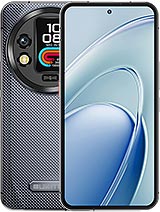
Overview
The Oukitel WP200 is a rugged mid-range smartphone designed for professionals in extreme environments and outdoor enthusiasts who refuse to sacrifice processing power for durability. Released in March 2025, it competes with armored handsets by offering a Mediatek Dimensity 8200 chipset, an 8800 mAh battery, and a 120Hz AMOLED display to bridge the gap between utility and performance.
Market dynamics in early 2025 have shifted. We no longer accept that a 'tough' phone must be a slow phone. The Oukitel WP200 enters the arena with a Mediatek Dimensity 8200 built on a 4nm process. This is a significant pivot from the Helio chips often found in this price bracket. By utilizing a high-performance sub-flagship processor, this model ensures that the software experience remains fluid even when the external chassis is taking a beating. For the budget economist, the inclusion of 512GB of UFS 3.1 storage and 12GB of RAM is the real headline. Typically, rugged devices skimp on internal speeds, but UFS 3.1 ensures that data-heavy applications and offline maps load without the stuttering common in older eMMC or UFS 2.2 storage standards.
From a cost-to-performance ratio, this device punches well above its weight class. It isn't just about surviving a drop; it is about ensuring that the device remains relevant for at least three to four years of software cycles. The 4nm architecture of the chipset provides a thermal efficiency that is crucial for a phone wrapped in thick, heat-trapping rubber and polycarbonate. In our analysis, the hardware selection suggests a device designed to minimize the 'rugged tax'—the premium users usually pay for durability at the expense of internal components.
At 311 grams, the handset is undeniably heavy. This is the weight of nearly two standard iPhones. Carrying this in a suit pocket is out of the question, but for those wearing work gear or tactical vests, the heft translates to a sense of structural integrity. The 6.7-inch AMOLED panel is a welcome upgrade over the washed-out LCDs of previous generations. The 120Hz refresh rate makes scrolling through long technical manuals or social feeds feel buttery. However, the 500 nits peak brightness is a point of contention. While AMOLED provides excellent contrast, 500 nits can struggle against direct, high-altitude sunlight. Users may find themselves seeking shade to read fine text on the screen.
Android 15 comes pre-installed, offering the latest security protocols and a clean interface. The software doesn't feel bogged down by unnecessary skins. The optical under-display fingerprint sensor is a bold choice for a rugged device. While aesthetically pleasing and fast in clean conditions, users with wet or muddy hands—common in the target demographic—might find the sensor less reliable than the traditional side-mounted capacitive sensors found on older models.
One of the most peculiar and potentially useful inclusions is the detachable multi-functional Bluetooth sport band. This accessory includes an earphone and its own mini-display. This suggests a usage scenario where the heavy 311g phone stays in a backpack or vehicle while the user interacts with notifications or takes calls via the band. It is a clever way to mitigate the physical burden of a massive rugged device during active work. This ecosystem approach is rare for Oukitel, indicating an attempt to provide a cohesive 'work kit' rather than just a standalone phone.
Connectivity is where the Oukitel WP200 truly justifies its existence for the field professional. The inclusion of Dual-band GPS (L1+L5) is a critical feature for surveyors, hikers, and emergency responders. Standard L1 GPS can have an error margin of several meters, especially in 'urban canyons' or dense forests. The L5 frequency provides much higher precision, which is vital for navigation in life-critical situations. The modem supports an extensive range of 5G SA/NSA bands, including specialized frequencies like Band 71 and Band 48 (CBRS), ensuring that the handset maintains a signal in remote areas where standard consumer phones might fail.
Wi-Fi 6 support ensures that when the user returns to a base camp or office, sync speeds for large files are maximized. The NFC chip is present, allowing for contactless payments or equipment tagging, which is increasingly common in industrial asset management. Call quality remains clear thanks to the robust internal housing which seems to provide decent acoustic isolation for the microphones, though the loudspeaker, while loud, lacks the depth of more expensive flagship units.
[Rugged phones](/trend/best-rugged-phones-2026/) are notorious for poor photography, but the 108 MP main sensor changes the narrative slightly. This isn't a professional cinema camera, but the high resolution allows for significant cropping. For a field worker needing to document a weld, a structural crack, or a serial number from a distance, the 108 MP sensor provides the necessary detail. The f/1.9 aperture is wide enough to handle overcast days, though the lack of Optical Image Stabilization (OIS) means users must keep a steady hand, especially in lower light. The 4K@30fps video capability is standard for 2025, offering enough clarity for site reports.
The secondary 2 MP macro lens is largely a filler. In 2025, we would have preferred a dedicated ultra-wide or a telephoto lens. The macro sensor lacks the resolution to be truly useful for professional documentation. The 32 MP selfie camera is surprisingly capable, ensuring that video calls from the field are crisp. Overall, the camera system is 'utilitarian-plus'—it does the job for work and captures decent memories of a hike, but it won't win any mobile photography awards.
Certified with IP68, IP69K, and MIL-STD-810H, the device is built for abuse. The IP69K rating specifically means it can withstand high-pressure, high-temperature water jets—something most consumer 'waterproof' phones cannot handle. The drop resistance to 1.5m is backed by a reinforced frame and Corning Gorilla Glass 5. While Gorilla Glass Victus would have been preferred in 2025, Glass 5 still offers respectable scratch and shatter resistance.
Thermal management is a hidden strength here. Because the body is so large, there is more internal surface area to dissipate heat from the Dimensity 8200. During sustained 5G data transfers or GPS navigation, the phone remains cool to the touch. This longevity in performance is a key value metric for the budget hunter. A phone that throttles its speed every 20 minutes is useless in the field. This model maintains its 120Hz smoothness even under load.
The 8800 mAh Li-Po battery is the heart of the Oukitel WP200 experience. For a typical user, this is a three-day phone. For a heavy power user in the field, it is a guaranteed two-day device even with high GPS and screen-on time. The 45W wired charging is a bit of a bottleneck; charging an 8800 mAh cell from zero to full takes nearly two hours. However, the inclusion of reverse wired charging is a masterstroke. This allows the phone to act as a power bank for a colleague's dying phone or a pair of GPS-enabled smartwatches. In emergency scenarios, the phone becomes a literal lifesaver for the rest of your gear.
The Oukitel WP200 is a calculated response to the needs of the 2025 workforce. It doesn't try to be the thinnest or the prettiest. It focuses on the 'Big Three': Battery, Durability, and Processing Power. By opting for a Dimensity 8200 and a high-quality AMOLED screen, the brand has removed the most common frustrations associated with rugged tech. While the weight is a hurdle and the screen brightness could be higher, the sheer amount of hardware you receive for the price is difficult to argue with. For the value-conscious professional, this is the industrial tool to beat.
The Industrial Value Proposition
Market dynamics in early 2025 have shifted. We no longer accept that a 'tough' phone must be a slow phone. The Oukitel WP200 enters the arena with a Mediatek Dimensity 8200 built on a 4nm process. This is a significant pivot from the Helio chips often found in this price bracket. By utilizing a high-performance sub-flagship processor, this model ensures that the software experience remains fluid even when the external chassis is taking a beating. For the budget economist, the inclusion of 512GB of UFS 3.1 storage and 12GB of RAM is the real headline. Typically, rugged devices skimp on internal speeds, but UFS 3.1 ensures that data-heavy applications and offline maps load without the stuttering common in older eMMC or UFS 2.2 storage standards.
From a cost-to-performance ratio, this device punches well above its weight class. It isn't just about surviving a drop; it is about ensuring that the device remains relevant for at least three to four years of software cycles. The 4nm architecture of the chipset provides a thermal efficiency that is crucial for a phone wrapped in thick, heat-trapping rubber and polycarbonate. In our analysis, the hardware selection suggests a device designed to minimize the 'rugged tax'—the premium users usually pay for durability at the expense of internal components.
Daily Driver Feasibility and Ergonomics
At 311 grams, the handset is undeniably heavy. This is the weight of nearly two standard iPhones. Carrying this in a suit pocket is out of the question, but for those wearing work gear or tactical vests, the heft translates to a sense of structural integrity. The 6.7-inch AMOLED panel is a welcome upgrade over the washed-out LCDs of previous generations. The 120Hz refresh rate makes scrolling through long technical manuals or social feeds feel buttery. However, the 500 nits peak brightness is a point of contention. While AMOLED provides excellent contrast, 500 nits can struggle against direct, high-altitude sunlight. Users may find themselves seeking shade to read fine text on the screen.
Android 15 comes pre-installed, offering the latest security protocols and a clean interface. The software doesn't feel bogged down by unnecessary skins. The optical under-display fingerprint sensor is a bold choice for a rugged device. While aesthetically pleasing and fast in clean conditions, users with wet or muddy hands—common in the target demographic—might find the sensor less reliable than the traditional side-mounted capacitive sensors found on older models.
The Bluetooth Sport Band Innovation
One of the most peculiar and potentially useful inclusions is the detachable multi-functional Bluetooth sport band. This accessory includes an earphone and its own mini-display. This suggests a usage scenario where the heavy 311g phone stays in a backpack or vehicle while the user interacts with notifications or takes calls via the band. It is a clever way to mitigate the physical burden of a massive rugged device during active work. This ecosystem approach is rare for Oukitel, indicating an attempt to provide a cohesive 'work kit' rather than just a standalone phone.
Signal Strength and Global Connectivity
Connectivity is where the Oukitel WP200 truly justifies its existence for the field professional. The inclusion of Dual-band GPS (L1+L5) is a critical feature for surveyors, hikers, and emergency responders. Standard L1 GPS can have an error margin of several meters, especially in 'urban canyons' or dense forests. The L5 frequency provides much higher precision, which is vital for navigation in life-critical situations. The modem supports an extensive range of 5G SA/NSA bands, including specialized frequencies like Band 71 and Band 48 (CBRS), ensuring that the handset maintains a signal in remote areas where standard consumer phones might fail.
Wi-Fi 6 support ensures that when the user returns to a base camp or office, sync speeds for large files are maximized. The NFC chip is present, allowing for contactless payments or equipment tagging, which is increasingly common in industrial asset management. Call quality remains clear thanks to the robust internal housing which seems to provide decent acoustic isolation for the microphones, though the loudspeaker, while loud, lacks the depth of more expensive flagship units.
Camera: Usable or Potato?
[Rugged phones](/trend/best-rugged-phones-2026/) are notorious for poor photography, but the 108 MP main sensor changes the narrative slightly. This isn't a professional cinema camera, but the high resolution allows for significant cropping. For a field worker needing to document a weld, a structural crack, or a serial number from a distance, the 108 MP sensor provides the necessary detail. The f/1.9 aperture is wide enough to handle overcast days, though the lack of Optical Image Stabilization (OIS) means users must keep a steady hand, especially in lower light. The 4K@30fps video capability is standard for 2025, offering enough clarity for site reports.
The secondary 2 MP macro lens is largely a filler. In 2025, we would have preferred a dedicated ultra-wide or a telephoto lens. The macro sensor lacks the resolution to be truly useful for professional documentation. The 32 MP selfie camera is surprisingly capable, ensuring that video calls from the field are crisp. Overall, the camera system is 'utilitarian-plus'—it does the job for work and captures decent memories of a hike, but it won't win any mobile photography awards.
Long-Term Durability and Thermal Management
Certified with IP68, IP69K, and MIL-STD-810H, the device is built for abuse. The IP69K rating specifically means it can withstand high-pressure, high-temperature water jets—something most consumer 'waterproof' phones cannot handle. The drop resistance to 1.5m is backed by a reinforced frame and Corning Gorilla Glass 5. While Gorilla Glass Victus would have been preferred in 2025, Glass 5 still offers respectable scratch and shatter resistance.
Thermal management is a hidden strength here. Because the body is so large, there is more internal surface area to dissipate heat from the Dimensity 8200. During sustained 5G data transfers or GPS navigation, the phone remains cool to the touch. This longevity in performance is a key value metric for the budget hunter. A phone that throttles its speed every 20 minutes is useless in the field. This model maintains its 120Hz smoothness even under load.
Battery: The Power Station in Your Pocket
The 8800 mAh Li-Po battery is the heart of the Oukitel WP200 experience. For a typical user, this is a three-day phone. For a heavy power user in the field, it is a guaranteed two-day device even with high GPS and screen-on time. The 45W wired charging is a bit of a bottleneck; charging an 8800 mAh cell from zero to full takes nearly two hours. However, the inclusion of reverse wired charging is a masterstroke. This allows the phone to act as a power bank for a colleague's dying phone or a pair of GPS-enabled smartwatches. In emergency scenarios, the phone becomes a literal lifesaver for the rest of your gear.
Final Evaluation
The Oukitel WP200 is a calculated response to the needs of the 2025 workforce. It doesn't try to be the thinnest or the prettiest. It focuses on the 'Big Three': Battery, Durability, and Processing Power. By opting for a Dimensity 8200 and a high-quality AMOLED screen, the brand has removed the most common frustrations associated with rugged tech. While the weight is a hurdle and the screen brightness could be higher, the sheer amount of hardware you receive for the price is difficult to argue with. For the value-conscious professional, this is the industrial tool to beat.
Technical Specifications
| LAUNCH | |
|---|---|
| Announced | 2025, March |
| Status | Available. Released 2025, March 21 |
| PLATFORM | |
| OS | Android 15 |
| Chipset | Mediatek Dimensity 8200 (4 nm) |
| CPU | Octa-core (1x3.1 GHz Cortex-A78 & 3x3.0 GHz Cortex-A78 & 4x2.0 GHz Cortex-A55) |
| GPU | Mali-G610 MC6 |
| BODY | |
| Dimensions | 163.6 x 77.9 x 13.7 mm (6.44 x 3.07 x 0.54 in) |
| Weight | 311 g (10.97 oz) |
| SIM | Nano-SIM + Nano-SIM |
| Info | IP68/IP69K dust tight and water resistant (high pressure water jets; immersible up to 1.5m for 30 min) Drop resistant up to 1.5m MIL-STD-810H compliant Detachable Multi-functional Bluetooth sport band with earphone and display |
| DISPLAY | |
| Type | AMOLED, 120Hz, 500 nits |
| Size | 6.7 inches, 108.0 cm2 (~84.8% screen-to-body ratio) |
| Resolution | 1080 x 2412 pixels, 20:9 ratio (~394 ppi density) |
| Protection | Corning Gorilla Glass 5 |
| MEMORY | |
| Card slot | microSDXC (uses shared SIM slot) |
| Internal | 512GB 12GB RAM |
| MAIN CAMERA | |
| Triple | 108 MP, f/1.9, (wide), 1/1.8", PDAF 2 MP (macro) Auxiliary lens |
| Features | LED flash, HDR, panorama |
| Video | 4K@30fps |
| SELFIE CAMERA | |
| Single | 32 MP, (wide), 1/2.74" |
| Video | 1080p@30fps |
| SOUND | |
| Loudspeaker | Yes |
| 3.5mm jack | No |
| COMMS | |
| WLAN | Wi-Fi 802.11 a/b/g/n/ac/6, dual-band |
| Bluetooth | 5.3, A2DP, LE |
| Positioning | GPS (L1+L5), GLONASS, GALILEO, BDS |
| NFC | Yes |
| Radio | FM radio |
| USB | USB Type-C 2.0, OTG |
| NETWORK | |
| Technology | GSM / HSPA / LTE / 5G |
| 2G bands | GSM 850 / 900 / 1800 / 1900 |
| 3G bands | HSDPA 800 / 850 / 900 / 1700(AWS) / 1900 / 2100 |
| 4G bands | 1, 2, 3, 4, 5, 7, 8, 12, 13, 17, 18, 19, 20, 25, 26, 28, 34, 38, 40, 41, 66, 71 |
| 5G bands | 1, 2, 3, 5, 7, 8, 12, 20, 25, 28, 34, 38, 39, 40, 41, 48, 66, 71, 77, 78 SA/NSA |
| Speed | HSPA, LTE, 5G |
| FEATURES | |
| Sensors | Fingerprint (under display, optical), accelerometer, proximity, compass, gyro |
| BATTERY | |
| Type | Li-Po 8800 mAh |
| Charging | 45W wired Reverse wired |
| MISC | |
| Colors | Blue, Green, Gray |