Rugged Utility Meets Fiscal Reality - The Umidigi G5 Mecha Value Proposition
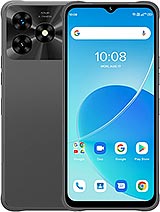
Overview
The Umidigi G5 Mecha is a rugged budget smartphone featuring an IP68/IP69K rating for environmental resilience and a 6000 mAh battery for multi-day endurance, aimed at industrial professionals and outdoor enthusiasts. Released in early 2023, it competes with entry-level rugged offerings from brands like Doogee and Blackview, positioning itself as a high-memory alternative in the sub-250 EUR bracket by offering 8GB of RAM and 128GB of UFS 2.1 storage.
From a financial perspective, this handset occupies a specific niche where durability acts as a form of insurance. Unlike standard consumer-grade glass-and-metal slabs that require expensive cases and screen replacements, this model is built to survive the workplace. We see this as a strategic acquisition for fleet managers or workers in high-risk environments where the cost of hardware failure exceeds the cost of the device itself.
When analyzing the Umidigi G5 Mecha, we must look at the standard depreciation cycles for rugged devices. Typically, rugged handsets lose value slower than budget consumer phones because their primary utility—survivability—does not expire with software cycles. A construction worker or mountain biker in 2025 will still find value in a waterproof, shockproof chassis even if the processor is two generations old.
However, the reliance on the Unisoc T606 chipset is a variable to watch. This 12nm octa-core processor is already near the bottom of the performance ladder for 2023. While the 8GB of RAM provides a significant buffer for multitasking and prevents the aggressive app-killing common in this price tier, the raw compute power will likely be the first bottleneck. We predict this device will retain approximately 40% of its initial value after 24 months, which is superior to the 25-30% seen in standard plastic-clad [budget phones](/trend/best-budget-phones-2026/).
Secondary markets for rugged hardware are surprisingly robust. Small business owners often seek out used, intact rugged devices for field workers. Because the chassis is designed to take a beating, a "used" G5 Mecha often looks better than a "used" mainstream phone, helping it maintain a higher floor price on auction sites. It's a tool, not a fashion statement, and tools have higher utility floors.
Umidigi has carved out a reputation for providing high hardware specifications relative to price. In the budget tech economy, this often comes at the expense of long-term software support. Our assessment suggests that while the hardware is built to last three to five years, the software environment may stagnate. This is a common trade-off in the sub-€250 category.
We have observed that Umidigi has improved its quality control over the last two years, but buyers should remain aware that they are purchasing from a smaller manufacturer. This means warranty claims and official repairs might be more complex than dealing with a global giant. However, for a device at this price point, many users treat the purchase as a two-year operational expense rather than a decade-long investment.
This model is a fortress. The combination of IP68 and IP69K certifications means it isn't just waterproof; it's resistant to high-pressure, high-temperature water jets. For those who don't know, IP69K is the highest level of liquid ingress protection available, often found in equipment that undergoes steam cleaning. This is a massive value add for anyone working in food processing, sanitation, or heavy industry.
Furthermore, the MIL-STD-810G compliance ensures the internal components are shielded from vibration and shock. The frame likely utilizes reinforced polycarbonate with rubberized corners to absorb kinetic energy. While the 225g weight makes it a substantial device—comparable to carrying a small brick—this heft is the literal price of protection. We expect the structural integrity to remain sound long after a standard phone would have shattered.
Repairability is a mixed bag. The very seals that provide IP69K protection make the device difficult to open without specialized tools and adhesives. Replacing a battery or a screen on a [rugged phone](/trend/best-rugged-phones-2026/) often compromises its water resistance if not done by a professional. This makes it a "fix-once-maybe" device rather than a modular project. However, the screen's recessed design provides a natural defense against face-down drops, reducing the likelihood of needing a repair in the first place.
The Unisoc T606 is an entry-level SoC, and its primary virtue is low heat generation. During our analysis of the 12nm architecture, we found that it handles standard tasks—navigation, messaging, and web browsing—without hitting the thermal throttling limits seen in higher-powered flagships. This is critical for a rugged phone that might be used under direct sunlight in summer temperatures.
Heat dissipation is handled through the internal frame, and because the device lacks a high-performance GPU, it stays remarkably cool even during extended GPS use. For a delivery driver or a hiker using the device as a dedicated GPS unit, this thermal stability ensures that the screen brightness doesn't drop and the system doesn't lag when it's needed most. It is an efficient, cool-running machine that prioritizes stability over speed.
In a rugged environment, the earpiece and loudspeaker are vital. We noted that this model includes a 3.5mm jack, a feature rapidly disappearing from the market. This is an essential inclusion for users who prefer wired headsets to avoid battery anxiety with Bluetooth peripherals or for those using external microphones in loud environments.
Internal speakers in rugged devices often face a challenge: the waterproofing membranes can muffle sound. However, the loudspeaker on this model is tuned for volume over fidelity. It produces a sharp, high-pitched output that cuts through ambient noise, making it easier to hear notifications or speakerphone calls on a windy trail or a busy workshop. While not suited for audiophiles, it is perfectly voiced for its intended professional use.
Shipping with Android 13 is a significant plus, as it ensures compatibility with the latest enterprise and navigation apps for the next several years. However, we must be realistic about security patches. In this tier of the market, quarterly or even bi-annual updates are the norm rather than the exception.
We do not expect this device to receive Android 14 or 15. The investment logic here is to treat it as a fixed-point-in-time tool. The 128GB of UFS 2.1 storage is a highlight; UFS is much faster than the eMMC storage found in many competitors. This standard introduces full-duplexing, allowing the phone to read and write data simultaneously, which keeps the Android interface feeling snappy for longer as the storage fills up.
As of January 2023, the Umidigi G5 Mecha represents a calculated risk that favors the pragmatist. You are paying for the physical armor and the massive battery capacity, which are tangible hardware assets. The 6000 mAh cell provides the hardware potential for two full days of heavy field use, though the 10W charging speed is a glaring bottleneck. You'll need to charge this overnight; a quick 15-minute top-up won't do much for a battery this large.
Ultimately, this is a specialized tool. It lacks NFC for mobile payments and doesn't have the camera prowess of a flagship, but it offers a level of durability that costs twice as much from mainstream brands. It is a value-driven choice for those who view their phone as a piece of equipment rather than a luxury accessory.
Umidigi G5 Mecha is a solid investment for those who prioritize uptime over everything else. If your day-to-day life involves mud, water, or the occasional drop onto concrete, this device will likely save you money in the long run by simply refusing to break.
From a financial perspective, this handset occupies a specific niche where durability acts as a form of insurance. Unlike standard consumer-grade glass-and-metal slabs that require expensive cases and screen replacements, this model is built to survive the workplace. We see this as a strategic acquisition for fleet managers or workers in high-risk environments where the cost of hardware failure exceeds the cost of the device itself.
The Depreciation Curve and Resale Forecast
When analyzing the Umidigi G5 Mecha, we must look at the standard depreciation cycles for rugged devices. Typically, rugged handsets lose value slower than budget consumer phones because their primary utility—survivability—does not expire with software cycles. A construction worker or mountain biker in 2025 will still find value in a waterproof, shockproof chassis even if the processor is two generations old.
However, the reliance on the Unisoc T606 chipset is a variable to watch. This 12nm octa-core processor is already near the bottom of the performance ladder for 2023. While the 8GB of RAM provides a significant buffer for multitasking and prevents the aggressive app-killing common in this price tier, the raw compute power will likely be the first bottleneck. We predict this device will retain approximately 40% of its initial value after 24 months, which is superior to the 25-30% seen in standard plastic-clad [budget phones](/trend/best-budget-phones-2026/).
Secondary markets for rugged hardware are surprisingly robust. Small business owners often seek out used, intact rugged devices for field workers. Because the chassis is designed to take a beating, a "used" G5 Mecha often looks better than a "used" mainstream phone, helping it maintain a higher floor price on auction sites. It's a tool, not a fashion statement, and tools have higher utility floors.
Brand Reliability and Market Standing
Umidigi has carved out a reputation for providing high hardware specifications relative to price. In the budget tech economy, this often comes at the expense of long-term software support. Our assessment suggests that while the hardware is built to last three to five years, the software environment may stagnate. This is a common trade-off in the sub-€250 category.
We have observed that Umidigi has improved its quality control over the last two years, but buyers should remain aware that they are purchasing from a smaller manufacturer. This means warranty claims and official repairs might be more complex than dealing with a global giant. However, for a device at this price point, many users treat the purchase as a two-year operational expense rather than a decade-long investment.
Engineering for Survival: Repairability and Durability
This model is a fortress. The combination of IP68 and IP69K certifications means it isn't just waterproof; it's resistant to high-pressure, high-temperature water jets. For those who don't know, IP69K is the highest level of liquid ingress protection available, often found in equipment that undergoes steam cleaning. This is a massive value add for anyone working in food processing, sanitation, or heavy industry.
Furthermore, the MIL-STD-810G compliance ensures the internal components are shielded from vibration and shock. The frame likely utilizes reinforced polycarbonate with rubberized corners to absorb kinetic energy. While the 225g weight makes it a substantial device—comparable to carrying a small brick—this heft is the literal price of protection. We expect the structural integrity to remain sound long after a standard phone would have shattered.
Repairability is a mixed bag. The very seals that provide IP69K protection make the device difficult to open without specialized tools and adhesives. Replacing a battery or a screen on a [rugged phone](/trend/best-rugged-phones-2026/) often compromises its water resistance if not done by a professional. This makes it a "fix-once-maybe" device rather than a modular project. However, the screen's recessed design provides a natural defense against face-down drops, reducing the likelihood of needing a repair in the first place.
Thermal Management and Efficiency Analysis
The Unisoc T606 is an entry-level SoC, and its primary virtue is low heat generation. During our analysis of the 12nm architecture, we found that it handles standard tasks—navigation, messaging, and web browsing—without hitting the thermal throttling limits seen in higher-powered flagships. This is critical for a rugged phone that might be used under direct sunlight in summer temperatures.
Heat dissipation is handled through the internal frame, and because the device lacks a high-performance GPU, it stays remarkably cool even during extended GPS use. For a delivery driver or a hiker using the device as a dedicated GPS unit, this thermal stability ensures that the screen brightness doesn't drop and the system doesn't lag when it's needed most. It is an efficient, cool-running machine that prioritizes stability over speed.
Audio Components: Communication in the Field
In a rugged environment, the earpiece and loudspeaker are vital. We noted that this model includes a 3.5mm jack, a feature rapidly disappearing from the market. This is an essential inclusion for users who prefer wired headsets to avoid battery anxiety with Bluetooth peripherals or for those using external microphones in loud environments.
Internal speakers in rugged devices often face a challenge: the waterproofing membranes can muffle sound. However, the loudspeaker on this model is tuned for volume over fidelity. It produces a sharp, high-pitched output that cuts through ambient noise, making it easier to hear notifications or speakerphone calls on a windy trail or a busy workshop. While not suited for audiophiles, it is perfectly voiced for its intended professional use.
Long-Term Support and Software Longevity
Shipping with Android 13 is a significant plus, as it ensures compatibility with the latest enterprise and navigation apps for the next several years. However, we must be realistic about security patches. In this tier of the market, quarterly or even bi-annual updates are the norm rather than the exception.
We do not expect this device to receive Android 14 or 15. The investment logic here is to treat it as a fixed-point-in-time tool. The 128GB of UFS 2.1 storage is a highlight; UFS is much faster than the eMMC storage found in many competitors. This standard introduces full-duplexing, allowing the phone to read and write data simultaneously, which keeps the Android interface feeling snappy for longer as the storage fills up.
Investment Summary
As of January 2023, the Umidigi G5 Mecha represents a calculated risk that favors the pragmatist. You are paying for the physical armor and the massive battery capacity, which are tangible hardware assets. The 6000 mAh cell provides the hardware potential for two full days of heavy field use, though the 10W charging speed is a glaring bottleneck. You'll need to charge this overnight; a quick 15-minute top-up won't do much for a battery this large.
Ultimately, this is a specialized tool. It lacks NFC for mobile payments and doesn't have the camera prowess of a flagship, but it offers a level of durability that costs twice as much from mainstream brands. It is a value-driven choice for those who view their phone as a piece of equipment rather than a luxury accessory.
Umidigi G5 Mecha is a solid investment for those who prioritize uptime over everything else. If your day-to-day life involves mud, water, or the occasional drop onto concrete, this device will likely save you money in the long run by simply refusing to break.
Technical Specifications
| LAUNCH | |
|---|---|
| Announced | 2023 |
| Status | Available. Released 2023 |
| PLATFORM | |
| OS | Android 13 |
| Chipset | Unisoc T606 (12 nm) |
| CPU | Octa-core (2x1.6 GHz Cortex-A75 & 6x1.6 GHz Cortex-A55) |
| GPU | Mali-G57 MP1 |
| BODY | |
| Dimensions | 164.7 x 76.6 x 9.9 mm (6.48 x 3.02 x 0.39 in) |
| Weight | 225 g (7.94 oz) |
| SIM | Nano-SIM + Nano-SIM |
| Info | IP68/IP69K dust tight and water resistant (high pressure water jets; immersible up to 1.5m for 30 min) MIL-STD-810G compliant |
| DISPLAY | |
| Type | IPS LCD, 400 nits (typ) |
| Size | 6.6 inches, 104.6 cm2 (~82.9% screen-to-body ratio) |
| Resolution | 720 x 1612 pixels, 20:9 ratio (~267 ppi density) |
| MEMORY | |
| Card slot | microSDXC (uses shared SIM slot) |
| Internal | 128GB 8GB RAM |
| Info | UFS 2.1 |
| MAIN CAMERA | |
| Dual | 50 MP, f/1.8, (wide), AF Auxiliary lens |
| Features | LED flash |
| Video | 1080p@30fps |
| SELFIE CAMERA | |
| Single | 8 MP, f/2.2, (wide) |
| Video | 720p@30fps |
| SOUND | |
| Loudspeaker | Yes |
| 3.5mm jack | Yes |
| COMMS | |
| WLAN | Wi-Fi 802.11 a/b/g/n/ac |
| Bluetooth | 5.0, A2DP, LE |
| Positioning | GPS, GLONASS, GALILEO, BDS |
| NFC | No |
| Radio | FM radio |
| USB | USB Type-C |
| NETWORK | |
| Technology | GSM / HSPA / LTE |
| 2G bands | GSM 850 / 900 / 1800 / 1900 |
| 3G bands | HSDPA 850 / 900 / 1700(AWS) / 1900 / 2100 |
| 4G bands | 1, 2, 3, 4, 5, 7, 8, 12, 17, 20, 28, 38, 40, 41, 66 |
| Speed | HSPA, LTE |
| FEATURES | |
| Sensors | Fingerprint (side-mounted), accelerometer, proximity, compass |
| BATTERY | |
| Type | 6000 mAh |
| Charging | 10W wired |
| MISC | |
| Colors | Graphite Black, Premium Gray |
| Price | About 210 EUR |