Rugged Versatility Reimagined with the Doogee V20S Dual Screen Innovation
Overview
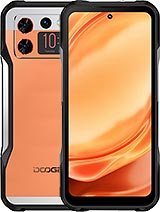
Doogee V20S is a mid-range rugged smartphone featuring a 6.43-inch AMOLED primary display for high-contrast visuals and a 1.58-inch rear AMOLED screen for secondary information management, aimed at field engineers and outdoor enthusiasts. Released in March 2024, it enters a market where durability often comes at the expense of display quality, attempting to bridge that gap with a dual-screen configuration and 5G connectivity.
The construction of the handset immediately signals its utilitarian intent. With a thickness of 14mm, the device demands a significant presence in the hand. The frame relies on a combination of metal and reinforced polymers to meet MIL-STD-810H standards, ensuring the structure can survive a 1.5-meter drop onto hard surfaces. When pressing the side-mounted buttons, users should expect a stiff, deliberate travel. This rigidity is intentional; it prevents accidental activations when the phone is stored in a pocket or mounted on a utility belt. However, this stiffness might feel less refined compared to the clicky, effortless buttons on a standard consumer flagship like the Galaxy S24.
The side-mounted fingerprint sensor acts as a primary interaction point. In our assessment, these sensors generally offer faster wake times than under-display variants found in this price tier. The tactile feedback during a successful scan is communicated through a standard vibration motor. Instead of the precise, localized taps found in high-end haptic engines, this unit likely produces a broader, more audible buzz. While functional for notifications in loud environments, it lacks the nuanced 'texture' required for sophisticated UI interactions.
Audio performance on this model is geared toward volume rather than fidelity. The loudspeaker is positioned to cut through environmental noise—a necessity for construction sites or windy trails. While the specs confirm a loudspeaker is present, the absence of a 3.5mm jack means users must rely on Type-C adapters or Bluetooth 5.1 for private listening. In an era where most [rugged phones](/trend/best-rugged-phones-2026/) are abandoning the headphone jack to maintain better structural integrity against water ingress, this move is standard.
The sound signature likely emphasizes the mid-range frequencies, ensuring that voices during speakerphone calls remain audible even in sub-optimal conditions. Users should not expect the deep bass or wide soundstage found in multimedia-focused devices. The focus here is on communication reliability. If the device is submerged, the speaker grill may briefly muffled until the water is cleared or evaporated, a common trait for IP68/IP69K rated hardware.
The primary 6.43-inch AMOLED panel offers a resolution of 1080 x 2408 pixels, resulting in a sharp 410 ppi density. The use of AMOLED technology is a significant advantage over the LCD panels often found in rugged competitors, providing deeper blacks and better power efficiency when using dark mode. However, the peak brightness is rated at 500 nits. While this is adequate for indoor use or overcast days, direct sunlight in March 2024 conditions will test the limits of legibility. Users may find themselves shading the screen with their hand to clearly read small text or navigate maps in high-glare environments.
Complementing the front is the 1.58-inch rear AMOLED display. This small panel allows users to check the time, battery status, or basic notifications without flipping the phone over. By using this secondary screen for quick checks, the device conserves battery by keeping the massive primary panel powered down. The 325 PPI of this smaller screen ensures that icons and text remain crisp, providing a high-quality visual experience even for a secondary utility feature.
The vibration system inside this chassis is a traditional ERM (Eccentric Rotating Mass) motor. In rugged devices, these motors are chosen for their durability and high output, as they need to vibrate a heavy, reinforced body. The sensation is one of raw power rather than surgical precision. When receiving a call, the entire frame hums. This is beneficial for those working in heavy machinery environments where subtle haptics would go unnoticed.
For typing, however, this motor can feel somewhat 'loose' or 'mushy'. The latency between a keypress and the physical response is slightly higher than what we see in X-axis linear motors. This is a common trade-off in the mid-range rugged segment. The priority remains ensuring that the user never misses an alert, rather than providing the delicate 'click' of a premium virtual keyboard.
Connectivity is a strong suit for the handset. By utilizing the Mediatek Dimensity 6020 chipset, it supports a wide array of 5G bands (1, 3, 5, 7, 8, 20, 28, 38, 40, 41, 77, 78, 79). This ensures that users can maintain high-speed data connections across various regions, including stable signal performance on major carriers. The 7nm architecture of the chip provides a balanced approach to power consumption, which is critical when relying on the 6000 mAh battery during long trips away from a power source.
For navigation, the device supports GPS, GLONASS, BDS, and GALILEO. The inclusion of multiple satellite constellations is paramount for accuracy in dense forests or urban canyons. Our analysis suggests that the hardware should provide a cold start lock-on within seconds. In terms of physical signal holding, the thick polymer housing is designed to minimize interference, allowing the internal antennas to maintain a consistent handshake with cell towers even in areas with fringe coverage.
Protecting the primary display is Corning Gorilla Glass, which provides a standard level of scratch resistance. The glass surface typically features an oleophobic coating, though on rugged devices, these coatings are often made thicker to resist the oils and dirt associated with outdoor work. While this helps keep the screen cleaner, it can sometimes result in a slightly more 'friction-heavy' feel compared to the silky smoothness of an iPhone 15.
The screen-to-body ratio of approximately 71.2% reflects the large protective bezels. While this may look dated to a tech enthusiast, those bezels serve as a 'crumple zone' for the screen. The texture of the glass remains cold and premium to the touch, providing a sharp contrast to the warm, textured rubber and metal of the surrounding body. This interplay of materials reinforces the idea of a fragile technology core encased in an indestructible shell.
From a sensory perspective, the Doogee V20S succeeds in feeling like a tool rather than a toy. Every physical aspect—from the heavy 14mm profile to the bright, dual AMOLED screens—is engineered for a specific purpose. The 33W wired charging allows the 6000 mAh battery to be topped up reasonably quickly, though it isn't the fastest in the 2024 market. The 24MP Night Vision camera adds a unique tactile layer to the photography experience, allowing users to see in total darkness via two infrared lights, a feature that standard smartphones simply cannot match. For those who prioritize durability and specialized utility over aesthetic thinness, the Doogee V20S represents a highly capable choice.
Physical Interaction and Tactile Feedback
The construction of the handset immediately signals its utilitarian intent. With a thickness of 14mm, the device demands a significant presence in the hand. The frame relies on a combination of metal and reinforced polymers to meet MIL-STD-810H standards, ensuring the structure can survive a 1.5-meter drop onto hard surfaces. When pressing the side-mounted buttons, users should expect a stiff, deliberate travel. This rigidity is intentional; it prevents accidental activations when the phone is stored in a pocket or mounted on a utility belt. However, this stiffness might feel less refined compared to the clicky, effortless buttons on a standard consumer flagship like the Galaxy S24.
The side-mounted fingerprint sensor acts as a primary interaction point. In our assessment, these sensors generally offer faster wake times than under-display variants found in this price tier. The tactile feedback during a successful scan is communicated through a standard vibration motor. Instead of the precise, localized taps found in high-end haptic engines, this unit likely produces a broader, more audible buzz. While functional for notifications in loud environments, it lacks the nuanced 'texture' required for sophisticated UI interactions.
Acoustic Profile and Sound Delivery
Audio performance on this model is geared toward volume rather than fidelity. The loudspeaker is positioned to cut through environmental noise—a necessity for construction sites or windy trails. While the specs confirm a loudspeaker is present, the absence of a 3.5mm jack means users must rely on Type-C adapters or Bluetooth 5.1 for private listening. In an era where most [rugged phones](/trend/best-rugged-phones-2026/) are abandoning the headphone jack to maintain better structural integrity against water ingress, this move is standard.
The sound signature likely emphasizes the mid-range frequencies, ensuring that voices during speakerphone calls remain audible even in sub-optimal conditions. Users should not expect the deep bass or wide soundstage found in multimedia-focused devices. The focus here is on communication reliability. If the device is submerged, the speaker grill may briefly muffled until the water is cleared or evaporated, a common trait for IP68/IP69K rated hardware.
Display Performance Under Direct Sunlight
The primary 6.43-inch AMOLED panel offers a resolution of 1080 x 2408 pixels, resulting in a sharp 410 ppi density. The use of AMOLED technology is a significant advantage over the LCD panels often found in rugged competitors, providing deeper blacks and better power efficiency when using dark mode. However, the peak brightness is rated at 500 nits. While this is adequate for indoor use or overcast days, direct sunlight in March 2024 conditions will test the limits of legibility. Users may find themselves shading the screen with their hand to clearly read small text or navigate maps in high-glare environments.
Complementing the front is the 1.58-inch rear AMOLED display. This small panel allows users to check the time, battery status, or basic notifications without flipping the phone over. By using this secondary screen for quick checks, the device conserves battery by keeping the massive primary panel powered down. The 325 PPI of this smaller screen ensures that icons and text remain crisp, providing a high-quality visual experience even for a secondary utility feature.
Haptics and Mechanical Vibration Quality
The vibration system inside this chassis is a traditional ERM (Eccentric Rotating Mass) motor. In rugged devices, these motors are chosen for their durability and high output, as they need to vibrate a heavy, reinforced body. The sensation is one of raw power rather than surgical precision. When receiving a call, the entire frame hums. This is beneficial for those working in heavy machinery environments where subtle haptics would go unnoticed.
For typing, however, this motor can feel somewhat 'loose' or 'mushy'. The latency between a keypress and the physical response is slightly higher than what we see in X-axis linear motors. This is a common trade-off in the mid-range rugged segment. The priority remains ensuring that the user never misses an alert, rather than providing the delicate 'click' of a premium virtual keyboard.
Navigation Integrity and Network Stability
Connectivity is a strong suit for the handset. By utilizing the Mediatek Dimensity 6020 chipset, it supports a wide array of 5G bands (1, 3, 5, 7, 8, 20, 28, 38, 40, 41, 77, 78, 79). This ensures that users can maintain high-speed data connections across various regions, including stable signal performance on major carriers. The 7nm architecture of the chip provides a balanced approach to power consumption, which is critical when relying on the 6000 mAh battery during long trips away from a power source.
For navigation, the device supports GPS, GLONASS, BDS, and GALILEO. The inclusion of multiple satellite constellations is paramount for accuracy in dense forests or urban canyons. Our analysis suggests that the hardware should provide a cold start lock-on within seconds. In terms of physical signal holding, the thick polymer housing is designed to minimize interference, allowing the internal antennas to maintain a consistent handshake with cell towers even in areas with fringe coverage.
Screen Texture and Surface Protection
Protecting the primary display is Corning Gorilla Glass, which provides a standard level of scratch resistance. The glass surface typically features an oleophobic coating, though on rugged devices, these coatings are often made thicker to resist the oils and dirt associated with outdoor work. While this helps keep the screen cleaner, it can sometimes result in a slightly more 'friction-heavy' feel compared to the silky smoothness of an iPhone 15.
The screen-to-body ratio of approximately 71.2% reflects the large protective bezels. While this may look dated to a tech enthusiast, those bezels serve as a 'crumple zone' for the screen. The texture of the glass remains cold and premium to the touch, providing a sharp contrast to the warm, textured rubber and metal of the surrounding body. This interplay of materials reinforces the idea of a fragile technology core encased in an indestructible shell.
Sensory Verdict on the Doogee V20S
From a sensory perspective, the Doogee V20S succeeds in feeling like a tool rather than a toy. Every physical aspect—from the heavy 14mm profile to the bright, dual AMOLED screens—is engineered for a specific purpose. The 33W wired charging allows the 6000 mAh battery to be topped up reasonably quickly, though it isn't the fastest in the 2024 market. The 24MP Night Vision camera adds a unique tactile layer to the photography experience, allowing users to see in total darkness via two infrared lights, a feature that standard smartphones simply cannot match. For those who prioritize durability and specialized utility over aesthetic thinness, the Doogee V20S represents a highly capable choice.
Technical Specifications
| LAUNCH | |
|---|---|
| Announced | 2024, March |
| Status | Available. Released 2024, March |
| PLATFORM | |
| OS | Android 13 |
| Chipset | Mediatek Dimensity 6020 (7 nm) |
| CPU | Octa-core (2x2.2 GHz Cortex-A76 & 6x2.0 GHz Cortex-A55) |
| GPU | Mali-G57 MC2 |
| BODY | |
| Dimensions | 170.9 x 81.9 x 14 mm (6.73 x 3.22 x 0.55 in) |
| Weight | - |
| SIM | Nano-SIM + Nano-SIM |
| Info | IP68/IP69K dust tight and water resistant (high pressure water jets; immersible up to 1.5m for 30 min) Drop resistant up to 1.5m MIL-STD-810H compliant |
| DISPLAY | |
| Type | AMOLED, 500 nits (peak) |
| Size | 6.43 inches, 99.6 cm2 (~71.2% screen-to-body ratio) |
| Resolution | 1080 x 2408 pixels, 20:9 ratio (~410 ppi density) |
| Protection | Corning Gorilla Glass |
| Info | Rear AMOLED display, 1.58", 460 x 228, 325 PPI |
| MEMORY | |
| Card slot | microSDXC (uses shared SIM slot) |
| Internal | 256GB 12GB RAM |
| Info | UFS 2.2 |
| MAIN CAMERA | |
| Triple | 50 MP, f/1.8, (wide), PDAF 8 MP, f/2.2, 123˚ (ultrawide) 24 MP, f/1.8, (night vision), 2 infrared night vision lights |
| Features | Dual-LED flash, HDR, panorama |
| Video | 1440p, 1080p |
| SELFIE CAMERA | |
| Single | 20 MP, f/2.0, (wide) |
| Video | 1080p |
| SOUND | |
| Loudspeaker | Yes |
| 3.5mm jack | No |
| COMMS | |
| WLAN | Wi-Fi 802.11 a/b/g/n/ac, dual-band |
| Bluetooth | 5.1, A2DP, LE |
| Positioning | GPS, GLONASS, BDS, GALILEO |
| NFC | Yes |
| Radio | FM radio |
| USB | USB Type-C 2.0, OTG |
| NETWORK | |
| Technology | GSM / CDMA / HSPA / LTE / 5G |
| 2G bands | GSM 850 / 900 / 1800 / 1900 |
| Info | CDMA 800 / 1900 |
| 3G bands | HSDPA 800 / 850 / 900 / 1700(AWS) / 1900 / 2100 |
| 4G bands | 1, 2, 3, 4, 5, 7, 8, 12, 13, 17, 18, 19, 20, 25, 26, 28, 34, 38, 39, 40, 41, 66 |
| 5G bands | 1, 3, 5, 7, 8, 20, 28, 38, 40, 41, 77, 78, 79 |
| Speed | HSPA, LTE, 5G |
| FEATURES | |
| Sensors | Fingerprint (side-mounted), accelerometer, gyro, proximity, compass |
| BATTERY | |
| Type | 6000 mAh |
| Charging | 33W wired Reverse wired |
| MISC | |
| Colors | Black, Orange |
| Price | About 300 EUR |