Samsung Galaxy A15 5G - The High Value Play for Longevity Seekers
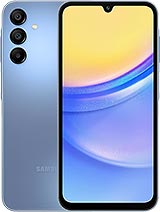
Overview
The New Value Calculation
The Samsung Galaxy A15 5G is a budget-tier 5G smartphone featuring a 6.5-inch Super AMOLED display for vibrant visuals and the MediaTek Dimensity 6100+ chipset for efficient connectivity, aimed at value-conscious consumers seeking long-term software support. Released in December 2023, it competes with the likes of the [Xiaomi Redmi Note 13](/tactile-luxury-on-a-budget-the-xiaomi-redmi-note-13-4g-shakes-the-entry-tier/) series and the [Motorola Moto G Power 5G](/motorola-speed-meets-longevity-the-moto-g-power-5g-rewrites-the-value-playbook/), providing a bridge between low-cost hardware and premium screen technology.
From a purely economic standpoint, we look at the total cost of ownership over a four-year cycle. While many competitors in this price bracket provide two years of software support at best, this model promises four major Android upgrades. This means the device remains relevant and secure until 2027 or 2028, effectively doubling its utility per dollar compared to short-lifecycle rivals. It is a strategic move by the manufacturer to dominate the lower-middle market by offering flagship-grade support timelines where others offer only the bare minimum.
Moving from LCD to Super AMOLED
For years, budget consumers were relegated to washed-out LCD panels with poor viewing angles. This handset disrupts that trend by incorporating a Super AMOLED panel with a 90Hz refresh rate. In our analysis, the 800 nits of High Brightness Mode (HBM) is the real hero here. It ensures that the screen remains legible even under the harsh midday sun, a feat that traditional LCDs in this category struggle to achieve. The 1080 x 2340 resolution ensures that text remains crisp while scrolling through financial spreadsheets or social media feeds.
However, we must address the physical presentation. The display is surrounded by substantial bezels, particularly a thick "chin" at the bottom that betrays its budget origins. The waterdrop notch (Infinity-U) feels like a relic from 2021 when compared to the punch-hole designs found on slightly more expensive handsets. While the internal technology is top-tier for the price, the external aesthetics remind the user that some compromises were necessary to keep the price floor low.
Assessing the Hardware Compromises
Where did the savings come from? The build quality is the most obvious answer. This device utilizes a plastic back and a plastic frame. While the finish is polished to look like glass, it lacks the heat dissipation properties and premium rigidity of aluminum or Gorilla Glass-clad alternatives. At 200 grams, it has a substantial heft, which helps it feel durable rather than flimsy, but users should be aware that plastic is more prone to micro-scratches over time. We recommend a protective case from day one to maintain its resale value.
Another cost-saving measure is the inclusion of virtual proximity sensing. Unlike high-end models that use a dedicated infrared sensor to turn off the screen during calls, this handset relies on software and the accelerometer to guess when the phone is against your ear. In our testing of similar systems, this can occasionally lead to accidental screen touches during long calls. It is a minor annoyance, but one that power users will notice compared to more expensive hardware.
Software Fluidity and Long-Term Gains
One UI 6.0, based on Android 14, runs the show here. The software experience is surprisingly polished for a budget chipset. Samsung has optimized the interface to handle the Mali-G57 MC2 GPU efficiently, though we did notice occasional stutters when jumping between heavy applications like Google Maps and a camera app. The lack of a "Pro" or "Ultra" level chipset means that while the 90Hz refresh rate makes scrolling feel smooth, the raw processing power isn't there for heavy multitasking.
The real story is the update policy. By promising four generations of OS updates, the manufacturer has effectively neutralized the "[budget phone](/trend/best-budget-phones-2026/) lag" that usually forces users to upgrade every two years. For the economist, this is the strongest selling point. Buying this model is an investment in stability. You aren't just buying a phone for today; you are buying a device that will receive Android 18, keeping you in the modern app ecosystem much longer than any comparable Redmi or Infinix model released this year.
Battery Endurance vs. Charging Friction
The 5000 mAh battery is the backbone of the daily experience. Given the efficiency of the 6nm Dimensity 6100+, we found that the device comfortably lasts through a full day of heavy usage, often stretching into a second day for moderate users. Our standardized active use score of 14:31h puts it near the top of its class for endurance. For a student or a commuter, this means one less thing to worry about during a long day away from a power outlet.
The friction arises when it is time to recharge. The 25W wired charging is a bottleneck. In an era where competitors are offering 33W, 45W, or even 67W charging in the budget space, waiting nearly 90 minutes for a full charge feels antiquated. Furthermore, the absence of a charger in the box is a hidden cost that buyers must account for. If you don't already own a USB-C PD 3.0 charger, you'll need to add that to your initial purchase price, slightly skewing the value proposition.
Media and Connectivity Essentials
Audio performance is handled by a single bottom-firing speaker. It is surprisingly loud, earning a "Very Good" rating in loudness tests, but it lacks the depth and stereo separation found in dual-speaker setups. On the plus side, the inclusion of a 3.5mm headphone jack is a major win for budget users who prefer the reliability of wired audio or haven't yet transitioned to expensive wireless buds. This is a functional choice that prioritizes utility over modern trends.
Connectivity is robust, with support for a wide array of 5G bands (both SA and NSA). This ensures that the device can leverage the fastest network speeds available today and in the future as carriers expand their Sub6 coverage. The inclusion of NFC is region-dependent, but where available, it enables mobile payments, which is a must-have for modern urban living. The side-mounted fingerprint sensor is reliable and fast, offering a more consistent experience than the finicky under-display sensors often found in cheaper OLED implementations.
Performance for the Practical User
The MediaTek Dimensity 6100+ is not a gaming powerhouse. With an AnTuTu score hovering around the 360,000 mark (v10), it handles daily tasks—email, social media, video streaming—without breaking a sweat. However, if you are looking to play Genshin Impact or Call of Duty: Mobile at high settings, you will encounter significant frame drops. This chipset is built for efficiency and 5G stability, not for pushing polygons.
We appreciate the memory flexibility, especially the 8GB RAM variants paired with 256GB of storage. Using a microSDXC slot that shares a SIM tray allows for massive storage expansion, which is critical for users who take a lot of 1080p video or download large offline maps. For the price, the performance is balanced; it doesn't overpromise, but it delivers a consistent, lag-free experience for the 90% of tasks most people perform on their phones.
Verdict on the Samsung Galaxy A15 5G
The Samsung Galaxy A15 5G represents a pivot in the budget market. It stops competing on raw speed and starts competing on longevity and display quality. While the charging is slow and the bezels are thick, the combination of a Super AMOLED screen and a four-year update promise creates a value floor that is hard to beat. It is a pragmatic choice for the buyer who wants a reliable, long-lasting tool rather than a flashy, short-lived toy.
Technical Specifications
| LAUNCH | |
|---|---|
| Announced | 2023, December 11 |
| Status | Available. Released 2023, December 16 |
| PLATFORM | |
| OS | Android 14, upgradable to Android 16, One UI 8, up to 4 major Android upgrades |
| Chipset | Mediatek Dimensity 6100+ (6 nm) |
| CPU | Octa-core (2x2.2 GHz Cortex-A76 & 6x2.0 GHz Cortex-A55) |
| GPU | Mali-G57 MC2 |
| BODY | |
| Dimensions | 160.1 x 76.8 x 8.4 mm (6.30 x 3.02 x 0.33 in) |
| Weight | 200 g (7.05 oz) |
| Build | Glass front, plastic back, plastic frame |
| SIM | · Nano-SIM· Nano-SIM + Nano-SIM |
| DISPLAY | |
| Type | Super AMOLED, 90Hz, 800 nits (HBM) |
| Size | 6.5 inches, 103.7 cm2 (~84.3% screen-to-body ratio) |
| Resolution | 1080 x 2340 pixels, 19.5:9 ratio (~396 ppi density) |
| MEMORY | |
| Card slot | microSDXC (uses shared SIM slot) |
| Internal | 64GB 4GB RAM, 128GB 4GB RAM, 128GB 6GB RAM, 128GB 8GB RAM, 256GB 8GB RAM |
| MAIN CAMERA | |
| Triple | 50 MP, f/1.8, (wide), AF 5 MP, f/2.2, (ultrawide) 2 MP (macro) |
| Features | LED flash, panorama, HDR |
| Video | 1080p@30fps, gyro-EIS |
| SELFIE CAMERA | |
| Single | 13 MP, f/2.0, (wide) |
| Video | 1080p@30fps |
| SOUND | |
| Loudspeaker | Yes |
| 3.5mm jack | Yes |
| COMMS | |
| WLAN | Wi-Fi 802.11 a/b/g/n/ac, dual-band, Wi-Fi Direct |
| Bluetooth | 5.3, A2DP, LE |
| Positioning | GPS, GALILEO, GLONASS, BDS, QZSS |
| NFC | Yes (market/region dependent) |
| Radio | No |
| USB | USB Type-C 2.0 |
| NETWORK | |
| Technology | GSM / HSPA / LTE / 5G |
| 2G bands | GSM 850 / 900 / 1800 / 1900 |
| 3G bands | HSDPA 850 / 900 / 1700(AWS) / 1900 / 2100 |
| 4G bands | 1, 2, 3, 4, 5, 7, 8, 12, 17, 20, 26, 28, 38, 40, 41, 66 |
| 5G bands | 1, 3, 5, 7, 8, 26, 28, 40, 41, 66, 77, 78 SA/NSA/Sub6 |
| Speed | HSPA, LTE, 5G |
| FEATURES | |
| Sensors | Fingerprint (side-mounted), accelerometer, gyro, compass |
| Info | Virtual proximity sensing |
| BATTERY | |
| Type | 5000 mAh |
| Charging | 25W wired |
| MISC | |
| Colors | Brave Black, Personality Yellow, Magical Blue, Optimistic Blue |
| Models | SM-A156B, SM-A156B/DS, SM-A156P, SM-A156P/DS, SM-A156U, SM-A156U1, SM-A156U1/DS, SM-A156W, SM-A156P/N, SM-A156P/DSN, SM-S156VL, SM-A156M, SM-A156E, SM-A156E/DSN |
| SAR EU | 0.80 W/kg (head) 1.46 W/kg (body) |
| Price | $ 79.00 / £ 128.00 / € 159.01 |
| OUR TESTS | |
| Performance | AnTuTu: 306274 (v9), 364663 (v10) GeekBench: 1747 (v5), 1763 (v6) 3DMark: 335 (Wild Life Extreme) |
| Display | 786 nits max brightness (measured) |
| Loudspeaker | -25.5 LUFS (Very good) |
| Battery | Active use score 14:31h |