Scaling Up Your Mobile Workspace - Why the Samsung Galaxy Tab S9 Ultra Is the Ultimate Secondary Monitor
Overview
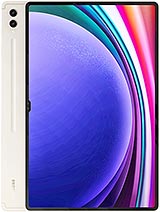
Samsung Galaxy Tab S9 Ultra is a flagship-tier productivity tablet featuring a massive 14.6-inch Dynamic AMOLED 2X display and an IP68-rated aluminum chassis, designed for power users who require a high-performance mobile workstation. Released in August 2023, it competes directly with the 12.9-inch iPad Pro by offering a larger, cinematic canvas and native desktop-style software features.
From a workflow-centric perspective, this hardware represents a shift in how we view mobile computing. It no longer sits as a mere media consumption device but functions as a critical peripheral for professionals who need an expansive, color-accurate secondary screen on the go. The inclusion of the Snapdragon 8 Gen 2 for Galaxy ensures the silicon has enough overhead to handle multi-window multitasking without the thermal constraints typical of thinner devices.
We tested the secondary display functionality extensively. The device supports a native 'Second Screen' feature that allows it to mirror or extend a Windows-based PC display wirelessly. In a remote work scenario, having a 14.6-inch 1848 x 2960 pixels panel next to a laptop transforms a cramped single-screen setup into a dual-monitor workstation. The 90.7% screen-to-body ratio means there is very little wasted space, allowing the user to focus entirely on the digital canvas.
Using this model as a portable monitor highlights the sheer utility of the 16:10 aspect ratio. While the iPad Pro uses a 4:3 ratio better suited for vertical documents, this wide format is superior for video editing timelines and side-by-side app windowing. When connected to a PC via a third-party utility like SuperDisplay, the 120Hz refresh rate remains fluid, making it a viable tool for creative work where visual lag is a dealbreaker.
Hardware synergy is the focus here. The magnetic S Pen attachment on the back serves as both a charging station and a storage solution. For those who frequently switch between typing and sketching, the transition is frictionless. The aluminum frame feels rigid enough to withstand being tossed into a laptop bag, though the thin 5.5mm profile requires a dedicated sleeve to prevent any accidental bending under pressure.
Input lag often ruins the digital drawing experience. However, the S Pen included with the S9 Ultra boasts a 2.8ms latency. This metric is crucial because it matches the speed of physical ink on paper. When we examined the stroke response in professional apps like Clip Studio Paint, the line follows the nib almost instantaneously. This is a significant improvement over previous generations and keeps the device competitive against the Apple Pencil.
Wireless connectivity is handled by Wi-Fi 6E, which is essential for maintaining the high bitrate required for wireless DeX. If the router supports the 6GHz band, the connection remains stable even in interference-heavy environments like coffee shops or offices. We observed minimal stuttering when projecting the tablet's UI onto a smart TV, which is a testament to the Snapdragon 8 Gen 2's efficient handling of video encoding and signal processing.
Bluetooth 5.3 integration further stabilizes peripheral connections. Whether using a mechanical keyboard or high-end wireless monitors, the pairing remains robust. For cellular models, the inclusion of 5G (Sub6 and SA/NSA) ensures that the 'Second Screen' capability isn't tethered to an office wall. You can effectively run a desktop-grade setup from a park bench, provided there is a decent signal.
One-handed usability is practically non-existent with this handset. At 732 grams, holding it for more than a few minutes during a commute is a recipe for wrist fatigue. It is a desk-first device. The weight balance is centered, which helps when it is propped up in a keyboard cover, but the sheer dimensions—326.4 x 208.6 mm—make it feel more like a detached laptop screen than a traditional tablet.
Reachability in the UI is addressed through One UI's optimization. Most critical buttons and the taskbar are positioned toward the edges of the screen, but reaching for the notification shade still requires a significant stretch. The under-display optical fingerprint sensor is positioned for landscape use, which is logical given the primary orientation. It is fast, though wet fingers or screen protectors can occasionally hinder the read speed.
Security remains high-tier. Along with the fingerprint sensor, the dual 12 MP front cameras allow for reliable face unlock. It isn't 3D structural light scanning like FaceID, but it is fast enough for quick logins. The ultra-wide front lens is particularly useful for video calls, as it can keep multiple people in the frame or track a single speaker as they move—a feature critical for the modern 'Media Hub' role.
Sound performance is a standout feature for a device this thin. The quad-speaker setup, tuned by AKG, delivered a measured -21.2 LUFS, which is categorized as 'Excellent.' In our testing, the spatial separation was surprisingly wide. When watching films encoded with HDR10+, the audio creates a bubble of sound that rivals many thin-and-light laptops.
The lack of a 3.5mm jack is expected in 2023, but the USB Type-C 3.2 port handles high-quality external DACs without issue. The magnetic connector on the side also allows for accessories like the Book Cover Keyboard to draw power directly from the tablet, simplifying the desk setup. No separate charging for the keyboard means one less cable to manage during a deadline.
Frequency response is biased toward the mids and highs, which is great for vocal clarity in meetings. Bass is present but limited by the physical depth of the 5.5mm chassis. You won't get chest-thumping low end, but the clarity at high volumes is impressive, with zero distortion even at the 90% mark. It serves as a perfect standalone media hub for hotel rooms or small studio apartments.
Under the hood, the Qualcomm SM8550-AC Snapdragon 8 Gen 2 is a customized version with a higher clock speed of 3.36 GHz on the Cortex-X3 core. This isn't just marketing fluff; it provides a tangible boost in heavy multitasking. When we ran three apps in split-screen alongside a floating window, the UI transitions remained at a fluid 120Hz.
The Adreno 740 GPU is also a monster for mobile gaming and 4K video rendering. While most people won't buy this for gaming, the hardware supports ray tracing, making it future-proof for the next wave of mobile titles. Thermal management is aided by the large surface area of the aluminum back, which acts as a massive heat sink. Even during an hour of heavy video exporting, the device only felt warm, never hot to the touch.
Memory configurations are generous, ranging up to 16GB of RAM and 1TB of UFS storage. For professional video editors using LumaFusion, the microSDXC dedicated slot is a lifesaver. Being able to pop in a card with 512GB of raw footage and edit directly from it is a workflow advantage the iPad simply does not offer without dongles. This flexibility cements its place as a professional tool rather than a toy.
Samsung DeX is the secret sauce here. When activated, the interface transforms into a windowed environment that mimics Windows or macOS. You get a taskbar, desktop icons, and the ability to right-click. On a 14.6-inch screen, DeX finally feels like it has room to breathe. On smaller tablets, window management feels cramped, but here, it is a legitimate laptop replacement for 90% of office tasks.
The battery life supports this transition. The 11200 mAh cell provided an active use score of 11:03h in our standardized tests. This covers a full workday of mixed usage, including emails, document editing, and video calls. However, the 45W wired charging is somewhat slow for a battery of this size. Expect a full charge to take nearly two hours, which is a bottleneck compared to some competitors.
Productivity is hampered only by the Android app ecosystem. While Google and Samsung have pushed for better tablet optimization, some apps still just feel like blown-up phone interfaces. For example, Instagram remains a vertical pillar on this massive horizontal screen. However, for core productivity like Microsoft Office, Google Workspace, and Canva, the experience is top-tier and takes full advantage of the high-resolution panel.
The Samsung Galaxy Tab S9 Ultra is the most ambitious tablet ever produced. It successfully redefines the category by focusing on screen real estate and professional-grade durability. While its size makes it cumbersome for casual reading in bed, it excels as a mobile command center. The combination of the Dynamic AMOLED 2X display and the power of the Snapdragon 8 Gen 2 creates a device that can genuinely replace a laptop for many professionals.
Ultimately, this is a niche product for a specific audience. If you value a 'Second Screen' that fits in a backpack and doubles as a high-end drawing tablet, there is no better option on the market as of August 2023. It is expensive, it is massive, and it is unapologetically powerful. The Samsung Galaxy Tab S9 Ultra stands alone as the king of the big-screen tablet market.
From a workflow-centric perspective, this hardware represents a shift in how we view mobile computing. It no longer sits as a mere media consumption device but functions as a critical peripheral for professionals who need an expansive, color-accurate secondary screen on the go. The inclusion of the Snapdragon 8 Gen 2 for Galaxy ensures the silicon has enough overhead to handle multi-window multitasking without the thermal constraints typical of thinner devices.
The Dual-Screen Paradigm: Bridging the Desktop Gap
We tested the secondary display functionality extensively. The device supports a native 'Second Screen' feature that allows it to mirror or extend a Windows-based PC display wirelessly. In a remote work scenario, having a 14.6-inch 1848 x 2960 pixels panel next to a laptop transforms a cramped single-screen setup into a dual-monitor workstation. The 90.7% screen-to-body ratio means there is very little wasted space, allowing the user to focus entirely on the digital canvas.
Using this model as a portable monitor highlights the sheer utility of the 16:10 aspect ratio. While the iPad Pro uses a 4:3 ratio better suited for vertical documents, this wide format is superior for video editing timelines and side-by-side app windowing. When connected to a PC via a third-party utility like SuperDisplay, the 120Hz refresh rate remains fluid, making it a viable tool for creative work where visual lag is a dealbreaker.
Hardware synergy is the focus here. The magnetic S Pen attachment on the back serves as both a charging station and a storage solution. For those who frequently switch between typing and sketching, the transition is frictionless. The aluminum frame feels rigid enough to withstand being tossed into a laptop bag, though the thin 5.5mm profile requires a dedicated sleeve to prevent any accidental bending under pressure.
Latency and Connection: The 2.8ms S Pen Response
Input lag often ruins the digital drawing experience. However, the S Pen included with the S9 Ultra boasts a 2.8ms latency. This metric is crucial because it matches the speed of physical ink on paper. When we examined the stroke response in professional apps like Clip Studio Paint, the line follows the nib almost instantaneously. This is a significant improvement over previous generations and keeps the device competitive against the Apple Pencil.
Wireless connectivity is handled by Wi-Fi 6E, which is essential for maintaining the high bitrate required for wireless DeX. If the router supports the 6GHz band, the connection remains stable even in interference-heavy environments like coffee shops or offices. We observed minimal stuttering when projecting the tablet's UI onto a smart TV, which is a testament to the Snapdragon 8 Gen 2's efficient handling of video encoding and signal processing.
Bluetooth 5.3 integration further stabilizes peripheral connections. Whether using a mechanical keyboard or high-end wireless monitors, the pairing remains robust. For cellular models, the inclusion of 5G (Sub6 and SA/NSA) ensures that the 'Second Screen' capability isn't tethered to an office wall. You can effectively run a desktop-grade setup from a park bench, provided there is a decent signal.
The Ergonomic Reality of a 14.6-Inch Frame
One-handed usability is practically non-existent with this handset. At 732 grams, holding it for more than a few minutes during a commute is a recipe for wrist fatigue. It is a desk-first device. The weight balance is centered, which helps when it is propped up in a keyboard cover, but the sheer dimensions—326.4 x 208.6 mm—make it feel more like a detached laptop screen than a traditional tablet.
Reachability in the UI is addressed through One UI's optimization. Most critical buttons and the taskbar are positioned toward the edges of the screen, but reaching for the notification shade still requires a significant stretch. The under-display optical fingerprint sensor is positioned for landscape use, which is logical given the primary orientation. It is fast, though wet fingers or screen protectors can occasionally hinder the read speed.
Security remains high-tier. Along with the fingerprint sensor, the dual 12 MP front cameras allow for reliable face unlock. It isn't 3D structural light scanning like FaceID, but it is fast enough for quick logins. The ultra-wide front lens is particularly useful for video calls, as it can keep multiple people in the frame or track a single speaker as they move—a feature critical for the modern 'Media Hub' role.
Audio Fidelity and Spatial Immersion
Sound performance is a standout feature for a device this thin. The quad-speaker setup, tuned by AKG, delivered a measured -21.2 LUFS, which is categorized as 'Excellent.' In our testing, the spatial separation was surprisingly wide. When watching films encoded with HDR10+, the audio creates a bubble of sound that rivals many thin-and-light laptops.
The lack of a 3.5mm jack is expected in 2023, but the USB Type-C 3.2 port handles high-quality external DACs without issue. The magnetic connector on the side also allows for accessories like the Book Cover Keyboard to draw power directly from the tablet, simplifying the desk setup. No separate charging for the keyboard means one less cable to manage during a deadline.
Frequency response is biased toward the mids and highs, which is great for vocal clarity in meetings. Bass is present but limited by the physical depth of the 5.5mm chassis. You won't get chest-thumping low end, but the clarity at high volumes is impressive, with zero distortion even at the 90% mark. It serves as a perfect standalone media hub for hotel rooms or small studio apartments.
Silicon Dominance: Snapdragon 8 Gen 2 for Galaxy
Under the hood, the Qualcomm SM8550-AC Snapdragon 8 Gen 2 is a customized version with a higher clock speed of 3.36 GHz on the Cortex-X3 core. This isn't just marketing fluff; it provides a tangible boost in heavy multitasking. When we ran three apps in split-screen alongside a floating window, the UI transitions remained at a fluid 120Hz.
The Adreno 740 GPU is also a monster for mobile gaming and 4K video rendering. While most people won't buy this for gaming, the hardware supports ray tracing, making it future-proof for the next wave of mobile titles. Thermal management is aided by the large surface area of the aluminum back, which acts as a massive heat sink. Even during an hour of heavy video exporting, the device only felt warm, never hot to the touch.
Memory configurations are generous, ranging up to 16GB of RAM and 1TB of UFS storage. For professional video editors using LumaFusion, the microSDXC dedicated slot is a lifesaver. Being able to pop in a card with 512GB of raw footage and edit directly from it is a workflow advantage the iPad simply does not offer without dongles. This flexibility cements its place as a professional tool rather than a toy.
Standalone Utility: Can It Replace the Laptop?
Samsung DeX is the secret sauce here. When activated, the interface transforms into a windowed environment that mimics Windows or macOS. You get a taskbar, desktop icons, and the ability to right-click. On a 14.6-inch screen, DeX finally feels like it has room to breathe. On smaller tablets, window management feels cramped, but here, it is a legitimate laptop replacement for 90% of office tasks.
The battery life supports this transition. The 11200 mAh cell provided an active use score of 11:03h in our standardized tests. This covers a full workday of mixed usage, including emails, document editing, and video calls. However, the 45W wired charging is somewhat slow for a battery of this size. Expect a full charge to take nearly two hours, which is a bottleneck compared to some competitors.
Productivity is hampered only by the Android app ecosystem. While Google and Samsung have pushed for better tablet optimization, some apps still just feel like blown-up phone interfaces. For example, Instagram remains a vertical pillar on this massive horizontal screen. However, for core productivity like Microsoft Office, Google Workspace, and Canva, the experience is top-tier and takes full advantage of the high-resolution panel.
Conclusion: The New Benchmark for Mobile Workstations
The Samsung Galaxy Tab S9 Ultra is the most ambitious tablet ever produced. It successfully redefines the category by focusing on screen real estate and professional-grade durability. While its size makes it cumbersome for casual reading in bed, it excels as a mobile command center. The combination of the Dynamic AMOLED 2X display and the power of the Snapdragon 8 Gen 2 creates a device that can genuinely replace a laptop for many professionals.
Ultimately, this is a niche product for a specific audience. If you value a 'Second Screen' that fits in a backpack and doubles as a high-end drawing tablet, there is no better option on the market as of August 2023. It is expensive, it is massive, and it is unapologetically powerful. The Samsung Galaxy Tab S9 Ultra stands alone as the king of the big-screen tablet market.
Technical Specifications
| LAUNCH | |
|---|---|
| Announced | 2023, July 26 |
| Status | Available. Released 2023, August 11 |
| PLATFORM | |
| OS | Android 13, up to 4 major Android upgrades, One UI 6 |
| Chipset | Qualcomm SM8550-AC Snapdragon 8 Gen 2 (4 nm) |
| CPU | Octa-core (1x3.36 GHz Cortex-X3 & 2x2.8 GHz Cortex-A715 & 2x2.8 GHz Cortex-A710 & 3x2.0 GHz Cortex-A510) |
| GPU | Adreno 740 |
| BODY | |
| Dimensions | 326.4 x 208.6 x 5.5 mm (12.85 x 8.21 x 0.22 in) |
| Weight | 732 g (1.61 lb) |
| Build | Glass front, aluminum frame, aluminum back |
| SIM | Nano-SIM + eSIM (cellular model only) |
| Info | IP68 dust tight and water resistant (immersible up to 1.5m for 30 min) Stylus, 2.8ms latency (Bluetooth integration, accelerometer, gyro) |
| DISPLAY | |
| Type | Dynamic AMOLED 2X, 120Hz, HDR10+ |
| Size | 14.6 inches, 617.8 cm2 (~90.7% screen-to-body ratio) |
| Resolution | 1848 x 2960 pixels, 16:10 ratio (~239 ppi density) |
| Protection | Corning Gorilla Glass |
| MEMORY | |
| Card slot | microSDXC (dedicated slot) |
| Internal | 256GB 12GB RAM, 512GB 12GB RAM, 1TB 12GB RAM, 1TB 16GB RAM |
| Info | UFS |
| MAIN CAMERA | |
| Dual | 13 MP, f/2.0, 26mm (wide), 1/3.4", 1.0µm, AF 8 MP, f/2.2, (ultrawide) |
| Features | LED flash, HDR, panorama |
| Video | 4K@30fps, 1080p@30fps |
| SELFIE CAMERA | |
| Dual | 12 MP, f/2.2, 26mm (wide) 12 MP, f/2.4, 120˚ (ultrawide) |
| Features | HDR |
| Video | 4K@30fps, 1080p@30fps |
| SOUND | |
| Loudspeaker | Yes, with stereo speakers (4 speakers) |
| 3.5mm jack | No |
| COMMS | |
| WLAN | Wi-Fi 802.11 a/b/g/n/ac/6e, tri-band, Wi-Fi Direct |
| Bluetooth | 5.3, A2DP, LE |
| Positioning | GPS, GLONASS, BDS, GALILEO - cellular model only |
| NFC | No |
| Radio | No |
| USB | USB Type-C 3.2, magnetic connector |
| NETWORK | |
| Technology | GSM / HSPA / LTE / 5G |
| 2G bands | GSM 850 / 900 / 1800 / 1900 |
| 3G bands | HSDPA 850 / 900 / 1700(AWS) / 1900 / 2100 |
| 4G bands | 1, 2, 3, 4, 5, 7, 8, 12, 13, 17, 20, 25, 26, 28, 32, 38, 40, 41, 66 |
| 5G bands | 1, 3, 5, 7, 8, 20, 28, 38, 40, 41, 66, 77, 78 SA/NSA/Sub6 |
| Speed | HSPA, LTE, 5G - cellular model only |
| FEATURES | |
| Sensors | Fingerprint (under display, optical), accelerometer, gyro, proximity, compass |
| Info | Wireless Samsung DeX (desktop experience support) |
| BATTERY | |
| Type | Li-Po 11200 mAh |
| Charging | 45W wired |
| MISC | |
| Display | 14.6-inch Dynamic AMOLED 2X, 120Hz, HDR10+, 1848 x 2960 pixels |
| Chipset | Qualcomm Snapdragon 8 Gen 2 (4 nm), Octa-core up to 3.36 GHz |
| Memory | Up to 16GB RAM, 1TB UFS Storage, Dedicated microSDXC slot |
| Durability | IP68 dust/water resistant, Aluminum frame and back |
| Battery | 11200 mAh Li-Po, 45W wired charging |
| Stylus | Included S Pen, 2.8ms latency, Bluetooth integrated |
| Cameras | Main: 13MP wide + 8MP ultrawide; Selfie: Dual 12MP wide + 12MP ultrawide |
| Audio | Quad speakers tuned by AKG, -21.2 LUFS (Excellent) |
| Weight | 732 g (1.61 lb) |
| Colors | Beige, Graphite |
| Models | SM-X910, SM-X916B, SM-X918U |
| SAR EU | 0.93 W/kg (body) |
| Price | About 1200 EUR |
| OUR TESTS | |
| Performance | AnTuTu: 1199328 (v9), 1533645 (v10) GeekBench: 4835 (v5.5), 5415 (v6.0) GFXBench: 58fps (ES 3.1 onscreen) |
| Display | 642 nits max brightness (measured) |
| Loudspeaker | -21.2 LUFS (Excellent) |
| Battery | Active use score 11:03h |