Shattering Expectations with the Xiaomi Redmi Note 13 (China) Display and Design
Overview
The Redmi Note 13 (China) is a budget-tier 5G smartphone featuring a 120Hz AMOLED display for high-end visual fluidity and a 108MP main camera for capturing ultra-high-resolution detail, aimed at price-sensitive users who refuse to compromise on screen quality. Released in late 2023, it competes directly with the Samsung Galaxy A-series and Realme’s mid-range contenders by prioritizing aesthetic refinement and display technology over raw processing brute force.
Our team has observed a fascinating shift in the budget landscape where premium aesthetics are trickling down faster than ever. This model represents that pivot. While the internals suggest a mid-range pedigree, the exterior and the panel suggest something far more expensive. We see this as a strategic move by the manufacturer to capture users who spend most of their time scrolling social media or consuming video content rather than playing high-end mobile titles.
The visual experience is anchored by a 6.67-inch AMOLED panel that punches well above its weight class. Supporting 1 billion colors and a 120Hz refresh rate, this display provides the kind of color depth and motion clarity that was reserved for the $500+ segment just eighteen months ago. When scrolling through text-heavy apps or fast-paced video feeds, the lack of ghosting is immediately apparent. With a 1000 nits peak brightness, the handset ensures that even under direct September sunlight, reading notifications or navigating GPS maps remains a frustration-free experience.
We must highlight the screen-to-body ratio, which sits at approximately 88.9%. This is achieved through impressively slim bezels that give the device a modern, expansive look. Imagine sitting in a brightly lit cafe; while many [budget phones](/trend/best-budget-phones-2026/) struggle with glare and dimness, this screen remains punchy. For those who don't know, an AMOLED screen allows each pixel to turn off completely for true blacks, which not only looks better but saves significant battery when using dark mode. Compared to the LCD panels found in many entry-level [5G phones](/trend/best-5g-phones-2026/) from Motorola or Nokia, this is a night-and-day difference.
To hit the 250 EUR price point while offering such a high-end screen, certain hardware trade-offs were inevitable. The engine under the hood is the Mediatek Dimensity 6080. Built on a 6nm process, this chipset is an evolution of the Dimensity 810. It handles daily tasks like messaging, browsing, and light photo editing with ease, but don't expect it to shred through heavy video renders or intense 3D gaming. During a 2-hour gaming session of lighter titles, the device remains cool, but frame rates will dip in more demanding environments like Genshin Impact if settings are pushed too high.
Another point of contention is the charging speed. At 33W wired charging, the 5000 mAh battery takes significantly longer to top up compared to the 67W or 120W speeds found in the Pro siblings of this series. Picture this: you have twenty minutes before leaving for a long commute. With 33W, you might gain 30-35% charge, whereas competitors with faster standards could nearly double that. Additionally, the video recording is capped at 1080p@30fps. In an era where 4K is becoming standard, this limitation—likely due to the ISP capabilities of the Dimensity 6080—might frustrate those who enjoy capturing high-detail travel clips.
Beyond the headline specs, the handset includes several practical touches that are becoming rare. The Infrared port remains a staple, allowing the phone to act as a universal remote for TVs and air conditioners—a small but incredibly useful tool in a smart home ecosystem. There is also an IP54 rating, providing protection against dust and water splashes. While you can't take it for a swim, it provides peace of mind if you are caught in a sudden autumn rainstorm.
The inclusion of a 3.5mm headphone jack is another win for pragmatism. While the world is moving toward wireless, the ability to plug in high-quality wired IEMs and enjoy the 24-bit/192kHz Hi-Res audio support is a major plus for budget audiophiles. We also find the side-mounted fingerprint sensor to be a wise choice. Cheap under-display sensors are often sluggish and inaccurate; this physical sensor offers near-instant biometric authentication that works reliably even with slightly damp hands.
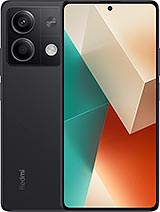
In terms of build and handling, the device is surprisingly svelte at just 7.6 mm thickness. Weighing in at 173.5 g, it is significantly lighter than the heavyweights like the iPhone 14 Pro Max, making it much more comfortable for one-handed use over long periods. However, the glossy finish on certain color variants like the Black model acts as a massive fingerprint magnet. Within minutes of handling, the back panel can look greasy, necessitating the use of a case for those who value a pristine look.
The use of Corning Gorilla Glass 5 on the front provides a solid layer of defense against micro-scratches from keys or coins in a pocket. While the frame is likely a high-quality polycarbonate, it feels sturdy enough that it doesn't creak under pressure. We recommend the Blue or White variants if you want to hide smudges more effectively, as the lighter colors do a better job of masking skin oils than the deep black finish.
The sound department is a bit of a mixed bag. While we appreciate the Hi-Res certification, the device relies on a single bottom-firing loudspeaker. This results in a lack of stereo separation when watching movies in landscape mode. At high volumes, the audio can become somewhat thin, lacking the lower-end punch found in devices with dedicated stereo setups. However, the 3.5mm jack compensates for this. For those who don't know, 24-bit audio provides a much wider dynamic range than standard 16-bit files, meaning you can hear more detail in the quietest and loudest parts of a track if you have the right headphones.
The 108 MP main sensor is the star of the camera array. By utilizing pixel binning, the hardware merges multiple pixels into one larger 'super pixel' to improve light intake. In bright daylight, the results are sharp with plenty of detail for cropping. However, the lack of Optical Image Stabilization (OIS) means that in low-light environments, the shutter needs to stay open longer, and any slight hand shake can result in blur. The auxiliary lens is primarily there for depth data, meaning you lose out on the versatility of an ultra-wide or telephoto lens.
Compared to a top-tier flagship like the [Xiaomi 13 Ultra](/the-xiaomi-13-ultra-is-the-only-camera-you-need-to-carry/), the hardware potential here is obviously lower. The ISP struggles to process the massive 108MP data stream quickly, leading to a noticeable delay between pressing the shutter button and the photo being saved. It is a capable camera for static subjects and landscapes, but parents trying to photograph moving children or pets might find the shutter lag challenging. Nevertheless, for social media posting in 2023, the primary sensor provides more than enough clarity for the average user.
When we look at the total package, the value proposition is clear. The manufacturer has focused on the parts of the phone people interact with most: the screen and the primary camera. By cutting corners on video resolution and charging speeds, they managed to squeeze a stunning AMOLED panel into a very affordable price bracket. It is a specialized tool for the content consumer who wants a phone that looks and feels like a premium piece of tech without the flagship invoice.
The Redmi Note 13 (China) successfully balances the high-refresh-rate display and 5G connectivity required for a modern mobile experience. While the processing power and mono speaker remind us of its budget roots, the overall thinness and display quality make it a very attractive option in the current market. If you can live with 1080p video and slightly slower charging, this handset offers one of the best visual experiences in its class.
Our team has observed a fascinating shift in the budget landscape where premium aesthetics are trickling down faster than ever. This model represents that pivot. While the internals suggest a mid-range pedigree, the exterior and the panel suggest something far more expensive. We see this as a strategic move by the manufacturer to capture users who spend most of their time scrolling social media or consuming video content rather than playing high-end mobile titles.
Flagship Feel?
The visual experience is anchored by a 6.67-inch AMOLED panel that punches well above its weight class. Supporting 1 billion colors and a 120Hz refresh rate, this display provides the kind of color depth and motion clarity that was reserved for the $500+ segment just eighteen months ago. When scrolling through text-heavy apps or fast-paced video feeds, the lack of ghosting is immediately apparent. With a 1000 nits peak brightness, the handset ensures that even under direct September sunlight, reading notifications or navigating GPS maps remains a frustration-free experience.
We must highlight the screen-to-body ratio, which sits at approximately 88.9%. This is achieved through impressively slim bezels that give the device a modern, expansive look. Imagine sitting in a brightly lit cafe; while many [budget phones](/trend/best-budget-phones-2026/) struggle with glare and dimness, this screen remains punchy. For those who don't know, an AMOLED screen allows each pixel to turn off completely for true blacks, which not only looks better but saves significant battery when using dark mode. Compared to the LCD panels found in many entry-level [5G phones](/trend/best-5g-phones-2026/) from Motorola or Nokia, this is a night-and-day difference.
The Compromises
To hit the 250 EUR price point while offering such a high-end screen, certain hardware trade-offs were inevitable. The engine under the hood is the Mediatek Dimensity 6080. Built on a 6nm process, this chipset is an evolution of the Dimensity 810. It handles daily tasks like messaging, browsing, and light photo editing with ease, but don't expect it to shred through heavy video renders or intense 3D gaming. During a 2-hour gaming session of lighter titles, the device remains cool, but frame rates will dip in more demanding environments like Genshin Impact if settings are pushed too high.
Another point of contention is the charging speed. At 33W wired charging, the 5000 mAh battery takes significantly longer to top up compared to the 67W or 120W speeds found in the Pro siblings of this series. Picture this: you have twenty minutes before leaving for a long commute. With 33W, you might gain 30-35% charge, whereas competitors with faster standards could nearly double that. Additionally, the video recording is capped at 1080p@30fps. In an era where 4K is becoming standard, this limitation—likely due to the ISP capabilities of the Dimensity 6080—might frustrate those who enjoy capturing high-detail travel clips.
Underrated Features
Beyond the headline specs, the handset includes several practical touches that are becoming rare. The Infrared port remains a staple, allowing the phone to act as a universal remote for TVs and air conditioners—a small but incredibly useful tool in a smart home ecosystem. There is also an IP54 rating, providing protection against dust and water splashes. While you can't take it for a swim, it provides peace of mind if you are caught in a sudden autumn rainstorm.
The inclusion of a 3.5mm headphone jack is another win for pragmatism. While the world is moving toward wireless, the ability to plug in high-quality wired IEMs and enjoy the 24-bit/192kHz Hi-Res audio support is a major plus for budget audiophiles. We also find the side-mounted fingerprint sensor to be a wise choice. Cheap under-display sensors are often sluggish and inaccurate; this physical sensor offers near-instant biometric authentication that works reliably even with slightly damp hands.
The Fingerprint Magnet Test
In terms of build and handling, the device is surprisingly svelte at just 7.6 mm thickness. Weighing in at 173.5 g, it is significantly lighter than the heavyweights like the iPhone 14 Pro Max, making it much more comfortable for one-handed use over long periods. However, the glossy finish on certain color variants like the Black model acts as a massive fingerprint magnet. Within minutes of handling, the back panel can look greasy, necessitating the use of a case for those who value a pristine look.
The use of Corning Gorilla Glass 5 on the front provides a solid layer of defense against micro-scratches from keys or coins in a pocket. While the frame is likely a high-quality polycarbonate, it feels sturdy enough that it doesn't creak under pressure. We recommend the Blue or White variants if you want to hide smudges more effectively, as the lighter colors do a better job of masking skin oils than the deep black finish.
Audio Experience
The sound department is a bit of a mixed bag. While we appreciate the Hi-Res certification, the device relies on a single bottom-firing loudspeaker. This results in a lack of stereo separation when watching movies in landscape mode. At high volumes, the audio can become somewhat thin, lacking the lower-end punch found in devices with dedicated stereo setups. However, the 3.5mm jack compensates for this. For those who don't know, 24-bit audio provides a much wider dynamic range than standard 16-bit files, meaning you can hear more detail in the quietest and loudest parts of a track if you have the right headphones.
Camera vs Top Tier
The 108 MP main sensor is the star of the camera array. By utilizing pixel binning, the hardware merges multiple pixels into one larger 'super pixel' to improve light intake. In bright daylight, the results are sharp with plenty of detail for cropping. However, the lack of Optical Image Stabilization (OIS) means that in low-light environments, the shutter needs to stay open longer, and any slight hand shake can result in blur. The auxiliary lens is primarily there for depth data, meaning you lose out on the versatility of an ultra-wide or telephoto lens.
Compared to a top-tier flagship like the [Xiaomi 13 Ultra](/the-xiaomi-13-ultra-is-the-only-camera-you-need-to-carry/), the hardware potential here is obviously lower. The ISP struggles to process the massive 108MP data stream quickly, leading to a noticeable delay between pressing the shutter button and the photo being saved. It is a capable camera for static subjects and landscapes, but parents trying to photograph moving children or pets might find the shutter lag challenging. Nevertheless, for social media posting in 2023, the primary sensor provides more than enough clarity for the average user.
Final Thoughts
When we look at the total package, the value proposition is clear. The manufacturer has focused on the parts of the phone people interact with most: the screen and the primary camera. By cutting corners on video resolution and charging speeds, they managed to squeeze a stunning AMOLED panel into a very affordable price bracket. It is a specialized tool for the content consumer who wants a phone that looks and feels like a premium piece of tech without the flagship invoice.
The Redmi Note 13 (China) successfully balances the high-refresh-rate display and 5G connectivity required for a modern mobile experience. While the processing power and mono speaker remind us of its budget roots, the overall thinness and display quality make it a very attractive option in the current market. If you can live with 1080p video and slightly slower charging, this handset offers one of the best visual experiences in its class.
Technical Specifications
| LAUNCH | |
|---|---|
| Announced | 2023, September 21 |
| Status | Available. Released 2023, September 21 |
| PLATFORM | |
| OS | Android 13, MIUI 14 |
| Chipset | Mediatek Dimensity 6080 (6 nm) |
| CPU | Octa-core (2x2.4 GHz Cortex-A76 & 6x2.0 GHz Cortex-A55) |
| GPU | Mali-G57 MC2 |
| BODY | |
| Dimensions | 161.1 x 75 x 7.6 mm (6.34 x 2.95 x 0.30 in) |
| Weight | 173.5 g (6.14 oz) |
| SIM | Nano-SIM + Nano-SIM |
| Info | IP54 dust protected and water resistant (water splashes) |
| DISPLAY | |
| Type | AMOLED, 1B colors, 120Hz, 1000 nits (peak) |
| Size | 6.67 inches, 107.4 cm2 (~88.9% screen-to-body ratio) |
| Resolution | 1080 x 2400 pixels, 20:9 ratio (~395 ppi density) |
| Protection | Corning Gorilla Glass 5 |
| MEMORY | |
| Card slot | No |
| Internal | 128GB 6GB RAM, 128GB 8GB RAM, 256GB 8GB RAM, 256GB 12GB RAM |
| MAIN CAMERA | |
| Dual | 108 MP, f/1.7, (wide), 0.64µm, PDAF Auxiliary lens |
| Features | LED flash, HDR, panorama |
| Video | 1080p@30fps |
| SELFIE CAMERA | |
| Single | 16 MP, (wide) |
| Features | HDR |
| Video | 1080p@30fps |
| SOUND | |
| Loudspeaker | Yes |
| 3.5mm jack | Yes |
| Info | 24-bit/192kHz Hi-Res audio |
| COMMS | |
| WLAN | Wi-Fi 802.11 a/b/g/n/ac, dual-band |
| Bluetooth | 5.3, A2DP, LE |
| Positioning | GPS, GLONASS, GALILEO, BDS |
| NFC | No |
| Infrared port | Yes |
| Radio | No |
| USB | USB Type-C 2.0 |
| NETWORK | |
| Technology | GSM / CDMA / HSPA / CDMA2000 / LTE / 5G |
| 2G bands | GSM 850 / 900 / 1800 / 1900 |
| Info | CDMA2000 1x |
| 3G bands | HSDPA 850 / 900 / 2100 |
| 4G bands | 1, 3, 5, 8, 34, 38, 39, 40, 41 |
| 5G bands | 1, 5, 8, 28, 41, 78 SA/NSA |
| Speed | HSPA, LTE, 5G |
| FEATURES | |
| Sensors | Fingerprint (side-mounted), accelerometer, gyro, proximity, compass |
| BATTERY | |
| Type | Li-Po 5000 mAh |
| Charging | 33W wired |
| MISC | |
| Display | 6.67" AMOLED, 120Hz, 1B colors, 1000 nits (peak) |
| Chipset | Mediatek Dimensity 6080 (6 nm) |
| Main Camera | 108 MP, f/1.7 (wide) + Auxiliary lens |
| Selfie Camera | 16 MP, 1080p@30fps |
| Battery | 5000 mAh, 33W wired charging |
| Dimensions | 161.1 x 75 x 7.6 mm; 173.5g |
| Durability | IP54 dust and water resistant; Gorilla Glass 5 |
| Software | Android 13, MIUI 14 |
| Audio | 3.5mm jack, 24-bit/192kHz Hi-Res audio |
| Connectivity | 5G (SA/NSA), Bluetooth 5.3, IR Port, USB-C 2.0 |
| Colors | Black, White, Blue |
| Models | 2312DRAABC |
| Price | About 250 EUR |