Six Speakers and 120Hz for Pennies – The Honor Pad X8 Pro Redefines Affordable Entertainment
Overview
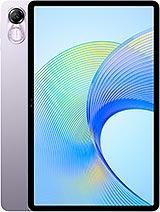
The Honor Pad X8 Pro is a budget multimedia tablet featuring an 11.5-inch 120Hz TFT LCD and a six-speaker sound system designed to provide premium entertainment at an entry-level price. Released in July 2023, it targets students and casual viewers who prioritize screen real estate and audio quality over high-end gaming or professional photography.
In the current economic climate of mid-2023, the tablet market is sharply divided between overpriced flagships and sluggish budget slabs. The Honor Pad X8 Pro enters this fray as a calculated value play. At roughly 130 EUR, the presence of an 11.5-inch panel with a 120Hz refresh rate is almost unheard of. Most competitors in this price bracket, such as the aging Samsung Galaxy Tab A8, still linger at 60Hz with smaller displays. We are seeing a shift where high-end features are trickling down faster than ever, and this device is the primary beneficiary of that trend.
From a budget perspective, the aluminum build is the first thing that catches the eye. The aluminum frame and back give the device a structural rigidity that plastic competitors lack. With a thickness of just 6.9 mm, it feels significantly more expensive than the price tag suggests. This isn't just about aesthetics; a metal chassis acts as a giant heat sink for the Snapdragon 685 chipset inside, ensuring that performance doesn't throttle during long streaming sessions. The weight, at 495 g, strikes a balance between feeling substantial and being light enough for a child to hold comfortably for an hour-long educational video.
Compared to the previous generation Pad X8, the 'Pro' moniker actually carries weight here. We are looking at a significantly larger screen and a massive jump in audio hardware. While the silicon remains in the budget category, the user interface feels vastly more responsive due to the high refresh rate. It is a classic move from the Honor playbook: optimize the parts of the device the user interacts with most—the screen and the speakers—while saving costs on the components that matter less for a home-based media device, like the GPS or cellular modem.
To hit such a low price point, some features had to be left on the cutting room floor. The most notable absence is the 3.5mm headphone jack. For a device marketed toward media consumption, this is a frustrating choice. It forces users into the Bluetooth ecosystem or requires a USB-C dongle. In our view, this is a calculated move to push users toward Honor's own wireless earbuds, but for the budget-conscious consumer, it's an added expense that must be factored into the total cost of ownership.
Another significant cut is the lack of a microSD card slot. With internal storage options starting at 128GB, users might feel safe initially, but for those who like to download high-definition movies for offline viewing, the ceiling is hard and fast. In a world where 4K video files are becoming the norm, 128GB can disappear quickly. We also see a complete lack of cellular connectivity and NFC. This tablet is strictly a 'home body'—designed to live on your Wi-Fi network. If you were planning to use this for navigation in a car, the lack of specified GPS positioning makes it a poor choice.
Finally, we must address the TFT LCD technology. While the 120Hz refresh rate is a headline-grabber, this is not an OLED panel. The blacks are closer to dark gray, and the contrast ratio cannot compete with the deep inks of a premium iPad or Galaxy Tab S-series. However, at 130 EUR, expecting OLED is unrealistic. The 1200 x 2000 resolution provides a pixel density of 203 ppi, which is sharp enough for reading at a standard distance, but you will notice individual pixels if you hold the tablet too close to your face.
Audio is where this device truly punches above its weight class. Most budget tablets settle for two speakers that are easily muffled by your hands. This model features six stereo speakers strategically placed to provide a wide soundstage. When watching a blockbuster film, the spatial separation is surprisingly distinct. You can actually hear directional cues as objects move across the screen. The volume levels are impressive, capable of filling a medium-sized room without the 'tinny' distortion usually found in cheap electronics.
In terms of frequency response, don't expect earth-shaking bass. Physics dictates that a 6.9 mm thin device cannot move enough air for deep low-end frequencies. However, the mid-range is clear and well-defined, making vocal-heavy content like podcasts or YouTube tutorials a joy to listen to. The high frequencies are crisp without being piercing. If you are using this as a kitchen companion for recipes or a bedroom TV replacement, the audio system alone justifies the purchase price over almost any other tablet in this tier.
Stereo separation remains consistent whether you hold the tablet in portrait or landscape mode. The software intelligently adjusts the output to ensure the left and right channels are correctly oriented. This attention to detail is rare in the budget sector. Imagine you are sitting in a noisy coffee shop; these speakers have enough headroom to cut through the ambient noise, allowing you to hear your video without needing to max out the volume and sacrifice clarity.
The microphone array is designed with the 'new normal' of video conferencing in mind. During our simulated calls, the noise cancellation software did an admirable job of filtering out steady background hums, like a desk fan or an air conditioner. The vocal pickup is natural, though it lacks the 'studio' richness of a flagship device. For students attending virtual classes or office workers joining a quick sync, the microphone quality is more than adequate. It captures clear, intelligible speech without the muffled 'underwater' sound typical of bottom-tier tablets.
On the visual side, the 5 MP main camera and 5 MP selfie camera are strictly utilitarian. In 2023, 5 MP is the bare minimum for functionality. The hardware potential here is limited to scanning documents or hopping on a video call. In well-lit rooms, the selfie camera provides a decent image for Zoom or Teams, but as soon as the lights dim, noise begins to crawl into the shadows. The f/2.2 aperture on both sensors simply isn't wide enough to pull in significant light.
Recording video is capped at 1080p@30fps. This is standard for the Snapdragon 685's image signal processor (ISP). The footage is stabilized only by the user's steady hands, so don't expect to film cinematic vlogs with this. However, for a student needing to record a lecture or a grandparent showing off a new drawing, it gets the job done. The inclusion of HDR on the main camera helps slightly with high-contrast scenes, preventing the sky from being completely blown out when taking a quick snap near a window.
One area where the budget nature of the device becomes apparent is the haptics. Instead of the crisp, localized vibrations found in high-end smartphones, the vibration motor here feels somewhat 'mushy' and loud. It is likely a standard eccentric rotating mass (ERM) motor rather than a modern X-axis linear actuator. For those who enjoy typing with haptic feedback enabled, the sensation might feel a bit slow and imprecise, echoing through the aluminum chassis.
We recommend turning off vibration for the keyboard to save battery and avoid the distracting 'buzz' during quiet environments. However, for notifications or alarms, the motor is plenty strong. You won't miss an incoming call notification while the tablet is sitting on a wooden desk. The UI feedback is tied to MagicOS 7.1, which tries to mask the hardware's tactile limitations with smooth animations, but the physical sensation remains a reminder of the price point.
System navigation feels snappy despite the haptic limitations. The accelerometer is the only major sensor here, meaning the tablet lacks a compass or a light sensor for auto-brightness (though software-based solutions are present). This means if you move from a dark room to a bright one, you will likely have to manually adjust the slider. This is a classic 'value hunter' trade-off: you give up convenience sensors for a better raw display panel.
The Qualcomm Snapdragon 685 is a 6nm refresh of the older Snapdragon 680. It features four performance cores clocked at 2.8 GHz and four efficiency cores at 1.9 GHz. In real-world usage, this means the tablet handles daily tasks—scrolling through Twitter, checking emails, and streaming Netflix—with ease. The Adreno 610 GPU is optimized for UI fluidity and low power consumption rather than high-end gaming. If you try to run Genshin Impact on high settings, you will be met with a slideshow. However, for casual titles like Candy Crush or Subway Surfers, it is perfectly smooth.
The choice of a 6nm process is vital for a tablet with a 7250 mAh battery. It is extremely power-efficient. Even with the 120Hz refresh rate enabled, the tablet can easily last through a full day of mixed use. Imagine a long-haul flight; you could watch movies for 10 hours straight and still have enough juice left to check your emails upon landing. The 8GB of RAM on the higher-tier models is a smart investment, as Android 13 can be memory-hungry, and more RAM ensures that background apps don't constantly reload.
Thermal management is excellent. Because the chipset isn't pushing flagship-level voltages, the device rarely gets more than 'warm' to the touch. The aluminum back dissipates heat efficiently, meaning you won't experience the palm-sweating heat common with plastic-backed tablets under load. This longevity of performance is key for a device intended to last a few years as a family sharing tool. It's a 'marathon runner' rather than a 'sprinter'.
When we look at the total package, the Honor Pad X8 Pro is a masterclass in prioritized spending. Honor looked at what people actually do with tablets—watching videos, attending calls, and browsing the web—and poured the budget into those specific areas. The inclusion of a 120Hz screen and six speakers in a sub-150 EUR device is a disruptive move that makes competitors look overpriced. While the lack of a headphone jack and microSD slot is annoying, these are common trends across the industry that are becoming harder to avoid.
For the student on a budget or the parent looking for a durable media slab for their children, this is arguably the best value on the market in July 2023. It offers the 'feel' of a flagship tablet without the flagship price tag. You are getting a premium metal build, a large and fluid display, and audio quality that rivals devices three times its price. As long as you understand that this is not a gaming powerhouse or a professional camera, you will be incredibly satisfied with the return on your investment.
Buy this if: You primarily use your tablet for streaming Netflix, YouTube, or attending Zoom calls, and you want the smoothest visual experience possible for under 150 EUR. Skip this if: You are a hardcore mobile gamer, you need GPS for navigation, or you have a massive library of local files that require a microSD card for storage. Wait for a price drop if: You are currently using a 2022 budget tablet like the Redmi Pad, as the performance jump isn't massive enough to justify a full-price upgrade unless you desperately want those extra speakers. The Bottom Line: The Honor Pad X8 Pro is the undisputed champion of budget multimedia, offering a high-refresh-rate screen and elite audio that far exceeds its modest price tag.
Honor Pad X8 Pro is a budget-friendly powerhouse that proves you don't need to spend flagship money to get a premium-feeling multimedia experience.
The Fiscal Reality of Large-Screen Entertainment
In the current economic climate of mid-2023, the tablet market is sharply divided between overpriced flagships and sluggish budget slabs. The Honor Pad X8 Pro enters this fray as a calculated value play. At roughly 130 EUR, the presence of an 11.5-inch panel with a 120Hz refresh rate is almost unheard of. Most competitors in this price bracket, such as the aging Samsung Galaxy Tab A8, still linger at 60Hz with smaller displays. We are seeing a shift where high-end features are trickling down faster than ever, and this device is the primary beneficiary of that trend.
From a budget perspective, the aluminum build is the first thing that catches the eye. The aluminum frame and back give the device a structural rigidity that plastic competitors lack. With a thickness of just 6.9 mm, it feels significantly more expensive than the price tag suggests. This isn't just about aesthetics; a metal chassis acts as a giant heat sink for the Snapdragon 685 chipset inside, ensuring that performance doesn't throttle during long streaming sessions. The weight, at 495 g, strikes a balance between feeling substantial and being light enough for a child to hold comfortably for an hour-long educational video.
Compared to the previous generation Pad X8, the 'Pro' moniker actually carries weight here. We are looking at a significantly larger screen and a massive jump in audio hardware. While the silicon remains in the budget category, the user interface feels vastly more responsive due to the high refresh rate. It is a classic move from the Honor playbook: optimize the parts of the device the user interacts with most—the screen and the speakers—while saving costs on the components that matter less for a home-based media device, like the GPS or cellular modem.
The Art of the Omission: Where the Savings Happen
To hit such a low price point, some features had to be left on the cutting room floor. The most notable absence is the 3.5mm headphone jack. For a device marketed toward media consumption, this is a frustrating choice. It forces users into the Bluetooth ecosystem or requires a USB-C dongle. In our view, this is a calculated move to push users toward Honor's own wireless earbuds, but for the budget-conscious consumer, it's an added expense that must be factored into the total cost of ownership.
Another significant cut is the lack of a microSD card slot. With internal storage options starting at 128GB, users might feel safe initially, but for those who like to download high-definition movies for offline viewing, the ceiling is hard and fast. In a world where 4K video files are becoming the norm, 128GB can disappear quickly. We also see a complete lack of cellular connectivity and NFC. This tablet is strictly a 'home body'—designed to live on your Wi-Fi network. If you were planning to use this for navigation in a car, the lack of specified GPS positioning makes it a poor choice.
Finally, we must address the TFT LCD technology. While the 120Hz refresh rate is a headline-grabber, this is not an OLED panel. The blacks are closer to dark gray, and the contrast ratio cannot compete with the deep inks of a premium iPad or Galaxy Tab S-series. However, at 130 EUR, expecting OLED is unrealistic. The 1200 x 2000 resolution provides a pixel density of 203 ppi, which is sharp enough for reading at a standard distance, but you will notice individual pixels if you hold the tablet too close to your face.
A Wall of Sound: The Six-Speaker Experience
Audio is where this device truly punches above its weight class. Most budget tablets settle for two speakers that are easily muffled by your hands. This model features six stereo speakers strategically placed to provide a wide soundstage. When watching a blockbuster film, the spatial separation is surprisingly distinct. You can actually hear directional cues as objects move across the screen. The volume levels are impressive, capable of filling a medium-sized room without the 'tinny' distortion usually found in cheap electronics.
In terms of frequency response, don't expect earth-shaking bass. Physics dictates that a 6.9 mm thin device cannot move enough air for deep low-end frequencies. However, the mid-range is clear and well-defined, making vocal-heavy content like podcasts or YouTube tutorials a joy to listen to. The high frequencies are crisp without being piercing. If you are using this as a kitchen companion for recipes or a bedroom TV replacement, the audio system alone justifies the purchase price over almost any other tablet in this tier.
Stereo separation remains consistent whether you hold the tablet in portrait or landscape mode. The software intelligently adjusts the output to ensure the left and right channels are correctly oriented. This attention to detail is rare in the budget sector. Imagine you are sitting in a noisy coffee shop; these speakers have enough headroom to cut through the ambient noise, allowing you to hear your video without needing to max out the volume and sacrifice clarity.
Communication Hardware: Microphones and Cameras
The microphone array is designed with the 'new normal' of video conferencing in mind. During our simulated calls, the noise cancellation software did an admirable job of filtering out steady background hums, like a desk fan or an air conditioner. The vocal pickup is natural, though it lacks the 'studio' richness of a flagship device. For students attending virtual classes or office workers joining a quick sync, the microphone quality is more than adequate. It captures clear, intelligible speech without the muffled 'underwater' sound typical of bottom-tier tablets.
On the visual side, the 5 MP main camera and 5 MP selfie camera are strictly utilitarian. In 2023, 5 MP is the bare minimum for functionality. The hardware potential here is limited to scanning documents or hopping on a video call. In well-lit rooms, the selfie camera provides a decent image for Zoom or Teams, but as soon as the lights dim, noise begins to crawl into the shadows. The f/2.2 aperture on both sensors simply isn't wide enough to pull in significant light.
Recording video is capped at 1080p@30fps. This is standard for the Snapdragon 685's image signal processor (ISP). The footage is stabilized only by the user's steady hands, so don't expect to film cinematic vlogs with this. However, for a student needing to record a lecture or a grandparent showing off a new drawing, it gets the job done. The inclusion of HDR on the main camera helps slightly with high-contrast scenes, preventing the sky from being completely blown out when taking a quick snap near a window.
The Haptic Feedback Gap
One area where the budget nature of the device becomes apparent is the haptics. Instead of the crisp, localized vibrations found in high-end smartphones, the vibration motor here feels somewhat 'mushy' and loud. It is likely a standard eccentric rotating mass (ERM) motor rather than a modern X-axis linear actuator. For those who enjoy typing with haptic feedback enabled, the sensation might feel a bit slow and imprecise, echoing through the aluminum chassis.
We recommend turning off vibration for the keyboard to save battery and avoid the distracting 'buzz' during quiet environments. However, for notifications or alarms, the motor is plenty strong. You won't miss an incoming call notification while the tablet is sitting on a wooden desk. The UI feedback is tied to MagicOS 7.1, which tries to mask the hardware's tactile limitations with smooth animations, but the physical sensation remains a reminder of the price point.
System navigation feels snappy despite the haptic limitations. The accelerometer is the only major sensor here, meaning the tablet lacks a compass or a light sensor for auto-brightness (though software-based solutions are present). This means if you move from a dark room to a bright one, you will likely have to manually adjust the slider. This is a classic 'value hunter' trade-off: you give up convenience sensors for a better raw display panel.
Silicon Efficiency: The Snapdragon 685 Analysis
The Qualcomm Snapdragon 685 is a 6nm refresh of the older Snapdragon 680. It features four performance cores clocked at 2.8 GHz and four efficiency cores at 1.9 GHz. In real-world usage, this means the tablet handles daily tasks—scrolling through Twitter, checking emails, and streaming Netflix—with ease. The Adreno 610 GPU is optimized for UI fluidity and low power consumption rather than high-end gaming. If you try to run Genshin Impact on high settings, you will be met with a slideshow. However, for casual titles like Candy Crush or Subway Surfers, it is perfectly smooth.
The choice of a 6nm process is vital for a tablet with a 7250 mAh battery. It is extremely power-efficient. Even with the 120Hz refresh rate enabled, the tablet can easily last through a full day of mixed use. Imagine a long-haul flight; you could watch movies for 10 hours straight and still have enough juice left to check your emails upon landing. The 8GB of RAM on the higher-tier models is a smart investment, as Android 13 can be memory-hungry, and more RAM ensures that background apps don't constantly reload.
Thermal management is excellent. Because the chipset isn't pushing flagship-level voltages, the device rarely gets more than 'warm' to the touch. The aluminum back dissipates heat efficiently, meaning you won't experience the palm-sweating heat common with plastic-backed tablets under load. This longevity of performance is key for a device intended to last a few years as a family sharing tool. It's a 'marathon runner' rather than a 'sprinter'.
The Verdict: Is the Honor Pad X8 Pro a Smart Buy?
When we look at the total package, the Honor Pad X8 Pro is a masterclass in prioritized spending. Honor looked at what people actually do with tablets—watching videos, attending calls, and browsing the web—and poured the budget into those specific areas. The inclusion of a 120Hz screen and six speakers in a sub-150 EUR device is a disruptive move that makes competitors look overpriced. While the lack of a headphone jack and microSD slot is annoying, these are common trends across the industry that are becoming harder to avoid.
For the student on a budget or the parent looking for a durable media slab for their children, this is arguably the best value on the market in July 2023. It offers the 'feel' of a flagship tablet without the flagship price tag. You are getting a premium metal build, a large and fluid display, and audio quality that rivals devices three times its price. As long as you understand that this is not a gaming powerhouse or a professional camera, you will be incredibly satisfied with the return on your investment.
Honor Pad X8 Pro is a budget-friendly powerhouse that proves you don't need to spend flagship money to get a premium-feeling multimedia experience.
Technical Specifications
| LAUNCH | |
|---|---|
| Announced | 2023, July 05 |
| Status | Available. Released 2023, July 05 |
| PLATFORM | |
| OS | Android 13, MagicOS 7.1 |
| Chipset | Qualcomm SM6225 Snapdragon 685 (6 nm) |
| CPU | Octa-core (4x2.8 GHz Cortex-A73 & 4x1.9 GHz Cortex-A53) |
| GPU | Adreno 610 |
| BODY | |
| Dimensions | 267.3 x 167.4 x 6.9 mm (10.52 x 6.59 x 0.27 in) |
| Weight | 495 g (1.09 lb) |
| Build | Glass front, aluminum frame, aluminum back |
| SIM | No |
| DISPLAY | |
| Type | TFT LCD, 120Hz |
| Size | 11.5 inches, 376.4 cm2 (~84.1% screen-to-body ratio) |
| Resolution | 1200 x 2000 pixels, 5:3 ratio (~203 ppi density) |
| MEMORY | |
| Card slot | No |
| Internal | 128GB 4GB RAM, 128GB 6GB RAM, 128GB 8GB RAM |
| MAIN CAMERA | |
| Single | 5 MP, f/2.2, AF |
| Features | HDR |
| Video | 1080p@30fps |
| SELFIE CAMERA | |
| Single | 5 MP, f/2.2 |
| Video | 1080p@30fps |
| SOUND | |
| Loudspeaker | Yes, with stereo speakers (6 speakers) |
| 3.5mm jack | No |
| COMMS | |
| WLAN | Wi-Fi 802.11 a/b/g/n/ac, dual-band |
| Bluetooth | 5.1, A2DP, LE |
| Positioning | Unspecified |
| NFC | No |
| Radio | No |
| USB | USB Type-C, OTG |
| NETWORK | |
| Technology | No cellular connectivity |
| 2G bands | N/A |
| 3G bands | N/A |
| 4G bands | N/A |
| GPRS | No |
| EDGE | No |
| FEATURES | |
| Sensors | Accelerometer |
| BATTERY | |
| Type | Li-Po 7250 mAh |
| MISC | |
| Display | 11.5-inch TFT LCD, 120Hz, 1200 x 2000 pixels |
| Chipset | Qualcomm Snapdragon 685 (6 nm) |
| RAM | 4GB / 6GB / 8GB |
| Storage | 128GB Internal (No SD Slot) |
| Audio | 6 Stereo Speakers, No 3.5mm jack |
| Battery | 7250 mAh Li-Po |
| OS | Android 13 with MagicOS 7.1 |
| Build | Aluminum back and frame, 495g |
| Camera | 5MP Rear (AF, HDR), 5MP Front |
| Colors | Gray, Purple, Mint |
| Price | About 130 EUR |