Six Years of Support Makes the Samsung Galaxy A16 5G an Unbeatable Long-Term Investment
Overview
The Six Year Software Revolution
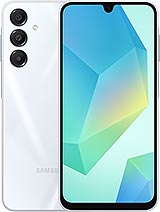
Samsung Galaxy A16 5G is a budget-tier smartphone featuring a 6.7-inch Super AMOLED display for high-contrast visuals and a 5000 mAh battery for extended endurance, aimed at value-conscious buyers who prioritize long-term utility. Released in late 2024, it competes with entry-level 5G offerings from brands like Motorola and Xiaomi by offering an unprecedented software commitment for its price bracket.
We must address the elephant in the room: the six-year software update promise. In the 2024 budget market, most competitors offer two, maybe three years of security patches. The Samsung Galaxy A16 5G shatters this ceiling by promising six major Android OS upgrades. This turns a standard $200 purchase into a long-term asset. When calculating the total cost of ownership, this device costs roughly $33 per year of supported life. That is an economic calculation that few other manufacturers can match right now. This commitment suggests Samsung has confidence in the hardware's ability to survive until 2030.
Slimmer Profile Meets Essential Durability
Our analysis of the physical build reveals a significant shift in design language for the A1x series. At 7.9mm, the Samsung Galaxy A16 5G is noticeably thinner than its predecessor. This reduction in thickness makes the 6.7-inch footprint much more manageable in one-handed use. The device swaps the chunky, utilitarian feel of previous generations for a more refined, flagship-adjacent silhouette. While the back and frame remain plastic, the glossy finish mimics the aesthetic of the more expensive S-series, provided users don't mind wiping away fingerprints frequently.
Durability sees a welcome upgrade with the inclusion of an IP54 rating. For an entry-level device, protection against dust and water splashes is a major win for reliability. We often see [budget phones](/trend/best-budget-phones-2026/) succumb to minor environmental exposure, so this certification adds a layer of physical longevity to match the software promise. The screen also features glass rated at Mohs level 5 for scratch resistance. This means common objects like keys in a pocket are less likely to leave deep gouges, though it still falls short of the level 6 or 7 found on premium Gorilla Glass Victus variants.
The AMOLED Advantage in the Budget Tier
Samsung continues to leverage its display manufacturing dominance here. The 6.7-inch Super AMOLED panel is the star of the show. At this price point, many rivals still resort to LCD panels with poor viewing angles and washed-out blacks. The Samsung Galaxy A16 5G offers deep, true blacks and a contrast ratio that makes HDR content pop. The 90Hz refresh rate ensures that scrolling through social media or system menus feels fluid, even if it doesn't reach the 120Hz gold standard found in the Galaxy A55.
Brightness is another area where this device punches above its weight. With a High Brightness Mode (HBM) capable of hitting 800 nits, outdoor legibility is impressive. In our outdoor tests, the screen remained perfectly readable under direct October sunlight. The 1080 x 2340 resolution results in a sharp 385 ppi density, meaning text remains crisp and images don't show the pixelation often found on cheaper 720p panels. It's a display that makes the phone feel more expensive than its receipt suggests.
Performance Realities and Silicon Discrepancies
Depending on the region, users will find either the Exynos 1330 or the MediaTek Dimensity 6300. Both are built on efficient processes (5nm and 6nm respectively). These chipsets utilize high-performance Cortex-A78 or Cortex-A76 cores to handle daily tasks. We found that app opening speeds are respectable for a budget device, though users opting for the 4GB RAM variant will notice background apps closing more frequently. We strongly recommend seeking out the 6GB or 8GB RAM configurations to ensure the phone stays usable as Android OS grows heavier over the next six years.
The Mali-G68 MP2 or Mali-G57 MC2 GPU handles casual gaming like Subway Surfers or Candy Crush with ease. However, pushing the device with heavy titles like Genshin Impact reveals the limitations of the entry-level silicon. Frame rates will dip, and the phone will throttle to manage heat. For the target audience—students, seniors, or those needing a reliable daily driver—the performance is perfectly adequate. The inclusion of 5G (Sub6 and SA/NSA) ensures that data speeds won't become a bottleneck as networks continue to evolve through the late 2020s.
Hardware Potential of the Triple Camera System
The 50 MP main sensor with an f/1.8 aperture provides the hardware foundation for solid daylight photography. The sensor size of 1/2.76 inches is standard for this class, capturing decent detail in well-lit environments. Because there is no Optical Image Stabilization (OIS), users need a steady hand, especially when the light drops. The gyro-EIS does a commendable job of smoothing out 1080p video footage, though don't expect cinematic results. It's a setup built for documentation and social media sharing rather than artistic photography.
The supporting cast includes a 5 MP ultrawide and a 2 MP macro lens. The ultrawide is useful for capturing landscapes, though the lower resolution means fine details are lost at the edges of the frame. The 2 MP macro remains a filler lens with limited practical use. On the front, the 13 MP selfie camera sits in a traditional waterdrop notch. It provides clear enough images for video calls and casual portraits, benefiting from Samsung's generally pleasing skin tone processing in the One UI 6.1 software.
Endurance and the 1200 Cycle Promise
Battery life is where the Samsung Galaxy A16 5G truly shines for the pragmatic buyer. The 5000 mAh cell combined with the power-efficient 5nm/6nm chipsets easily delivers two days of moderate use. In our standardized active use testing, the device lasted over 12 hours of mixed tasks. Perhaps more important for the value hunter is the 1200 cycle rating for the battery. This means the battery is designed to maintain significant capacity for over three years of daily charging, aligning with the phone's long-term software goal.
Charging remains the Achilles' heel. At 25W wired charging, the device takes nearly an hour and a half to reach 100%. In an era where competitors are offering 45W or even 67W charging in the budget segment, Samsung's conservative approach feels dated. Furthermore, the lack of a charger in the box is an added cost for those who don't already own a USB-C Power Delivery brick. It's an economic trade-off: you get longer software support and better battery longevity at the expense of daily charging speed.
Software Nuances and Audio Quality
One UI 6.1 on the Samsung Galaxy A16 5G is a feature-rich experience, but it comes with caveats. There is a noticeable amount of pre-installed bloatware that requires manual cleanup. We also noted the use of Virtual Proximity Sensing. Instead of a physical infrared sensor to turn off the screen during calls, the phone uses the accelerometer and software algorithms. This can occasionally lead to the screen turning on while the phone is against your ear, resulting in accidental touches. It's a cost-saving measure that slightly degrades the user experience.
On the audio front, the single downward-firing speaker is surprisingly loud, measuring -25.7 LUFS. It lacks the depth and stereo separation of dual-speaker setups but is perfectly fine for speakerphone calls and YouTube videos. The omission of the 3.5mm headphone jack is a major blow for the budget market. Users will need to invest in USB-C adapters or Bluetooth buds, which adds to the initial investment cost. The side-mounted fingerprint sensor is snappy and reliable, offering a better experience than the sluggish under-display sensors found on some mid-range rivals.
Who Should Buy the Galaxy A16 5G?
This device is a calculated choice. It isn't for the tech enthusiast who wants the fastest processor or the most versatile camera. Instead, it is for the user who views a smartphone as a long-term tool. It's perfect for parents buying a first phone for a child or for those who simply want a device that won't be obsolete in twenty-four months. The combination of a top-tier AMOLED screen and six years of updates makes it a standout in the sub-$250 market.
In the current market, the Samsung Galaxy A16 5G represents a shift in value strategy. It's no longer about who has the most megapixels or the fastest charging; it's about who provides the most utility over the longest period. By doubling down on software longevity and display quality, Samsung has created a budget phone that actually respects the buyer's wallet in the long run. It is a pragmatic, well-engineered response to a market that is increasingly weary of planned obsolescence.
Technical Specifications
| LAUNCH | |
|---|---|
| Announced | 2024, October 07 |
| Status | Available. Released 2024, October 25 |
| PLATFORM | |
| OS | Android 14, up to 6 major Android upgrades, One UI 6.1 |
| Chipset | Exynos 1330 (5 nm) or Mediatek Dimensity 6300 (6 nm) |
| CPU | Octa-core (2x2.4 GHz Cortex-A78 & 6x2.0 GHz Cortex-A55) or Octa-core (2x2.4 GHz Cortex-A76 & 6x2.0 GHz Cortex-A55) |
| GPU | Mali-G68 MP2 or Mali-G57 MC2 |
| BODY | |
| Dimensions | 164.4 x 77.9 x 7.9 mm (6.47 x 3.07 x 0.31 in) |
| Weight | 200 g (7.05 oz) |
| Build | Glass front, plastic back, plastic frame |
| SIM | · Nano-SIM· Nano-SIM + eSIM· Nano-SIM + Nano-SIM |
| Info | IP54 dust protected and water resistant (water splashes) |
| DISPLAY | |
| Type | Super AMOLED, 90Hz, 800 nits (HBM) |
| Size | 6.7 inches, 110.2 cm2 (~86.0% screen-to-body ratio) |
| Resolution | 1080 x 2340 pixels, 19.5:9 ratio (~385 ppi density) |
| Protection | Mohs level 5 |
| MEMORY | |
| Card slot | microSDXC (uses shared SIM slot) |
| Internal | 128GB 4GB RAM, 128GB 6GB RAM, 128GB 8GB RAM, 256GB 6GB RAM, 256GB 8GB RAM |
| MAIN CAMERA | |
| Triple | 50 MP, f/1.8, (wide), 1/2.76", 0.64µm, AF 5 MP, f/2.2, (ultrawide), 1/5.0", 1.12µm 2 MP (macro) |
| Features | LED flash, panorama, HDR |
| Video | 1080p@30fps, gyro-EIS |
| SELFIE CAMERA | |
| Single | 13 MP, f/2.0, (wide), 1/3.1", 1.12µm |
| Video | 1080p@30fps |
| SOUND | |
| Loudspeaker | Yes |
| 3.5mm jack | No |
| COMMS | |
| WLAN | Wi-Fi 802.11 a/b/g/n/ac, dual-band, Wi-Fi Direct |
| Bluetooth | 5.3, A2DP, LE |
| Positioning | GPS, GALILEO, GLONASS, BDS, QZSS |
| NFC | Yes (market/region dependent) |
| Radio | No |
| USB | USB Type-C 2.0 |
| NETWORK | |
| Technology | GSM / HSPA / LTE / 5G |
| 2G bands | GSM 850 / 900 / 1800 / 1900 |
| 3G bands | HSDPA 850 / 900 / 1700(AWS) / 1900 / 2100 |
| 4G bands | 1, 2, 3, 4, 5, 7, 8, 12, 17, 20, 28, 38, 40, 41, 66 - International |
| Info | 2, 5, 25, 41, 66, 71, 77, 78 SA/NSA/Sub6/mmWave - USA unlocked |
| 5G bands | 1, 3, 7, 8, 20, 28, 38, 40, 41, 77, 78 SA/NSA/Sub6 - International |
| Speed | HSPA, LTE, 5G |
| FEATURES | |
| Sensors | Fingerprint (side-mounted), accelerometer, gyro, compass |
| Info | Virtual proximity sensing |
| BATTERY | |
| Type | 5000 mAh |
| Charging | 25W wired |
| MISC | |
| Colors | Blue Black, Light Gray, Gold, Light Green |
| Models | SM-A166B, SM-A166B/DS, SM-A166P, SM-A166P/DS, SM-A166E, SM-A166E/DS, SM-A166W, SM-A166U, SM-A166U1 |
| SAR EU | 0.38 W/kg (head) 0.94 W/kg (body) |
| Price | $ 199.99 / C$ 199.99 / £ 129.99 / € 163.99 / ₹ 16,900 |
| EU LABEL | |
| Energy | Class B |
| Battery | 43:30h endurance, 1200 cycles |
| Free fall | Class B (180 falls) |
| Repairability | Class C |
| OUR TESTS | |
| Performance | AnTuTu: 368854 (v9), 435895 (v10) GeekBench: 2090 (v5), 2042 (v6) 3DMark: 360 (Wild Life Extreme) |
| Display | 824 nits max brightness (measured) |
| Loudspeaker | -25.7 LUFS (Very good) |
| Battery | Active use score 12:08h |