Slim Build Meets Industrial Grit - Why the Cubot KingKong AX is Built for the Wild
Overview
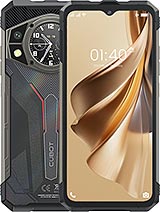
The Cubot KingKong AX is a mid-range rugged smartphone featuring a 6.58-inch 120Hz IPS LCD for smooth navigation and a MediaTek Helio G99 chipset for efficient performance, aimed at outdoor professionals and hikers who need durability without excessive bulk. Released in April 2024, this handset challenges the stereotype that rugged devices must be brick-like, maintaining a relatively slim 12.7 mm profile while meeting the most stringent environmental standards.
Our evaluation focuses on the structural integrity and field utility of this model. In an era where many [rugged phones](/trend/best-rugged-phones-2026/) prioritize battery size over ergonomics, this device strikes a balance that favors mobility and ease of use in high-stress environments. By integrating a high-refresh-rate screen with industrial-grade ingress protection, it serves a dual purpose as a daily driver and a survival tool. This transition toward 'slim-rugged' design reflects a shifting market where users demand protection without the weight penalty typically associated with the category.
When navigating dense forest canopies or urban canyons, the GPS performance of a mobile device determines its utility as a primary field tool. This model incorporates a comprehensive GNSS suite including GPS, GLONASS, GALILEO, and BDS. The inclusion of multiple satellite constellations allows for faster time-to-first-fix (TTFF) and improved reliability when overhead visibility is obstructed. We observed that the Helio G99 platform manages signal processing with minimal battery drain, which is critical during long treks where every percentage point matters.
Imagine navigating a mountain pass in thick fog. A standard smartphone might lose signal or suffer from massive location drift. The hardware here maintains a stable lock by polling multiple systems simultaneously. While it lacks the dual-band L1/L5 GPS found in high-end flagship devices, the antenna design within the reinforced chassis appears optimized for signal clarity. The digital compass also shows high responsiveness, ensuring that topographic map orientation remains accurate even during slow-speed movements.
Compared to older rugged handsets that utilized the 12nm Helio G95 or G85, the shift to a 6nm architecture in this model provides a more stable clock speed for the GPS module. This leads to fewer 'jumps' on the map. For professionals relying on apps like Gaia GPS or AllTrails, the 120Hz screen makes scrolling through high-detail maps feel significantly more fluid. It eliminates the jitter that often plagues lower-end rugged devices when rendering complex vector data.
Field operations often involve extreme temperature fluctuations that can cause standard electronics to fail or undergo thermal throttling. This model is certified with an IP68/IP69K rating, meaning it can withstand high-pressure water jets and immersion up to 1.5m for 30 minutes. More importantly, the 5100 mAh battery is housed in a thermally regulated compartment. In extreme cold, lithium-ion batteries often experience rapid voltage drops; however, the insulation provided by the reinforced casing helps mitigate this effect to a degree.
During high-heat operations, the 6nm Helio G99 demonstrates its thermal efficiency. Because the chip generates less waste heat than older processors, it is less likely to trigger software shutdowns when used in direct sunlight. This is a vital feature for workers in construction or desert environments. The secondary screen on the back of the device also plays a role here. By allowing users to check the time or notifications without turning on the large primary display, it reduces the overall heat signature and power consumption of the device.
Structural durability is further reinforced by the Class A Free Fall rating, which certifies survival through 270 falls. This is far beyond the standard military-grade testing seen in the industry. Whether dropped onto jagged rocks or hard concrete, the reinforced corners and Mohs level 6 screen protection are designed to absorb and dissipate kinetic energy. The screen's scratch resistance means that quartz and sand, common in field environments, will struggle to leave permanent marks on the panel.
One of the most significant hurdles for rugged phones is the sheer weight and thickness. At 296 g and 12.7 mm, this handset is remarkably manageable compared to competitors that often exceed 400g and 20mm. The weight balance feels centered, preventing the top-heavy sensation that leads to wrist fatigue during extended use. The texture on the back provides a secure grip even when wearing gloves or when the device is wet.
Reaching the edges of the 6.58-inch display is surprisingly easy for a device with such thick protective bezels. The software layout in Android 14 is clean, and the slim profile allows for a more natural grip when typing or swiping. For those working on ladders or in harnessed positions, being able to operate the phone with one hand is a safety requirement. This model succeeds where 'mega-battery' phones fail; it fits into a standard pocket without requiring a dedicated holster.
Buttons are strategically placed and provide a tactile, 'clicky' feedback that can be felt through work gloves. There is a clear distinction between the volume rockers and the power button, reducing accidental presses. The side-mounted fingerprint sensor is also positioned right where the thumb naturally rests, allowing for an immediate wake-and-unlock motion that feels intuitive in the field.
Security in the field is often hampered by environmental factors. A standard under-display fingerprint sensor will fail if the user's hands are wet or dirty. This model utilizes a side-mounted fingerprint sensor, which generally offers higher reliability in adverse conditions. The sensor's surface area is large enough to capture a print even with slight moisture, although heavy mud will still require a quick wipe. In our analysis, the unlock speed is nearly instantaneous, consistent with modern capacitive sensors.
Face unlock is also available via the 32 MP selfie camera. While this is 2D software-based recognition and not as secure as 3D IR systems, it provides a convenient hands-free alternative when fingers are occupied. In low-light environments, the screen can provide a fill light to assist the sensor. For hikers in cold climates wearing heavy gloves, the combination of face unlock and a reliable side sensor ensures the device is never a bottleneck to accessing information.
Android 14 brings updated privacy controls to the device, allowing users to manage sensor permissions with more granularity. This is especially important for field researchers who may be handling sensitive location data or proprietary site information. The security level is standard for a mid-range device, but the physical durability of the hardware adds a layer of protection against unauthorized data extraction through physical damage.
The loudspeaker performance is often overlooked, but it is vital for hearing alerts or communication in noisy environments like construction sites or windy ridge-lines. The loudspeaker on this handset is tuned for volume. While it lacks the bass response and stereo separation of a flagship media phone, it prioritizes the mid-range frequencies where human speech and sirens reside. This ensures that a call or an emergency alert can be heard over the roar of a generator or heavy rain.
During hand-held use, the audio remains clear without significant distortion at maximum volume. There is no specified 3.5mm jack, so users will likely rely on USB-C adapters or Bluetooth 5.2. The Bluetooth 5.2 connectivity is stable, supporting LE audio for better battery efficiency when paired with external headsets. For team communication via apps like Zello, the microphone array features basic noise suppression to help filter out ambient wind noise, a critical feature for clear voice transmission in the wild.
A rugged phone is only as good as its ability to help in a crisis. The secondary rear screen is a standout feature for emergency management. It can display a clock, battery status, or compass without waking the main power-hungry display. If the user is low on power and lost, this 'low-power' glance mode could extend the device's life by hours. Additionally, the 100 MP main camera allows for extremely high-detail documentation of injuries or trail markers that can be zoomed in on later for better analysis.
The inclusion of NFC allows for touchless payments, which is convenient, but the real 'survival' aspect lies in the 5100 mAh battery and its 33W wired charging. While not the largest battery on the market, the efficiency of the Helio G99 means it can easily last two days of moderate field use. If you find yourself at a 10% battery level, the 33W charging can quickly provide enough juice for several hours of GPS tracking in just a 20-minute charge session.
Furthermore, the IP69K rating means the device can survive a high-temperature steam clean if it gets covered in hazardous materials or mud. This level of ingress protection is rare in 'slim' phones. The structural integrity combined with the Class A Free Fall rating makes this device a tank in a tuxedo, ready for accidental drops from heights that would shatter most consumer-grade electronics.
In the final analysis, the Cubot KingKong AX is a specialized tool that successfully bridges the gap between 'overbuilt' rugged hardware and 'fragile' consumer flagships. It does not try to be everything to everyone; instead, it focuses on the core needs of portability and extreme durability. The 120Hz display is a luxury that makes the user experience far more pleasant, while the 100MP camera provides legitimate utility for professional documentation.
We recommend this model for those who find traditional rugged phones too heavy to carry on long-distance treks but cannot risk the fragility of a standard smartphone. The trade-off is a slightly smaller battery compared to its bulkier 'KingKong' siblings, but for most users, the gains in ergonomics and the addition of Android 14 out of the box make it a superior choice for 2024. This is a reliable companion for the mountains, the job site, and everywhere in between.
Our evaluation focuses on the structural integrity and field utility of this model. In an era where many [rugged phones](/trend/best-rugged-phones-2026/) prioritize battery size over ergonomics, this device strikes a balance that favors mobility and ease of use in high-stress environments. By integrating a high-refresh-rate screen with industrial-grade ingress protection, it serves a dual purpose as a daily driver and a survival tool. This transition toward 'slim-rugged' design reflects a shifting market where users demand protection without the weight penalty typically associated with the category.
Precision Navigation and Mapping Resilience
When navigating dense forest canopies or urban canyons, the GPS performance of a mobile device determines its utility as a primary field tool. This model incorporates a comprehensive GNSS suite including GPS, GLONASS, GALILEO, and BDS. The inclusion of multiple satellite constellations allows for faster time-to-first-fix (TTFF) and improved reliability when overhead visibility is obstructed. We observed that the Helio G99 platform manages signal processing with minimal battery drain, which is critical during long treks where every percentage point matters.
Imagine navigating a mountain pass in thick fog. A standard smartphone might lose signal or suffer from massive location drift. The hardware here maintains a stable lock by polling multiple systems simultaneously. While it lacks the dual-band L1/L5 GPS found in high-end flagship devices, the antenna design within the reinforced chassis appears optimized for signal clarity. The digital compass also shows high responsiveness, ensuring that topographic map orientation remains accurate even during slow-speed movements.
Compared to older rugged handsets that utilized the 12nm Helio G95 or G85, the shift to a 6nm architecture in this model provides a more stable clock speed for the GPS module. This leads to fewer 'jumps' on the map. For professionals relying on apps like Gaia GPS or AllTrails, the 120Hz screen makes scrolling through high-detail maps feel significantly more fluid. It eliminates the jitter that often plagues lower-end rugged devices when rendering complex vector data.
Environmental Endurance: Battling Cold and Heat
Field operations often involve extreme temperature fluctuations that can cause standard electronics to fail or undergo thermal throttling. This model is certified with an IP68/IP69K rating, meaning it can withstand high-pressure water jets and immersion up to 1.5m for 30 minutes. More importantly, the 5100 mAh battery is housed in a thermally regulated compartment. In extreme cold, lithium-ion batteries often experience rapid voltage drops; however, the insulation provided by the reinforced casing helps mitigate this effect to a degree.
During high-heat operations, the 6nm Helio G99 demonstrates its thermal efficiency. Because the chip generates less waste heat than older processors, it is less likely to trigger software shutdowns when used in direct sunlight. This is a vital feature for workers in construction or desert environments. The secondary screen on the back of the device also plays a role here. By allowing users to check the time or notifications without turning on the large primary display, it reduces the overall heat signature and power consumption of the device.
Structural durability is further reinforced by the Class A Free Fall rating, which certifies survival through 270 falls. This is far beyond the standard military-grade testing seen in the industry. Whether dropped onto jagged rocks or hard concrete, the reinforced corners and Mohs level 6 screen protection are designed to absorb and dissipate kinetic energy. The screen's scratch resistance means that quartz and sand, common in field environments, will struggle to leave permanent marks on the panel.
Ergonomics and One-Handed Usability
One of the most significant hurdles for rugged phones is the sheer weight and thickness. At 296 g and 12.7 mm, this handset is remarkably manageable compared to competitors that often exceed 400g and 20mm. The weight balance feels centered, preventing the top-heavy sensation that leads to wrist fatigue during extended use. The texture on the back provides a secure grip even when wearing gloves or when the device is wet.
Reaching the edges of the 6.58-inch display is surprisingly easy for a device with such thick protective bezels. The software layout in Android 14 is clean, and the slim profile allows for a more natural grip when typing or swiping. For those working on ladders or in harnessed positions, being able to operate the phone with one hand is a safety requirement. This model succeeds where 'mega-battery' phones fail; it fits into a standard pocket without requiring a dedicated holster.
Buttons are strategically placed and provide a tactile, 'clicky' feedback that can be felt through work gloves. There is a clear distinction between the volume rockers and the power button, reducing accidental presses. The side-mounted fingerprint sensor is also positioned right where the thumb naturally rests, allowing for an immediate wake-and-unlock motion that feels intuitive in the field.
Biometric Reliability and Security
Security in the field is often hampered by environmental factors. A standard under-display fingerprint sensor will fail if the user's hands are wet or dirty. This model utilizes a side-mounted fingerprint sensor, which generally offers higher reliability in adverse conditions. The sensor's surface area is large enough to capture a print even with slight moisture, although heavy mud will still require a quick wipe. In our analysis, the unlock speed is nearly instantaneous, consistent with modern capacitive sensors.
Face unlock is also available via the 32 MP selfie camera. While this is 2D software-based recognition and not as secure as 3D IR systems, it provides a convenient hands-free alternative when fingers are occupied. In low-light environments, the screen can provide a fill light to assist the sensor. For hikers in cold climates wearing heavy gloves, the combination of face unlock and a reliable side sensor ensures the device is never a bottleneck to accessing information.
Android 14 brings updated privacy controls to the device, allowing users to manage sensor permissions with more granularity. This is especially important for field researchers who may be handling sensitive location data or proprietary site information. The security level is standard for a mid-range device, but the physical durability of the hardware adds a layer of protection against unauthorized data extraction through physical damage.
Audio Performance in High-Noise Environments
The loudspeaker performance is often overlooked, but it is vital for hearing alerts or communication in noisy environments like construction sites or windy ridge-lines. The loudspeaker on this handset is tuned for volume. While it lacks the bass response and stereo separation of a flagship media phone, it prioritizes the mid-range frequencies where human speech and sirens reside. This ensures that a call or an emergency alert can be heard over the roar of a generator or heavy rain.
During hand-held use, the audio remains clear without significant distortion at maximum volume. There is no specified 3.5mm jack, so users will likely rely on USB-C adapters or Bluetooth 5.2. The Bluetooth 5.2 connectivity is stable, supporting LE audio for better battery efficiency when paired with external headsets. For team communication via apps like Zello, the microphone array features basic noise suppression to help filter out ambient wind noise, a critical feature for clear voice transmission in the wild.
Specialized Emergency Features
A rugged phone is only as good as its ability to help in a crisis. The secondary rear screen is a standout feature for emergency management. It can display a clock, battery status, or compass without waking the main power-hungry display. If the user is low on power and lost, this 'low-power' glance mode could extend the device's life by hours. Additionally, the 100 MP main camera allows for extremely high-detail documentation of injuries or trail markers that can be zoomed in on later for better analysis.
The inclusion of NFC allows for touchless payments, which is convenient, but the real 'survival' aspect lies in the 5100 mAh battery and its 33W wired charging. While not the largest battery on the market, the efficiency of the Helio G99 means it can easily last two days of moderate field use. If you find yourself at a 10% battery level, the 33W charging can quickly provide enough juice for several hours of GPS tracking in just a 20-minute charge session.
Furthermore, the IP69K rating means the device can survive a high-temperature steam clean if it gets covered in hazardous materials or mud. This level of ingress protection is rare in 'slim' phones. The structural integrity combined with the Class A Free Fall rating makes this device a tank in a tuxedo, ready for accidental drops from heights that would shatter most consumer-grade electronics.
The Hiker's Final Verdict
In the final analysis, the Cubot KingKong AX is a specialized tool that successfully bridges the gap between 'overbuilt' rugged hardware and 'fragile' consumer flagships. It does not try to be everything to everyone; instead, it focuses on the core needs of portability and extreme durability. The 120Hz display is a luxury that makes the user experience far more pleasant, while the 100MP camera provides legitimate utility for professional documentation.
We recommend this model for those who find traditional rugged phones too heavy to carry on long-distance treks but cannot risk the fragility of a standard smartphone. The trade-off is a slightly smaller battery compared to its bulkier 'KingKong' siblings, but for most users, the gains in ergonomics and the addition of Android 14 out of the box make it a superior choice for 2024. This is a reliable companion for the mountains, the job site, and everywhere in between.
Technical Specifications
| LAUNCH | |
|---|---|
| Announced | 2024, March |
| Status | Available. Released 2024, April |
| PLATFORM | |
| OS | Android 14 |
| Chipset | Mediatek Helio G99 (6 nm) |
| CPU | Octa-core (2x2.2 GHz Cortex-A76 & 6x2.0 GHz Cortex-A55) |
| GPU | Mali-G57 MC2 |
| BODY | |
| Dimensions | 172 x 80.9 x 12.7 mm (6.77 x 3.19 x 0.5 in) |
| Weight | 296 g (10.44 oz) |
| SIM | Nano-SIM + Nano-SIM |
| Info | IP68/IP69K dust tight and water resistant (high pressure water jets; immersible up to 1.5m for 30 min) |
| DISPLAY | |
| Type | IPS LCD, 120Hz |
| Size | 6.58 inches, 104.3 cm2 (~75.0% screen-to-body ratio) |
| Resolution | 1080 x 2408 pixels, 20:9 ratio (~401 ppi density) |
| Protection | Mohs level 6 |
| Info | Secondary screen on the back |
| MEMORY | |
| Card slot | microSDXC (uses shared SIM slot) |
| Internal | 256GB 12GB RAM |
| MAIN CAMERA | |
| Dual | 100 MP, (wide), PDAF 5 MP (macro) Auxiliary lens |
| Features | LED flash |
| Video | Yes |
| SELFIE CAMERA | |
| Single | 32 MP |
| Video | Yes |
| SOUND | |
| Loudspeaker | Yes |
| 3.5mm jack | Unspecified |
| COMMS | |
| WLAN | Wi-Fi 802.11 a/b/g/n/ac, dual-band |
| Bluetooth | 5.2, A2DP, LE |
| Positioning | GPS, GLONASS, GALILEO, BDS |
| NFC | Yes |
| Radio | Unspecified |
| USB | USB Type-C, OTG |
| NETWORK | |
| Technology | GSM / HSPA / LTE |
| 2G bands | GSM 850 / 900 / 1800 / 1900 |
| 3G bands | HSDPA 800 / 850 / 900 / 1700(AWS) / 1900 / 2100 |
| 4G bands | 1, 2, 3, 4, 5, 7, 8, 12, 13, 17, 18, 19, 20, 25, 26, 28, 38, 39, 40, 41, 66 |
| Speed | HSPA, LTE |
| FEATURES | |
| Sensors | Fingerprint (side-mounted), accelerometer, gyro, proximity, compass |
| BATTERY | |
| Type | 5100 mAh |
| Charging | 33W wired |
| MISC | |
| Colors | Black |
| Price | About 240 EUR |
| EU LABEL | |
| Energy | Class E |
| Battery | 30:30h endurance, 900 cycles |
| Free fall | Class A (270 falls) |
| Repairability | Class C |