The Samsung Galaxy M05 - Why Buying New Beats the Used Flagship Risk
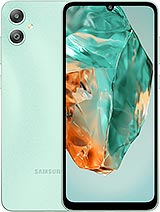
Overview
The Samsung Galaxy M05 is an entry-level smartphone featuring a 6.7-inch PLS LCD for expansive viewing and a Mediatek Helio G85 chipset for reliable performance in daily applications, aimed at budget-conscious students and first-time smartphone users. Released in September 2024, it competes directly with other sub-$100 offerings by prioritizing software longevity and battery endurance over raw processing power.
When operating within a strict budget, the temptation to purchase a three-year-old flagship is immense. On paper, an old flagship offers superior screens and better materials. However, the Samsung Galaxy M05 represents a different philosophy: the value of a fresh start. Purchasing this model ensures a battery with zero cycles and a full manufacturer warranty, two things a used device cannot guarantee. In the volatile world of budget tech, reliability is the ultimate currency.
While a 2021 flagship might boast a 1440p screen, its battery is likely degraded by 20% or more. This handset provides a pristine 5000 mAh cell that hasn't faced years of heat cycles. We must also consider the "hidden tax" of used devices, such as the lack of a charger or the need for immediate screen protector replacements. This series aims to eliminate those variables, providing a predictable, stable user experience from the moment the seal is broken.
Software support is where this model truly pulls ahead of the legacy competition. While an old flagship might be stuck on Android 12 or 13, this device ships with Android 14 and a promise of two major upgrades. In the eyes of a value hunter, four years of security patches are worth more than a slightly faster chip that is no longer protected against modern vulnerabilities.
The build quality of this model reflects its price point without feeling fragile. It uses a glass front, plastic back, and plastic frame. While glass or metal might feel more premium, plastic has a distinct advantage in the budget sector: it doesn't shatter upon impact. For a user who cannot afford expensive repairs, the inherent shock absorption of a plastic chassis is a logical design choice.
At 195 grams, the device has enough heft to feel substantial but remains light enough for long-term one-handed use. The Mint Green finish provides a visual pop that hides fingerprints better than the glossy blacks of rivals. We noticed the dimensions are quite large, measuring 168.8 x 78.2 x 8.8 mm. This makes it a tall device, which is excellent for scrolling through social feeds but might be a tight fit for smaller pockets.
Unlike modern flagships that have abandoned utility for the sake of aesthetics, this handset retains the 3.5mm headphone jack. For the economist, this means no expensive Bluetooth earbuds are required; a cheap pair of wired buds works perfectly. It is a small detail that reinforces the device's focus on total cost of ownership.
The presence of 4GB RAM combined with 64GB of eMMC 5.1 storage defines the multitasking boundaries. This is not a workstation. In our analysis, this configuration is best suited for "linear" tasks—using one primary app at a time with a few background services like Spotify or WhatsApp running. If you attempt to jump between a heavy browser session and a high-resolution game, the system will likely kill the background app to preserve resources.
To mitigate this, the software uses One UI Core 6.0. This is a lightweight version of Samsung's skin, stripped of heavy features like DeX or complex Knox security layers that would bog down the Helio G85 processor. This optimization is crucial. It allows the UI to remain responsive even when the hardware is pushed. The storage, while not the faster UFS standard, is expandable via a dedicated microSDXC slot, allowing users to offload photos and videos to keep the internal memory clear for apps.
Split-screen multitasking is technically possible, but it pushes the limits of the Mali-G52 MC2 GPU. We recommend using it for simple combinations, like watching a YouTube video while replying to a text. Attempting more complex combinations will result in noticeable frame drops. It is a functional experience, provided the user understands the hardware's ceiling.
One of the most surprising inclusions at this price point is 25W wired charging. Many competitors in this bracket still languish at 10W or 18W. A 25W ceiling means the 5000 mAh battery can be topped up in a reasonable timeframe, typically reaching 50% in about 30-40 minutes. This is a massive quality-of-life improvement for students or commuters who may only have short windows of time to charge their devices.
The device uses a USB Type-C 2.0 port, which is the global standard. This ensures compatibility with almost any modern power delivery (PD) charger. While wireless charging is absent, its inclusion would have inflated the price and compromised the thermal design. In the budget realm, we prefer faster wired charging over slow, inefficient wireless coils.
Battery endurance is the standout feature here. Because the 720 x 1600 resolution screen doesn't demand much power, the battery life easily stretches into a second day of moderate use. Imagine a scenario where you forget to charge your phone overnight; this handset is likely to have enough juice to get you through the next morning's commute. It is a reliable workhorse for those who don't want to be tethered to a wall.
In terms of connectivity, the Samsung Galaxy M05 focuses on the essentials. It is a 4G LTE device, supporting a wide range of global bands. While 5G is the future, in 2024, 4G coverage remains more robust in many regions, and the cost savings of staying on LTE are significant. The dual-band Wi-Fi 802.11 a/b/g/n/ac ensures a stable connection to both older 2.4GHz routers and faster 5GHz home networks.
Bluetooth 5.3 is present, offering better range and stability for wireless peripherals than older versions. We also noted the inclusion of an accelerometer and proximity sensor. While the proximity sensor is likely a virtual software-based solution rather than a dedicated physical hardware sensor, it performs adequately for turning off the screen during calls.
One notable omission is NFC. This means no contactless payments via Samsung Pay or Google Wallet. For some, this is a dealbreaker; for others, it is an acceptable sacrifice to keep the price at its current level. GPS accuracy is solid, supporting GLONASS, GALILEO, and BDS, making it a reliable tool for delivery drivers or hikers using offline maps.
The Mediatek Helio G85 is a known quantity. Built on a 12nm process, it features two performance Cortex-A75 cores and six efficiency Cortex-A55 cores. In practice, this means the phone handles basic navigation with ease. Apps like Instagram, TikTok, and Chrome load with a slight delay but run smoothly once they are in the memory.
Gaming performance is entry-level. Titles like *Subway Surfers* or *Candy Crush* run perfectly. More demanding games like *PUBG Mobile* or *Free Fire* are playable on low-to-medium settings. However, users should not expect a flagship-tier gaming experience. The thermal management is decent, as the 12nm chip doesn't generate excessive heat during light-to-moderate tasks.
The camera system, led by a 50 MP f/1.8 main sensor, provides the hardware potential for clear daytime shots. The high megapixel count allows for decent digital zooming, though quality degrades quickly in low light. The auxiliary lens assists with depth data, helping the software create background blur in portrait mode. It is a functional camera setup that prioritizes utility over professional-grade photography.
The Samsung Galaxy M05 is a calculated exercise in compromise. It rejects the bells and whistles of the mid-range market to focus on what matters most to a budget buyer: a large screen, a long-lasting battery, and software that won't be obsolete in twelve months. It is the pragmatic choice for those who value the security of a new device over the performance of a used one. While it lacks 5G and NFC, it compensates with 25W charging and a clean, modern interface. For the cost-conscious consumer in September 2024, this is a stable, reliable foundation.
The Economics of the Unboxing Experience
When operating within a strict budget, the temptation to purchase a three-year-old flagship is immense. On paper, an old flagship offers superior screens and better materials. However, the Samsung Galaxy M05 represents a different philosophy: the value of a fresh start. Purchasing this model ensures a battery with zero cycles and a full manufacturer warranty, two things a used device cannot guarantee. In the volatile world of budget tech, reliability is the ultimate currency.
While a 2021 flagship might boast a 1440p screen, its battery is likely degraded by 20% or more. This handset provides a pristine 5000 mAh cell that hasn't faced years of heat cycles. We must also consider the "hidden tax" of used devices, such as the lack of a charger or the need for immediate screen protector replacements. This series aims to eliminate those variables, providing a predictable, stable user experience from the moment the seal is broken.
Software support is where this model truly pulls ahead of the legacy competition. While an old flagship might be stuck on Android 12 or 13, this device ships with Android 14 and a promise of two major upgrades. In the eyes of a value hunter, four years of security patches are worth more than a slightly faster chip that is no longer protected against modern vulnerabilities.
Structural Integrity: Practicality Over Prestige
The build quality of this model reflects its price point without feeling fragile. It uses a glass front, plastic back, and plastic frame. While glass or metal might feel more premium, plastic has a distinct advantage in the budget sector: it doesn't shatter upon impact. For a user who cannot afford expensive repairs, the inherent shock absorption of a plastic chassis is a logical design choice.
At 195 grams, the device has enough heft to feel substantial but remains light enough for long-term one-handed use. The Mint Green finish provides a visual pop that hides fingerprints better than the glossy blacks of rivals. We noticed the dimensions are quite large, measuring 168.8 x 78.2 x 8.8 mm. This makes it a tall device, which is excellent for scrolling through social feeds but might be a tight fit for smaller pockets.
Unlike modern flagships that have abandoned utility for the sake of aesthetics, this handset retains the 3.5mm headphone jack. For the economist, this means no expensive Bluetooth earbuds are required; a cheap pair of wired buds works perfectly. It is a small detail that reinforces the device's focus on total cost of ownership.
The 4GB Threshold: Juggling Apps in 2024
The presence of 4GB RAM combined with 64GB of eMMC 5.1 storage defines the multitasking boundaries. This is not a workstation. In our analysis, this configuration is best suited for "linear" tasks—using one primary app at a time with a few background services like Spotify or WhatsApp running. If you attempt to jump between a heavy browser session and a high-resolution game, the system will likely kill the background app to preserve resources.
To mitigate this, the software uses One UI Core 6.0. This is a lightweight version of Samsung's skin, stripped of heavy features like DeX or complex Knox security layers that would bog down the Helio G85 processor. This optimization is crucial. It allows the UI to remain responsive even when the hardware is pushed. The storage, while not the faster UFS standard, is expandable via a dedicated microSDXC slot, allowing users to offload photos and videos to keep the internal memory clear for apps.
Split-screen multitasking is technically possible, but it pushes the limits of the Mali-G52 MC2 GPU. We recommend using it for simple combinations, like watching a YouTube video while replying to a text. Attempting more complex combinations will result in noticeable frame drops. It is a functional experience, provided the user understands the hardware's ceiling.
Charging and the Power Brick Paradox
One of the most surprising inclusions at this price point is 25W wired charging. Many competitors in this bracket still languish at 10W or 18W. A 25W ceiling means the 5000 mAh battery can be topped up in a reasonable timeframe, typically reaching 50% in about 30-40 minutes. This is a massive quality-of-life improvement for students or commuters who may only have short windows of time to charge their devices.
The device uses a USB Type-C 2.0 port, which is the global standard. This ensures compatibility with almost any modern power delivery (PD) charger. While wireless charging is absent, its inclusion would have inflated the price and compromised the thermal design. In the budget realm, we prefer faster wired charging over slow, inefficient wireless coils.
Battery endurance is the standout feature here. Because the 720 x 1600 resolution screen doesn't demand much power, the battery life easily stretches into a second day of moderate use. Imagine a scenario where you forget to charge your phone overnight; this handset is likely to have enough juice to get you through the next morning's commute. It is a reliable workhorse for those who don't want to be tethered to a wall.
Signals and Sensors: Staying Connected
In terms of connectivity, the Samsung Galaxy M05 focuses on the essentials. It is a 4G LTE device, supporting a wide range of global bands. While 5G is the future, in 2024, 4G coverage remains more robust in many regions, and the cost savings of staying on LTE are significant. The dual-band Wi-Fi 802.11 a/b/g/n/ac ensures a stable connection to both older 2.4GHz routers and faster 5GHz home networks.
Bluetooth 5.3 is present, offering better range and stability for wireless peripherals than older versions. We also noted the inclusion of an accelerometer and proximity sensor. While the proximity sensor is likely a virtual software-based solution rather than a dedicated physical hardware sensor, it performs adequately for turning off the screen during calls.
One notable omission is NFC. This means no contactless payments via Samsung Pay or Google Wallet. For some, this is a dealbreaker; for others, it is an acceptable sacrifice to keep the price at its current level. GPS accuracy is solid, supporting GLONASS, GALILEO, and BDS, making it a reliable tool for delivery drivers or hikers using offline maps.
Performance Reality: The Helio G85 Legacy
The Mediatek Helio G85 is a known quantity. Built on a 12nm process, it features two performance Cortex-A75 cores and six efficiency Cortex-A55 cores. In practice, this means the phone handles basic navigation with ease. Apps like Instagram, TikTok, and Chrome load with a slight delay but run smoothly once they are in the memory.
Gaming performance is entry-level. Titles like *Subway Surfers* or *Candy Crush* run perfectly. More demanding games like *PUBG Mobile* or *Free Fire* are playable on low-to-medium settings. However, users should not expect a flagship-tier gaming experience. The thermal management is decent, as the 12nm chip doesn't generate excessive heat during light-to-moderate tasks.
The camera system, led by a 50 MP f/1.8 main sensor, provides the hardware potential for clear daytime shots. The high megapixel count allows for decent digital zooming, though quality degrades quickly in low light. The auxiliary lens assists with depth data, helping the software create background blur in portrait mode. It is a functional camera setup that prioritizes utility over professional-grade photography.
The Final Take
The Samsung Galaxy M05 is a calculated exercise in compromise. It rejects the bells and whistles of the mid-range market to focus on what matters most to a budget buyer: a large screen, a long-lasting battery, and software that won't be obsolete in twelve months. It is the pragmatic choice for those who value the security of a new device over the performance of a used one. While it lacks 5G and NFC, it compensates with 25W charging and a clean, modern interface. For the cost-conscious consumer in September 2024, this is a stable, reliable foundation.
Technical Specifications
| LAUNCH | |
|---|---|
| Announced | 2024, September 10 |
| Status | Available. Released 2024, September 10 |
| PLATFORM | |
| OS | Android 14, up to 2 major Android upgrades, One UI Core 6.0 |
| Chipset | Mediatek Helio G85 (12 nm) |
| CPU | Octa-core (2x2.0 GHz Cortex-A75 & 6x1.8 GHz Cortex-A55) |
| GPU | Mali-G52 MC2 |
| BODY | |
| Dimensions | 168.8 x 78.2 x 8.8 mm (6.65 x 3.08 x 0.35 in) |
| Weight | 195 g (6.88 oz) |
| Build | Glass front, plastic back, plastic frame |
| SIM | Nano-SIM + Nano-SIM |
| DISPLAY | |
| Type | PLS LCD |
| Size | 6.7 inches, 108.4 cm2 (~82.1% screen-to-body ratio) |
| Resolution | 720 x 1600 pixels, 20:9 ratio (~262 ppi density) |
| MEMORY | |
| Card slot | microSDXC (dedicated slot) |
| Internal | 64GB 4GB RAM |
| Info | eMMC 5.1 |
| MAIN CAMERA | |
| Dual | 50 MP, f/1.8, (wide), AF Auxiliary lens |
| Features | LED flash |
| Video | 1080p@30/60fps |
| SELFIE CAMERA | |
| Single | 8 MP, f/2.0 |
| Video | Yes |
| SOUND | |
| Loudspeaker | Yes |
| 3.5mm jack | Yes |
| COMMS | |
| WLAN | Wi-Fi 802.11 a/b/g/n/ac, dual-band, Wi-Fi Direct |
| Bluetooth | 5.3, A2DP, LE |
| Positioning | GPS, GLONASS, GALILEO, BDS |
| NFC | No |
| Radio | Unspecified |
| USB | USB Type-C 2.0 |
| NETWORK | |
| Technology | GSM / HSPA / LTE |
| 2G bands | GSM 850 / 900 / 1800 / 1900 |
| 3G bands | HSDPA 850 / 900 / 2100 |
| 4G bands | 1, 3, 5, 7, 8, 20, 28, 38, 40, 41 |
| Speed | HSPA, LTE |
| FEATURES | |
| Sensors | Accelerometer, proximity |
| BATTERY | |
| Type | 5000 mAh |
| Charging | 25W wired |
| MISC | |
| Colors | Mint Green |
| Models | SM-M055F, SM-M055F/DS |
| SAR | 0.46 W/kg (head) |
| Price | ₹ 8,999 |