Smart Money Plays - Why the Samsung Galaxy F15 Wins the Budget Longevity Race
Overview
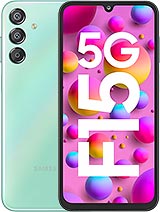
The Samsung Galaxy F15 is a budget 5G smartphone featuring a 6000 mAh battery for extreme endurance and a 6.6-inch Super AMOLED display for superior contrast, aimed at users prioritizing long-term utility over raw processing speed. Released in March 2024, it competes directly with entry-level 5G offerings from various manufacturers by providing a software support window previously reserved for flagship-tier hardware.
Financial prudence dictates looking at a smartphone not just as a purchase, but as an asset. Most devices in this price bracket suffer from aggressive depreciation, often losing 60% of their value within the first year due to software abandonment. This model breaks that cycle. By promising four generations of OS updates, the manufacturer ensures that the device remains functionally relevant until 2028.
We anticipate this longevity will keep the resale value significantly higher than rivals like the Redmi Note 13 5G or various Moto G series handsets available in early 2024. A buyer in 2026 will still see a device running a modern version of Android, making it a highly liquid asset in the second-hand market. The brand recognition of the manufacturer further stabilizes the floor price, as casual buyers gravitate toward familiar names when shopping for used electronics.
Reliability in the budget segment is often measured by software stability and security. This device incorporates Samsung Knox, a defense-grade security platform. For users handling sensitive banking data or work emails, this hardware-backed security is a decisive advantage. It moves the conversation beyond simple hardware specs into the territory of digital safety.
Our analysis suggests that the One UI 6 skin, while heavy, offers a polished experience that remains consistent over years of use. Unlike smaller brands that may struggle with bug fixes, the global infrastructure behind this device guarantees a steady stream of security patches. This consistency is a hidden value that saves users from the hidden costs of software glitches and data vulnerabilities.
Construction involves a glass front and a plastic back and frame. This material choice is a calculated move for durability. While glass backs shatter, plastic tends to absorb impacts more effectively. The device carries a substantial weight of 217 grams. This heft is a direct result of the 6000 mAh battery cell, and users should expect a solid, dense feeling in the hand.
The ergonomics are dominated by the 9.3mm thickness. It is not a slim device. However, the rounded edges on the plastic frame likely mitigate some of the bulk, making it manageable for one-handed scrolling. The side-mounted fingerprint sensor is positioned naturally for the thumb, providing a tactile and reliable biometric entry point that avoids the slower response times often seen in budget in-display sensors.
The Mediatek Dimensity 6100+ chipset handles the heavy lifting. Built on a 6nm process, its primary goal is power efficiency rather than high-end gaming. This chipset enables robust 5G connectivity across a wide array of bands including n1, n3, n5, n7, n8, n20, n28, n38, n40, n41, n66, n77, and n78. This broad support ensures that the device is ready for global roaming and future network expansions.
In our assessment, the signal retention should be excellent due to the plastic housing, which interferes less with antenna arrays than metal. Wi-Fi performance covers the standard 802.11 a/b/g/n/ac dual-band frequencies. While it lacks the newest Wi-Fi 6 or 7 standards, the current hardware is more than sufficient for high-definition streaming and standard home networking in the March 2024 landscape.
Audio is handled via a single bottom-firing loudspeaker. At high volumes, users should expect some thinning of the sound and a lack of significant bass response. It is a standard budget setup designed for clear voice calls and notification alerts rather than an immersive cinematic experience. However, the inclusion of a 3.5mm headphone jack is a major win for the value-conscious consumer.
Using wired headphones avoids the latency issues and battery drain associated with Bluetooth. For students or commuters, this allows for cheap, reliable audio without the need to charge a second device. The earpiece clarity during calls is expected to be high, benefiting from the manufacturer's long history of refining telephonic hardware.
Four years of OS updates and five years of security updates in this price tier is revolutionary for early 2024. Most competitors offer two years at most. This policy effectively doubles the life of the phone. Imagine a student buying this today; they could finish a four-year degree without the phone becoming obsolete or insecure.
This support window changes the math of the purchase. Instead of looking at the upfront cost, calculate the cost-per-year. When spread across five years, the annual investment is remarkably low. This makes the device a primary recommendation for anyone who hates the hassle of switching phones every twenty-four months.
The Samsung Galaxy F15 is a strategic purchase for the fiscally conservative user. It prioritizes the screen, the battery, and the software—the three pillars of daily usability. It ignores the fluff of premium materials or ultra-fast charging to deliver a tool that simply works for a very long time. It is a marathon runner in a market full of sprinters that burn out after a year.
While the 25W charging speed will take over 90 minutes to fill the massive battery, the trade-off is that you only need to charge it every two or three days. For those who value their time and money, the reduced frequency of charging and the extended software life make this one of the smartest budget investments of the year.
The Resale Prediction: A Slower Depreciation Curve
Financial prudence dictates looking at a smartphone not just as a purchase, but as an asset. Most devices in this price bracket suffer from aggressive depreciation, often losing 60% of their value within the first year due to software abandonment. This model breaks that cycle. By promising four generations of OS updates, the manufacturer ensures that the device remains functionally relevant until 2028.
We anticipate this longevity will keep the resale value significantly higher than rivals like the Redmi Note 13 5G or various Moto G series handsets available in early 2024. A buyer in 2026 will still see a device running a modern version of Android, making it a highly liquid asset in the second-hand market. The brand recognition of the manufacturer further stabilizes the floor price, as casual buyers gravitate toward familiar names when shopping for used electronics.
Brand Reliability and the Knox Security Factor
Reliability in the budget segment is often measured by software stability and security. This device incorporates Samsung Knox, a defense-grade security platform. For users handling sensitive banking data or work emails, this hardware-backed security is a decisive advantage. It moves the conversation beyond simple hardware specs into the territory of digital safety.
Our analysis suggests that the One UI 6 skin, while heavy, offers a polished experience that remains consistent over years of use. Unlike smaller brands that may struggle with bug fixes, the global infrastructure behind this device guarantees a steady stream of security patches. This consistency is a hidden value that saves users from the hidden costs of software glitches and data vulnerabilities.
Build Quality and the Weight of Endurance
Construction involves a glass front and a plastic back and frame. This material choice is a calculated move for durability. While glass backs shatter, plastic tends to absorb impacts more effectively. The device carries a substantial weight of 217 grams. This heft is a direct result of the 6000 mAh battery cell, and users should expect a solid, dense feeling in the hand.
The ergonomics are dominated by the 9.3mm thickness. It is not a slim device. However, the rounded edges on the plastic frame likely mitigate some of the bulk, making it manageable for one-handed scrolling. The side-mounted fingerprint sensor is positioned naturally for the thumb, providing a tactile and reliable biometric entry point that avoids the slower response times often seen in budget in-display sensors.
Connectivity and the Dimensity 6100+ Efficiency
The Mediatek Dimensity 6100+ chipset handles the heavy lifting. Built on a 6nm process, its primary goal is power efficiency rather than high-end gaming. This chipset enables robust 5G connectivity across a wide array of bands including n1, n3, n5, n7, n8, n20, n28, n38, n40, n41, n66, n77, and n78. This broad support ensures that the device is ready for global roaming and future network expansions.
In our assessment, the signal retention should be excellent due to the plastic housing, which interferes less with antenna arrays than metal. Wi-Fi performance covers the standard 802.11 a/b/g/n/ac dual-band frequencies. While it lacks the newest Wi-Fi 6 or 7 standards, the current hardware is more than sufficient for high-definition streaming and standard home networking in the March 2024 landscape.
Audio Dynamics and the Return of the Jack
Audio is handled via a single bottom-firing loudspeaker. At high volumes, users should expect some thinning of the sound and a lack of significant bass response. It is a standard budget setup designed for clear voice calls and notification alerts rather than an immersive cinematic experience. However, the inclusion of a 3.5mm headphone jack is a major win for the value-conscious consumer.
Using wired headphones avoids the latency issues and battery drain associated with Bluetooth. For students or commuters, this allows for cheap, reliable audio without the need to charge a second device. The earpiece clarity during calls is expected to be high, benefiting from the manufacturer's long history of refining telephonic hardware.
Long Term Support: The 2028 Horizon
Four years of OS updates and five years of security updates in this price tier is revolutionary for early 2024. Most competitors offer two years at most. This policy effectively doubles the life of the phone. Imagine a student buying this today; they could finish a four-year degree without the phone becoming obsolete or insecure.
This support window changes the math of the purchase. Instead of looking at the upfront cost, calculate the cost-per-year. When spread across five years, the annual investment is remarkably low. This makes the device a primary recommendation for anyone who hates the hassle of switching phones every twenty-four months.
Investment Summary
The Samsung Galaxy F15 is a strategic purchase for the fiscally conservative user. It prioritizes the screen, the battery, and the software—the three pillars of daily usability. It ignores the fluff of premium materials or ultra-fast charging to deliver a tool that simply works for a very long time. It is a marathon runner in a market full of sprinters that burn out after a year.
While the 25W charging speed will take over 90 minutes to fill the massive battery, the trade-off is that you only need to charge it every two or three days. For those who value their time and money, the reduced frequency of charging and the extended software life make this one of the smartest budget investments of the year.
Technical Specifications
| LAUNCH | |
|---|---|
| Announced | 2024, March 04 |
| Status | Available. Released 2024, March 11 |
| PLATFORM | |
| OS | Android 14, One UI 6 |
| Chipset | Mediatek Dimensity 6100+ (6 nm) |
| CPU | Octa-core (2x2.2 GHz Cortex-A76 & 6x2.0 GHz Cortex-A55) |
| GPU | Mali-G57 MC2 |
| BODY | |
| Dimensions | 160.1 x 76.8 x 9.3 mm (6.30 x 3.02 x 0.37 in) |
| Weight | 217 g (7.65 oz) |
| Build | Glass front, plastic back, plastic frame |
| SIM | Nano-SIM + Nano-SIM |
| DISPLAY | |
| Type | Super AMOLED, 90Hz |
| Size | 6.6 inches, 106.9 cm2 (~87.0% screen-to-body ratio) |
| Resolution | 1080 x 2340 pixels, 19.5:9 ratio (~390 ppi density) |
| MEMORY | |
| Card slot | microSDXC (uses shared SIM slot) |
| Internal | 128GB 4GB RAM, 128GB 6GB RAM, 128GB 8GB RAM |
| MAIN CAMERA | |
| Triple | 50 MP, f/1.8, (wide), AF 5 MP, f/2.2, (ultrawide) 2 MP (macro) |
| Features | LED flash, panorama, HDR |
| Video | 1080p@30fps, gyro-EIS |
| SELFIE CAMERA | |
| Single | 13 MP, f/2.0, (wide) |
| Video | 1080p@30fps |
| SOUND | |
| Loudspeaker | Yes |
| 3.5mm jack | Yes |
| COMMS | |
| WLAN | Wi-Fi 802.11 a/b/g/n/ac, dual-band, Wi-Fi Direct |
| Bluetooth | 5.3, A2DP, LE |
| Positioning | GPS, GALILEO, GLONASS, BDS, QZSS |
| NFC | No |
| Radio | No |
| USB | USB Type-C 2.0 |
| NETWORK | |
| Technology | GSM / HSPA / LTE / 5G |
| 2G bands | GSM 850 / 900 / 1800 / 1900 |
| 3G bands | HSDPA 850 / 900 / 1700(AWS) / 1900 / 2100 |
| 4G bands | 1, 2, 3, 4, 5, 7, 8, 12, 17, 20, 26, 28, 38, 40, 41, 66 |
| 5G bands | 1, 3, 5, 7, 8, 20, 28, 38, 40, 41, 66, 77, 78 SA/NSA/Sub6 |
| Speed | HSPA, LTE, 5G |
| FEATURES | |
| Sensors | Fingerprint (side-mounted), accelerometer, gyro, compass |
| Info | Virtual proximity sensing |
| BATTERY | |
| Type | 6000 mAh |
| Charging | 25W wired |
| MISC | |
| Colors | Ash Black, Groovy Violet, Jazzy Green |
| Models | SM-E156B, SM-E156B/DS |
| SAR | 0.71 W/kg (head) |
| Price | ₹ 16,999 |