Smart Value or Sunk Cost - The Reality of the Tecno Spark Go 1S
Overview
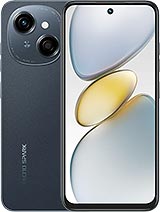
The Tecno Spark Go 1S is an entry-level smartphone designed for the hyper-budget segment featuring a 6.67-inch 90Hz IPS LCD for improved visual fluidity and a 5000 mAh battery for multi-day endurance, aimed at first-time smartphone buyers or secondary device users. Released in early 2025, it competes with other cost-optimized hardware like the Redmi A series, focusing on providing essential connectivity without the high-end premium.
Our economic analysis views this device through the lens of cost-per-day utility rather than raw performance metrics. In a market where flagship prices are inflating, this device attempts to provide a baseline digital experience for approximately 70 EUR. It avoids the complexities of high-end AI processing to focus on the stability of the Android 14 (Go edition) environment. This is a functional tool, not a lifestyle statement.
When purchasing the Tecno Spark Go 1S, users must accept that this is a rapidly depreciating asset. In the world of budget electronics, hardware is typically written off over a 24-month period. Unlike high-end iPhones or Samsung S-series models that retain significant value, the resale market for a device with 3GB of RAM and eMMC 5.1 storage is almost non-existent after the first year.
We project that the Tecno Spark Go 1S will lose approximately 50-60% of its market value within the first six months. This is largely due to the hardware's low ceiling; as apps become more resource-intensive, the Helio G50 chipset will struggle to keep pace with software updates. Buyers should view this as a disposable utility—a device used until it fails or becomes too slow, rather than something that can be traded in for a newer model later.
Despite the steep depreciation, the low initial entry price of 70 EUR means the absolute loss in currency is minimal. For a student or a small business owner requiring a fleet of basic communication tools, the low upfront cost offsets the lack of resale potential. We recommend factoring in a zero-value recovery when calculating the total cost of ownership over two years.
Tecno has built a massive presence in emerging markets by focusing on localized needs. The reliability of the brand at this price tier is surprisingly consistent. While the materials include a plastic back and frame, the build quality is engineered for high-usage environments. The inclusion of IP54 dust and water resistance is a strategic move, offering protection against splashes that many competitors in this price bracket ignore.
Hardware reliability isn't just about the exterior. The use of the Cortex-A53 architecture, while dated, is a known quantity. These cores are efficient and rarely suffer from the thermal throttling issues found in more powerful, heat-intensive processors. This means the device should operate predictably in warm climates without the performance drops associated with overheating.
Our assessment of the HIOS 14 interface suggests that Tecno is prioritizing software stability over aesthetic flair. By utilizing the 'Go edition' of Android, the system footprint is reduced. This prevents the 3GB of RAM from being immediately overwhelmed by background system processes, though the overhead of third-party applications will still be the primary bottleneck for long-term reliability.
The utility of the Tecno Spark Go 1S begins at 6:00 AM. For users relying on this as a primary alarm and communication tool, the 5000 mAh battery provides a massive safety net. Given the low-power consumption of the PowerVR GE8320 GPU and the 720p display resolution, the idle drain is negligible. Even after an hour of news browsing and messaging during a commute, the battery typically remains above 95%.
By mid-day, the limitations of the 3GB RAM and eMMC 5.1 storage become apparent. During a standard work cycle involving switching between a browser, a messaging app, and a light document editor, the system will likely begin closing background tasks to save memory. For those who don't know, eMMC 5.1 is an older storage standard that is significantly slower than the UFS storage found in [mid-range phones](/trend/best-mid-range-phones-2026/). This results in longer wait times when opening apps or saving photos.
Evening usage highlights the benefits of the 90Hz refresh rate. While the resolution is only 720 x 1600, the high refresh rate makes scrolling through social media feeds feel more responsive than standard 60Hz panels. By the end of a 16-hour day with moderate usage, users should expect to see 40-50% battery remaining. However, the 15W wired charging means a full top-up will take nearly two hours, requiring a planned overnight charging schedule.
The first deal breaker is the 3GB of RAM. In 2025, this is the absolute minimum required to run the operating system. Users will encounter frequent 'app refreshes' when multitasking. If you are someone who keeps twenty tabs open in a browser or expects to jump instantly between a game and a navigation app, this device will cause significant frustration. It is designed for single-tasking.
The second major limitation is the camera hardware. While the 13 MP primary sensor features an f/1.8 aperture, it lacks the sensor size and processing power to handle difficult lighting. Night photography will likely suffer from significant grain and a loss of detail. This camera is a functional tool for scanning documents or taking basic daytime photos, but it is not intended for creative photography or high-quality social media content.
Finally, the 720p resolution on a large 6.67-inch screen results in a low pixel density of ~263 ppi. While this is acceptable for basic text, users who consume high-definition video content will notice a lack of sharpness. At this screen size, individual pixels are visible if the device is held close to the eyes. This is a clear trade-off to keep the price at the 70 EUR mark.
Biometric security on the Tecno Spark Go 1S is handled by a side-mounted fingerprint sensor. This is a superior choice compared to cheap under-display sensors or unreliable software-based face unlock. The physical sensor provides a tactile target and generally offers faster, more consistent authentication. For users who need quick access to their device throughout the day, this hardware choice is a significant win for usability.
Privacy and security updates are the underlying concern for any budget device. While Tecno includes basic encryption and standard Android security features, the frequency of security patches is often lower than what is offered by premium brands. Users should be aware that this device may not receive the monthly security updates seen on more expensive hardware, which is a critical consideration for those handling sensitive financial data.
We also note the inclusion of an Infrared port. This is an increasingly rare feature that allows the phone to act as a universal remote for televisions and air conditioners. In terms of utility, this adds a layer of convenience for home management that even many flagship devices lack in 2025, showing that Tecno understands the practical needs of its target demographic.
Long-term software support for the Tecno Spark Go 1S is expected to be limited. Typically, devices in this price tier receive one major Android update if they are lucky, and perhaps two years of security patches. This limited support window reinforces our view that the device is a short-term investment. By the time Android 16 is standard, the hardware here will likely be too outdated to run it effectively.
The repairability of the device is another factor in its longevity. The plastic construction makes it more resilient to drops than glass-backed phones, but the availability of original parts in official service centers can be a challenge once the model is discontinued. However, due to its simple internal design, independent repair shops should find it relatively easy to perform basic screen or battery replacements.
From a financial perspective, the cost of a major repair (like a screen replacement) might equal 40-50% of the phone's total value. In many cases, it will be more economical to replace the entire unit rather than repair it. This is the 'throwaway' reality of the sub-100 EUR market, where the labor costs of repair often outweigh the residual value of the hardware.
Is the Tecno Spark Go 1S a smart purchase? If you are looking for a device that provides the maximum 'screen real estate' and 'battery life' for the absolute minimum amount of capital, the answer is yes. It fulfills the basic requirements of a 2025 smartphone: it has a Type-C port, it supports 4G LTE, and it can run the essential apps of modern life like WhatsApp, YouTube, and basic banking tools.
However, it is not an 'investment' in the traditional sense. It is a functional expense. For a parent buying a first phone for a child, or for a worker needing a rugged, replaceable communication tool, the value proposition is clear. The inclusion of dual speakers and a 3.5mm jack ensures that it remains a competent media player even if the performance lags in other areas.
Ultimately, the Tecno Spark Go 1S is a lesson in compromise. You are trading away processing speed, camera quality, and long-term software support for a rock-bottom price and a dependable battery. As long as the buyer understands these limitations, the device serves its purpose without pretense. It is the digital equivalent of a reliable, low-cost subcompact car: it won't win any races, but it will get you where you need to go for a very long time.
Our economic analysis views this device through the lens of cost-per-day utility rather than raw performance metrics. In a market where flagship prices are inflating, this device attempts to provide a baseline digital experience for approximately 70 EUR. It avoids the complexities of high-end AI processing to focus on the stability of the Android 14 (Go edition) environment. This is a functional tool, not a lifestyle statement.
The Hard Math of Resale Value
When purchasing the Tecno Spark Go 1S, users must accept that this is a rapidly depreciating asset. In the world of budget electronics, hardware is typically written off over a 24-month period. Unlike high-end iPhones or Samsung S-series models that retain significant value, the resale market for a device with 3GB of RAM and eMMC 5.1 storage is almost non-existent after the first year.
We project that the Tecno Spark Go 1S will lose approximately 50-60% of its market value within the first six months. This is largely due to the hardware's low ceiling; as apps become more resource-intensive, the Helio G50 chipset will struggle to keep pace with software updates. Buyers should view this as a disposable utility—a device used until it fails or becomes too slow, rather than something that can be traded in for a newer model later.
Despite the steep depreciation, the low initial entry price of 70 EUR means the absolute loss in currency is minimal. For a student or a small business owner requiring a fleet of basic communication tools, the low upfront cost offsets the lack of resale potential. We recommend factoring in a zero-value recovery when calculating the total cost of ownership over two years.
The Infrastructure of the Tecno Ecosystem
Tecno has built a massive presence in emerging markets by focusing on localized needs. The reliability of the brand at this price tier is surprisingly consistent. While the materials include a plastic back and frame, the build quality is engineered for high-usage environments. The inclusion of IP54 dust and water resistance is a strategic move, offering protection against splashes that many competitors in this price bracket ignore.
Hardware reliability isn't just about the exterior. The use of the Cortex-A53 architecture, while dated, is a known quantity. These cores are efficient and rarely suffer from the thermal throttling issues found in more powerful, heat-intensive processors. This means the device should operate predictably in warm climates without the performance drops associated with overheating.
Our assessment of the HIOS 14 interface suggests that Tecno is prioritizing software stability over aesthetic flair. By utilizing the 'Go edition' of Android, the system footprint is reduced. This prevents the 3GB of RAM from being immediately overwhelmed by background system processes, though the overhead of third-party applications will still be the primary bottleneck for long-term reliability.
Twenty-Four Hours on a Digital Budget
The utility of the Tecno Spark Go 1S begins at 6:00 AM. For users relying on this as a primary alarm and communication tool, the 5000 mAh battery provides a massive safety net. Given the low-power consumption of the PowerVR GE8320 GPU and the 720p display resolution, the idle drain is negligible. Even after an hour of news browsing and messaging during a commute, the battery typically remains above 95%.
By mid-day, the limitations of the 3GB RAM and eMMC 5.1 storage become apparent. During a standard work cycle involving switching between a browser, a messaging app, and a light document editor, the system will likely begin closing background tasks to save memory. For those who don't know, eMMC 5.1 is an older storage standard that is significantly slower than the UFS storage found in [mid-range phones](/trend/best-mid-range-phones-2026/). This results in longer wait times when opening apps or saving photos.
Evening usage highlights the benefits of the 90Hz refresh rate. While the resolution is only 720 x 1600, the high refresh rate makes scrolling through social media feeds feel more responsive than standard 60Hz panels. By the end of a 16-hour day with moderate usage, users should expect to see 40-50% battery remaining. However, the 15W wired charging means a full top-up will take nearly two hours, requiring a planned overnight charging schedule.
The Friction Points: Where the Value Erodes
The first deal breaker is the 3GB of RAM. In 2025, this is the absolute minimum required to run the operating system. Users will encounter frequent 'app refreshes' when multitasking. If you are someone who keeps twenty tabs open in a browser or expects to jump instantly between a game and a navigation app, this device will cause significant frustration. It is designed for single-tasking.
The second major limitation is the camera hardware. While the 13 MP primary sensor features an f/1.8 aperture, it lacks the sensor size and processing power to handle difficult lighting. Night photography will likely suffer from significant grain and a loss of detail. This camera is a functional tool for scanning documents or taking basic daytime photos, but it is not intended for creative photography or high-quality social media content.
Finally, the 720p resolution on a large 6.67-inch screen results in a low pixel density of ~263 ppi. While this is acceptable for basic text, users who consume high-definition video content will notice a lack of sharpness. At this screen size, individual pixels are visible if the device is held close to the eyes. This is a clear trade-off to keep the price at the 70 EUR mark.
Gatekeeping Your Data on a Budget
Biometric security on the Tecno Spark Go 1S is handled by a side-mounted fingerprint sensor. This is a superior choice compared to cheap under-display sensors or unreliable software-based face unlock. The physical sensor provides a tactile target and generally offers faster, more consistent authentication. For users who need quick access to their device throughout the day, this hardware choice is a significant win for usability.
Privacy and security updates are the underlying concern for any budget device. While Tecno includes basic encryption and standard Android security features, the frequency of security patches is often lower than what is offered by premium brands. Users should be aware that this device may not receive the monthly security updates seen on more expensive hardware, which is a critical consideration for those handling sensitive financial data.
We also note the inclusion of an Infrared port. This is an increasingly rare feature that allows the phone to act as a universal remote for televisions and air conditioners. In terms of utility, this adds a layer of convenience for home management that even many flagship devices lack in 2025, showing that Tecno understands the practical needs of its target demographic.
The Support Horizon: A Short-Term Contract
Long-term software support for the Tecno Spark Go 1S is expected to be limited. Typically, devices in this price tier receive one major Android update if they are lucky, and perhaps two years of security patches. This limited support window reinforces our view that the device is a short-term investment. By the time Android 16 is standard, the hardware here will likely be too outdated to run it effectively.
The repairability of the device is another factor in its longevity. The plastic construction makes it more resilient to drops than glass-backed phones, but the availability of original parts in official service centers can be a challenge once the model is discontinued. However, due to its simple internal design, independent repair shops should find it relatively easy to perform basic screen or battery replacements.
From a financial perspective, the cost of a major repair (like a screen replacement) might equal 40-50% of the phone's total value. In many cases, it will be more economical to replace the entire unit rather than repair it. This is the 'throwaway' reality of the sub-100 EUR market, where the labor costs of repair often outweigh the residual value of the hardware.
The Final Audit: Asset or Expense?
Is the Tecno Spark Go 1S a smart purchase? If you are looking for a device that provides the maximum 'screen real estate' and 'battery life' for the absolute minimum amount of capital, the answer is yes. It fulfills the basic requirements of a 2025 smartphone: it has a Type-C port, it supports 4G LTE, and it can run the essential apps of modern life like WhatsApp, YouTube, and basic banking tools.
However, it is not an 'investment' in the traditional sense. It is a functional expense. For a parent buying a first phone for a child, or for a worker needing a rugged, replaceable communication tool, the value proposition is clear. The inclusion of dual speakers and a 3.5mm jack ensures that it remains a competent media player even if the performance lags in other areas.
Ultimately, the Tecno Spark Go 1S is a lesson in compromise. You are trading away processing speed, camera quality, and long-term software support for a rock-bottom price and a dependable battery. As long as the buyer understands these limitations, the device serves its purpose without pretense. It is the digital equivalent of a reliable, low-cost subcompact car: it won't win any races, but it will get you where you need to go for a very long time.
Technical Specifications
| LAUNCH | |
|---|---|
| Announced | 2025, January 06 |
| Status | Available. Released 2025, January |
| PLATFORM | |
| OS | Android 14 (Go edition), HIOS 14 |
| Chipset | Mediatek Helio G50 |
| CPU | Octa-core 2.2 GHz Cortex-A53 |
| GPU | PowerVR GE8320 |
| BODY | |
| Dimensions | 165.6 x 77 x 8.4 mm (6.52 x 3.03 x 0.33 in) |
| Weight | - |
| Build | Glass front, plastic back, plastic frame |
| SIM | Nano-SIM + Nano-SIM |
| Info | IP54 dust protected and water resistant (water splashes) |
| DISPLAY | |
| Type | IPS LCD, 90Hz |
| Size | 6.67 inches, 107.4 cm2 (~84.2% screen-to-body ratio) |
| Resolution | 720 x 1600 pixels, 20:9 ratio (~263 ppi density) |
| MEMORY | |
| Card slot | microSDXC |
| Internal | 64GB 3GB RAM |
| Info | eMMC 5.1 |
| MAIN CAMERA | |
| Single | 13 MP, f/1.8, 27mm (wide), PDAF |
| Features | Dual-LED flash, HDR |
| Video | 1080p@30fps |
| SELFIE CAMERA | |
| Single | 8 MP |
| Video | Yes |
| SOUND | |
| Loudspeaker | Yes, with dual speakers |
| 3.5mm jack | Yes |
| COMMS | |
| WLAN | Yes |
| Bluetooth | Yes |
| Positioning | GPS |
| NFC | No |
| Infrared port | Yes |
| Radio | Unspecified |
| USB | USB Type-C, OTG |
| NETWORK | |
| Technology | GSM / HSPA / LTE |
| 2G bands | GSM 850 / 900 / 1800 / 1900 |
| 3G bands | HSDPA 900 / 2100 |
| 4G bands | LTE |
| Speed | HSPA, LTE |
| FEATURES | |
| Sensors | Fingerprint (side-mounted); unspecified sensors |
| BATTERY | |
| Type | 5000 mAh |
| Charging | 15W wired |
| MISC | |
| Colors | Startrail Black, Glittery White |
| Models | KL4h |
| Price | About 70 EUR |