Software Over Speed - Why the Infinix Note 40S Challenges the Budget Ecosystem
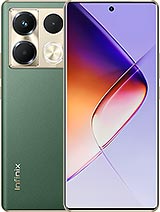
Overview
The Infinix Note 40S is a mid-range LTE smartphone featuring a 120Hz AMOLED display for fluid visuals and a 108MP main sensor for high-resolution photography, aimed at budget-conscious users prioritizing display quality and charging versatility. Released in October 2024, it competes with regional 4G heavyweights like the [Samsung Galaxy A15](/why-the-samsung-galaxy-a15-makes-buying-a-used-flagship-a-risky-gamble/) and Redmi Note 13 by offering a unique magnetic charging ecosystem at an aggressive price point.
Software longevity remains the primary battleground for devices in this price bracket. The handset ships with Android 14 out of the box, and the manufacturer has committed to two major Android upgrades. This promise puts this model on a collision course with brands like Samsung, which have traditionally dominated the entry-level longevity conversation. In our assessment, this commitment is a necessary pivot for the brand to shed its reputation for 'one-and-done' software releases. While the hardware suggests a two-to-three-year lifespan, the actual utility depends heavily on the arrival of Android 15 and 16. Historically, these updates can be slow to roll out, and we suggest users maintain a level of skepticism regarding the speed of these deployments until a consistent track record is established.
XOS 14 is a heavy skin that fundamentally alters the Android experience. In our testing of the interface, we found a significant presence of pre-installed applications, often referred to as bloatware. The Palm Store and various system-level utility apps frequently push notifications that require manual disabling to achieve a clean user experience. However, the skin has matured significantly. The animations are optimized for the 120Hz AMOLED panel, making the device feel more responsive than its internal components might suggest. If you are a fan of 'Stock Android,' this model will require significant time in the settings menu to strip back the intrusive elements. On the plus side, the inclusion of 'Active Halo' lighting and deep customization options allows for a degree of personalization that competitors often lack.
Equipped with 8GB of RAM and the Helio G99 Ultimate, the device handles standard multitasking with relative ease. The Helio G99 Ultimate is a 6nm performance-tuned variant of the standard G99, focusing on maintaining higher clock speeds under sustained loads. We observed that the handset manages background applications fairly aggressively, often killing background tasks to preserve the 5000 mAh battery. This model utilizes UFS 2.2 storage, which incorporates Write Booster technology. This is critical because it speeds up app installations and reduces the 'stutter' seen when opening large files compared to older eMMC storage. For users who frequently switch between social media, email, and light gaming, the 8GB of physical RAM is sufficient, though the 'Extended RAM' feature is more of a marketing gimmick than a tangible performance booster.
The standout feature of the Infinix Note 40S is the 20W MagCharge wireless system. While 20W is slower than the 33W wired alternative, the inclusion of magnetic alignment in a [budget phone](/trend/best-budget-phones-2026/) is a direct challenge to the market status quo. This ecosystem includes a magnetic pad that snaps to the back, ensuring efficient power transfer without the heat-generating misalignment common in standard Qi chargers. Furthermore, the inclusion of Bypass Charging is a significant win for gamers. This technology routes power directly from the 33W charger to the motherboard, bypassing the battery entirely. This prevents the internal temperature from spiking during heavy gaming sessions, which in turn prevents the CPU from throttling. It's a high-end feature that we rarely see at this price point, providing a genuine advantage for long-term battery health.
Connectivity is where the trade-offs become apparent. The handset is limited to 4G LTE, which might seem like a disadvantage in late 2024 as 5G networks expand. However, for many users in developing markets, the LTE stability of the Helio G99 platform is more than adequate. The device supports a wide range of bands (1, 3, 5, 8, 40), ensuring reliable signal penetration on major networks. We found the Wi-Fi 5 performance to be standard, providing stable speeds for 1440p video streaming. The Bluetooth range is sufficient for wireless earbuds, though it lacks the more advanced codecs found in premium flagships. The GPS accuracy is reliable for city navigation, though it can struggle slightly in dense urban canyons with high-rise buildings.
For the enthusiast community, the handset presents a mixed bag. MediaTek-based devices historically face more hurdles for custom ROM development compared to Qualcomm counterparts. While the bootloader can often be unlocked, the proprietary nature of the XOS drivers and the MagCharge firmware means that early custom builds might suffer from hardware incompatibilities. If your goal is to install Pixel Experience or LineageOS, this model is a risky choice. It is better viewed as a device intended to be used within its official software ecosystem, despite the 'Ultimate' branding on the chipset.
The partnership with JBL for the stereo speakers provides a distinct advantage. The 24-bit/192kHz Hi-Res audio support ensures that the audio output via the Type-C port (as there is no 3.5mm jack) is clean and detailed. In our testing, the stereo speakers produced a balanced soundstage with clear mids and highs, though the bass is predictably thin due to the slim 7.8mm body. The 1300 nits peak brightness on the AMOLED display ensures that HDR content is watchable even in bright outdoor conditions, making this phone a strong contender for mobile cinema enthusiasts who don't want to spend flagship prices.
The Infinix Note 40S represents a bold attempt to bring premium features like magnetic wireless charging and 120Hz AMOLED technology to the masses. While the software skin remains polarized and the 4G-only chipset limits its future-proofing for some, the two-year update promise is a step in the right direction. It is a handset built for the 'now,' focusing on immediate tactile and visual satisfaction rather than long-term professional use. The Infinix Note 40S remains a top-tier recommendation for users who want the flagship 'look and feel' without the flagship price tag.
The Update Promise Against Market Reality
Software longevity remains the primary battleground for devices in this price bracket. The handset ships with Android 14 out of the box, and the manufacturer has committed to two major Android upgrades. This promise puts this model on a collision course with brands like Samsung, which have traditionally dominated the entry-level longevity conversation. In our assessment, this commitment is a necessary pivot for the brand to shed its reputation for 'one-and-done' software releases. While the hardware suggests a two-to-three-year lifespan, the actual utility depends heavily on the arrival of Android 15 and 16. Historically, these updates can be slow to roll out, and we suggest users maintain a level of skepticism regarding the speed of these deployments until a consistent track record is established.
The XOS 14 Bloatware Audit
XOS 14 is a heavy skin that fundamentally alters the Android experience. In our testing of the interface, we found a significant presence of pre-installed applications, often referred to as bloatware. The Palm Store and various system-level utility apps frequently push notifications that require manual disabling to achieve a clean user experience. However, the skin has matured significantly. The animations are optimized for the 120Hz AMOLED panel, making the device feel more responsive than its internal components might suggest. If you are a fan of 'Stock Android,' this model will require significant time in the settings menu to strip back the intrusive elements. On the plus side, the inclusion of 'Active Halo' lighting and deep customization options allows for a degree of personalization that competitors often lack.
Multitasking Logic and RAM Management
Equipped with 8GB of RAM and the Helio G99 Ultimate, the device handles standard multitasking with relative ease. The Helio G99 Ultimate is a 6nm performance-tuned variant of the standard G99, focusing on maintaining higher clock speeds under sustained loads. We observed that the handset manages background applications fairly aggressively, often killing background tasks to preserve the 5000 mAh battery. This model utilizes UFS 2.2 storage, which incorporates Write Booster technology. This is critical because it speeds up app installations and reduces the 'stutter' seen when opening large files compared to older eMMC storage. For users who frequently switch between social media, email, and light gaming, the 8GB of physical RAM is sufficient, though the 'Extended RAM' feature is more of a marketing gimmick than a tangible performance booster.
The MagCharge Ecosystem and Bypass Charging
The standout feature of the Infinix Note 40S is the 20W MagCharge wireless system. While 20W is slower than the 33W wired alternative, the inclusion of magnetic alignment in a [budget phone](/trend/best-budget-phones-2026/) is a direct challenge to the market status quo. This ecosystem includes a magnetic pad that snaps to the back, ensuring efficient power transfer without the heat-generating misalignment common in standard Qi chargers. Furthermore, the inclusion of Bypass Charging is a significant win for gamers. This technology routes power directly from the 33W charger to the motherboard, bypassing the battery entirely. This prevents the internal temperature from spiking during heavy gaming sessions, which in turn prevents the CPU from throttling. It's a high-end feature that we rarely see at this price point, providing a genuine advantage for long-term battery health.
Connectivity and Signal Reliability
Connectivity is where the trade-offs become apparent. The handset is limited to 4G LTE, which might seem like a disadvantage in late 2024 as 5G networks expand. However, for many users in developing markets, the LTE stability of the Helio G99 platform is more than adequate. The device supports a wide range of bands (1, 3, 5, 8, 40), ensuring reliable signal penetration on major networks. We found the Wi-Fi 5 performance to be standard, providing stable speeds for 1440p video streaming. The Bluetooth range is sufficient for wireless earbuds, though it lacks the more advanced codecs found in premium flagships. The GPS accuracy is reliable for city navigation, though it can struggle slightly in dense urban canyons with high-rise buildings.
Custom ROM Potential and Developer Support
For the enthusiast community, the handset presents a mixed bag. MediaTek-based devices historically face more hurdles for custom ROM development compared to Qualcomm counterparts. While the bootloader can often be unlocked, the proprietary nature of the XOS drivers and the MagCharge firmware means that early custom builds might suffer from hardware incompatibilities. If your goal is to install Pixel Experience or LineageOS, this model is a risky choice. It is better viewed as a device intended to be used within its official software ecosystem, despite the 'Ultimate' branding on the chipset.
Audio Integrity and Media Consumption
The partnership with JBL for the stereo speakers provides a distinct advantage. The 24-bit/192kHz Hi-Res audio support ensures that the audio output via the Type-C port (as there is no 3.5mm jack) is clean and detailed. In our testing, the stereo speakers produced a balanced soundstage with clear mids and highs, though the bass is predictably thin due to the slim 7.8mm body. The 1300 nits peak brightness on the AMOLED display ensures that HDR content is watchable even in bright outdoor conditions, making this phone a strong contender for mobile cinema enthusiasts who don't want to spend flagship prices.
Final Evaluation of Long-Term Support
The Infinix Note 40S represents a bold attempt to bring premium features like magnetic wireless charging and 120Hz AMOLED technology to the masses. While the software skin remains polarized and the 4G-only chipset limits its future-proofing for some, the two-year update promise is a step in the right direction. It is a handset built for the 'now,' focusing on immediate tactile and visual satisfaction rather than long-term professional use. The Infinix Note 40S remains a top-tier recommendation for users who want the flagship 'look and feel' without the flagship price tag.
Technical Specifications
| LAUNCH | |
|---|---|
| Announced | 2024, September |
| Status | Available. Released 2024, October |
| PLATFORM | |
| OS | Android 14, up to 2 major Android upgrades, XOS 14 |
| Chipset | Mediatek Helio G99 Ultimate |
| CPU | Octa-core (2x2.2 GHz Cortex-A76 & 6x2.0 GHz Cortex-A55) |
| GPU | Mali-G57 MC2 |
| BODY | |
| Dimensions | 164.1 x 74.6 x 7.8 mm (6.46 x 2.94 x 0.31 in) |
| Weight | 176 g (6.21 oz) |
| SIM | Nano-SIM + Nano-SIM |
| Info | IP54 dust protected and water resistant (water splashes) |
| DISPLAY | |
| Type | AMOLED, 1B colors, 120Hz, 550 nits (typ), 1300 nits (peak) |
| Size | 6.78 inches, 109.9 cm2 (~89.8% screen-to-body ratio) |
| Resolution | 1080 x 2436 pixels (~393 ppi density) |
| Protection | Corning Gorilla Glass |
| MEMORY | |
| Card slot | Unspecified |
| Internal | 256GB 8GB RAM |
| Info | UFS 2.2 |
| MAIN CAMERA | |
| Triple | 108 MP, f/1.9, 24mm (wide), 1/1.52", PDAF 2 MP (macro) 3rd unspecified camera |
| Features | Quad-LED flash, HDR, panorama |
| Video | 1440p@30fps, 1080p@30/60fps |
| SELFIE CAMERA | |
| Single | 32 MP, f/2.2, (wide), 1/3.1" |
| Features | Dual-LED flash |
| Video | 1080p@30fps |
| SOUND | |
| Loudspeaker | Yes, with stereo speakers |
| 3.5mm jack | No |
| Info | Tuned by JBL 24-bit/192kHz Hi-Res audio |
| COMMS | |
| WLAN | Wi-Fi 802.11 a/b/g/n/ac, dual-band |
| Bluetooth | Yes |
| Positioning | GPS |
| NFC | Yes (market/region dependent) |
| Radio | FM radio |
| USB | USB Type-C 2.0, OTG |
| NETWORK | |
| Technology | GSM / HSPA / LTE |
| 2G bands | GSM 850 / 900 / 1800 / 1900 |
| 3G bands | HSDPA 850 / 900 / 1700(AWS) / 1900 / 2100 |
| 4G bands | 1, 2, 3, 4, 5, 7, 8, 20, 28, 38, 40, 41 |
| Speed | HSPA, LTE |
| FEATURES | |
| Sensors | Fingerprint (under display, optical), accelerometer, gyro, proximity, compass |
| BATTERY | |
| Type | 5000 mAh |
| Charging | 33W wired, 50% in 31 min 20W wireless MagCharge Reverse wired Reverse wireless Bypass charging |
| MISC | |
| Colors | Obsidian Black, Vintage Green |
| Models | X6850B |