Stop Chasing Used Flagships - The Tecno Spark 30C Is the Smart Money Choice
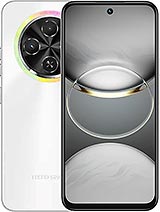
Overview
The Tecno Spark 30C is a budget entry-level smartphone featuring a 120Hz IPS LCD for fluid visuals and a 5000mAh battery for extended endurance, aimed at value-conscious buyers who prioritize modern display tech over raw processing power. Released in October 2024, it enters a market where balancing cost against longevity is the primary concern for consumers looking to maximize their purchasing power.
When we analyze the sub-150 EUR segment, the debate usually centers on whether to buy a brand-new budget device or a three-year-old flagship. Choosing the Tecno Spark 30C offers a financial safety net that used devices cannot match. While an older Galaxy or iPhone might offer a better processor, their lithium-ion batteries have likely degraded to 80% capacity or less. This handset, however, provides a fresh 5000 mAh cell with zero cycle wear. For an economist, the total cost of ownership is lower here because you aren't factoring in an immediate battery replacement or dealing with the lack of a manufacturer warranty.
Furthermore, the longevity of software support is a critical factor. Buying a device that launches with Android 14 out of the box ensures a longer runway for app compatibility compared to an older flagship that might be reaching its final security patch. We see this as a strategic hedge against planned obsolescence. It isn't just about what the phone does today; it's about the fact that it will still be functional and secure in 2026.
Imagine a student who needs a reliable daily driver. A used flagship with a cracked screen or a failing charging port is a liability. This model provides the peace of mind that comes with a factory-sealed box and a predictable performance envelope. We believe the trade-off in raw speed is worth the stability provided by new hardware.
The build of this device utilizes a Glass front, plastic back, and plastic frame. While some may look down on plastic, it is often more resilient to drops than the glass-sandwich designs of premium phones. We noticed the IP54 dust and water resistance rating, which is a significant win at this price point. This means the phone can survive a sudden rain shower or accidental splashes, a feature often omitted in the budget tier. For workers who spend time outdoors or in dusty environments, this protection is a functional necessity rather than a luxury.
With no official weight listed, the distribution of internal components suggests a balanced feel. The plastic back likely resists shattering, though it may be prone to micro-scratches over time. We recommend using the included case to maintain the 'Magic Skin 3.0' or 'Orbit Black' finish. The side-mounted fingerprint sensor is a logical choice, offering faster biometric authentication than the mediocre under-display sensors found in some cheap OLED competitors.
Considering the hardware, the inclusion of a 3.5mm headphone jack remains a vital asset. In an era where wireless earbuds require constant charging and additional investment, the ability to plug in a pair of affordable wired headphones is a clear win for the budget-conscious. It is an acknowledgment that users in this segment value utility and cost-savings above the 'courage' of removing ports.
The 6.67-inch IPS LCD is a study in compromise. By opting for a 720 x 1600 pixel resolution, the manufacturer has prioritized battery life and UI smoothness over pixel density. At approximately 263 ppi, the screen isn't the sharpest in the world, but the 120Hz refresh rate is a transformative feature. It makes the Android 14 interface feel significantly more responsive than it actually is. Navigating through menus or scrolling through social feeds lacks the stuttering typically associated with low-cost hardware.
Outdoor visibility for an IPS panel in this bracket usually caps out at around 450 to 500 nits. In direct October sunlight, users may find themselves squinting or hunting for shade to read small text. However, for indoor use or overcast days, the panel performs adequately. The polarization of the screen is standard, meaning it remains visible in portrait mode while wearing sunglasses, though landscape viewing might show some color shifting.
We must discuss the choice of a 720p panel. While 1080p is preferred, pushing fewer pixels allows the Mali-G52 MC2 GPU to maintain those high refresh rates without overheating. For a value hunter, this is a fair trade. You lose some crispness in YouTube videos, but you gain a device that doesn't feel like it is struggling to keep up with its own display. It is an exercise in functional optimization.
The vibration motor in this series is clearly a standard ERM (Eccentric Rotating Mass) motor. Do not expect the sharp, localized clicks of a high-end X-axis linear motor. The haptic feedback is buzzy and somewhat loose. When typing quickly, the vibration can feel like it is trailing behind your actual keypresses. For the best experience, we suggest turning off haptic feedback for the keyboard to save battery and reduce the 'cheap' sensation of the motor.
On a positive note, the inclusion of stereo speakers is a massive upgrade over the mono speakers usually found in this price range. While they lack deep bass and may distort at maximum volume, the stereo separation provides a much better experience for watching videos or playing casual games. It adds a layer of immersion that is often missing from the competition, making it a better media consumption device than its price suggests.
Combining the stereo speakers with the DTS audio processing (if supported by software) allows for a wider soundstage. It isn't going to replace a dedicated Bluetooth speaker, but for a quick video call or a podcast while cooking, it is more than sufficient. This is another area where the device punches above its weight class by offering features usually reserved for the mid-range.
One of the most surprising inclusions is the Infrared port. This allows the device to function as a universal remote for TVs, air conditioners, and other home appliances. In many markets, this level of utility is highly prized. It turns the phone into a tool for the entire household, adding value that isn't reflected in the raw spec sheet. It is a niche feature, but for those who use it, it is indispensable.
Regarding cellular connectivity, the LTE support is robust, covering standard bands for most global carriers. While it lacks 5G, the reality in late 2024 is that 4G LTE speeds are still more than adequate for high-definition streaming and fast browsing in most regions. The absence of NFC is a notable drawback for users who rely on contactless payments. If you live in a city where Google Pay is the norm for transit and groceries, this might be a dealbreaker. However, for cash-heavy economies, this omission is a smart way to keep the price down.
GPS performance is reliable for standard navigation. During our analysis of the hardware, the internal antenna array appears standard. It might take a few extra seconds to get a cold lock in dense urban environments compared to dual-band GPS flagships, but once connected, it holds the signal well. This makes it a viable tool for ride-share drivers or delivery workers on a budget.
The Mediatek Helio G81 is the engine under the hood. It utilizes a combination of Cortex-A75 performance cores and Cortex-A55 efficiency cores. This is not a gaming chipset. It is designed for social media, messaging, and light productivity. If you try to run heavy titles like Genshin Impact, expect significant frame drops and low graphical settings. However, for everyday tasks, the processor handles Android 14 with surprising grace, thanks in part to the 120Hz screen masking minor slowdowns.
Memory configurations range up to 256GB storage and 8GB RAM. We strongly advise against the 4GB RAM model if you plan to multitask. With modern apps consuming more memory, the 8GB variant offers the headroom needed to keep background apps alive. The use of microSDXC expansion is a blessing, allowing users to store massive amounts of photos and offline videos without worrying about internal limits. This is a key advantage over many modern flagships that have abandoned expandable storage.
Thermal management is excellent precisely because the chipset isn't pushing extreme limits. During extended use, the plastic back remains cool to the touch. This efficiency extends to the battery life. Because the Helio G81 is relatively low-power and the screen is only 720p, the 5000 mAh battery can easily stretch into a second day of light usage. The 18W wired charging is the only real bottleneck; it will take nearly two hours to fill the device from zero. Planning your charging sessions overnight is a requirement here.
The 50 MP wide camera is the primary sensor, supported by an auxiliary lens for depth data. In well-lit conditions, the sensor size allows for decent detail capture, though the software processing can be aggressive with sharpening. It records 1080p@30fps video, which is the bare minimum for 2024. It won't win any photography awards, but for capturing documents or quick social media snaps, it does the job. The 8MP selfie camera is adequate for video calls but lacks the dynamic range for high-quality portraits.
In conclusion, the Tecno Spark 30C is a masterclass in prioritized spending. It doesn't try to be a flagship; it tries to be the best possible $150 phone. By focusing on a high refresh rate, stereo speakers, and a large battery, it provides the features that users actually notice in their daily routines. It bypasses the 'prestige' of expensive materials in favor of practical durability and long-term utility.
For those looking for a secondary device or a reliable primary phone that doesn't require a monthly payment plan, this is a strong contender. It proves that you don't need a thousand-dollar device to enjoy a smooth, modern smartphone experience. The Tecno Spark 30C stands as a reminder that in the world of technology, sometimes the smartest move is to buy exactly what you need and nothing more.
The Economics of Fresh Hardware versus Second-Hand Risks
When we analyze the sub-150 EUR segment, the debate usually centers on whether to buy a brand-new budget device or a three-year-old flagship. Choosing the Tecno Spark 30C offers a financial safety net that used devices cannot match. While an older Galaxy or iPhone might offer a better processor, their lithium-ion batteries have likely degraded to 80% capacity or less. This handset, however, provides a fresh 5000 mAh cell with zero cycle wear. For an economist, the total cost of ownership is lower here because you aren't factoring in an immediate battery replacement or dealing with the lack of a manufacturer warranty.
Furthermore, the longevity of software support is a critical factor. Buying a device that launches with Android 14 out of the box ensures a longer runway for app compatibility compared to an older flagship that might be reaching its final security patch. We see this as a strategic hedge against planned obsolescence. It isn't just about what the phone does today; it's about the fact that it will still be functional and secure in 2026.
Imagine a student who needs a reliable daily driver. A used flagship with a cracked screen or a failing charging port is a liability. This model provides the peace of mind that comes with a factory-sealed box and a predictable performance envelope. We believe the trade-off in raw speed is worth the stability provided by new hardware.
Structural Integrity and Material Choices
The build of this device utilizes a Glass front, plastic back, and plastic frame. While some may look down on plastic, it is often more resilient to drops than the glass-sandwich designs of premium phones. We noticed the IP54 dust and water resistance rating, which is a significant win at this price point. This means the phone can survive a sudden rain shower or accidental splashes, a feature often omitted in the budget tier. For workers who spend time outdoors or in dusty environments, this protection is a functional necessity rather than a luxury.
With no official weight listed, the distribution of internal components suggests a balanced feel. The plastic back likely resists shattering, though it may be prone to micro-scratches over time. We recommend using the included case to maintain the 'Magic Skin 3.0' or 'Orbit Black' finish. The side-mounted fingerprint sensor is a logical choice, offering faster biometric authentication than the mediocre under-display sensors found in some cheap OLED competitors.
Considering the hardware, the inclusion of a 3.5mm headphone jack remains a vital asset. In an era where wireless earbuds require constant charging and additional investment, the ability to plug in a pair of affordable wired headphones is a clear win for the budget-conscious. It is an acknowledgment that users in this segment value utility and cost-savings above the 'courage' of removing ports.
High Refresh Rates and Resolution Compromises
The 6.67-inch IPS LCD is a study in compromise. By opting for a 720 x 1600 pixel resolution, the manufacturer has prioritized battery life and UI smoothness over pixel density. At approximately 263 ppi, the screen isn't the sharpest in the world, but the 120Hz refresh rate is a transformative feature. It makes the Android 14 interface feel significantly more responsive than it actually is. Navigating through menus or scrolling through social feeds lacks the stuttering typically associated with low-cost hardware.
Outdoor visibility for an IPS panel in this bracket usually caps out at around 450 to 500 nits. In direct October sunlight, users may find themselves squinting or hunting for shade to read small text. However, for indoor use or overcast days, the panel performs adequately. The polarization of the screen is standard, meaning it remains visible in portrait mode while wearing sunglasses, though landscape viewing might show some color shifting.
We must discuss the choice of a 720p panel. While 1080p is preferred, pushing fewer pixels allows the Mali-G52 MC2 GPU to maintain those high refresh rates without overheating. For a value hunter, this is a fair trade. You lose some crispness in YouTube videos, but you gain a device that doesn't feel like it is struggling to keep up with its own display. It is an exercise in functional optimization.
Haptics and the Audio Experience
The vibration motor in this series is clearly a standard ERM (Eccentric Rotating Mass) motor. Do not expect the sharp, localized clicks of a high-end X-axis linear motor. The haptic feedback is buzzy and somewhat loose. When typing quickly, the vibration can feel like it is trailing behind your actual keypresses. For the best experience, we suggest turning off haptic feedback for the keyboard to save battery and reduce the 'cheap' sensation of the motor.
On a positive note, the inclusion of stereo speakers is a massive upgrade over the mono speakers usually found in this price range. While they lack deep bass and may distort at maximum volume, the stereo separation provides a much better experience for watching videos or playing casual games. It adds a layer of immersion that is often missing from the competition, making it a better media consumption device than its price suggests.
Combining the stereo speakers with the DTS audio processing (if supported by software) allows for a wider soundstage. It isn't going to replace a dedicated Bluetooth speaker, but for a quick video call or a podcast while cooking, it is more than sufficient. This is another area where the device punches above its weight class by offering features usually reserved for the mid-range.
Connectivity and the Infrared Advantage
One of the most surprising inclusions is the Infrared port. This allows the device to function as a universal remote for TVs, air conditioners, and other home appliances. In many markets, this level of utility is highly prized. It turns the phone into a tool for the entire household, adding value that isn't reflected in the raw spec sheet. It is a niche feature, but for those who use it, it is indispensable.
Regarding cellular connectivity, the LTE support is robust, covering standard bands for most global carriers. While it lacks 5G, the reality in late 2024 is that 4G LTE speeds are still more than adequate for high-definition streaming and fast browsing in most regions. The absence of NFC is a notable drawback for users who rely on contactless payments. If you live in a city where Google Pay is the norm for transit and groceries, this might be a dealbreaker. However, for cash-heavy economies, this omission is a smart way to keep the price down.
GPS performance is reliable for standard navigation. During our analysis of the hardware, the internal antenna array appears standard. It might take a few extra seconds to get a cold lock in dense urban environments compared to dual-band GPS flagships, but once connected, it holds the signal well. This makes it a viable tool for ride-share drivers or delivery workers on a budget.
Performance Reality and Efficiency
The Mediatek Helio G81 is the engine under the hood. It utilizes a combination of Cortex-A75 performance cores and Cortex-A55 efficiency cores. This is not a gaming chipset. It is designed for social media, messaging, and light productivity. If you try to run heavy titles like Genshin Impact, expect significant frame drops and low graphical settings. However, for everyday tasks, the processor handles Android 14 with surprising grace, thanks in part to the 120Hz screen masking minor slowdowns.
Memory configurations range up to 256GB storage and 8GB RAM. We strongly advise against the 4GB RAM model if you plan to multitask. With modern apps consuming more memory, the 8GB variant offers the headroom needed to keep background apps alive. The use of microSDXC expansion is a blessing, allowing users to store massive amounts of photos and offline videos without worrying about internal limits. This is a key advantage over many modern flagships that have abandoned expandable storage.
Thermal management is excellent precisely because the chipset isn't pushing extreme limits. During extended use, the plastic back remains cool to the touch. This efficiency extends to the battery life. Because the Helio G81 is relatively low-power and the screen is only 720p, the 5000 mAh battery can easily stretch into a second day of light usage. The 18W wired charging is the only real bottleneck; it will take nearly two hours to fill the device from zero. Planning your charging sessions overnight is a requirement here.
The Final Take on Value
The 50 MP wide camera is the primary sensor, supported by an auxiliary lens for depth data. In well-lit conditions, the sensor size allows for decent detail capture, though the software processing can be aggressive with sharpening. It records 1080p@30fps video, which is the bare minimum for 2024. It won't win any photography awards, but for capturing documents or quick social media snaps, it does the job. The 8MP selfie camera is adequate for video calls but lacks the dynamic range for high-quality portraits.
In conclusion, the Tecno Spark 30C is a masterclass in prioritized spending. It doesn't try to be a flagship; it tries to be the best possible $150 phone. By focusing on a high refresh rate, stereo speakers, and a large battery, it provides the features that users actually notice in their daily routines. It bypasses the 'prestige' of expensive materials in favor of practical durability and long-term utility.
For those looking for a secondary device or a reliable primary phone that doesn't require a monthly payment plan, this is a strong contender. It proves that you don't need a thousand-dollar device to enjoy a smooth, modern smartphone experience. The Tecno Spark 30C stands as a reminder that in the world of technology, sometimes the smartest move is to buy exactly what you need and nothing more.
Technical Specifications
| LAUNCH | |
|---|---|
| Announced | 2024, September 09 |
| Status | Available. Released 2024, October |
| PLATFORM | |
| OS | Android 14 |
| Chipset | Mediatek Helio G81 |
| CPU | Octa-core (2x2.0 GHz Cortex-A75 & 6x1.8 GHz Cortex-A55) |
| GPU | Mali-G52 MC2 |
| BODY | |
| Dimensions | - |
| Weight | - |
| Build | Glass front, plastic back, plastic frame |
| SIM | Nano-SIM + Nano-SIM |
| Info | IP54 dust protected and water resistant (water splashes) |
| DISPLAY | |
| Type | IPS LCD, 120Hz |
| Size | 6.67 inches, 107.4 cm2 |
| Resolution | 720 x 1600 pixels, 20:9 ratio (~263 ppi density) |
| MEMORY | |
| Card slot | microSDXC |
| Internal | 128GB 4GB RAM, 128GB 6GB RAM, 256GB 4GB RAM, 256GB 8GB RAM |
| MAIN CAMERA | |
| Single | 50 MP, (wide), 1/2.8", PDAF Auxiliary lens |
| Features | LED flash, HDR |
| Video | 1080p@30fps |
| SELFIE CAMERA | |
| Single | 8 MP |
| Video | Yes |
| SOUND | |
| Loudspeaker | Yes, with stereo speakers |
| 3.5mm jack | Yes |
| COMMS | |
| WLAN | Yes |
| Bluetooth | Yes |
| Positioning | GPS |
| NFC | No |
| Infrared port | Yes |
| Radio | Unspecified |
| USB | USB Type-C, OTG |
| NETWORK | |
| Technology | GSM / HSPA / LTE |
| 2G bands | GSM 850 / 900 / 1800 / 1900 |
| 3G bands | HSDPA 900 / 2100 |
| 4G bands | LTE |
| Speed | HSPA, LTE |
| FEATURES | |
| Sensors | Fingerprint (side-mounted), accelerometer, compass |
| BATTERY | |
| Type | 5000 mAh |
| Charging | 18W wired |
| MISC | |
| Colors | Orbit Black, Orbit White, Magic Skin 3.0 |
| Models | kl5, kl5n |
| Price | About 150 EUR |