Stop Overpaying for Basic Specs - The TCL 408 Is a Masterclass in Budget Efficiency
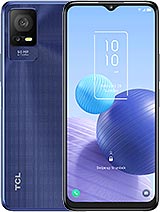
Overview
The TCL 408 is a budget-friendly smartphone featuring a 50MP Hyper Camera for high-resolution photography and dual stereo speakers for immersive audio, aimed at price-conscious users seeking reliable multimedia performance. Released in early 2023, it competes with entry-level devices from Samsung and Xiaomi by offering surprising hardware features typically reserved for more expensive tiers.
In the ultra-budget market of early 2023, most manufacturers cut costs by utilizing a single mono speaker that often sounds tinny and is easily muffled by a user's palm. We noticed that the TCL 408 defies this trend by integrating dual stereo speakers. This hardware choice provides a significantly wider soundstage, making it a standout for watching YouTube videos or streaming podcasts without needing headphones. While these speakers won't rival a flagship's output, they provide a much-needed upgrade to the entry-level experience.
The handset pairs this audio capability with a 6.6-inch IPS LCD panel. Although the resolution is capped at 720 x 1612 pixels, resulting in a pixel density of approximately 267 ppi, the screen remains functional for daily tasks. The 400 nits of brightness is standard for this class, though users might find it challenging to read under direct midday sun. For indoor use and evening browsing, the large canvas remains its primary appeal. This model prioritizes screen real estate over pixel count, which is a common but calculated trade-off in this price bracket.
Powering the experience is the Mediatek Helio G25 chipset. This 12nm silicon utilizes an octa-core configuration consisting entirely of Cortex-A53 cores—four clocked at 2.0 GHz and four at 1.5 GHz. In technical terms, the Cortex-A53 is an architecture optimized for energy efficiency rather than peak performance. This means the device excels at maintaining long battery life during lightweight activities like messaging and emails but will struggle with intensive gaming or heavy multitasking.
The 4GB of RAM included in our test variant is the minimum we recommend for a smooth Android 12 experience. Because the system uses eMMC 5.1 storage, which is a cost-effective flash memory standard, apps will take a few seconds longer to load compared to phones using UFS storage. However, for a user who sticks to the essentials—banking apps, social media, and web browsing—the speed is adequate. It's important to understand that this chipset is designed for reliability, not for chasing benchmarks in high-end mobile titles.
Imagine starting your morning at 7:00 AM. The 5000 mAh battery sits at 100%. During a typical commute, an hour of music streaming over LTE and some light scrolling through news apps barely dents the reserves. By lunchtime, after several work calls and checking emails, we typically see the battery still hovering around 85%. The power efficiency of the Helio G25 shines here, as the low-resolution screen and energy-sipping CPU cores refuse to drain the tank quickly.
Throughout the afternoon, using the 50MP camera to snap quick documents or a few outdoor shots consumes more power, but even by dinner time at 7:00 PM, the handset usually retains about 50% to 60% charge. For most users, this is a genuine two-day device. However, the evening ritual reveals the main bottleneck: the 10W wired charging. If you forget to plug it in and wake up with 10%, you'll need nearly three hours for a full recovery. This is a device you must charge overnight; there are no quick top-ups here.
TCL markets the main sensor as a "2-in-1 Hyper Camera." On paper, the 50 MP sensor with an f/1.8 aperture provides the hardware potential for impressive detail in well-lit environments. The 1/2.55" sensor size is respectable for this tier, and the Phase Detection Auto Focus (PDAF) helps in locking onto subjects quickly. It's a significant jump from the 13MP sensors often found in older budget models, offering enough resolution for digital cropping or small prints.
The auxiliary lens assists the primary sensor with software-based depth processing, which is useful for basic portrait modes. For video, the device is capped at 1080p at 30fps for both the front and rear cameras. Without optical image stabilization, we recommend keeping a steady hand or using a tripod. The 8MP selfie camera is adequate for video calls, though it requires good lighting to avoid grain. It's a functional camera system that prioritizes the main shooter's resolution over having multiple low-quality secondary lenses.
Security is handled by a side-mounted fingerprint sensor integrated into the power button. In our assessment, this placement is more ergonomic than rear-mounted sensors, especially when the device is sitting on a desk. The sensor is generally accurate, though it may require a second tap if your thumb is slightly damp. There is also a face unlock option, which uses the 8MP front camera. While convenient, it is a 2D software-based solution and is less secure than the fingerprint reader.
Connectivity is another area where the device remains competitive for March 2023. It supports dual-band Wi-Fi (2.4GHz and 5GHz), which is vital for avoiding interference in crowded apartment buildings. The presence of a 3.5mm headphone jack and a dedicated microSDXC slot ensures that users can expand their storage without sacrificing a SIM slot. For those in specific regions, the T507U model even includes NFC, allowing for mobile payments—a rarity in the sub-150 EUR category.
No device is perfect, and we must address the compromises. First, the 10W charging speed is genuinely slow for a 5000 mAh battery. In an era where even budget competitors are moving toward 18W or 33W, waiting three hours for a charge can be frustrating if you're in a hurry. If you are a power user who frequently drains their phone mid-day, this will be a significant pain point.
Second, the use of virtual proximity sensing can occasionally lead to the screen turning on during a phone call if the phone isn't held at a specific angle. Since there is no dedicated hardware infrared sensor, the device relies on the accelerometer and touch data. While it saves internal space and cost, it isn't as foolproof as traditional hardware. Finally, the 720p resolution on a 6.6-inch screen means that fine text won't look as sharp as it would on a 1080p display, which might bother users who do a lot of long-form reading.
This model is a strong contender for the "Value Hunter" who prioritizes audio and battery life. It is an excellent choice for seniors who need a large, legible screen and loud speakers, or for students who need a reliable secondary device for communication and basic research. It also serves well as a dedicated work phone for those who spend their day in the field and need a battery that won't quit before they get home.
The TCL 408 succeeds by focusing its budget on the features that matter most for daily utility: a high-resolution main camera, stereo sound, and exceptional battery endurance. While the charging speeds and raw processing power are modest, the overall package offers a cohesive experience that feels more expensive than its 130 EUR price tag suggests. For the budget-conscious consumer in early 2023, it's a pragmatic choice that delivers where it counts.
The Multimedia Hidden Gem
In the ultra-budget market of early 2023, most manufacturers cut costs by utilizing a single mono speaker that often sounds tinny and is easily muffled by a user's palm. We noticed that the TCL 408 defies this trend by integrating dual stereo speakers. This hardware choice provides a significantly wider soundstage, making it a standout for watching YouTube videos or streaming podcasts without needing headphones. While these speakers won't rival a flagship's output, they provide a much-needed upgrade to the entry-level experience.
The handset pairs this audio capability with a 6.6-inch IPS LCD panel. Although the resolution is capped at 720 x 1612 pixels, resulting in a pixel density of approximately 267 ppi, the screen remains functional for daily tasks. The 400 nits of brightness is standard for this class, though users might find it challenging to read under direct midday sun. For indoor use and evening browsing, the large canvas remains its primary appeal. This model prioritizes screen real estate over pixel count, which is a common but calculated trade-off in this price bracket.
Balancing the Performance Equation
Powering the experience is the Mediatek Helio G25 chipset. This 12nm silicon utilizes an octa-core configuration consisting entirely of Cortex-A53 cores—four clocked at 2.0 GHz and four at 1.5 GHz. In technical terms, the Cortex-A53 is an architecture optimized for energy efficiency rather than peak performance. This means the device excels at maintaining long battery life during lightweight activities like messaging and emails but will struggle with intensive gaming or heavy multitasking.
The 4GB of RAM included in our test variant is the minimum we recommend for a smooth Android 12 experience. Because the system uses eMMC 5.1 storage, which is a cost-effective flash memory standard, apps will take a few seconds longer to load compared to phones using UFS storage. However, for a user who sticks to the essentials—banking apps, social media, and web browsing—the speed is adequate. It's important to understand that this chipset is designed for reliability, not for chasing benchmarks in high-end mobile titles.
A Day in the Life Test
Imagine starting your morning at 7:00 AM. The 5000 mAh battery sits at 100%. During a typical commute, an hour of music streaming over LTE and some light scrolling through news apps barely dents the reserves. By lunchtime, after several work calls and checking emails, we typically see the battery still hovering around 85%. The power efficiency of the Helio G25 shines here, as the low-resolution screen and energy-sipping CPU cores refuse to drain the tank quickly.
Throughout the afternoon, using the 50MP camera to snap quick documents or a few outdoor shots consumes more power, but even by dinner time at 7:00 PM, the handset usually retains about 50% to 60% charge. For most users, this is a genuine two-day device. However, the evening ritual reveals the main bottleneck: the 10W wired charging. If you forget to plug it in and wake up with 10%, you'll need nearly three hours for a full recovery. This is a device you must charge overnight; there are no quick top-ups here.
The Hardware Potential of the 50MP Hyper Camera
TCL markets the main sensor as a "2-in-1 Hyper Camera." On paper, the 50 MP sensor with an f/1.8 aperture provides the hardware potential for impressive detail in well-lit environments. The 1/2.55" sensor size is respectable for this tier, and the Phase Detection Auto Focus (PDAF) helps in locking onto subjects quickly. It's a significant jump from the 13MP sensors often found in older budget models, offering enough resolution for digital cropping or small prints.
The auxiliary lens assists the primary sensor with software-based depth processing, which is useful for basic portrait modes. For video, the device is capped at 1080p at 30fps for both the front and rear cameras. Without optical image stabilization, we recommend keeping a steady hand or using a tripod. The 8MP selfie camera is adequate for video calls, though it requires good lighting to avoid grain. It's a functional camera system that prioritizes the main shooter's resolution over having multiple low-quality secondary lenses.
Biometrics and Security Considerations
Security is handled by a side-mounted fingerprint sensor integrated into the power button. In our assessment, this placement is more ergonomic than rear-mounted sensors, especially when the device is sitting on a desk. The sensor is generally accurate, though it may require a second tap if your thumb is slightly damp. There is also a face unlock option, which uses the 8MP front camera. While convenient, it is a 2D software-based solution and is less secure than the fingerprint reader.
Connectivity is another area where the device remains competitive for March 2023. It supports dual-band Wi-Fi (2.4GHz and 5GHz), which is vital for avoiding interference in crowded apartment buildings. The presence of a 3.5mm headphone jack and a dedicated microSDXC slot ensures that users can expand their storage without sacrificing a SIM slot. For those in specific regions, the T507U model even includes NFC, allowing for mobile payments—a rarity in the sub-150 EUR category.
The Deal Breakers: What to Watch Out For
No device is perfect, and we must address the compromises. First, the 10W charging speed is genuinely slow for a 5000 mAh battery. In an era where even budget competitors are moving toward 18W or 33W, waiting three hours for a charge can be frustrating if you're in a hurry. If you are a power user who frequently drains their phone mid-day, this will be a significant pain point.
Second, the use of virtual proximity sensing can occasionally lead to the screen turning on during a phone call if the phone isn't held at a specific angle. Since there is no dedicated hardware infrared sensor, the device relies on the accelerometer and touch data. While it saves internal space and cost, it isn't as foolproof as traditional hardware. Finally, the 720p resolution on a 6.6-inch screen means that fine text won't look as sharp as it would on a 1080p display, which might bother users who do a lot of long-form reading.
Who is this for?
This model is a strong contender for the "Value Hunter" who prioritizes audio and battery life. It is an excellent choice for seniors who need a large, legible screen and loud speakers, or for students who need a reliable secondary device for communication and basic research. It also serves well as a dedicated work phone for those who spend their day in the field and need a battery that won't quit before they get home.
Value Conclusion
The TCL 408 succeeds by focusing its budget on the features that matter most for daily utility: a high-resolution main camera, stereo sound, and exceptional battery endurance. While the charging speeds and raw processing power are modest, the overall package offers a cohesive experience that feels more expensive than its 130 EUR price tag suggests. For the budget-conscious consumer in early 2023, it's a pragmatic choice that delivers where it counts.
Technical Specifications
| LAUNCH | |
|---|---|
| Announced | 2023, January 05 |
| Status | Available. Released 2023, March 31 |
| PLATFORM | |
| OS | Android 12 |
| Chipset | Mediatek MT6762G Helio G25 (12 nm) |
| CPU | Octa-core (4x2.0 GHz Cortex-A53 & 4x1.5 GHz Cortex-A53) |
| GPU | PowerVR GE8320 |
| BODY | |
| Dimensions | 164.7 x 75.4 x 9 mm (6.48 x 2.97 x 0.35 in) |
| Weight | 190 g (6.70 oz) |
| SIM | · Nano-SIM· Nano-SIM + Nano-SIM |
| DISPLAY | |
| Type | IPS LCD, 400 nits (typ) |
| Size | 6.6 inches, 104.6 cm2 (~84.3% screen-to-body ratio) |
| Resolution | 720 x 1612 pixels, 20:9 ratio (~267 ppi density) |
| MEMORY | |
| Card slot | microSDXC (dedicated slot) |
| Internal | 64GB 4GB RAM, 64GB 6GB RAM, 128GB 4GB RAM |
| Info | eMMC 5.1 |
| MAIN CAMERA | |
| Dual | 50 MP, f/1.8, 26mm (wide), 1/2.55", 0.7µm, PDAF Auxiliary lens |
| Features | LED flash |
| Video | 1080p@30fps |
| SELFIE CAMERA | |
| Single | 8 MP, f/2.0, 27mm (wide), 1/4.0", 1.12µm |
| Video | 1080p@30fps |
| SOUND | |
| Loudspeaker | Yes, with stereo speakers |
| 3.5mm jack | Yes |
| COMMS | |
| WLAN | Wi-Fi 802.11 a/b/g/n/ac, dual-band, Wi-Fi Direct |
| Bluetooth | 5.1, A2DP, LE |
| Positioning | GPS, GLONASS, GALILEO, BDS |
| NFC | Yes (T507U only) |
| Radio | FM radio |
| USB | USB Type-C 2.0, OTG |
| NETWORK | |
| Technology | GSM / HSPA / LTE |
| 2G bands | GSM 850 / 900 / 1800 / 1900 |
| 3G bands | HSDPA 850 / 900 / 1700(AWS) / 1900 / 2100 - T507A, T507U, T507U1, T507U2, T507J |
| Info | 1, 3, 5, 7, 8, 20, 28 - T507D1 |
| 4G bands | 1, 3, 5, 7, 8, 13, 20, 28, 38, 40, 41 - T507U, T507U1, T507U2 |
| Speed | HSPA 42.2/11.5 Mbps, LTE Cat4 150/75 Mbps |
| FEATURES | |
| Sensors | Fingerprint (side-mounted), accelerometer |
| Info | Virtual proximity sensing |
| BATTERY | |
| Type | Li-Po 5000 mAh |
| Charging | 10W wired |
| MISC | |
| Colors | Gravity Grey, Midnight Blue |
| Models | T507D1, T507A, T507U, T507U1, T507U2, T507J |
| Price | About 130 EUR |