Stop Overpaying for Basic Tech – The Real Cost of the ZTE Blade A35
Overview
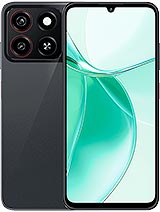
The ZTE Blade A35 is an entry-level smartphone featuring a 6.75-inch IPS LCD with a 90Hz refresh rate and a 5000 mAh battery, aimed at budget-conscious users looking for essential connectivity. Released in October 2024, it competes with other low-cost Android Go devices in the ultra-budget segment. We see this handset as a classic example of a device designed for high-volume distribution, often surfacing in prepaid carrier bundles or emerging market shelves where price is the single most important metric.
Many consumers will encounter this handset through carrier promotions where it is offered for a nominal fee or even "free" with a basic service plan. We urge caution here. While a zero-dollar entry price sounds appealing, the long-term utility of a device depends on its ability to stay functional throughout a 24-month contract. The internal components here are stretched to their absolute limits from day one. Buying this model outright for around 80 EUR is a cleaner transaction, but even then, one must weigh the depreciation. In the budget tech sector, the cheapest option often carries the highest cost in terms of frustration and early replacement cycles.
Imagine a scenario where you rely on your phone for gig work or constant communication. The overhead of a low-powered processor means every second spent waiting for an app to load is a second of lost productivity. If a carrier locks you into a two-year commitment for this specific model, you might find yourself wanting to upgrade within six months. We have seen this cycle repeat across countless budget releases. The true value isn't the upfront cost; it's the cost-per-day of reliable service. This device sits right on the edge of that viability curve.
Under the hood, the Unisoc SC9863A1 handles the heavy lifting. This is an octa-core chipset built on a 22nm process, which is essentially legacy technology by late 2024 standards. While flagship chips have moved to 3nm and 4nm for extreme efficiency, a 22nm chip consumes more power and generates more heat for the same amount of work. The Cortex-A55 cores are designed for efficiency rather than raw speed, meaning that even with the lightweight Android 14 (Go edition), users should expect a measured pace. Multitasking between heavy apps like social media and navigation will likely push the 2GB or 4GB of RAM to their ceiling quickly.
During a standard afternoon of usage, the eMMC 5.1 storage acts as another bottleneck. Unlike the UFS storage found in [mid-range phones](/trend/best-mid-range-phones-2026/), eMMC 5.1 operates more like an old SD card than a modern hard drive. This results in slower app installations and longer boot times. However, for a user whose needs are strictly limited to WhatsApp, light web browsing, and voice calls, this setup provides a functional, if unhurried, experience. The 90Hz refresh rate on the 720 x 1600 resolution screen is a surprising addition at this price, offering a smoother visual flow when scrolling through menus, though the lower pixel density of 262 ppi means text won't look as crisp as it does on Full HD panels.
Comparing this to the previous generation of budget ZTE handsets, the inclusion of a 90Hz panel shows that high-refresh technology is finally trickling down to the bottom of the market. It doesn't make the phone faster, but it makes the interface feel more responsive than it actually is. It's a clever bit of engineering designed to mask the modest processing power. Users coming from a 60Hz device will notice the difference in fluidity immediately, even if the apps themselves take a few extra beats to open.
Connectivity is where the budget cuts become most apparent. The handset supports Wi-Fi 802.11 b/g/n, which means it is restricted to the 2.4GHz band. In a crowded apartment building or a modern office, the 2.4GHz band is often congested, leading to slower speeds and more interference compared to the 5GHz bands used by more expensive devices. Furthermore, the absence of NFC means you can't use this phone for contactless payments at grocery stores or transit kiosks. For many in 2024, this is a significant lifestyle compromise.
Bluetooth 5.2 is present, which is a modern enough standard to ensure stable connections with wireless earbuds and basic smartwatches. However, don't expect a robust ecosystem experience. There is no proprietary handoff feature or deep integration with tablets and laptops. It functions as a standalone tool. In our assessment, this lack of "ecosystem glue" makes it a difficult recommendation for someone already invested in a specific brand's wearable or tablet lineup. It is a device built for the essentials: calls, texts, and basic data.
We also noticed the reliance on older hardware for positioning. While it supports GPS, GALILEO, and GLONASS, the initial satellite lock-on might take longer than it would on a device with a more integrated modern modem. For a delivery driver or someone relying heavily on turn-by-turn navigation, these small delays can add up. It is a reminder that in the world of budget tech, you aren't just paying for the screen and the plastic; you are paying for the quality of the invisible signals that keep you connected.
As a 4G LTE device, this model skips the 5G revolution entirely. While 5G is becoming standard, 4G remains the backbone of global mobile networks in 2024. The modem here supports a wide range of bands, including Bands 1, 3, 5, 7, 8, 20, 28, 38, 40, and 41, making it compatible with most carriers worldwide. Call quality remains the primary focus. Without the overhead of high-speed 5G data, the device manages signal reception quite well in areas with established LTE coverage.
In weak signal areas, such as the interior of a large concrete building, the older modem architecture might struggle more than a modern flagship would. We have found that entry-level devices often lack the advanced antenna switching tech found in premium models. However, for standard voice calls and SMS, the performance is reliable. The inclusion of a 3.5mm headphone jack is a major win for call quality, as it allows users to use wired headsets with dedicated microphones, avoiding the compression and battery drain associated with cheap Bluetooth alternatives.
Regarding data speeds, the HSPA and LTE capabilities are sufficient for streaming standard-definition video or checking emails. Don't expect to download large files or update multiple apps simultaneously without the phone heating up and slowing down. The device is built for a "one task at a time" philosophy. When you respect those limits, it performs its duties as a communication tool without much fuss.
One of the most striking omissions on this model is the lack of a fingerprint sensor. Based on the technical specifications, users are limited to the accelerometer as the primary sensor, which implies that biometric security is likely restricted to basic face unlock via the 2 MP (interpolated to 5 MP) front camera. Face unlock on budget hardware is notoriously less secure than dedicated fingerprint scanners, as it often relies on a simple 2D image comparison that can be fooled more easily than 3D mapping or capacitive finger scanning.
For a user who handles sensitive banking information or private work emails, the lack of a fingerprint sensor is a hurdle. You will find yourself typing in a PIN or drawing a pattern dozens of times a day. This adds a layer of friction to the user experience that most modern smartphone users have forgotten. It's a classic budget trade-off: remove a piece of hardware to hit a specific price point, even if it degrades the daily quality of life for the user.
From a hardware perspective, the buttons are plastic and will likely provide a soft, muted click. Without the weight of premium materials, the phone should feel light in the hand despite its large footprint. This lightweight build, combined with the lack of advanced biometric hardware, reinforces the feeling that this is a utility device—something you use because you need to, not because it's a joy to interact with.
Running Android 14 (Go edition) is the right choice for these specs. Google's Go edition is a stripped-down version of the OS designed specifically for devices with less than 4GB of RAM. It uses smaller app versions (like Maps Go or Gmail Go) and optimizes background processes to keep things moving. This prevents the phone from choking under the weight of modern software updates. However, the trade-off is that you lose some of the richer features found in full Android 14, such as advanced customization and deep AI-driven tools.
Software longevity is a concern. Budget devices in this tier rarely see more than one major OS update, if any at all. We suspect the hardware limitations of the Unisoc chip will make it difficult for this handset to run future versions of Android smoothly. If you buy this in October 2024, you should expect it to stay on Android 14 for the duration of its life. Security patches are also likely to be less frequent than they are for flagship or even mid-range models.
For a student or a senior who only needs a handful of apps, this software experience is perfectly adequate. It's clean, simple, and avoids the clutter that often plagues heavily skinned versions of Android. But for a power user or someone who likes to tinker with their device, the Go edition will feel like a cage. You cannot easily bypass the limitations of the hardware through software optimization when the foundation is built on such thin margins.
When we look at the total package, the ZTE Blade A35 is a device of extreme contrasts. It offers a modern, high-refresh 90Hz screen and a massive 5000 mAh battery, yet it's powered by a processor from a different era and charges at a glacial 10W wired speed. A 5000 mAh battery is fantastic for endurance, but at 10W, you are looking at nearly three hours for a full charge. This is a phone you charge overnight, every night.
Is it a value champion? Only if your budget is strictly under 100 EUR and you refuse to buy used hardware. In the secondary market, 100 EUR can often get you a two-year-old flagship with a better screen, faster processor, and superior cameras. But if you need the security of a factory-sealed box and a manufacturer warranty, this model is one of the most accessible entries into the Android ecosystem. It provides the basics and nothing more.
Ultimately, the ZTE Blade A35 is a tool for a specific job. It's a backup phone, a first phone for a child, or a reliable device for someone who views a smartphone as a utility rather than a lifestyle accessory. In the competitive landscape of late 2024, it survives by being just enough to get the job done at a price that almost anyone can afford. Just be aware that you are buying into a very specific, limited experience.
The Economic Reality of the Carrier Subsidy
Many consumers will encounter this handset through carrier promotions where it is offered for a nominal fee or even "free" with a basic service plan. We urge caution here. While a zero-dollar entry price sounds appealing, the long-term utility of a device depends on its ability to stay functional throughout a 24-month contract. The internal components here are stretched to their absolute limits from day one. Buying this model outright for around 80 EUR is a cleaner transaction, but even then, one must weigh the depreciation. In the budget tech sector, the cheapest option often carries the highest cost in terms of frustration and early replacement cycles.
Imagine a scenario where you rely on your phone for gig work or constant communication. The overhead of a low-powered processor means every second spent waiting for an app to load is a second of lost productivity. If a carrier locks you into a two-year commitment for this specific model, you might find yourself wanting to upgrade within six months. We have seen this cycle repeat across countless budget releases. The true value isn't the upfront cost; it's the cost-per-day of reliable service. This device sits right on the edge of that viability curve.
Cutting Corners with the Unisoc SC9863A1
Under the hood, the Unisoc SC9863A1 handles the heavy lifting. This is an octa-core chipset built on a 22nm process, which is essentially legacy technology by late 2024 standards. While flagship chips have moved to 3nm and 4nm for extreme efficiency, a 22nm chip consumes more power and generates more heat for the same amount of work. The Cortex-A55 cores are designed for efficiency rather than raw speed, meaning that even with the lightweight Android 14 (Go edition), users should expect a measured pace. Multitasking between heavy apps like social media and navigation will likely push the 2GB or 4GB of RAM to their ceiling quickly.
During a standard afternoon of usage, the eMMC 5.1 storage acts as another bottleneck. Unlike the UFS storage found in [mid-range phones](/trend/best-mid-range-phones-2026/), eMMC 5.1 operates more like an old SD card than a modern hard drive. This results in slower app installations and longer boot times. However, for a user whose needs are strictly limited to WhatsApp, light web browsing, and voice calls, this setup provides a functional, if unhurried, experience. The 90Hz refresh rate on the 720 x 1600 resolution screen is a surprising addition at this price, offering a smoother visual flow when scrolling through menus, though the lower pixel density of 262 ppi means text won't look as crisp as it does on Full HD panels.
Comparing this to the previous generation of budget ZTE handsets, the inclusion of a 90Hz panel shows that high-refresh technology is finally trickling down to the bottom of the market. It doesn't make the phone faster, but it makes the interface feel more responsive than it actually is. It's a clever bit of engineering designed to mask the modest processing power. Users coming from a 60Hz device will notice the difference in fluidity immediately, even if the apps themselves take a few extra beats to open.
Wireless Constraints in a Hyper-Connected World
Connectivity is where the budget cuts become most apparent. The handset supports Wi-Fi 802.11 b/g/n, which means it is restricted to the 2.4GHz band. In a crowded apartment building or a modern office, the 2.4GHz band is often congested, leading to slower speeds and more interference compared to the 5GHz bands used by more expensive devices. Furthermore, the absence of NFC means you can't use this phone for contactless payments at grocery stores or transit kiosks. For many in 2024, this is a significant lifestyle compromise.
Bluetooth 5.2 is present, which is a modern enough standard to ensure stable connections with wireless earbuds and basic smartwatches. However, don't expect a robust ecosystem experience. There is no proprietary handoff feature or deep integration with tablets and laptops. It functions as a standalone tool. In our assessment, this lack of "ecosystem glue" makes it a difficult recommendation for someone already invested in a specific brand's wearable or tablet lineup. It is a device built for the essentials: calls, texts, and basic data.
We also noticed the reliance on older hardware for positioning. While it supports GPS, GALILEO, and GLONASS, the initial satellite lock-on might take longer than it would on a device with a more integrated modern modem. For a delivery driver or someone relying heavily on turn-by-turn navigation, these small delays can add up. It is a reminder that in the world of budget tech, you aren't just paying for the screen and the plastic; you are paying for the quality of the invisible signals that keep you connected.
The Modem Bottleneck and Call Reliability
As a 4G LTE device, this model skips the 5G revolution entirely. While 5G is becoming standard, 4G remains the backbone of global mobile networks in 2024. The modem here supports a wide range of bands, including Bands 1, 3, 5, 7, 8, 20, 28, 38, 40, and 41, making it compatible with most carriers worldwide. Call quality remains the primary focus. Without the overhead of high-speed 5G data, the device manages signal reception quite well in areas with established LTE coverage.
In weak signal areas, such as the interior of a large concrete building, the older modem architecture might struggle more than a modern flagship would. We have found that entry-level devices often lack the advanced antenna switching tech found in premium models. However, for standard voice calls and SMS, the performance is reliable. The inclusion of a 3.5mm headphone jack is a major win for call quality, as it allows users to use wired headsets with dedicated microphones, avoiding the compression and battery drain associated with cheap Bluetooth alternatives.
Regarding data speeds, the HSPA and LTE capabilities are sufficient for streaming standard-definition video or checking emails. Don't expect to download large files or update multiple apps simultaneously without the phone heating up and slowing down. The device is built for a "one task at a time" philosophy. When you respect those limits, it performs its duties as a communication tool without much fuss.
Security Simplified or Security Compromised?
One of the most striking omissions on this model is the lack of a fingerprint sensor. Based on the technical specifications, users are limited to the accelerometer as the primary sensor, which implies that biometric security is likely restricted to basic face unlock via the 2 MP (interpolated to 5 MP) front camera. Face unlock on budget hardware is notoriously less secure than dedicated fingerprint scanners, as it often relies on a simple 2D image comparison that can be fooled more easily than 3D mapping or capacitive finger scanning.
For a user who handles sensitive banking information or private work emails, the lack of a fingerprint sensor is a hurdle. You will find yourself typing in a PIN or drawing a pattern dozens of times a day. This adds a layer of friction to the user experience that most modern smartphone users have forgotten. It's a classic budget trade-off: remove a piece of hardware to hit a specific price point, even if it degrades the daily quality of life for the user.
From a hardware perspective, the buttons are plastic and will likely provide a soft, muted click. Without the weight of premium materials, the phone should feel light in the hand despite its large footprint. This lightweight build, combined with the lack of advanced biometric hardware, reinforces the feeling that this is a utility device—something you use because you need to, not because it's a joy to interact with.
Software Lifecycle and the Go Edition Compromise
Running Android 14 (Go edition) is the right choice for these specs. Google's Go edition is a stripped-down version of the OS designed specifically for devices with less than 4GB of RAM. It uses smaller app versions (like Maps Go or Gmail Go) and optimizes background processes to keep things moving. This prevents the phone from choking under the weight of modern software updates. However, the trade-off is that you lose some of the richer features found in full Android 14, such as advanced customization and deep AI-driven tools.
Software longevity is a concern. Budget devices in this tier rarely see more than one major OS update, if any at all. We suspect the hardware limitations of the Unisoc chip will make it difficult for this handset to run future versions of Android smoothly. If you buy this in October 2024, you should expect it to stay on Android 14 for the duration of its life. Security patches are also likely to be less frequent than they are for flagship or even mid-range models.
For a student or a senior who only needs a handful of apps, this software experience is perfectly adequate. It's clean, simple, and avoids the clutter that often plagues heavily skinned versions of Android. But for a power user or someone who likes to tinker with their device, the Go edition will feel like a cage. You cannot easily bypass the limitations of the hardware through software optimization when the foundation is built on such thin margins.
Final Economic Appraisal of the A35
When we look at the total package, the ZTE Blade A35 is a device of extreme contrasts. It offers a modern, high-refresh 90Hz screen and a massive 5000 mAh battery, yet it's powered by a processor from a different era and charges at a glacial 10W wired speed. A 5000 mAh battery is fantastic for endurance, but at 10W, you are looking at nearly three hours for a full charge. This is a phone you charge overnight, every night.
Is it a value champion? Only if your budget is strictly under 100 EUR and you refuse to buy used hardware. In the secondary market, 100 EUR can often get you a two-year-old flagship with a better screen, faster processor, and superior cameras. But if you need the security of a factory-sealed box and a manufacturer warranty, this model is one of the most accessible entries into the Android ecosystem. It provides the basics and nothing more.
Ultimately, the ZTE Blade A35 is a tool for a specific job. It's a backup phone, a first phone for a child, or a reliable device for someone who views a smartphone as a utility rather than a lifestyle accessory. In the competitive landscape of late 2024, it survives by being just enough to get the job done at a price that almost anyone can afford. Just be aware that you are buying into a very specific, limited experience.
Technical Specifications
| LAUNCH | |
|---|---|
| Announced | 2024, October 09 |
| Status | Available. Released 2024, October |
| PLATFORM | |
| OS | Android 14 (Go edition) |
| Chipset | Unisoc SC9863A1 (22 nm) |
| CPU | Octa-core (4x1.6 GHz Cortex-A55 & 4x1.2 GHz Cortex-A55) |
| GPU | IMG8322 |
| BODY | |
| Dimensions | 167.7 x 77.4 x 8.5 mm (6.60 x 3.05 x 0.33 in) |
| Weight | - |
| SIM | Nano-SIM + Nano-SIM |
| DISPLAY | |
| Type | IPS LCD, 90Hz |
| Size | 6.75 inches, 108.3 cm2 (~83.5% screen-to-body ratio) |
| Resolution | 720 x 1600 pixels, 20:9 ratio (~262 ppi density) |
| MEMORY | |
| Card slot | microSDXC (dedicated slot) |
| Internal | 64GB 2GB RAM, 64GB 4GB RAM |
| Info | eMMC 5.1 |
| MAIN CAMERA | |
| Single | 8 MP, AF |
| Features | LED flash |
| Video | 1080p@30fps |
| SELFIE CAMERA | |
| Single | 2 MP (interpolated to 5 MP) |
| Video | Yes |
| SOUND | |
| Loudspeaker | Yes |
| 3.5mm jack | Yes |
| COMMS | |
| WLAN | Wi-Fi 802.11 b/g/n |
| Bluetooth | 5.2, A2DP, LE |
| Positioning | GPS, GALILEO, GLONASS |
| NFC | No |
| Radio | FM radio |
| USB | USB Type-C 2.0 |
| NETWORK | |
| Technology | GSM / HSPA / LTE |
| 2G bands | GSM 850 / 900 / 1800 / 1900 |
| 3G bands | HSDPA 850 / 900 / 1900 / 2100 |
| 4G bands | 1, 3, 5, 7, 8, 20, 28, 38, 40, 41 |
| Speed | HSPA, LTE |
| FEATURES | |
| Sensors | Accelerometer |
| BATTERY | |
| Type | Li-Po 5000 mAh |
| Charging | 10W wired |
| MISC | |
| Colors | Starry Black, Clover Green |
| Models | Z2453 |
| Price | About 80 EUR |