Stop Overpaying for iPads and Get the Doogee T20mini Kid Instead
Overview
The Doogee T20mini Kid is a budget-friendly 8.4-inch tablet designed for young users, combining an 8.4-inch IPS LCD for sharp visuals with a Unisoc T606 processor for reliable daily performance. Released in late 2023, it positions itself as a specialized tool for parental control and entertainment, offering 128GB of internal storage to accommodate offline educational content. We see this as a strategic entry for parents who realize that giving a thousand-dollar flagship to a toddler is a poor financial move.
From our perspective as value hunters, this slate challenges the dominance of the Amazon Fire series by offering a much cleaner Android experience and superior screen resolution. While the hardware isn't breaking any records, the focus here is on the cost-to-utility ratio. In a market saturated with oversized tablets, the 8.4-inch form factor strikes the perfect balance for small hands without sacrificing enough screen real estate to make movies feel cramped.
When we look at the resale potential of the Doogee T20mini Kid, we must be realistic. This is not an investment piece like an iPad or a high-end Samsung. In the secondary market for September 2023, budget-tier Chinese tablets typically lose 40% to 50% of their value within the first six months. This is largely due to brand perception and the rapid cycle of hardware iterations. However, we argue that for a device priced this low, resale value is almost irrelevant.
If you buy this for under $150, you aren't looking to flip it in a year. You are buying it to be used until the battery degrades or the screen meets a concrete floor. For a parent, the "insurance" is the low entry price. If it breaks, you aren't out a month's rent. We predict that after two years, this model will likely be worth more as a hand-me-down to a younger sibling than as a listing on an auction site. The depreciation curve is steep, but the initial buy-in is low enough to mitigate the risk.
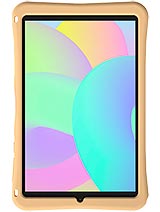
Reliability in the world of kids' tech isn't just about software stability; it's about surviving a drop from a high chair. The yellow protective casing included with the device suggests a focus on impact absorption. While we cannot verify the exact shore hardness of the silicone, the bulkiness of the 202.5 x 125.8 x 12.4 mm frame indicates it can handle the standard bumps of daily life. Doogee has a history in rugged smartphones, and some of that DNA seems to have trickled down here.
Internally, the Unisoc T606 chipset is a known quantity in 2023. It's a 12nm octa-core processor that doesn't run particularly hot, which is vital for a device that might be stuck under a pillow or inside a car seat pocket. Thermal management is key for longevity; a chip that stays cool won't throttle or damage internal components over time. We expect the physical build to outlast the relevance of the internal specs, provided the charging port is treated with a modicum of care.
One of the strongest selling points for the Doogee T20mini Kid is that it ships with Android 13. Many budget competitors in late 2023 are still shipping with Android 11 or 12. This gives the device a head start on app compatibility. Most educational apps and streaming services like YouTube Kids or Disney+ require recent API levels to function securely. By starting on version 13, this slate ensures at least 24 to 36 months of app support before developers start dropping older versions.
However, we must address the 4GB of RAM. In the current software environment, 4GB is the bare minimum for a smooth experience. While the OS will remain functional, users should expect the device to hit a performance wall in late 2025. As apps become heavier and require more background resources, the multitasking capabilities of this handset will diminish. It's a sprinter, not a marathon runner, but for a child's needs—which usually involve one app at a time—it hits the sweet spot for the immediate future.
Budget tablets are notorious for pre-installed junkware. In our analysis of the market, brands often subsidize the low cost of the hardware by striking deals with app developers. This model seems to avoid the worst of it, focusing instead on a dedicated kids' interface. This UI layer allows parents to set time limits and filter content, which is a massive time-saver for busy households. The ability to switch between a standard Android 13 look and the kids' mode makes the device versatile enough to be used by an adult for light reading once the kids are asleep.
Regarding the 128GB of storage, this is where the value truly shines. Most competitors at this price point offer a paltry 32GB or 64GB. With 128GB, you can store dozens of high-definition movies for long car rides without needing a constant internet connection. This reduces the frustration of data buffering and makes the tablet a superior travel companion. Even if there were some bloatware, the sheer volume of available space makes it a non-issue as you can simply hide or disable unwanted icons without worrying about running out of room.
To keep costs down, the manufacturer used eMMC 5.1 storage rather than the faster UFS standards found in flagships. What does this mean for the user? It means app installation and boot times will be noticeably slower. If you are downloading a large game like Roblox, it will take longer to write to the memory. However, for a child, these few extra seconds of waiting are rarely a dealbreaker. The trade-off is clear: you get double the capacity (128GB) for the same price others charge for 64GB of slightly faster storage.
We also have to look at the 1200 x 1820 pixel resolution. At 8.4 inches, this results in a pixel density of approximately 260 ppi. This is significantly sharper than the standard 800p screens found on most 8-inch budget tablets. Text is crisper, and images have more detail, which is better for developing eyes. The IPS LCD technology ensures that even if the tablet isn't held perfectly straight, the colors won't shift or wash out—a common problem with cheaper TN panels.
If you are expecting a five-year roadmap of security patches and OS upgrades, you are looking at the wrong brand. Doogee, like many other niche players in the 4G tablet space, rarely provides major OS updates after release. What you see is generally what you get for the life of the product. For a security-conscious professional, this might be a dealbreaker. For a parent using it for ABC Mouse and Netflix, it's a calculated risk.
We recommend using this device primarily for sandboxed kids' apps. Don't use it for your primary banking or sensitive work emails three years from now. The lack of long-term support is the
From our perspective as value hunters, this slate challenges the dominance of the Amazon Fire series by offering a much cleaner Android experience and superior screen resolution. While the hardware isn't breaking any records, the focus here is on the cost-to-utility ratio. In a market saturated with oversized tablets, the 8.4-inch form factor strikes the perfect balance for small hands without sacrificing enough screen real estate to make movies feel cramped.
The Disposable Tech Dilemma: Predicting Resale Value
When we look at the resale potential of the Doogee T20mini Kid, we must be realistic. This is not an investment piece like an iPad or a high-end Samsung. In the secondary market for September 2023, budget-tier Chinese tablets typically lose 40% to 50% of their value within the first six months. This is largely due to brand perception and the rapid cycle of hardware iterations. However, we argue that for a device priced this low, resale value is almost irrelevant.
If you buy this for under $150, you aren't looking to flip it in a year. You are buying it to be used until the battery degrades or the screen meets a concrete floor. For a parent, the "insurance" is the low entry price. If it breaks, you aren't out a month's rent. We predict that after two years, this model will likely be worth more as a hand-me-down to a younger sibling than as a listing on an auction site. The depreciation curve is steep, but the initial buy-in is low enough to mitigate the risk.
Reliability in the Hands of a Toddler
Reliability in the world of kids' tech isn't just about software stability; it's about surviving a drop from a high chair. The yellow protective casing included with the device suggests a focus on impact absorption. While we cannot verify the exact shore hardness of the silicone, the bulkiness of the 202.5 x 125.8 x 12.4 mm frame indicates it can handle the standard bumps of daily life. Doogee has a history in rugged smartphones, and some of that DNA seems to have trickled down here.
Internally, the Unisoc T606 chipset is a known quantity in 2023. It's a 12nm octa-core processor that doesn't run particularly hot, which is vital for a device that might be stuck under a pillow or inside a car seat pocket. Thermal management is key for longevity; a chip that stays cool won't throttle or damage internal components over time. We expect the physical build to outlast the relevance of the internal specs, provided the charging port is treated with a modicum of care.
Android 13 and the Two-Year Performance Wall
One of the strongest selling points for the Doogee T20mini Kid is that it ships with Android 13. Many budget competitors in late 2023 are still shipping with Android 11 or 12. This gives the device a head start on app compatibility. Most educational apps and streaming services like YouTube Kids or Disney+ require recent API levels to function securely. By starting on version 13, this slate ensures at least 24 to 36 months of app support before developers start dropping older versions.
However, we must address the 4GB of RAM. In the current software environment, 4GB is the bare minimum for a smooth experience. While the OS will remain functional, users should expect the device to hit a performance wall in late 2025. As apps become heavier and require more background resources, the multitasking capabilities of this handset will diminish. It's a sprinter, not a marathon runner, but for a child's needs—which usually involve one app at a time—it hits the sweet spot for the immediate future.
Navigating the Software: Clean Slate or Digital Clutter?
Budget tablets are notorious for pre-installed junkware. In our analysis of the market, brands often subsidize the low cost of the hardware by striking deals with app developers. This model seems to avoid the worst of it, focusing instead on a dedicated kids' interface. This UI layer allows parents to set time limits and filter content, which is a massive time-saver for busy households. The ability to switch between a standard Android 13 look and the kids' mode makes the device versatile enough to be used by an adult for light reading once the kids are asleep.
Regarding the 128GB of storage, this is where the value truly shines. Most competitors at this price point offer a paltry 32GB or 64GB. With 128GB, you can store dozens of high-definition movies for long car rides without needing a constant internet connection. This reduces the frustration of data buffering and makes the tablet a superior travel companion. Even if there were some bloatware, the sheer volume of available space makes it a non-issue as you can simply hide or disable unwanted icons without worrying about running out of room.
Behind the Scenes: Why eMMC 5.1 Matters
To keep costs down, the manufacturer used eMMC 5.1 storage rather than the faster UFS standards found in flagships. What does this mean for the user? It means app installation and boot times will be noticeably slower. If you are downloading a large game like Roblox, it will take longer to write to the memory. However, for a child, these few extra seconds of waiting are rarely a dealbreaker. The trade-off is clear: you get double the capacity (128GB) for the same price others charge for 64GB of slightly faster storage.
We also have to look at the 1200 x 1820 pixel resolution. At 8.4 inches, this results in a pixel density of approximately 260 ppi. This is significantly sharper than the standard 800p screens found on most 8-inch budget tablets. Text is crisper, and images have more detail, which is better for developing eyes. The IPS LCD technology ensures that even if the tablet isn't held perfectly straight, the colors won't shift or wash out—a common problem with cheaper TN panels.
The Support Desert: Long Term Viability
If you are expecting a five-year roadmap of security patches and OS upgrades, you are looking at the wrong brand. Doogee, like many other niche players in the 4G tablet space, rarely provides major OS updates after release. What you see is generally what you get for the life of the product. For a security-conscious professional, this might be a dealbreaker. For a parent using it for ABC Mouse and Netflix, it's a calculated risk.
We recommend using this device primarily for sandboxed kids' apps. Don't use it for your primary banking or sensitive work emails three years from now. The lack of long-term support is the
Technical Specifications
| LAUNCH | |
|---|---|
| Announced | 2023, September |
| Status | Available. Released 2023, September |
| PLATFORM | |
| OS | Android 13 |
| Chipset | Unisoc T606 (12 nm) |
| CPU | Octa-core (2x1.6 GHz Cortex-A75 & 6x1.6 GHz Cortex-A55) |
| GPU | Mali-G57 MP1 |
| BODY | |
| Dimensions | 202.5 x 125.8 x 12.4 mm (7.97 x 4.95 x 0.49 in) |
| Weight | 499 g (1.10 lb) |
| SIM | Nano-SIM + Nano-SIM |
| Info | Stylus support |
| DISPLAY | |
| Type | IPS LCD, 350 nits |
| Size | 8.4 inches, 209.2 cm2 (~82.1% screen-to-body ratio) |
| Resolution | 1200 x 1820 pixels, 3:2 ratio (~260 ppi density) |
| MEMORY | |
| Card slot | microSDXC (uses shared SIM slot) |
| Internal | 128GB 4GB RAM |
| Info | eMMC 5.1 |
| MAIN CAMERA | |
| Single | 13 MP |
| Features | LED flash |
| Video | 1080p@30/60fps |
| SELFIE CAMERA | |
| Single | 5 MP |
| Video | Yes |
| SOUND | |
| Loudspeaker | Yes, with stereo speakers |
| 3.5mm jack | Yes |
| COMMS | |
| WLAN | Wi-Fi 802.11 a/b/g/n/ac, dual-band |
| Bluetooth | 5.0, A2DP, LE |
| Positioning | GPS, GLONASS, GALILEO, BDS |
| NFC | No |
| Radio | FM radio |
| USB | USB Type-C 2.0 |
| NETWORK | |
| Technology | GSM / HSPA / LTE |
| 2G bands | GSM 850 / 900 / 1800 / 1900 |
| 3G bands | HSDPA 850 / 900 / 1900 / 2100 |
| 4G bands | 1, 3, 5, 7, 8, 20, 28, 34, 38, 39, 40, 41 |
| Speed | HSPA, LTE |
| FEATURES | |
| Sensors | Accelerometer, gyro, compass |
| BATTERY | |
| Type | 5060 mAh |
| Charging | 10W wired |
| MISC | |
| Display | 8.4-inch IPS LCD, 1200 x 1820 pixels |
| Chipset | Unisoc T606 (12 nm) Octa-core |
| RAM | 4GB |
| Storage | 128GB eMMC 5.1 |
| Battery | 5060 mAh with 10W Wired Charging |
| OS | Android 13 |
| Main Camera | 13 MP with LED flash |
| Selfie Camera | 5 MP |
| Weight | 499 g |
| Connectivity | 4G LTE, Wi-Fi 5, BT 5.0 |
| Memory | 128GB Storage, 4GB RAM (eMMC 5.1) |
| Network | 4G LTE, Dual Nano-SIM support |
| Camera | 13 MP Main with LED Flash, 5 MP Selfie |
| Audio | Stereo Speakers, 3.5mm Headphone Jack |
| Dimensions | 202.5 x 125.8 x 12.4 mm, 499 g |
| Colors | Yellow |