Stop Overpaying for Productivity - The Oukitel OT8 Is the New Value King
Overview
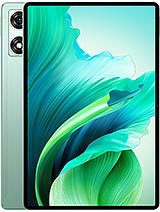
Oukitel OT8 is a budget-tier tablet featuring an 11-inch IPS LCD for expansive media consumption and a Unisoc T606 chipset for reliable day-to-day multitasking, aimed at students and professionals seeking a high-value secondary device. Released in early 2024, it competes directly with entry-level offerings from Lenovo and Samsung by providing significantly more storage and better screen protection than standard rivals.
We often see users struggling with the limitations of a single primary device. The Oukitel OT8 positions itself as the ideal "spare tire" in a digital ecosystem. Most budget tablets sacrifice internal storage, forcing users to rely on slow microSD cards. This model breaks that trend by including 256GB of UFS 2.2 internal storage. UFS 2.2 is an iteration of flash storage that introduces Write Booster technology, which significantly accelerates app installation and startup speeds compared to the older UFS 2.1 or eMMC standards. This makes the device surprisingly snappy for a budget unit.
Imagine a scenario where a primary laptop dies or a smartphone becomes too cramped for a long document. This tablet steps in with enough internal space to host a complete library of offline documents and high-resolution videos without breaking a sweat. The 6GB of RAM ensures that the Android 13 interface remains responsive when switching between a web browser and a note-taking application. While we wouldn't recommend it for heavy video editing, it handles the role of a secondary productivity terminal with ease.
Battery life is the most critical metric for any secondary device. We look for a product that can sit in a backpack for three days and still have enough power for a four-hour flight. The 8800 mAh Li-Po battery is a massive inclusion at this price point. It is not just about the raw capacity; this cell is rated for 1000 cycles. This is a high-durability battery standard indicating that the cell can maintain at least 80% of its health after 1,000 full charge and discharge cycles. For a budget consumer, this translates to longevity, ensuring the tablet doesn't become a paperweight after eighteen months of use.
Charging is handled via an 18W wired connection. At this wattage, refueling the massive 8800 mAh tank is a slow process, likely taking over three hours from empty. However, the efficiency of the Unisoc T606 chipset helps extend the usage time. The T606 is a 12nm entry-level SoC designed for 4G devices, featuring an octa-core configuration optimized for basic efficiency. It utilizes two Cortex-A75 performance cores for heavier tasks and six Cortex-A55 energy-efficient cores for background management. This balance keeps power draw low during standby periods, which is vital for a backup device.
There are software and hardware quirks here that often go unnoticed in marketing materials. The Oukitel OT8 supports a stylus, which is rare in the sub-200 EUR bracket. For students, this turns a cheap screen into a digital notebook. Furthermore, the inclusion of LTE connectivity via a dual Nano-SIM slot means this tablet isn't tethered to Wi-Fi. In our analysis of the network bands, the support for Bands 1, 3, 7, 8, and 20 ensures broad compatibility across European and Asian carriers, providing stable data access in transit.
We also need to discuss the inclusion of a 3.5mm headphone jack. As flagship devices continue to strip away this port, its presence here is a win for value hunters. It allows for lag-free audio without the need for expensive Bluetooth peripherals or dongles. The quad stereo speakers provide a surprising amount of volume. While they lack the deep low-end of a high-end iPad, the separation offered by four distinct drivers makes movie watching a much more immersive experience than the single or dual-speaker setups found on competitors like the [Samsung Galaxy Tab A9](/compact-productivity-champion-why-students-should-buy-the-samsung-galaxy-tab-a9/).
The physical build of the Oukitel OT8 is surprisingly robust for its 7.8 mm thickness. It utilizes Corning Gorilla Glass 5, which is rated at Mohs level 5. This rating on the Mohs scale of mineral hardness indicates high resistance to common metals like keys or coins. It's a significant upgrade over the generic tempered glass often found in this price tier. Additionally, the device carries an EU LabelFree fall Class C rating, meaning it has survived 104 falls from set heights in testing. This gives us confidence in recommending it for younger users or for use in environments where the device might be handled roughly.
The finish of the device is a bit of a fingerprint magnet, particularly in the Gray and Green variants. Users who prefer a clean look will likely want to use a protective case immediately. At 515 g, the tablet has a substantial heft. It feels dense and well-assembled, avoiding the hollow plastic creaking that plagues many ultra-budget tablets. The 81.2% screen-to-body ratio is respectable, providing slim enough bezels to look modern without being so thin that they cause accidental touches.
No device is perfect, and the Oukitel OT8 makes calculated compromises to hit its price target. The 11.0-inch IPS LCD offers a resolution of 1200 x 1920 pixels. While the 206 ppi density is sharp enough for reading, the peak brightness of 350 nits is a limitation. In a brightly lit office or under direct sunlight, the screen struggles to overcome reflections. This is purely an indoor device. The 16:10 aspect ratio is a smart choice, however, as it provides a more cinematic experience for video content compared to the squarer 4:3 ratio found on some competitors.
Under the hood, the Mali-G57 MP1 GPU is a single-core configuration of the Valhall architecture. It provides the essential 3D graphics support needed for basic UI animations and casual games like Subway Surfers or Candy Crush. If the goal is to play Genshin Impact or Call of Duty Mobile at high settings, this hardware will struggle. The frame rates will drop significantly during intensive combat scenarios. For its intended purpose as a media and productivity tool, however, the GPU is perfectly adequate.
From an economist's perspective, the Oukitel OT8 offers a high "Utility-to-Price" ratio. Because it includes 256GB of storage out of the box, it will remain useful for longer than 64GB or 128GB rivals. Storage bloat is a real issue in Android, and having that extra headroom is a form of future-proofing. While the resale value of Oukitel products typically depreciates faster than Apple or Samsung, the low initial entry price of approximately 170 EUR minimizes the total capital risk.
The Oukitel OT8 is a utilitarian workhorse. It doesn't try to be a gaming powerhouse or a professional photo editing suite. Instead, it focuses on being a reliable, durable, and high-capacity secondary screen. For those who need a device for the kids, a dedicated screen for the kitchen, or a backup tablet for travel, this model provides exactly what is needed without the fluff that inflates the price of flagship alternatives. The Oukitel OT8 represents a very calculated investment for the savvy tech buyer in 2024.
The Strategic Backup Solution
We often see users struggling with the limitations of a single primary device. The Oukitel OT8 positions itself as the ideal "spare tire" in a digital ecosystem. Most budget tablets sacrifice internal storage, forcing users to rely on slow microSD cards. This model breaks that trend by including 256GB of UFS 2.2 internal storage. UFS 2.2 is an iteration of flash storage that introduces Write Booster technology, which significantly accelerates app installation and startup speeds compared to the older UFS 2.1 or eMMC standards. This makes the device surprisingly snappy for a budget unit.
Imagine a scenario where a primary laptop dies or a smartphone becomes too cramped for a long document. This tablet steps in with enough internal space to host a complete library of offline documents and high-resolution videos without breaking a sweat. The 6GB of RAM ensures that the Android 13 interface remains responsive when switching between a web browser and a note-taking application. While we wouldn't recommend it for heavy video editing, it handles the role of a secondary productivity terminal with ease.
Endurance for the Long Haul
Battery life is the most critical metric for any secondary device. We look for a product that can sit in a backpack for three days and still have enough power for a four-hour flight. The 8800 mAh Li-Po battery is a massive inclusion at this price point. It is not just about the raw capacity; this cell is rated for 1000 cycles. This is a high-durability battery standard indicating that the cell can maintain at least 80% of its health after 1,000 full charge and discharge cycles. For a budget consumer, this translates to longevity, ensuring the tablet doesn't become a paperweight after eighteen months of use.
Charging is handled via an 18W wired connection. At this wattage, refueling the massive 8800 mAh tank is a slow process, likely taking over three hours from empty. However, the efficiency of the Unisoc T606 chipset helps extend the usage time. The T606 is a 12nm entry-level SoC designed for 4G devices, featuring an octa-core configuration optimized for basic efficiency. It utilizes two Cortex-A75 performance cores for heavier tasks and six Cortex-A55 energy-efficient cores for background management. This balance keeps power draw low during standby periods, which is vital for a backup device.
Hidden Assets in the Spec Sheet
There are software and hardware quirks here that often go unnoticed in marketing materials. The Oukitel OT8 supports a stylus, which is rare in the sub-200 EUR bracket. For students, this turns a cheap screen into a digital notebook. Furthermore, the inclusion of LTE connectivity via a dual Nano-SIM slot means this tablet isn't tethered to Wi-Fi. In our analysis of the network bands, the support for Bands 1, 3, 7, 8, and 20 ensures broad compatibility across European and Asian carriers, providing stable data access in transit.
We also need to discuss the inclusion of a 3.5mm headphone jack. As flagship devices continue to strip away this port, its presence here is a win for value hunters. It allows for lag-free audio without the need for expensive Bluetooth peripherals or dongles. The quad stereo speakers provide a surprising amount of volume. While they lack the deep low-end of a high-end iPad, the separation offered by four distinct drivers makes movie watching a much more immersive experience than the single or dual-speaker setups found on competitors like the [Samsung Galaxy Tab A9](/compact-productivity-champion-why-students-should-buy-the-samsung-galaxy-tab-a9/).
The Real-World Durability Test
The physical build of the Oukitel OT8 is surprisingly robust for its 7.8 mm thickness. It utilizes Corning Gorilla Glass 5, which is rated at Mohs level 5. This rating on the Mohs scale of mineral hardness indicates high resistance to common metals like keys or coins. It's a significant upgrade over the generic tempered glass often found in this price tier. Additionally, the device carries an EU Label
The finish of the device is a bit of a fingerprint magnet, particularly in the Gray and Green variants. Users who prefer a clean look will likely want to use a protective case immediately. At 515 g, the tablet has a substantial heft. It feels dense and well-assembled, avoiding the hollow plastic creaking that plagues many ultra-budget tablets. The 81.2% screen-to-body ratio is respectable, providing slim enough bezels to look modern without being so thin that they cause accidental touches.
The Audio and Visual Trade-offs
No device is perfect, and the Oukitel OT8 makes calculated compromises to hit its price target. The 11.0-inch IPS LCD offers a resolution of 1200 x 1920 pixels. While the 206 ppi density is sharp enough for reading, the peak brightness of 350 nits is a limitation. In a brightly lit office or under direct sunlight, the screen struggles to overcome reflections. This is purely an indoor device. The 16:10 aspect ratio is a smart choice, however, as it provides a more cinematic experience for video content compared to the squarer 4:3 ratio found on some competitors.
Under the hood, the Mali-G57 MP1 GPU is a single-core configuration of the Valhall architecture. It provides the essential 3D graphics support needed for basic UI animations and casual games like Subway Surfers or Candy Crush. If the goal is to play Genshin Impact or Call of Duty Mobile at high settings, this hardware will struggle. The frame rates will drop significantly during intensive combat scenarios. For its intended purpose as a media and productivity tool, however, the GPU is perfectly adequate.
Resale Value and Long-Term Outlook
From an economist's perspective, the Oukitel OT8 offers a high "Utility-to-Price" ratio. Because it includes 256GB of storage out of the box, it will remain useful for longer than 64GB or 128GB rivals. Storage bloat is a real issue in Android, and having that extra headroom is a form of future-proofing. While the resale value of Oukitel products typically depreciates faster than Apple or Samsung, the low initial entry price of approximately 170 EUR minimizes the total capital risk.
The Oukitel OT8 is a utilitarian workhorse. It doesn't try to be a gaming powerhouse or a professional photo editing suite. Instead, it focuses on being a reliable, durable, and high-capacity secondary screen. For those who need a device for the kids, a dedicated screen for the kitchen, or a backup tablet for travel, this model provides exactly what is needed without the fluff that inflates the price of flagship alternatives. The Oukitel OT8 represents a very calculated investment for the savvy tech buyer in 2024.
Technical Specifications
| LAUNCH | |
|---|---|
| Announced | 2024, January 06 |
| Status | Available. Released 2024, January |
| PLATFORM | |
| OS | Android 13 |
| Chipset | Unisoc T606 (12 nm) |
| CPU | Octa-core (2x1.6 GHz Cortex-A75 & 6x1.6 GHz Cortex-A55) |
| GPU | Mali-G57 MP1 |
| BODY | |
| Dimensions | 256.8 x 168.3 x 7.8 mm (10.11 x 6.63 x 0.31 in) |
| Weight | 515 g (1.14 lb) |
| SIM | Nano-SIM + Nano-SIM |
| Info | Stylus support |
| DISPLAY | |
| Type | IPS LCD, 350 nits |
| Size | 11.0 inches, 350.9 cm2 (~81.2% screen-to-body ratio) |
| Resolution | 1200 x 1920 pixels, 16:10 ratio (~206 ppi density) |
| Protection | Corning Gorilla Glass 5, Mohs level 5 |
| MEMORY | |
| Card slot | microSDXC (uses shared SIM slot) |
| Internal | 256GB 6GB RAM |
| Info | UFS 2.2 |
| MAIN CAMERA | |
| Single | 13 MP, f/2.2, (wide), 1/3.06", AF |
| Features | LED flash, panorama, HDR |
| Video | 1080p@30fps |
| SELFIE CAMERA | |
| Single | 8 MP, f/2.2, (wide), 1/4.0" |
| Features | HDR |
| Video | 720p@30fps |
| SOUND | |
| Loudspeaker | Yes, with stereo speakers (4 speakers) |
| 3.5mm jack | Yes |
| COMMS | |
| WLAN | Wi-Fi 802.11 a/b/g/n/ac, dual-band |
| Bluetooth | 5.0, A2DP, LE |
| Positioning | GPS, GLONASS, GALILEO, BDS |
| NFC | No |
| Radio | No |
| USB | USB Type-C 2.0 |
| NETWORK | |
| Technology | GSM / HSPA / LTE |
| 2G bands | GSM 850 / 900 / 1800 / 1900 |
| 3G bands | HSDPA 900 / 2100 |
| 4G bands | 1, 3, 7, 8, 19, 20, 38, 39, 40, 41 |
| Speed | HSPA, LTE |
| FEATURES | |
| Sensors | Accelerometer |
| BATTERY | |
| Type | Li-Po 8800 mAh |
| Charging | 18W wired |
| MISC | |
| Display | 11.0-inch IPS LCD, 1200 x 1920 pixels, 350 nits |
| Chipset | Unisoc T606 (12 nm) Octa-core |
| Storage/RAM | 256GB UFS 2.2, 6GB RAM |
| Battery | 8800 mAh Li-Po, 18W Wired Charging |
| Protection | Corning Gorilla Glass 5, Mohs Level 5 |
| Main Camera | 13 MP, f/2.2, 1080p@30fps |
| Selfie Camera | 8 MP, f/2.2, 720p@30fps |
| Audio | Quad Stereo Speakers, 3.5mm Jack |
| Weight | 515 g (1.14 lb) |
| Colors | Gray, Green, Purple |
| Price | About 170 EUR |
| EU LABEL | |
| Energy | Class E |
| Battery | 114:00h endurance, 1000 cycles |
| Free fall | Class C (104 falls) |
| Repairability | Class B |