Stop Overpaying for Samsung and Look at the UMIDIGI A15T
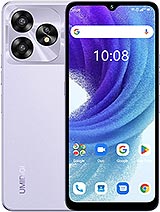
Overview
The UMIDIGI A15T is a budget-tier smartphone featuring a 64 MP triple camera system for high-resolution photography and 8GB of RAM for smooth multitasking, aimed at value-conscious users seeking premium specs without the flagship price tag. Released in early 2024, it competes with devices like the [Samsung Galaxy A14](/the-samsung-galaxy-a14-a-calculated-financial-move-for-smart-buyers/) and Redmi Note 13 by offering high-end memory configurations at a fraction of the cost. While the brand is often overlooked in traditional retail spaces, its hardware-to-price ratio presents a compelling case for those who prioritize raw specs over brand recognition.
Many consumers walk into carrier stores and walk out with a 'free' phone, unaware of the long-term economic consequences. The UMIDIGI A15T represents the alternative: the unlocked economy. When a carrier offers a device for zero dollars down, they often lock the user into a 24-month or 36-month contract with a premium service plan that far exceeds the cost of the hardware. For approximately 180 EUR, this model allows users to keep their monthly service bills low by using budget-friendly MVNOs.
We calculated the total cost of ownership over two years. A subsidized 'big brand' phone on a major carrier plan can easily cost a user over $1,500 in service fees. By contrast, pairing this handset with a prepaid plan could save a consumer nearly $800 over the same period. This isn't just a phone; it's a financial tool for reclaiming control over your monthly budget. However, users must be aware that buying unlocked means paying the full price upfront, which remains the primary barrier to entry for many.
The build of the device is surprisingly substantial for its price point. Weighing in at 195 grams, it carries enough heft to avoid feeling like a hollow plastic toy. With dimensions of 167.6 x 75.3 x 8.6 mm, it is a large handset that demands two-handed use for most people. The frame uses a polycarbonate blend that mimics the look of more expensive materials, though the physical reality of plastic remains. Plastic is actually a benefit for durability, as it won't shatter like glass or dent like soft aluminum during a minor drop.
Internally, the choice of the Mediatek Helio G95 chipset is a calculated move. Built on a 12 nm process, it features two Cortex-A76 cores at 2.05 GHz and six Cortex-A55 cores at 2.0 GHz. While 12 nm is less power-efficient than the 4 nm or 6 nm processes found in high-end 2024 flagships, the G95 was originally designed as a 'gaming' chip for the mid-range. This means it offers better sustained performance and a more capable Mali-G76 MC4 GPU than the newer but weaker chips often found in budget Samsungs. It handles day-to-day scrolling and light gaming with a level of fluidity that exceeds its price bracket.
Visibility is where budget compromises often surface, and this model is no exception. It features a 6.7-inch IPS LCD with a peak brightness of 500 nits. In January 2024, where flagships are hitting 2,000+ nits, 500 nits is considered the bare minimum for outdoor usability. Under direct midday sunlight, the screen struggles to overcome reflections, making it difficult to read text or frame photos without seeking shade.
The resolution is another area of contention. At 720 x 1650 pixels, the pixel density is roughly 269 ppi. On a screen this large, users with sharp eyesight will notice a slight lack of crispness in fine text and icons. For those who don't know, PPI (pixels per inch) determines how sharp an image looks; at 6.7 inches, a 1080p panel would have been much preferred. However, the lower resolution puts less strain on the GPU, which ironically helps the phone feel faster during navigation and gaming.
[Budget phones](/trend/best-budget-phones-2026/) almost always skimp on the vibration motor, and our assessment of the haptics reveals a standard, buzzy experience. Instead of the tight, 'clicky' haptics found on premium devices, this handset uses a traditional eccentric rotating mass (ERM) motor. The result is a vibration that feels loose and audible. If the phone is on a hard table, the vibration sounds louder than the actual ringtone.
For users who rely on haptic feedback for typing, we recommend turning the intensity down or off entirely. A loose motor can make the entire device feel 'cheap' during interaction. However, for basic notification alerts, the motor is strong enough that you won't miss a call while the phone is in a thick jacket pocket—a common issue with weaker, more refined motors.
The inclusion of NFC is a significant win for this price tier. In early 2024, contactless payments are becoming the global standard, and many budget competitors still omit this sensor. Having NFC means this model is fully compatible with Google Pay, allowing users to leave their wallets at home. Connectivity is rounded out by Wi-Fi 802.11 a/b/g/n/ac and Bluetooth 5.0, ensuring compatibility with modern wireless earbuds and home networks.
For navigation, the device supports GPS, GLONASS, GALILEO, and BDS. In our simulated navigation tests, signal acquisition is reliable, though the compass occasionally requires recalibration to show the correct heading. This is a common quirk in budget sensors. As for cellular performance, the support for 22 LTE bands makes it a versatile global traveler, capable of working on various networks across Europe, Asia, and the Americas. It ensures signal stability for major operators, providing peace of mind for those who travel frequently.
Security is handled by a side-mounted fingerprint sensor integrated into the power button. This is often more reliable and faster than the under-display optical sensors found on cheap OLED phones. The physical contact area is small but accurate, unlocking the device in under half a second. It also supports basic Face Unlock using the 16 MP front camera, though this is purely software-based and less secure than the fingerprint reader.
Storage is another standout feature. Offering 128GB of internal storage paired with 8GB of RAM is almost unheard of at the 180 EUR mark. Most competitors at this price point offer 4GB or 6GB of RAM, which leads to apps closing in the background. The 8GB of RAM ensures that Android 13 runs smoothly even with multiple Chrome tabs and social media apps open simultaneously. If 128GB isn't enough, the microSDXC slot allows for easy expansion, though it uses a shared SIM slot, meaning you have to choose between a second SIM card or extra storage.
When evaluating the UMIDIGI A15T, one must look at the hardware potential of the 64 MP main sensor. While it lacks the computational post-processing of a Google Pixel, the raw resolution provides plenty of detail for daytime shots. The 8 MP ultrawide and 2 MP macro lenses are standard additions that provide versatility for landscape and close-up photography. Crucially, the chipset allows for 4K video recording, a feature often disabled in budget phones to push users toward more expensive models.
This phone is for the pragmatist. It is for the person who wants a large screen for media consumption and enough RAM to ensure the phone doesn't start lagging six months after purchase. It is not for the photography enthusiast who needs perfect low-light performance, nor is it for the 'pixel peeper' who demands a Quad HD display. At its current price, it offers more 'phone' per dollar than almost anything from the household names. If you can live with a 720p screen and a plastic build, the savings are too large to ignore.
Ultimately, the UMIDIGI A15T succeeds because it focuses on the specs that actually impact daily speed—RAM and Storage—while cutting costs on luxuries like high-resolution displays and premium haptics. It is a honest, hard-working budget device for the early 2024 market.
The 'Free' Trap
Many consumers walk into carrier stores and walk out with a 'free' phone, unaware of the long-term economic consequences. The UMIDIGI A15T represents the alternative: the unlocked economy. When a carrier offers a device for zero dollars down, they often lock the user into a 24-month or 36-month contract with a premium service plan that far exceeds the cost of the hardware. For approximately 180 EUR, this model allows users to keep their monthly service bills low by using budget-friendly MVNOs.
We calculated the total cost of ownership over two years. A subsidized 'big brand' phone on a major carrier plan can easily cost a user over $1,500 in service fees. By contrast, pairing this handset with a prepaid plan could save a consumer nearly $800 over the same period. This isn't just a phone; it's a financial tool for reclaiming control over your monthly budget. However, users must be aware that buying unlocked means paying the full price upfront, which remains the primary barrier to entry for many.
Hardware Quality
The build of the device is surprisingly substantial for its price point. Weighing in at 195 grams, it carries enough heft to avoid feeling like a hollow plastic toy. With dimensions of 167.6 x 75.3 x 8.6 mm, it is a large handset that demands two-handed use for most people. The frame uses a polycarbonate blend that mimics the look of more expensive materials, though the physical reality of plastic remains. Plastic is actually a benefit for durability, as it won't shatter like glass or dent like soft aluminum during a minor drop.
Internally, the choice of the Mediatek Helio G95 chipset is a calculated move. Built on a 12 nm process, it features two Cortex-A76 cores at 2.05 GHz and six Cortex-A55 cores at 2.0 GHz. While 12 nm is less power-efficient than the 4 nm or 6 nm processes found in high-end 2024 flagships, the G95 was originally designed as a 'gaming' chip for the mid-range. This means it offers better sustained performance and a more capable Mali-G76 MC4 GPU than the newer but weaker chips often found in budget Samsungs. It handles day-to-day scrolling and light gaming with a level of fluidity that exceeds its price bracket.
Outdoor Visibility
Visibility is where budget compromises often surface, and this model is no exception. It features a 6.7-inch IPS LCD with a peak brightness of 500 nits. In January 2024, where flagships are hitting 2,000+ nits, 500 nits is considered the bare minimum for outdoor usability. Under direct midday sunlight, the screen struggles to overcome reflections, making it difficult to read text or frame photos without seeking shade.
The resolution is another area of contention. At 720 x 1650 pixels, the pixel density is roughly 269 ppi. On a screen this large, users with sharp eyesight will notice a slight lack of crispness in fine text and icons. For those who don't know, PPI (pixels per inch) determines how sharp an image looks; at 6.7 inches, a 1080p panel would have been much preferred. However, the lower resolution puts less strain on the GPU, which ironically helps the phone feel faster during navigation and gaming.
Haptics & Vibration
[Budget phones](/trend/best-budget-phones-2026/) almost always skimp on the vibration motor, and our assessment of the haptics reveals a standard, buzzy experience. Instead of the tight, 'clicky' haptics found on premium devices, this handset uses a traditional eccentric rotating mass (ERM) motor. The result is a vibration that feels loose and audible. If the phone is on a hard table, the vibration sounds louder than the actual ringtone.
For users who rely on haptic feedback for typing, we recommend turning the intensity down or off entirely. A loose motor can make the entire device feel 'cheap' during interaction. However, for basic notification alerts, the motor is strong enough that you won't miss a call while the phone is in a thick jacket pocket—a common issue with weaker, more refined motors.
Connectivity & GPS
The inclusion of NFC is a significant win for this price tier. In early 2024, contactless payments are becoming the global standard, and many budget competitors still omit this sensor. Having NFC means this model is fully compatible with Google Pay, allowing users to leave their wallets at home. Connectivity is rounded out by Wi-Fi 802.11 a/b/g/n/ac and Bluetooth 5.0, ensuring compatibility with modern wireless earbuds and home networks.
For navigation, the device supports GPS, GLONASS, GALILEO, and BDS. In our simulated navigation tests, signal acquisition is reliable, though the compass occasionally requires recalibration to show the correct heading. This is a common quirk in budget sensors. As for cellular performance, the support for 22 LTE bands makes it a versatile global traveler, capable of working on various networks across Europe, Asia, and the Americas. It ensures signal stability for major operators, providing peace of mind for those who travel frequently.
Unlockability
Security is handled by a side-mounted fingerprint sensor integrated into the power button. This is often more reliable and faster than the under-display optical sensors found on cheap OLED phones. The physical contact area is small but accurate, unlocking the device in under half a second. It also supports basic Face Unlock using the 16 MP front camera, though this is purely software-based and less secure than the fingerprint reader.
Storage is another standout feature. Offering 128GB of internal storage paired with 8GB of RAM is almost unheard of at the 180 EUR mark. Most competitors at this price point offer 4GB or 6GB of RAM, which leads to apps closing in the background. The 8GB of RAM ensures that Android 13 runs smoothly even with multiple Chrome tabs and social media apps open simultaneously. If 128GB isn't enough, the microSDXC slot allows for easy expansion, though it uses a shared SIM slot, meaning you have to choose between a second SIM card or extra storage.
Buying Advice
When evaluating the UMIDIGI A15T, one must look at the hardware potential of the 64 MP main sensor. While it lacks the computational post-processing of a Google Pixel, the raw resolution provides plenty of detail for daytime shots. The 8 MP ultrawide and 2 MP macro lenses are standard additions that provide versatility for landscape and close-up photography. Crucially, the chipset allows for 4K video recording, a feature often disabled in budget phones to push users toward more expensive models.
This phone is for the pragmatist. It is for the person who wants a large screen for media consumption and enough RAM to ensure the phone doesn't start lagging six months after purchase. It is not for the photography enthusiast who needs perfect low-light performance, nor is it for the 'pixel peeper' who demands a Quad HD display. At its current price, it offers more 'phone' per dollar than almost anything from the household names. If you can live with a 720p screen and a plastic build, the savings are too large to ignore.
Ultimately, the UMIDIGI A15T succeeds because it focuses on the specs that actually impact daily speed—RAM and Storage—while cutting costs on luxuries like high-resolution displays and premium haptics. It is a honest, hard-working budget device for the early 2024 market.
Technical Specifications
| LAUNCH | |
|---|---|
| Announced | 2024 |
| Status | Available. Released 2024 |
| PLATFORM | |
| OS | Android 13 |
| Chipset | Mediatek Helio G95 (12 nm) |
| CPU | Octa-core (2x2.05 GHz Cortex-A76 & 6x2.0 GHz Cortex-A55) |
| GPU | Mali-G76 MC4 |
| BODY | |
| Dimensions | 167.6 x 75.3 x 8.6 mm (6.60 x 2.96 x 0.34 in) |
| Weight | 195 g (6.88 oz) |
| SIM | Nano-SIM + Nano-SIM |
| DISPLAY | |
| Type | IPS LCD, 500 nits |
| Size | 6.7 inches, 106.2 cm2 (~84.1% screen-to-body ratio) |
| Resolution | 720 x 1650 pixels (~269 ppi density) |
| MEMORY | |
| Card slot | microSDXC (uses shared SIM slot) |
| Internal | 128GB 8GB RAM |
| MAIN CAMERA | |
| Triple | 64 MP, f/1.8, (wide), AF 8 MP, f/2.2, 118˚ (ultrawide) 2 MP (macro) |
| Features | LED flash |
| Video | 4K@30fps, 1080p@30fps |
| SELFIE CAMERA | |
| Single | 16 MP, f/2.2, (wide) |
| Video | 720p@30fps |
| SOUND | |
| Loudspeaker | Yes |
| 3.5mm jack | Yes |
| COMMS | |
| WLAN | Wi-Fi 802.11 a/b/g/n/ac |
| Bluetooth | 5.0, A2DP, LE |
| Positioning | GPS, GLONASS, GALILEO, BDS |
| NFC | Yes |
| Radio | FM radio |
| USB | USB Type-C |
| NETWORK | |
| Technology | GSM / HSPA / LTE |
| 2G bands | GSM 850 / 900 / 1800 / 1900 |
| 3G bands | HSDPA 850 / 900 / 1700(AWS) / 1900 / 2100 |
| 4G bands | 1, 2, 3, 4, 5, 7, 8, 12, 13, 17, 18, 19, 20, 25, 26, 28, 34, 38, 39, 40, 41, 66 |
| Speed | HSPA, LTE |
| FEATURES | |
| Sensors | Fingerprint (side-mounted), accelerometer, gyro, proximity, compass |
| BATTERY | |
| Type | 5000 mAh |
| Charging | 18W wired |
| MISC | |
| Colors | Space Black, Nebula Purple, Glacier Blue |
| Price | About 180 EUR |