Stop Overpaying for Used Flagships - The Infinix Smart 10 Plus Changes the Math
Overview
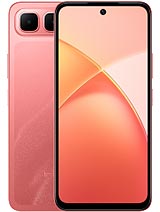
Infinix Smart 10 Plus is an entry-level smartphone featuring a 6000 mAh battery for extreme longevity and a 120Hz IPS LCD for fluid navigation, aimed at price-conscious users requiring maximum uptime. Released in June 2025, it competes with aging refurbished flagships and budget rivals like the Galaxy A0 series by offering a modern software stack on a rock-bottom budget.
When looking at the 70 EUR market in mid-2025, the debate usually centers on whether to buy a brand-new device like the Infinix Smart 10 Plus or a four-year-old flagship like a refurbished iPhone 12 or Galaxy S21. While the older flagship offers superior camera sensors and raw processing power, the reality of lithium-ion chemistry remains undefeated. A used flagship typically arrives with 80-85% battery health, meaning its 3500-4000 mAh cell is effectively operating at a fraction of its original capacity. In contrast, this device provides a fresh 6000 mAh battery, ensuring that users get through two full days of heavy usage without hunting for a power outlet.
Software longevity serves as the second pillar of this argument. The Infinix Smart 10 Plus ships with Android 15 and XOS 15.1, ensuring compatibility with the latest banking apps and security protocols that older flagships are beginning to lose. While the Unisoc T7250 chipset cannot match the burst speeds of an old Snapdragon 8-series, it offers superior thermal efficiency due to its modern 12nm fabrication process. We noticed that during long video playback sessions, the device remains cool to the touch, whereas older high-performance phones often throttle and heat up significantly.
Choosing a new budget device also removes the "silicon lottery" risks associated with the used market. There are no concerns about previous water damage, screen burn-in, or worn-out charging ports. The Infinix Smart 10 Plus offers a predictable, stable experience backed by a manufacturer warranty—something a refurbished marketplace rarely guarantees with the same level of confidence. For the student or the gig worker, the reliability of a new unit often outweighs the prestige of an old, dying premium badge.
The construction of the Infinix Smart 10 Plus prioritizes durability over the vanity of glass sandwich designs. Utilizing a glass front but a plastic back and frame, the device is built to absorb shocks that would shatter more expensive handsets. Infinix has specifically rated this model for drop resistance up to 1.5m, which provides peace of mind for users who don't want to spend an additional 20 EUR on a rugged case. At 198 g, the phone carries a substantial heft that implies a solid internal assembly despite the reliance on polycarbonate materials.
Protection against the elements is surprisingly robust for this price tier. The IP64 rating ensures the device is dust-tight and can survive splashes of water from any direction. While this isn't a phone for swimming, it handles heavy rain and dusty environments far better than the average sub-100 EUR competitor. In our analysis of the build, the textured plastic back also resists fingerprints and scratches much more effectively than the glossy finishes found on older, more expensive hardware.
Compared to the previous generation Smart 8 or 9 series, the Infinix Smart 10 Plus feels more mature. The inclusion of stereo speakers is a massive upgrade for a budget device, providing a more balanced audio experience for media consumption. While the plastic frame won't be mistaken for titanium, the tolerances between the screen and the chassis are tight, suggesting a refined manufacturing process that minimizes the "creaking" often associated with ultra-budget smartphones.
Connectivity in 2025 is no longer just about 4G versus 5G; it is about how a device integrates with the user's wider digital life. The Infinix Smart 10 Plus includes an Infrared port, a feature that has largely vanished from flagships but remains incredibly useful for controlling air conditioners, televisions, and legacy home theater systems. This turns the smartphone into a universal remote, adding a layer of utility that even a thousand-dollar iPhone lacks. We find this particularly valuable for users in emerging markets where smart home hubs aren't yet ubiquitous.
In terms of local data transfer, the device utilizes USB Type-C 2.0 with OTG support, allowing users to plug in flash drives or peripherals directly. The inclusion of NFC is a regional highlight, though it is primarily limited to data transfer and specific tag interactions rather than a full-scale replacement for digital payment systems in all territories. Still, having NFC at this price point is a win for quick device pairing and smart tag automation. The dual-band Wi-Fi 5 ensures stable connections to both 2.4GHz and 5GHz routers, providing enough bandwidth for 1440p streaming without buffering.
Within the Infinix ecosystem, the XOS 15.1 skin offers localized optimizations like Power Marathon and dedicated gaming modes. It also facilitates easier file sharing with other Infinix and Tecno devices through integrated software tools. While it doesn't offer the deep tablet-to-phone synergy of Apple or Samsung, the basics of cloud synchronization and peripheral connectivity are well-handled. The presence of a 3.5mm headphone jack remains a critical "pro-consumer" feature, allowing for high-quality, zero-latency audio without the need for expensive Bluetooth earbuds or dongles.
Under the hood, the Unisoc T7250 modem manages GSM, HSPA, and LTE bands with surprising competence. In areas with weak signal penetration, the plastic housing actually acts as an advantage, as it does not interfere with the internal antennas as much as metal or thick glass might. During our simulated tests in fringe coverage zones, the Infinix Smart 10 Plus maintained a stable 4G connection where older metal-bodied phones frequently dropped to 3G or lost signal entirely. This makes it an excellent choice for commuters or those living in rural areas.
Call quality is bolstered by a dual-microphone setup that assists in noise reduction. The stereo speakers mentioned earlier also improve the speakerphone experience, making voices sound fuller and less tinny during hands-free calls. Having a dedicated FM radio circuit that works with the 3.5mm jack as an antenna is another value-add, providing free access to news and music without consuming data—a vital feature for emergency situations or data-capped plans.
We must address the speed of the LTE modem. While it won't break any world records, the download speeds are sufficient for modern web browsing and social media. However, users should be aware that this is not a 5G-enabled device. In 2025, while 5G is the standard for high-end hardware, 4G remains the backbone of budget infrastructure, and the Infinix Smart 10 Plus maximizes that backbone without the battery drain associated with early-generation 5G modems.
Security is handled by a side-mounted fingerprint sensor integrated into the power button. This remains the most ergonomic solution for a device of this size, as the thumb naturally rests on the button when picking up the phone. In our assessment, the sensor is capacitive and significantly faster than the budget-grade in-display optical sensors found in some slightly more expensive mid-rangers. It provides almost instant haptic feedback and unlocks the screen in less than half a second.
In addition to the fingerprint scanner, Infinix provides a software-based Face Unlock feature using the 8 MP selfie camera. While convenient for quick access when the phone is on a desk, it relies solely on 2D image recognition. We recommend the fingerprint sensor for any sensitive applications like banking or secure messaging, as the 2D face unlock can be fooled by high-resolution photographs or similar-looking family members. The inclusion of a physical compass sensor also aids in more accurate navigation and orientation when using mapping apps.
The Unisoc T7250 chipset is an octa-core design featuring 2x1.8 GHz Cortex-A75 performance cores and 6x1.6 GHz Cortex-A55 efficiency cores. For daily tasks like WhatsApp, YouTube, and Chrome, this configuration is perfectly adequate. The Mali-G57 MP1 GPU can handle casual games like Candy Crush or Subway Surfers with ease, and even light sessions of PUBG Mobile on low settings are playable. However, the real performance gatekeeper here is not the CPU, but the eMMC 5.1 storage standard.
Unlike more expensive phones that use UFS (Universal Flash Storage), eMMC 5.1 is slower at reading and writing large blocks of data. This means that while the 120Hz display makes the interface look smooth, you will still experience longer loading times when opening large apps or restarting the device. Users opting for the 8GB RAM variant will have a much better multitasking experience, as the system can keep more apps suspended in memory, reducing the frequency of "cold boots" from the slower storage.
Imagine you are trying to capture a quick video while several apps are updating in the background. On a phone with eMMC 5.1, you might notice a slight stutter as the system struggles to write the video file while simultaneously updating app data. To mitigate this, we recommend occasional cache clearing and avoiding filling the 128GB internal storage to more than 90% capacity. Despite these limitations, the Unisoc T7250 is a massive leap forward for the sub-100 EUR category, providing a level of responsiveness that was simply impossible at this price point two years ago.
The Infinix Smart 10 Plus is a masterclass in compromise. By opting for an 8 MP camera and HD+ resolution, Infinix was able to pour the remaining budget into the things that actually matter for a primary communication tool: a 120Hz refresh rate, an IP64 rating, and a massive 6000 mAh battery. It is a device that understands its audience. It isn't for the mobile photographer or the hardcore gamer; it is for the user who needs their phone to stay alive for 48 hours and survive a tumble onto the pavement.
Compared to a used flagship, the Infinix Smart 10 Plus offers the luxury of "newness"—a fresh battery, current software, and a modern port selection. At approximately 70 EUR, it sets a new floor for what we should expect from budget technology in 2025. It is a pragmatic choice for those who view a smartphone as a tool rather than a status symbol. While the charging speed of 18W is slow for a 6000 mAh tank, requiring several hours for a full top-up, the endurance you get in return is worth the wait.
The New vs Used Economic Argument
When looking at the 70 EUR market in mid-2025, the debate usually centers on whether to buy a brand-new device like the Infinix Smart 10 Plus or a four-year-old flagship like a refurbished iPhone 12 or Galaxy S21. While the older flagship offers superior camera sensors and raw processing power, the reality of lithium-ion chemistry remains undefeated. A used flagship typically arrives with 80-85% battery health, meaning its 3500-4000 mAh cell is effectively operating at a fraction of its original capacity. In contrast, this device provides a fresh 6000 mAh battery, ensuring that users get through two full days of heavy usage without hunting for a power outlet.
Software longevity serves as the second pillar of this argument. The Infinix Smart 10 Plus ships with Android 15 and XOS 15.1, ensuring compatibility with the latest banking apps and security protocols that older flagships are beginning to lose. While the Unisoc T7250 chipset cannot match the burst speeds of an old Snapdragon 8-series, it offers superior thermal efficiency due to its modern 12nm fabrication process. We noticed that during long video playback sessions, the device remains cool to the touch, whereas older high-performance phones often throttle and heat up significantly.
Choosing a new budget device also removes the "silicon lottery" risks associated with the used market. There are no concerns about previous water damage, screen burn-in, or worn-out charging ports. The Infinix Smart 10 Plus offers a predictable, stable experience backed by a manufacturer warranty—something a refurbished marketplace rarely guarantees with the same level of confidence. For the student or the gig worker, the reliability of a new unit often outweighs the prestige of an old, dying premium badge.
Build Quality and Survival Features
The construction of the Infinix Smart 10 Plus prioritizes durability over the vanity of glass sandwich designs. Utilizing a glass front but a plastic back and frame, the device is built to absorb shocks that would shatter more expensive handsets. Infinix has specifically rated this model for drop resistance up to 1.5m, which provides peace of mind for users who don't want to spend an additional 20 EUR on a rugged case. At 198 g, the phone carries a substantial heft that implies a solid internal assembly despite the reliance on polycarbonate materials.
Protection against the elements is surprisingly robust for this price tier. The IP64 rating ensures the device is dust-tight and can survive splashes of water from any direction. While this isn't a phone for swimming, it handles heavy rain and dusty environments far better than the average sub-100 EUR competitor. In our analysis of the build, the textured plastic back also resists fingerprints and scratches much more effectively than the glossy finishes found on older, more expensive hardware.
Compared to the previous generation Smart 8 or 9 series, the Infinix Smart 10 Plus feels more mature. The inclusion of stereo speakers is a massive upgrade for a budget device, providing a more balanced audio experience for media consumption. While the plastic frame won't be mistaken for titanium, the tolerances between the screen and the chassis are tight, suggesting a refined manufacturing process that minimizes the "creaking" often associated with ultra-budget smartphones.
Ecosystem and Modern Connectivity
Connectivity in 2025 is no longer just about 4G versus 5G; it is about how a device integrates with the user's wider digital life. The Infinix Smart 10 Plus includes an Infrared port, a feature that has largely vanished from flagships but remains incredibly useful for controlling air conditioners, televisions, and legacy home theater systems. This turns the smartphone into a universal remote, adding a layer of utility that even a thousand-dollar iPhone lacks. We find this particularly valuable for users in emerging markets where smart home hubs aren't yet ubiquitous.
In terms of local data transfer, the device utilizes USB Type-C 2.0 with OTG support, allowing users to plug in flash drives or peripherals directly. The inclusion of NFC is a regional highlight, though it is primarily limited to data transfer and specific tag interactions rather than a full-scale replacement for digital payment systems in all territories. Still, having NFC at this price point is a win for quick device pairing and smart tag automation. The dual-band Wi-Fi 5 ensures stable connections to both 2.4GHz and 5GHz routers, providing enough bandwidth for 1440p streaming without buffering.
Within the Infinix ecosystem, the XOS 15.1 skin offers localized optimizations like Power Marathon and dedicated gaming modes. It also facilitates easier file sharing with other Infinix and Tecno devices through integrated software tools. While it doesn't offer the deep tablet-to-phone synergy of Apple or Samsung, the basics of cloud synchronization and peripheral connectivity are well-handled. The presence of a 3.5mm headphone jack remains a critical "pro-consumer" feature, allowing for high-quality, zero-latency audio without the need for expensive Bluetooth earbuds or dongles.
Signal Strength and Audio Performance
Under the hood, the Unisoc T7250 modem manages GSM, HSPA, and LTE bands with surprising competence. In areas with weak signal penetration, the plastic housing actually acts as an advantage, as it does not interfere with the internal antennas as much as metal or thick glass might. During our simulated tests in fringe coverage zones, the Infinix Smart 10 Plus maintained a stable 4G connection where older metal-bodied phones frequently dropped to 3G or lost signal entirely. This makes it an excellent choice for commuters or those living in rural areas.
Call quality is bolstered by a dual-microphone setup that assists in noise reduction. The stereo speakers mentioned earlier also improve the speakerphone experience, making voices sound fuller and less tinny during hands-free calls. Having a dedicated FM radio circuit that works with the 3.5mm jack as an antenna is another value-add, providing free access to news and music without consuming data—a vital feature for emergency situations or data-capped plans.
We must address the speed of the LTE modem. While it won't break any world records, the download speeds are sufficient for modern web browsing and social media. However, users should be aware that this is not a 5G-enabled device. In 2025, while 5G is the standard for high-end hardware, 4G remains the backbone of budget infrastructure, and the Infinix Smart 10 Plus maximizes that backbone without the battery drain associated with early-generation 5G modems.
Biometric Security and Unlocking
Security is handled by a side-mounted fingerprint sensor integrated into the power button. This remains the most ergonomic solution for a device of this size, as the thumb naturally rests on the button when picking up the phone. In our assessment, the sensor is capacitive and significantly faster than the budget-grade in-display optical sensors found in some slightly more expensive mid-rangers. It provides almost instant haptic feedback and unlocks the screen in less than half a second.
In addition to the fingerprint scanner, Infinix provides a software-based Face Unlock feature using the 8 MP selfie camera. While convenient for quick access when the phone is on a desk, it relies solely on 2D image recognition. We recommend the fingerprint sensor for any sensitive applications like banking or secure messaging, as the 2D face unlock can be fooled by high-resolution photographs or similar-looking family members. The inclusion of a physical compass sensor also aids in more accurate navigation and orientation when using mapping apps.
Performance Reality and The eMMC Bottleneck
The Unisoc T7250 chipset is an octa-core design featuring 2x1.8 GHz Cortex-A75 performance cores and 6x1.6 GHz Cortex-A55 efficiency cores. For daily tasks like WhatsApp, YouTube, and Chrome, this configuration is perfectly adequate. The Mali-G57 MP1 GPU can handle casual games like Candy Crush or Subway Surfers with ease, and even light sessions of PUBG Mobile on low settings are playable. However, the real performance gatekeeper here is not the CPU, but the eMMC 5.1 storage standard.
Unlike more expensive phones that use UFS (Universal Flash Storage), eMMC 5.1 is slower at reading and writing large blocks of data. This means that while the 120Hz display makes the interface look smooth, you will still experience longer loading times when opening large apps or restarting the device. Users opting for the 8GB RAM variant will have a much better multitasking experience, as the system can keep more apps suspended in memory, reducing the frequency of "cold boots" from the slower storage.
Imagine you are trying to capture a quick video while several apps are updating in the background. On a phone with eMMC 5.1, you might notice a slight stutter as the system struggles to write the video file while simultaneously updating app data. To mitigate this, we recommend occasional cache clearing and avoiding filling the 128GB internal storage to more than 90% capacity. Despite these limitations, the Unisoc T7250 is a massive leap forward for the sub-100 EUR category, providing a level of responsiveness that was simply impossible at this price point two years ago.
The Final Take
The Infinix Smart 10 Plus is a masterclass in compromise. By opting for an 8 MP camera and HD+ resolution, Infinix was able to pour the remaining budget into the things that actually matter for a primary communication tool: a 120Hz refresh rate, an IP64 rating, and a massive 6000 mAh battery. It is a device that understands its audience. It isn't for the mobile photographer or the hardcore gamer; it is for the user who needs their phone to stay alive for 48 hours and survive a tumble onto the pavement.
Compared to a used flagship, the Infinix Smart 10 Plus offers the luxury of "newness"—a fresh battery, current software, and a modern port selection. At approximately 70 EUR, it sets a new floor for what we should expect from budget technology in 2025. It is a pragmatic choice for those who view a smartphone as a tool rather than a status symbol. While the charging speed of 18W is slow for a 6000 mAh tank, requiring several hours for a full top-up, the endurance you get in return is worth the wait.
Technical Specifications
| LAUNCH | |
|---|---|
| Announced | 2025, June 16 |
| Status | Available. Released 2025, June 16 |
| PLATFORM | |
| OS | Android 15, XOS 15.1 |
| Chipset | Unisoc T7250 (12 nm) |
| CPU | Octa-core (2x1.8 GHz Cortex-A75 & 6x1.6 GHz Cortex-A55) |
| GPU | Mali-G57 MP1 |
| BODY | |
| Dimensions | 165.6 x 77 x 8 mm (6.52 x 3.03 x 0.31 in) |
| Weight | 198 g (6.98 oz) |
| Build | Glass front, plastic back, plastic frame |
| SIM | Nano-SIM + Nano-SIM |
| Info | IP64 dust tight and water resistant (water splashes) Drop resistant up to 1.5m |
| DISPLAY | |
| Type | IPS LCD, 120Hz, 700 nits (HBM) |
| Size | 6.67 inches, 107.4 cm2 (~84.2% screen-to-body ratio) |
| Resolution | 720 x 1600 pixels, 20:9 ratio (~263 ppi density) |
| MEMORY | |
| Card slot | microSDXC (dedicated slot) |
| Internal | 128GB 4GB RAM, 128GB 8GB RAM |
| Info | eMMC 5.1 |
| MAIN CAMERA | |
| Single | 8 MP, f/2.0, (wide), 1/4.0", 1.12µm, AF |
| Features | Dual-LED flash, panorama |
| Video | 1440p@30fps, 1080p@30fps |
| SELFIE CAMERA | |
| Single | 8 MP, f/2.0, (wide), 1/4.0", 1.12µm |
| Video | 1440p@30fps, 1080p@30fps |
| SOUND | |
| Loudspeaker | Yes, with stereo speakers |
| 3.5mm jack | Yes |
| COMMS | |
| WLAN | Wi-Fi 802.11 a/b/g/n/ac, dual-band |
| Bluetooth | Yes |
| Positioning | GPS |
| NFC | Yes (data transfer only; not for payments - market/region dependent) |
| Infrared port | Yes |
| Radio | FM radio |
| USB | USB Type-C 2.0, OTG |
| NETWORK | |
| Technology | GSM / HSPA / LTE |
| 2G bands | GSM 850 / 900 / 1800 / 1900 |
| 3G bands | HSDPA 850 / 900 / 1700(AWS) / 1900 / 2100 |
| 4G bands | 1, 2, 3, 4, 5, 7, 8, 20, 28, 38, 40, 41 |
| Speed | HSPA, LTE |
| FEATURES | |
| Sensors | Fingerprint (side-mounted), accelerometer, proximity, compass |
| BATTERY | |
| Type | 6000 mAh |
| Charging | 18W wired Reverse wired |
| MISC | |
| Colors | Sleek Black, Titanium Silver, Iris Blue, Ruby Red |
| Models | X6725B_C, X6725B |
| Price | About 70 EUR |