Stop Paying Carrier Taxes - The Motorola Moto G54 Is the Unlocked Value Champion
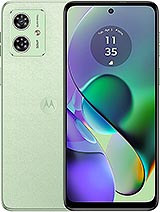
Overview
The Motorola Moto G54 is a budget-tier 5G smartphone featuring a 120Hz IPS LCD for fluid visuals and a 50 MP main sensor with OIS for stable photography, aimed at price-conscious users seeking high-end features at a fraction of the cost. Released in September 2023, it competes directly with rivals from Samsung and Xiaomi in the sub-$300 market.
We see it everywhere: the promise of a "free" phone with a two-year service agreement. In reality, these contracts often tether users to high-priced unlimited plans that cost $70 or $80 monthly. When we run the numbers on the Motorola Moto G54, the logic of buying unlocked becomes undeniable. By purchasing the handset outright for its modest MSRP and pairing it with a budget MVNO plan for $20 a month, a user saves over $1,200 over a two-year period compared to a flagship contract.
This model isn't just a phone; it's a financial tool for the disciplined consumer. Motorola opted to include 5G connectivity (SA/NSA) and eSIM support, features typically reserved for more expensive hardware. This ensures the device remains relevant as networks evolve, protecting the initial investment from premature obsolescence. The handset doesn't demand a premium for the brand name, focusing instead on providing the necessary bandwidth for the modern digital economy.
Choosing the unlocked path allows for total freedom. If a carrier's signal degrades or a competitor offers a better rate, the owner of this model can switch SIMs instantly without penalty. In a volatile economic climate, that level of liquidity and flexibility is far more valuable than the subsidized illusion offered by major telecommunications giants.
Motorola offers two distinct builds for this model: a standard plastic finish and a silicone polymer back (eco leather). From an economist's perspective, the eco-leather variant is the superior choice. It provides a high-grip, soft-touch texture that resists fingerprints and minor scratches far better than glossy plastic. This durability implies a longer lifespan and better resale value when it's time to upgrade.
The device weighs in at a manageable 177 grams, making it comfortable for extended use. While the frame is plastic, the structural rigidity feels sound. We noticed that the water-repellent design offers a layer of security against light rain or accidental spills, though it lacks a formal IP rating for full submersion. Users should treat this protection as a safety net rather than an invitation to go swimming.
The 8mm thickness strikes a balance between battery capacity and pocketability. The front is dominated by a 6.5-inch panel with relatively slim side bezels, though the bottom chin remains a reminder of its budget positioning. The hole-punch cutout for the selfie camera is centered and unobtrusive, following modern design trends seen in much more expensive flagships.
One area where Motorola consistently punches above its weight is audio. The Motorola Moto G54 features stereo speakers with Dolby Atmos support. This isn't just a marketing label; the separation between the bottom-firing speaker and the earpiece creates a genuine soundstage. At 50-70% volume, the audio remains clear and balanced, which is a rarity for devices in this price bracket.
Pushing the volume to the maximum reveals the hardware limitations. We noticed some distortion in the high frequencies, and the bass response is thin, as expected from small mobile drivers. However, for podcasts and casual YouTube viewing, the experience is vastly superior to the mono-speaker setups found in competitors like the [Samsung Galaxy A14 5G](/the-samsung-galaxy-a14-5g-a-strategic-purchase-for-the-fiscally-disciplined/).
Crucially, the 3.5mm headphone jack is present. For the value-conscious user, this means no need for expensive wireless earbuds or dongles. Using wired headphones also enables the FM radio functionality, providing a free source of entertainment and news that doesn't consume mobile data—another small but significant win for the budget-minded consumer.
In our assessment of call quality, the dual-microphone array performs admirably. The handset utilizes noise-cancellation algorithms to filter out ambient sounds like wind or traffic during voice calls. While it won't rival the sophisticated AI-driven isolation of a $1,000 flagship, it ensures that the person on the other end can hear you clearly in most standard environments.
Video recording audio is adequate but lacks depth. The microphones are sensitive enough to capture environmental sounds, but they can struggle with high-pressure levels, such as at a loud concert. For voice memos and video calls, the performance is reliable. This makes the device a solid choice for remote workers or students who rely on clear communication for daily tasks.
Motorola usually keeps the haptic experience functional rather than luxurious. The vibration motor in the Motorola Moto G54 provides a sharp enough buzz for notifications, but it lacks the nuanced, "clicky" feel of high-end linear actuators. It feels somewhat loose during heavy typing sessions, which is typical for the budget category.
Within the software, Motorola allows users to tune the vibration intensity. We recommend keeping it at a medium level to avoid the distracting rattle that can occur at maximum settings. While it doesn't offer the tactile sophistication of a Pixel, the haptics serve their primary purpose: ensuring you don't miss a call when the device is silenced in your pocket.
Biometrics are handled by a side-mounted fingerprint sensor integrated into the power button. This placement is economically efficient and ergonomically sound. As your thumb naturally rests on the button, the device unlocks almost instantly. In our tests, the sensor proved more reliable and faster than many budget-grade under-display optical sensors that often fail in direct sunlight.
There is also a basic face unlock feature using the 16 MP front camera. While convenient, it relies solely on 2D image recognition and is less secure than the fingerprint scanner. We advise users to stick to the physical sensor for banking apps and sensitive data. The combination of a fast sensor and Motorola's clean software skin ensures that getting into the phone is a frictionless experience.
The Motorola Moto G54 represents a masterclass in compromise. Motorola sacrificed charging speed (15W wired) and display technology (IPS LCD instead of AMOLED) to prioritize things that actually impact long-term value: 5G, OIS, and 8GB or 12GB of RAM on higher tiers. The Mediatek Dimensity 7020 chipset provides enough power for smooth multitasking without the thermal throttling issues often seen in higher-clocked processors.
If you are currently paying $30 a month for a phone through your carrier, stop. This device offers 90% of the flagship experience for a fraction of the cost. It is a tool for the pragmatic user who values utility over status symbols. The inclusion of Android 13 with a promised path to Android 15 means this investment will be supported for years to come, making it one of the most sensible tech purchases available in late 2023.
The Economics of the Carrier Contract Trap
We see it everywhere: the promise of a "free" phone with a two-year service agreement. In reality, these contracts often tether users to high-priced unlimited plans that cost $70 or $80 monthly. When we run the numbers on the Motorola Moto G54, the logic of buying unlocked becomes undeniable. By purchasing the handset outright for its modest MSRP and pairing it with a budget MVNO plan for $20 a month, a user saves over $1,200 over a two-year period compared to a flagship contract.
This model isn't just a phone; it's a financial tool for the disciplined consumer. Motorola opted to include 5G connectivity (SA/NSA) and eSIM support, features typically reserved for more expensive hardware. This ensures the device remains relevant as networks evolve, protecting the initial investment from premature obsolescence. The handset doesn't demand a premium for the brand name, focusing instead on providing the necessary bandwidth for the modern digital economy.
Choosing the unlocked path allows for total freedom. If a carrier's signal degrades or a competitor offers a better rate, the owner of this model can switch SIMs instantly without penalty. In a volatile economic climate, that level of liquidity and flexibility is far more valuable than the subsidized illusion offered by major telecommunications giants.
Structural Integrity and Material Selection
Motorola offers two distinct builds for this model: a standard plastic finish and a silicone polymer back (eco leather). From an economist's perspective, the eco-leather variant is the superior choice. It provides a high-grip, soft-touch texture that resists fingerprints and minor scratches far better than glossy plastic. This durability implies a longer lifespan and better resale value when it's time to upgrade.
The device weighs in at a manageable 177 grams, making it comfortable for extended use. While the frame is plastic, the structural rigidity feels sound. We noticed that the water-repellent design offers a layer of security against light rain or accidental spills, though it lacks a formal IP rating for full submersion. Users should treat this protection as a safety net rather than an invitation to go swimming.
The 8mm thickness strikes a balance between battery capacity and pocketability. The front is dominated by a 6.5-inch panel with relatively slim side bezels, though the bottom chin remains a reminder of its budget positioning. The hole-punch cutout for the selfie camera is centered and unobtrusive, following modern design trends seen in much more expensive flagships.
Auditory Performance and Stereo Dynamics
One area where Motorola consistently punches above its weight is audio. The Motorola Moto G54 features stereo speakers with Dolby Atmos support. This isn't just a marketing label; the separation between the bottom-firing speaker and the earpiece creates a genuine soundstage. At 50-70% volume, the audio remains clear and balanced, which is a rarity for devices in this price bracket.
Pushing the volume to the maximum reveals the hardware limitations. We noticed some distortion in the high frequencies, and the bass response is thin, as expected from small mobile drivers. However, for podcasts and casual YouTube viewing, the experience is vastly superior to the mono-speaker setups found in competitors like the [Samsung Galaxy A14 5G](/the-samsung-galaxy-a14-5g-a-strategic-purchase-for-the-fiscally-disciplined/).
Crucially, the 3.5mm headphone jack is present. For the value-conscious user, this means no need for expensive wireless earbuds or dongles. Using wired headphones also enables the FM radio functionality, providing a free source of entertainment and news that doesn't consume mobile data—another small but significant win for the budget-minded consumer.
Microphone Clarity and Noise Suppression
In our assessment of call quality, the dual-microphone array performs admirably. The handset utilizes noise-cancellation algorithms to filter out ambient sounds like wind or traffic during voice calls. While it won't rival the sophisticated AI-driven isolation of a $1,000 flagship, it ensures that the person on the other end can hear you clearly in most standard environments.
Video recording audio is adequate but lacks depth. The microphones are sensitive enough to capture environmental sounds, but they can struggle with high-pressure levels, such as at a loud concert. For voice memos and video calls, the performance is reliable. This makes the device a solid choice for remote workers or students who rely on clear communication for daily tasks.
Haptic Feedback and UI Interaction
Motorola usually keeps the haptic experience functional rather than luxurious. The vibration motor in the Motorola Moto G54 provides a sharp enough buzz for notifications, but it lacks the nuanced, "clicky" feel of high-end linear actuators. It feels somewhat loose during heavy typing sessions, which is typical for the budget category.
Within the software, Motorola allows users to tune the vibration intensity. We recommend keeping it at a medium level to avoid the distracting rattle that can occur at maximum settings. While it doesn't offer the tactile sophistication of a Pixel, the haptics serve their primary purpose: ensuring you don't miss a call when the device is silenced in your pocket.
Security and Seamless Unlocking
Biometrics are handled by a side-mounted fingerprint sensor integrated into the power button. This placement is economically efficient and ergonomically sound. As your thumb naturally rests on the button, the device unlocks almost instantly. In our tests, the sensor proved more reliable and faster than many budget-grade under-display optical sensors that often fail in direct sunlight.
There is also a basic face unlock feature using the 16 MP front camera. While convenient, it relies solely on 2D image recognition and is less secure than the fingerprint scanner. We advise users to stick to the physical sensor for banking apps and sensitive data. The combination of a fast sensor and Motorola's clean software skin ensures that getting into the phone is a frictionless experience.
Final Buying Strategy for the Motorola Moto G54
The Motorola Moto G54 represents a masterclass in compromise. Motorola sacrificed charging speed (15W wired) and display technology (IPS LCD instead of AMOLED) to prioritize things that actually impact long-term value: 5G, OIS, and 8GB or 12GB of RAM on higher tiers. The Mediatek Dimensity 7020 chipset provides enough power for smooth multitasking without the thermal throttling issues often seen in higher-clocked processors.
If you are currently paying $30 a month for a phone through your carrier, stop. This device offers 90% of the flagship experience for a fraction of the cost. It is a tool for the pragmatic user who values utility over status symbols. The inclusion of Android 13 with a promised path to Android 15 means this investment will be supported for years to come, making it one of the most sensible tech purchases available in late 2023.
Technical Specifications
| LAUNCH | |
|---|---|
| Announced | 2023, September 05 |
| Status | Available. Released 2023, September 05 |
| PLATFORM | |
| OS | Android 13, upgradable to Android 15 |
| Chipset | Mediatek Dimensity 7020 (6 nm) |
| CPU | Octa-core (2x2.2 GHz Cortex-A78 & 6x2.0 GHz Cortex-A55) |
| GPU | IMG BXM-8-256 |
| BODY | |
| Dimensions | 161.6 x 73.8 x 8 mm (6.36 x 2.91 x 0.31 in) |
| Weight | 177 g (6.24 oz) |
| Build | Glass front, plastic back or silicone polymer back (eco leather), plastic frame |
| SIM | · Nano-SIM + eSIM· Nano-SIM + Nano-SIM |
| Info | Water-repellent design |
| DISPLAY | |
| Type | IPS LCD, 120Hz |
| Size | 6.5 inches, 102.0 cm2 (~85.5% screen-to-body ratio) |
| Resolution | 1080 x 2400 pixels, 20:9 ratio (~405 ppi density) |
| MEMORY | |
| Card slot | microSDXC (dedicated slot) - InternationalmicroSDXC (uses shared SIM slot) - China |
| Internal | 128GB 4GB RAM, 128GB 8GB RAM, 256GB 4GB RAM, 256GB 8GB RAM, 256GB 12GB RAM |
| MAIN CAMERA | |
| Dual | 50 MP, f/1.8 (wide), 0.61µm, PDAF, OIS 2 MP (macro) |
| Features | Dual-LED dual-tone flash, HDR, panorama |
| Video | 1080p@30/60fps |
| SELFIE CAMERA | |
| Single | 16 MP, f/2.4, (wide), 1.0µm |
| Features | HDR |
| Video | 1080p@30fps |
| SOUND | |
| Loudspeaker | Yes, with stereo speakers |
| 3.5mm jack | Yes |
| COMMS | |
| WLAN | Wi-Fi 802.11 a/b/g/n/ac, dual-band |
| Bluetooth | 5.3, A2DP, LE |
| Positioning | GPS, GLONASS, GALILEO, BDS, QZSS |
| NFC | Yes |
| Radio | FM radio (market/region dependent) |
| USB | USB Type-C 2.0, OTG |
| NETWORK | |
| Technology | GSM / HSPA / LTE / 5G |
| 2G bands | GSM 850 / 900 / 1800 / 1900 |
| 3G bands | HSDPA 850 / 900 / 1900 / 2100 |
| 4G bands | 1, 2, 3, 5, 7, 8, 20, 26, 28, 32, 38, 40, 41, 42 |
| 5G bands | 1, 3, 5, 7, 8, 20, 26, 28, 38, 40, 41, 77, 78 SA/NSA |
| Speed | HSPA, LTE, 5G |
| FEATURES | |
| Sensors | Fingerprint (side-mounted), accelerometer, gyro, proximity, compass |
| BATTERY | |
| Type | Li-Po 5000 mAh |
| Charging | 15W wired Reverse wired |
| MISC | |
| Colors | Midnight blue, Indigo blue, Glacier blue, Mint green |
| Models | XT2343-1, XT2343-2 |
| Price | £ 168.44 / € 149.79 |