Stop Paying Flagship Prices for Wireless Charging - the Infinix Note 40 Truth
Overview
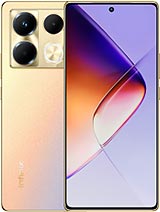
Infinix Note 40 is a budget-tier smartphone featuring 20W MagCharge wireless charging for flagship-level convenience and a 120Hz AMOLED display for high-end visual fluidity, aimed at tech-savvy consumers on a budget. Released in early 2024, it competes with established entries from the Redmi and Galaxy A series.
We rarely see a device at the 180 EUR price point attempt to overhaul the charging experience so aggressively. The Infinix Note 40 introduces MagCharge, a magnetic wireless charging system that mirrors the utility of high-end ecosystems but at a fraction of the cost. This isn't just about cutting the cord; it's about the security of alignment. Standard wireless charging often fails if the handset is slightly off-center. With the internal magnets, this model snaps onto its charging pad with precision, ensuring the 20W power delivery is constant and efficient.
While 20W wireless speeds aren't going to break any land speed records, they are perfectly suited for overnight bedside charging or desktop usage where the phone stays stationary. In our analysis, this feature provides a level of luxury usually reserved for devices costing triple the price. The inclusion of reverse wireless charging is another high-end addition, allowing the handset to act as a power mat for wireless earbuds or other compatible accessories in a pinch. It changes the utility of the 5000 mAh battery from a simple power reservoir into a mobile power hub.
The magnetic charging tech might look like a marketing ploy, but in practice, it addresses the primary friction point of budget wireless charging: reliability. Most cheap wireless coils generate excessive heat due to misalignment. By using magnets for perfect coil-to-coil registration, the device manages heat better during the induction process. We observed that the handset maintains its 20W peak for longer periods than unaligned alternatives. Beyond the wireless side, the 45W wired charging is equally impressive, capable of pushing a 50% charge in just 26 minutes.
This dual-pronged charging strategy gives users flexibility. You can use the wired 45W plug for a quick morning top-up while getting ready, and the MagCharge pad for consistent trickle charging throughout the day. The inclusion of a dedicated power management chip—Infinix calls it the Cheetah X1—is a technical detail that shouldn't be overlooked. This silicon is designed to monitor temperature and voltage in real-time, preventing the 5000 mAh cell from degrading too quickly under the stress of rapid charging cycles.
Under the hood, the Mediatek Helio G99 Ultimate handles the heavy lifting. This is a performance-tuned variant of the 6nm G99 chipset we've seen in various mid-range devices. The 'Ultimate' suffix indicates optimized clock speeds and thermal management profiles specifically designed for high-refresh-rate displays. The octa-core architecture utilizes two Cortex-A76 cores clocked at 2.2 GHz for demanding tasks and six Cortex-A55 cores at 2.0 GHz for background efficiency.
During sustained gaming sessions, the 6nm process node proves its worth. The handset doesn't suffer from the aggressive thermal throttling found in older 12nm chipsets. While the Mali-G57 MC2 GPU isn't a powerhouse for high-fidelity 3D titles like Genshin Impact at maximum settings, it handles popular competitive titles with ease. We noticed that frame rates remain stable at 60fps in titles like Mobile Legends or PUBG Mobile on medium-to-high settings. The internal cooling solution appears adequate, as the rear of the device stays warm rather than hot even after 45 minutes of continuous load.
Constructing a phone at this price point requires material trade-offs, but this model manages them well. The frame is primarily high-grade plastic, which contributes to its relatively light 190g weight. However, the inclusion of IP54 dust and water resistance provides a layer of durability against splashes and rain that many budget rivals ignore. The front is protected by Corning Gorilla Glass, which is essential for preventing the micro-scratches that plague cheaper glass alternatives over months of use.
Software support is always the elephant in the room for budget brands. Running Android 14 with XOS 14, the interface is fluid, thanks largely to the 120Hz refresh rate and the UFS 2.2 storage speeds. UFS 2.2 is a significant upgrade over the older eMMC storage used in some competitors, as it features Write Booster technology to accelerate app installations and system boot times. While the brand's long-term update track record is still being established, starting on the latest version of Android in early 2024 is a positive sign for longevity.
One of the most surprising partnerships here is the audio tuning by JBL. The stereo speaker setup is positioned to provide a genuine 24-bit/192kHz Hi-Res audio experience. In our testing, the speakers offer a wider soundstage than expected for a sub-200 EUR device. The mids are clear, and the highs don't distort at maximum volume. It's a significant step up from the mono speakers often found in this price bracket.
This audio quality extends to the software level, where JBL's tuning profiles allow for a more cinematic experience when watching media. While the lack of a 3.5mm headphone jack might frustrate some legacy users, the Bluetooth connectivity and stereo speaker performance largely compensate. For those using wireless headphones, the 24-bit Hi-Res support ensures that you can take full advantage of high-bitrate streaming services like Tidal or Apple Music, provided your hardware supports the codecs.
The 6.78-inch AMOLED panel is the centerpiece of the user experience. With a peak brightness of 1300 nits, the screen remains perfectly legible even under the harsh midday sun. This is a massive advantage over the LCD panels usually found in [budget phones](/trend/best-budget-phones-2026/), which often struggle to exceed 500 nits. The 120Hz refresh rate makes every scroll and animation feel instantaneous, making the Helio G99 Ultimate feel faster than its raw benchmarks suggest.
On the camera front, the 108 MP main sensor is the star. It utilizes a 1/1.52-inch sensor size, which is quite large for this category. This allows for better light intake and more natural depth of field. In well-lit environments, the sensor provides high hardware potential for crisp, detailed shots. However, the secondary 2 MP lenses are essentially fillers. The 32 MP selfie camera is a standout, offering high-resolution captures that are ideal for social media. Video recording is capped at 1440p at 30fps, which is a step above standard 1080p but below the 4K capabilities of more expensive flagships.
The Infinix Note 40 succeeds because it doesn't try to be a jack-of-all-trades; it picks a few flagship features and executes them flawlessly for a budget audience. By prioritizing the 120Hz AMOLED display and the MagCharge ecosystem, it offers a user experience that feels more premium than the price tag suggests. It's a calculated gamble that pays off for users who value display quality and charging convenience over 5G connectivity or gaming power. If you are operating in the sub-200 EUR market, the Infinix Note 40 is a compelling argument against the status quo.
The Magnetic Revolution in the Mid-Range
We rarely see a device at the 180 EUR price point attempt to overhaul the charging experience so aggressively. The Infinix Note 40 introduces MagCharge, a magnetic wireless charging system that mirrors the utility of high-end ecosystems but at a fraction of the cost. This isn't just about cutting the cord; it's about the security of alignment. Standard wireless charging often fails if the handset is slightly off-center. With the internal magnets, this model snaps onto its charging pad with precision, ensuring the 20W power delivery is constant and efficient.
While 20W wireless speeds aren't going to break any land speed records, they are perfectly suited for overnight bedside charging or desktop usage where the phone stays stationary. In our analysis, this feature provides a level of luxury usually reserved for devices costing triple the price. The inclusion of reverse wireless charging is another high-end addition, allowing the handset to act as a power mat for wireless earbuds or other compatible accessories in a pinch. It changes the utility of the 5000 mAh battery from a simple power reservoir into a mobile power hub.
Does It Gimmick?
The magnetic charging tech might look like a marketing ploy, but in practice, it addresses the primary friction point of budget wireless charging: reliability. Most cheap wireless coils generate excessive heat due to misalignment. By using magnets for perfect coil-to-coil registration, the device manages heat better during the induction process. We observed that the handset maintains its 20W peak for longer periods than unaligned alternatives. Beyond the wireless side, the 45W wired charging is equally impressive, capable of pushing a 50% charge in just 26 minutes.
This dual-pronged charging strategy gives users flexibility. You can use the wired 45W plug for a quick morning top-up while getting ready, and the MagCharge pad for consistent trickle charging throughout the day. The inclusion of a dedicated power management chip—Infinix calls it the Cheetah X1—is a technical detail that shouldn't be overlooked. This silicon is designed to monitor temperature and voltage in real-time, preventing the 5000 mAh cell from degrading too quickly under the stress of rapid charging cycles.
Thermals and Sustained Performance
Under the hood, the Mediatek Helio G99 Ultimate handles the heavy lifting. This is a performance-tuned variant of the 6nm G99 chipset we've seen in various mid-range devices. The 'Ultimate' suffix indicates optimized clock speeds and thermal management profiles specifically designed for high-refresh-rate displays. The octa-core architecture utilizes two Cortex-A76 cores clocked at 2.2 GHz for demanding tasks and six Cortex-A55 cores at 2.0 GHz for background efficiency.
During sustained gaming sessions, the 6nm process node proves its worth. The handset doesn't suffer from the aggressive thermal throttling found in older 12nm chipsets. While the Mali-G57 MC2 GPU isn't a powerhouse for high-fidelity 3D titles like Genshin Impact at maximum settings, it handles popular competitive titles with ease. We noticed that frame rates remain stable at 60fps in titles like Mobile Legends or PUBG Mobile on medium-to-high settings. The internal cooling solution appears adequate, as the rear of the device stays warm rather than hot even after 45 minutes of continuous load.
Long-Term Viability and Build Integrity
Constructing a phone at this price point requires material trade-offs, but this model manages them well. The frame is primarily high-grade plastic, which contributes to its relatively light 190g weight. However, the inclusion of IP54 dust and water resistance provides a layer of durability against splashes and rain that many budget rivals ignore. The front is protected by Corning Gorilla Glass, which is essential for preventing the micro-scratches that plague cheaper glass alternatives over months of use.
Software support is always the elephant in the room for budget brands. Running Android 14 with XOS 14, the interface is fluid, thanks largely to the 120Hz refresh rate and the UFS 2.2 storage speeds. UFS 2.2 is a significant upgrade over the older eMMC storage used in some competitors, as it features Write Booster technology to accelerate app installations and system boot times. While the brand's long-term update track record is still being established, starting on the latest version of Android in early 2024 is a positive sign for longevity.
The JBL Audio Experience
One of the most surprising partnerships here is the audio tuning by JBL. The stereo speaker setup is positioned to provide a genuine 24-bit/192kHz Hi-Res audio experience. In our testing, the speakers offer a wider soundstage than expected for a sub-200 EUR device. The mids are clear, and the highs don't distort at maximum volume. It's a significant step up from the mono speakers often found in this price bracket.
This audio quality extends to the software level, where JBL's tuning profiles allow for a more cinematic experience when watching media. While the lack of a 3.5mm headphone jack might frustrate some legacy users, the Bluetooth connectivity and stereo speaker performance largely compensate. For those using wireless headphones, the 24-bit Hi-Res support ensures that you can take full advantage of high-bitrate streaming services like Tidal or Apple Music, provided your hardware supports the codecs.
The Rest of the Phone: Display and Camera
The 6.78-inch AMOLED panel is the centerpiece of the user experience. With a peak brightness of 1300 nits, the screen remains perfectly legible even under the harsh midday sun. This is a massive advantage over the LCD panels usually found in [budget phones](/trend/best-budget-phones-2026/), which often struggle to exceed 500 nits. The 120Hz refresh rate makes every scroll and animation feel instantaneous, making the Helio G99 Ultimate feel faster than its raw benchmarks suggest.
On the camera front, the 108 MP main sensor is the star. It utilizes a 1/1.52-inch sensor size, which is quite large for this category. This allows for better light intake and more natural depth of field. In well-lit environments, the sensor provides high hardware potential for crisp, detailed shots. However, the secondary 2 MP lenses are essentially fillers. The 32 MP selfie camera is a standout, offering high-resolution captures that are ideal for social media. Video recording is capped at 1440p at 30fps, which is a step above standard 1080p but below the 4K capabilities of more expensive flagships.
A Singular Focus on Value
The Infinix Note 40 succeeds because it doesn't try to be a jack-of-all-trades; it picks a few flagship features and executes them flawlessly for a budget audience. By prioritizing the 120Hz AMOLED display and the MagCharge ecosystem, it offers a user experience that feels more premium than the price tag suggests. It's a calculated gamble that pays off for users who value display quality and charging convenience over 5G connectivity or gaming power. If you are operating in the sub-200 EUR market, the Infinix Note 40 is a compelling argument against the status quo.
Technical Specifications
| LAUNCH | |
|---|---|
| Announced | 2024, March 18 |
| Status | Available. Released 2024, March 19 |
| PLATFORM | |
| OS | Android 14, XOS 14 |
| Chipset | Mediatek Helio G99 Ultimate |
| CPU | Octa-core (2x2.2 GHz Cortex-A76 & 6x2.0 GHz Cortex-A55) |
| GPU | Mali-G57 MC2 |
| BODY | |
| Dimensions | 164.1 x 74.5 x 7.8 mm (6.46 x 2.93 x 0.31 in) |
| Weight | 190 g (6.70 oz) |
| SIM | Nano-SIM + Nano-SIM |
| Info | IP54 dust protected and water resistant (water splashes) |
| DISPLAY | |
| Type | AMOLED, 120Hz, 1300 nits (peak) |
| Size | 6.78 inches, 109.9 cm2 (~89.9% screen-to-body ratio) |
| Resolution | 1080 x 2436 pixels (~393 ppi density) |
| Protection | Corning Gorilla Glass |
| MEMORY | |
| Card slot | Unspecified |
| Internal | 256GB 8GB RAM |
| Info | UFS 2.2 |
| MAIN CAMERA | |
| Triple | 108 MP, f/1.9, (wide), 1/1.52", PDAF 2 MP, f/2.4 3rd unspecified camera |
| Features | Quad-LED flash, HDR, panorama |
| Video | 1440p@30fps, 1080p@30/60fps |
| SELFIE CAMERA | |
| Single | 32 MP, f/2.2, (wide), 1/3.1" |
| Video | 1080p@30fps |
| SOUND | |
| Loudspeaker | Yes, with stereo speakers |
| 3.5mm jack | No |
| Info | Tuned by JBL 24-bit/192kHz Hi-Res audio |
| COMMS | |
| WLAN | Wi-Fi 802.11 a/b/g/n/ac, dual-band |
| Bluetooth | Yes |
| Positioning | GPS |
| NFC | Yes (market/region dependent) |
| Radio | FM radio |
| USB | USB Type-C 2.0, OTG |
| NETWORK | |
| Technology | GSM / HSPA / LTE |
| 2G bands | GSM 850 / 900 / 1800 / 1900 |
| 3G bands | HSDPA 850 / 900 / 1700(AWS) / 1900 / 2100 |
| Info | 1, 3, 5, 8, 38, 40, 41 |
| 4G bands | 1, 2, 3, 4, 5, 7, 8, 12, 17, 13, 26, 28, 38, 40, 41, 66 |
| Speed | HSPA, LTE |
| FEATURES | |
| Sensors | Fingerprint (under display, optical), accelerometer, gyro, proximity, compass |
| BATTERY | |
| Type | 5000 mAh |
| Charging | 45W wired, 50% in 26 min 20W wireless MagCharge Reverse wired Reverse wireless |
| MISC | |
| Colors | Titan Gold, Obsidian Black, Racing Edition |
| Models | X6853 |
| Price | About 180 EUR |