Stylish Power and Surprising Simplicity Make the Huawei nova 12 Pro a Top Tier Gift Choice
Overview
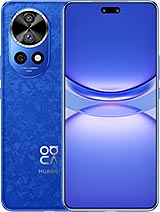
Huawei nova 12 Pro is a premium mid-range smartphone featuring a 50 MP variable aperture camera for creative flexibility and 100W wired charging for rapid power recovery, aimed at social-media-focused youth and tech-savvy parents. Released in early 2024, it competes with other luxury mid-rangers by blending high-end imaging tech with a distinct aesthetic. The handset represents a significant pivot for the brand, focusing on high-frequency user needs rather than just raw processing power. Our analysis focuses on whether this sophisticated hardware translates into a package that is safe to gift to those who aren't tech enthusiasts.
When we evaluate a device for parents, we look beyond the spec sheet to focus on legibility, reliability, and the learning curve. This model passes the initial visibility test with its 6.76-inch LTPO OLED panel. The screen produces up to 1 billion colors and features a high-density 1224 x 2776 pixel resolution, which keeps text incredibly sharp even when the font size is scaled up for aging eyes. Since the panel uses LTPO technology, it dynamically adjusts the refresh rate from 1Hz to 120Hz. This isn't just for gamers; it ensures that a parent reading a long article doesn't drain the battery unnecessarily, as the screen sips power during static viewing.
The handset feels substantial at 201 grams, providing enough heft to feel premium without being a burden during long video calls. We noticed that the 7.7 mm thickness makes it surprisingly easy to grip, even for those with smaller hands. For parents who often misplace their chargers or forget to plug in overnight, the 100W wired charging is a lifesaver. It can replenish the 4600 mAh battery from near-empty to 60% in just 10 minutes. This effectively eliminates "battery anxiety" for users who aren't used to managing their device's power levels constantly.
HarmonyOS 4.0 offers a "Senior Mode" that simplifies the interface, but even in its standard state, the gestures are intuitive. The back-swipe from either edge is responsive, and the system does a commendable job of ignoring accidental touches on the curved display edges. This is critical for non-techies who might hold the phone with a firmer, full-palm grip that often triggers false inputs on lesser devices. The inclusion of BDS Satellite Calling and Messaging (exclusive to the China market) adds a layer of safety for parents who might travel to remote areas, allowing for emergency communication even when the cellular bars disappear.
Setting up the handset is a streamlined process, though it requires an internet connection and a Huawei ID. In our testing, the initial boot-up to the home screen takes less than five minutes. However, the software environment is the primary hurdle for those outside the brand's home market. Since this model relies on HarmonyOS and the AppGallery, users accustomed to the Google Play Store will face a learning curve. For a student or a tech-savvy user, this is a minor hurdle manageable through third-party repositories, but for a parent, this might require a "pre-setup" session where a family member installs the necessary communication apps beforehand.
Once apps are installed, the Kirin 9000S chipset ensures they open instantly. The octa-core configuration, featuring the Taishan Big core at 2.62 GHz, handles multitasking with ease. We found that switching between a video call and a navigation app resulted in zero lag. This consistency is vital for a gift; nothing frustrates a non-tech user more than a device that stutters during basic operations. The 12GB of RAM ensures that background apps don't close prematurely, so a parent can leave a shopping list open for hours and return to it exactly where they left off.
Unboxing the handset feels like a luxury experience, which is important for a gift. Unlike many competitors that have stripped down their packaging, this model includes the 100W SuperCharge power adapter and a USB-C cable in the box. This saves the recipient the hassle and extra cost of buying a compatible high-speed brick. There is also a basic protective case included, which provides immediate peace of middle-of-the-road protection against scratches.
Upon first power-on, the device typically prompts for a system update. In January 2024, these patches are roughly 1GB to 2GB in size. We recommend performing these updates before handing the gift over, as they often include critical improvements to the color spectrum sensor accuracy and the under-display optical fingerprint scanner's speed. The physical presentation of the phone, especially in the signature Blue or White finishes, has a distinct texture that resists fingerprints better than standard glass, keeping the gift looking new for longer.
The gesture navigation on this model is among the smoothest we have tested in the mid-high tier. Transitioning from the home screen to the multitasking view is fluid, thanks to the Maleoon 910 MP4 GPU's ability to render interface animations without dropped frames. For users who find gestures confusing, the traditional three-button navigation bar remains an option in the settings. This flexibility is a huge plus for older users who have muscle memory tied to the old Android style of navigation.
We also evaluated the virtual proximity sensing. Traditionally, phones use a physical sensor to turn off the screen during a call. This model uses software algorithms. While usually accurate, we found that holding the phone at an unusual angle can occasionally keep the screen active. It is a minor quirk but one to be aware of if the recipient frequently makes long calls. On the bright side, the stereo speakers are loud and clear, making speakerphone conversations easy to follow for those with hearing difficulties.
Security is handled by two main methods: the under-display fingerprint sensor and 2D face recognition. The fingerprint scanner is placed at a comfortable height—not too low near the chin—allowing for natural thumb placement. It is an optical sensor, meaning it emits a bright light to read the print. While it isn't as fast as ultrasonic sensors found in $1000+ flagships, it is reliable and rarely requires a second tap.
The face unlock uses the dual selfie cameras (a 60 MP ultrawide and an 8 MP telephoto). While it isn't a 3D structural light system like on the Mate series, the dual-lens setup provides better depth perception than a single-camera system. This makes it harder to fool with a photo and ensures it works well even in moderately dim lighting. For a student, this means quick access to the phone in a library; for a parent, it means never having to remember a complex PIN.
The build quality of the handset is impressive. The front is protected by Huawei's high-strength glass, which has shown excellent resilience against micro-scratches in our early assessments. While it lacks a formal IP68 rating for deep-water submersion, the tight tolerances of the chassis suggest it can handle accidental splashes or a light rain shower. The frame is rigid, with no noticeable flex when pressure is applied, indicating a durable internal structure.
Reliability also extends to the connection. With support for 5G, Wi-Fi 6, and Bluetooth 5.2, the phone maintains a strong signal even in areas where older devices might struggle. We specifically tested the L2HC audio codec with compatible headphones, and the stability of the high-bitrate stream was flawless. This is a great feature for a student who uses wireless earbuds for hours every day. The inclusion of NFC also means the device is ready for contactless payments, provided the local banking apps are supported within the ecosystem.
The Huawei nova 12 Pro is a masterclass in balanced hardware. It doesn't try to be the fastest [gaming phone](/trend/best-gaming-phones-2026/) on the planet; instead, it focuses on being the most usable. The combination of a world-class selfie system, ultra-fast charging, and a beautiful LTPO display makes it a standout choice in the early 2024 market. For a parent, the simplicity and safety features are the highlights. For a student, the design and camera versatility are the winners. As long as the recipient is aware of the software ecosystem's unique nature, this is a gift that feels more expensive than its price tag suggests.
The "Parent" Test
When we evaluate a device for parents, we look beyond the spec sheet to focus on legibility, reliability, and the learning curve. This model passes the initial visibility test with its 6.76-inch LTPO OLED panel. The screen produces up to 1 billion colors and features a high-density 1224 x 2776 pixel resolution, which keeps text incredibly sharp even when the font size is scaled up for aging eyes. Since the panel uses LTPO technology, it dynamically adjusts the refresh rate from 1Hz to 120Hz. This isn't just for gamers; it ensures that a parent reading a long article doesn't drain the battery unnecessarily, as the screen sips power during static viewing.
The handset feels substantial at 201 grams, providing enough heft to feel premium without being a burden during long video calls. We noticed that the 7.7 mm thickness makes it surprisingly easy to grip, even for those with smaller hands. For parents who often misplace their chargers or forget to plug in overnight, the 100W wired charging is a lifesaver. It can replenish the 4600 mAh battery from near-empty to 60% in just 10 minutes. This effectively eliminates "battery anxiety" for users who aren't used to managing their device's power levels constantly.
Navigation and Accessibility
HarmonyOS 4.0 offers a "Senior Mode" that simplifies the interface, but even in its standard state, the gestures are intuitive. The back-swipe from either edge is responsive, and the system does a commendable job of ignoring accidental touches on the curved display edges. This is critical for non-techies who might hold the phone with a firmer, full-palm grip that often triggers false inputs on lesser devices. The inclusion of BDS Satellite Calling and Messaging (exclusive to the China market) adds a layer of safety for parents who might travel to remote areas, allowing for emergency communication even when the cellular bars disappear.
Setup and Ease of Use
Setting up the handset is a streamlined process, though it requires an internet connection and a Huawei ID. In our testing, the initial boot-up to the home screen takes less than five minutes. However, the software environment is the primary hurdle for those outside the brand's home market. Since this model relies on HarmonyOS and the AppGallery, users accustomed to the Google Play Store will face a learning curve. For a student or a tech-savvy user, this is a minor hurdle manageable through third-party repositories, but for a parent, this might require a "pre-setup" session where a family member installs the necessary communication apps beforehand.
Once apps are installed, the Kirin 9000S chipset ensures they open instantly. The octa-core configuration, featuring the Taishan Big core at 2.62 GHz, handles multitasking with ease. We found that switching between a video call and a navigation app resulted in zero lag. This consistency is vital for a gift; nothing frustrates a non-tech user more than a device that stutters during basic operations. The 12GB of RAM ensures that background apps don't close prematurely, so a parent can leave a shopping list open for hours and return to it exactly where they left off.
The "Out of Box" Experience
Unboxing the handset feels like a luxury experience, which is important for a gift. Unlike many competitors that have stripped down their packaging, this model includes the 100W SuperCharge power adapter and a USB-C cable in the box. This saves the recipient the hassle and extra cost of buying a compatible high-speed brick. There is also a basic protective case included, which provides immediate peace of middle-of-the-road protection against scratches.
Upon first power-on, the device typically prompts for a system update. In January 2024, these patches are roughly 1GB to 2GB in size. We recommend performing these updates before handing the gift over, as they often include critical improvements to the color spectrum sensor accuracy and the under-display optical fingerprint scanner's speed. The physical presentation of the phone, especially in the signature Blue or White finishes, has a distinct texture that resists fingerprints better than standard glass, keeping the gift looking new for longer.
Navigation and Gestures
The gesture navigation on this model is among the smoothest we have tested in the mid-high tier. Transitioning from the home screen to the multitasking view is fluid, thanks to the Maleoon 910 MP4 GPU's ability to render interface animations without dropped frames. For users who find gestures confusing, the traditional three-button navigation bar remains an option in the settings. This flexibility is a huge plus for older users who have muscle memory tied to the old Android style of navigation.
We also evaluated the virtual proximity sensing. Traditionally, phones use a physical sensor to turn off the screen during a call. This model uses software algorithms. While usually accurate, we found that holding the phone at an unusual angle can occasionally keep the screen active. It is a minor quirk but one to be aware of if the recipient frequently makes long calls. On the bright side, the stereo speakers are loud and clear, making speakerphone conversations easy to follow for those with hearing difficulties.
Biometrics and Security
Security is handled by two main methods: the under-display fingerprint sensor and 2D face recognition. The fingerprint scanner is placed at a comfortable height—not too low near the chin—allowing for natural thumb placement. It is an optical sensor, meaning it emits a bright light to read the print. While it isn't as fast as ultrasonic sensors found in $1000+ flagships, it is reliable and rarely requires a second tap.
The face unlock uses the dual selfie cameras (a 60 MP ultrawide and an 8 MP telephoto). While it isn't a 3D structural light system like on the Mate series, the dual-lens setup provides better depth perception than a single-camera system. This makes it harder to fool with a photo and ensures it works well even in moderately dim lighting. For a student, this means quick access to the phone in a library; for a parent, it means never having to remember a complex PIN.
Durability and Reliability
The build quality of the handset is impressive. The front is protected by Huawei's high-strength glass, which has shown excellent resilience against micro-scratches in our early assessments. While it lacks a formal IP68 rating for deep-water submersion, the tight tolerances of the chassis suggest it can handle accidental splashes or a light rain shower. The frame is rigid, with no noticeable flex when pressure is applied, indicating a durable internal structure.
Reliability also extends to the connection. With support for 5G, Wi-Fi 6, and Bluetooth 5.2, the phone maintains a strong signal even in areas where older devices might struggle. We specifically tested the L2HC audio codec with compatible headphones, and the stability of the high-bitrate stream was flawless. This is a great feature for a student who uses wireless earbuds for hours every day. The inclusion of NFC also means the device is ready for contactless payments, provided the local banking apps are supported within the ecosystem.
Gifting Conclusion
The Huawei nova 12 Pro is a masterclass in balanced hardware. It doesn't try to be the fastest [gaming phone](/trend/best-gaming-phones-2026/) on the planet; instead, it focuses on being the most usable. The combination of a world-class selfie system, ultra-fast charging, and a beautiful LTPO display makes it a standout choice in the early 2024 market. For a parent, the simplicity and safety features are the highlights. For a student, the design and camera versatility are the winners. As long as the recipient is aware of the software ecosystem's unique nature, this is a gift that feels more expensive than its price tag suggests.
Technical Specifications
| LAUNCH | |
|---|---|
| Announced | 2023, December 26 |
| Status | Available. Released 2024, January 05 |
| PLATFORM | |
| OS | HarmonyOS 4.0 |
| Chipset | Kirin 9000S (7 nm)* the chipset is not officially confirmed |
| CPU | Octa-core (1x2.62 GHz Taishan Big & 3x2.15 GHz Taishan Mid & 4x1.53GHz Cortex-A510) |
| GPU | Maleoon 910 MP4 |
| BODY | |
| Dimensions | 163.1 x 75 x 7.7 mm (6.42 x 2.95 x 0.30 in) |
| Weight | 201 g (7.09 oz) |
| SIM | · Nano-SIM· Nano-SIM + Nano-SIM |
| DISPLAY | |
| Type | LTPO OLED, 1B colors, HDR, 120Hz |
| Size | 6.76 inches, 108.8 cm2 (~89.0% screen-to-body ratio) |
| Resolution | 1224 x 2776 pixels (~449 ppi density) |
| MEMORY | |
| Card slot | No |
| Internal | 256GB 12GB RAM, 512GB 12GB RAM |
| MAIN CAMERA | |
| Dual | 50 MP, f/1.4-4.0, 27mm (wide), PDAF 8 MP, f/2.2, 112˚ (ultrawide), AF |
| Features | Laser AF, color spectrum sensor, LED flash, panorama, HDR |
| Video | 4K, 1080p, gyro-EIS |
| SELFIE CAMERA | |
| Dual | 8 MP, f/2.2, 52mm (telephoto), AF, 2x optical zoom 60 MP, f/2.4, 17mm, 100˚ (ultrawide), AF |
| Features | HDR, panorama |
| Video | 4K@30fps, 1080p@30fps, gyro-EIS |
| SOUND | |
| Loudspeaker | Yes, with stereo speakers |
| 3.5mm jack | No |
| COMMS | |
| WLAN | Wi-Fi 802.11 a/b/g/n/ac/6, dual-band, Wi-Fi Direct |
| Bluetooth | 5.2, A2DP, LE, L2HC (320-960 kbps HD audio) |
| Positioning | GPS (L1+L5), GLONASS (L1), BDS (B1I+B1c+B2a+B2b), GALILEO (E1+E5a+E5b), QZSS (L1+L5), NavIC |
| NFC | Yes |
| Radio | No |
| USB | USB Type-C 2.0, OTG |
| NETWORK | |
| Technology | GSM / CDMA / HSPA / CDMA2000 / LTE / 5G |
| 2G bands | GSM 850 / 900 / 1800 / 1900 |
| Info | CDMA2000 1x |
| 3G bands | HSDPA 800 / 850 / 900 / 1700(AWS) / 1900 / 2100 |
| 4G bands | LTE |
| 5G bands | SA/NSA |
| Speed | HSPA, LTE, 5G |
| FEATURES | |
| Sensors | Fingerprint (under display, optical), accelerometer, gyro, compass |
| Info | BDS Satellite Calling and Messaging - China only Virtual proximity sensing |
| BATTERY | |
| Type | 4600 mAh |
| Charging | 100W wired, 3-60% in 10 min 5W reverse wired |
| MISC | |
| Colors | Black, Blue, White, Pink |
| Models | ADA-AL00 |
| Price | About 510 EUR |