Survival of the Cheapest - How the Blackview Color 6 Redefines the Sub-100 Euro Bracket
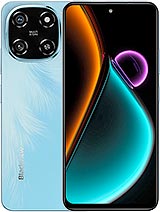
Overview
The Blackview Color 6 is an entry-level smartphone featuring a 6.67-inch IPS LCD for basic media consumption and a 5000 mAh battery for long-lasting endurance, aimed at budget-conscious users or those needing a secondary ruggedized device. Released in September 2025, it competes with the ultra-budget tier where durability and battery life often outweigh raw processing power.
Marketing materials for the Blackview Color 6 suggest a device that blends style with unexpected durability. The brand positions this model as a colorful entry point into the Android 15 ecosystem, leaning heavily on the "Panda Glass" and "Mohs Level 7" scratch resistance as a primary selling point. In a market saturated with fragile plastic-screened [budget phones](/trend/best-budget-phones-2026/), the promise of a screen that can survive a pocket full of keys or a drop from a waist-high table is a powerful draw for the 90 EUR price bracket. We see the influence of the new 2025 EU durability labels here, with Blackview clearly aiming to lead the 'Repairability' and 'Free Fall' categories for low-cost hardware.
Under the hood, the reality of the 90 EUR price point becomes more apparent. The Mediatek Helio G81 chipset is the engine here. Built on a 12nm process, this octa-core processor utilizes two Cortex-A75 performance cores clocked at 2.0 GHz and six Cortex-A55 efficiency cores at 1.8 GHz. While this configuration was standard for mid-range devices years ago, in late 2025, it serves as the baseline for functional performance. The Mali-G52 MC2 GPU manages the visuals, which is sufficient for UI navigation and light social media scrolling, but users should manage expectations regarding high-fidelity gaming.
Storage is another area where cost-cutting is evident. The Blackview Color 6 uses eMMC 5.1 internal storage. Unlike the UFS 3.1 or 4.0 found in mid-to-high-end devices, eMMC 5.1 operates on a half-duplex interface, meaning it cannot read and write data simultaneously. This results in longer app installation times and occasional stutters when the system is performing background updates. However, the inclusion of 8GB of RAM is a significant buffer that helps keep the DokeOS 4.1 interface relatively fluid, preventing the aggressive app-closing behavior that usually plagues phones at this price.
The 50 MP primary sensor (f/1.8) is the centerpiece of the rear module. In our analysis of the hardware, the 1/2.76-inch sensor size indicates that while the pixel count is high, the individual pixels are quite small. For platforms like Instagram or TikTok, the Blackview Color 6 provides adequate daylight capture. However, the Mediatek Helio G81 image signal processor (ISP) lacks the advanced computational photography power found in more expensive silicon. This leads to heavy compression when uploading directly through social media apps. For the best results, we recommend capturing photos in the native camera app first before uploading.
The 13 MP selfie camera handles video calls well, but the 1080p@30fps limit across both front and rear cameras reflects the bandwidth limitations of the G81. On apps like Snapchat, the lack of dedicated stabilization hardware means handheld walking videos will appear shaky. This is a "stationary-first" camera setup—perfectly fine for a quick snap of a document or a well-lit portrait, but it won't be replacing a dedicated vlogging setup anytime soon.
The 6.67-inch IPS LCD offers a 90Hz refresh rate, which makes the Android 15 animations feel smoother than the 60Hz panels often found in this price range. However, the 720 x 1604 resolution yields a density of approximately 264 ppi. At standard viewing distances, text is legible, but fine details in high-resolution images will appear soft. The 650 nits peak brightness is a highlight for this tier; while it may struggle under direct high-noon September sun, it remains perfectly usable in shaded outdoor environments.
For night use, the IPS technology means you won't get the perfect blacks of an OLED, but DokeOS 4.1 includes software-level blue light filters. One advantage of this specific LCD panel is the absence of PWM (Pulse Width Modulation) flickering, which is often found in cheap OLEDs. This makes the Blackview Color 6 a potentially better choice for users who are sensitive to screen flicker and suffer from eye strain during late-night reading sessions.
With options for 128GB or 256GB of internal storage, Blackview is being generous with capacity. The dedicated microSDXC slot is a critical inclusion for 2025, allowing users to expand their library of offline media without sacrificing a SIM slot. For media enthusiasts, the 3.5mm headphone jack remains a vital feature, especially since the Bluetooth 5.0 standard on this device doesn't support the latest high-bitrate lossless codecs found in the 5.4 specification.
The stereo speakers are a surprising addition at 90 EUR. While they lack deep bass, the separation provides a better experience for YouTube videos compared to the mono-speaker setups of the competition. However, moving large files—like a 4K movie or a massive photo album—over the USB Type-C port will be limited by the older USB 2.0 speeds inherent to the chipset. Expect transfer speeds to hover around 30-40 MB/s.
The most impressive aspect of the Blackview Color 6 isn't on the flashy marketing slides; it is the EU Energy and Durability Label ratings. The Class C Free Fall rating signifies the device survived 156 drops in standardized testing. This level of physical resilience is rare for a device that looks like a standard smartphone rather than a bulky rugged tank. The Panda Glass protection is rated at Mohs level 7, meaning typical pocket items like coins or keys will not scratch the screen, as they are generally lower on the hardness scale.
Furthermore, the battery endurance is rated for 800 cycles before significant degradation, which is higher than the industry average for budget cells. The 18W charging speed is the main bottleneck here. While a 5000 mAh battery is substantial, charging it from 0% to 100% takes nearly two hours. This is a device you charge overnight, not one you quickly top-up before heading out for the evening.
In the landscape of late 2025, the Blackview Color 6 stands as a masterclass in compromise. It eschews 5G connectivity and high-resolution displays to focus on what actually matters for a budget user: longevity and durability. The Helio G81 and eMMC 5.1 storage keep it firmly in the entry-level category, but the Android 15 software and robust physical build make it a reliable tool. It is not a gaming powerhouse, nor is it a cinematic camera, but as a dependable daily driver for under 100 EUR, it offers more security—both physical and digital—than almost any other competitor in its class.
The Marketing Promise
Marketing materials for the Blackview Color 6 suggest a device that blends style with unexpected durability. The brand positions this model as a colorful entry point into the Android 15 ecosystem, leaning heavily on the "Panda Glass" and "Mohs Level 7" scratch resistance as a primary selling point. In a market saturated with fragile plastic-screened [budget phones](/trend/best-budget-phones-2026/), the promise of a screen that can survive a pocket full of keys or a drop from a waist-high table is a powerful draw for the 90 EUR price bracket. We see the influence of the new 2025 EU durability labels here, with Blackview clearly aiming to lead the 'Repairability' and 'Free Fall' categories for low-cost hardware.
The Spec Reality
Under the hood, the reality of the 90 EUR price point becomes more apparent. The Mediatek Helio G81 chipset is the engine here. Built on a 12nm process, this octa-core processor utilizes two Cortex-A75 performance cores clocked at 2.0 GHz and six Cortex-A55 efficiency cores at 1.8 GHz. While this configuration was standard for mid-range devices years ago, in late 2025, it serves as the baseline for functional performance. The Mali-G52 MC2 GPU manages the visuals, which is sufficient for UI navigation and light social media scrolling, but users should manage expectations regarding high-fidelity gaming.
Storage is another area where cost-cutting is evident. The Blackview Color 6 uses eMMC 5.1 internal storage. Unlike the UFS 3.1 or 4.0 found in mid-to-high-end devices, eMMC 5.1 operates on a half-duplex interface, meaning it cannot read and write data simultaneously. This results in longer app installation times and occasional stutters when the system is performing background updates. However, the inclusion of 8GB of RAM is a significant buffer that helps keep the DokeOS 4.1 interface relatively fluid, preventing the aggressive app-closing behavior that usually plagues phones at this price.
The Social Media Camera Test
The 50 MP primary sensor (f/1.8) is the centerpiece of the rear module. In our analysis of the hardware, the 1/2.76-inch sensor size indicates that while the pixel count is high, the individual pixels are quite small. For platforms like Instagram or TikTok, the Blackview Color 6 provides adequate daylight capture. However, the Mediatek Helio G81 image signal processor (ISP) lacks the advanced computational photography power found in more expensive silicon. This leads to heavy compression when uploading directly through social media apps. For the best results, we recommend capturing photos in the native camera app first before uploading.
The 13 MP selfie camera handles video calls well, but the 1080p@30fps limit across both front and rear cameras reflects the bandwidth limitations of the G81. On apps like Snapchat, the lack of dedicated stabilization hardware means handheld walking videos will appear shaky. This is a "stationary-first" camera setup—perfectly fine for a quick snap of a document or a well-lit portrait, but it won't be replacing a dedicated vlogging setup anytime soon.
Screen Visibility and Eye Comfort
The 6.67-inch IPS LCD offers a 90Hz refresh rate, which makes the Android 15 animations feel smoother than the 60Hz panels often found in this price range. However, the 720 x 1604 resolution yields a density of approximately 264 ppi. At standard viewing distances, text is legible, but fine details in high-resolution images will appear soft. The 650 nits peak brightness is a highlight for this tier; while it may struggle under direct high-noon September sun, it remains perfectly usable in shaded outdoor environments.
For night use, the IPS technology means you won't get the perfect blacks of an OLED, but DokeOS 4.1 includes software-level blue light filters. One advantage of this specific LCD panel is the absence of PWM (Pulse Width Modulation) flickering, which is often found in cheap OLEDs. This makes the Blackview Color 6 a potentially better choice for users who are sensitive to screen flicker and suffer from eye strain during late-night reading sessions.
Storage and Media Performance
With options for 128GB or 256GB of internal storage, Blackview is being generous with capacity. The dedicated microSDXC slot is a critical inclusion for 2025, allowing users to expand their library of offline media without sacrificing a SIM slot. For media enthusiasts, the 3.5mm headphone jack remains a vital feature, especially since the Bluetooth 5.0 standard on this device doesn't support the latest high-bitrate lossless codecs found in the 5.4 specification.
The stereo speakers are a surprising addition at 90 EUR. While they lack deep bass, the separation provides a better experience for YouTube videos compared to the mono-speaker setups of the competition. However, moving large files—like a 4K movie or a massive photo album—over the USB Type-C port will be limited by the older USB 2.0 speeds inherent to the chipset. Expect transfer speeds to hover around 30-40 MB/s.
What They Didn't Tell You
The most impressive aspect of the Blackview Color 6 isn't on the flashy marketing slides; it is the EU Energy and Durability Label ratings. The Class C Free Fall rating signifies the device survived 156 drops in standardized testing. This level of physical resilience is rare for a device that looks like a standard smartphone rather than a bulky rugged tank. The Panda Glass protection is rated at Mohs level 7, meaning typical pocket items like coins or keys will not scratch the screen, as they are generally lower on the hardness scale.
Furthermore, the battery endurance is rated for 800 cycles before significant degradation, which is higher than the industry average for budget cells. The 18W charging speed is the main bottleneck here. While a 5000 mAh battery is substantial, charging it from 0% to 100% takes nearly two hours. This is a device you charge overnight, not one you quickly top-up before heading out for the evening.
The Truth Summary
In the landscape of late 2025, the Blackview Color 6 stands as a masterclass in compromise. It eschews 5G connectivity and high-resolution displays to focus on what actually matters for a budget user: longevity and durability. The Helio G81 and eMMC 5.1 storage keep it firmly in the entry-level category, but the Android 15 software and robust physical build make it a reliable tool. It is not a gaming powerhouse, nor is it a cinematic camera, but as a dependable daily driver for under 100 EUR, it offers more security—both physical and digital—than almost any other competitor in its class.
Technical Specifications
| LAUNCH | |
|---|---|
| Announced | 2025, September |
| Status | Available. Released 2025, September |
| PLATFORM | |
| OS | Android 15, DokeOS 4.1 |
| Chipset | Mediatek Helio G81 (12 nm) |
| CPU | Octa-core (2x2.0 GHz Cortex-A75 & 6x1.8 GHz Cortex-A55) |
| GPU | Mali-G52 MC2 |
| BODY | |
| Dimensions | 165.7 x 76.5 x 8.7 mm (6.52 x 3.01 x 0.34 in) |
| Weight | 199.4 g (7.05 oz) |
| SIM | Nano-SIM + Nano-SIM |
| DISPLAY | |
| Type | IPS LCD, 90Hz, 650 nits |
| Size | 6.67 inches, 107.2 cm2 (~84.6% screen-to-body ratio) |
| Resolution | 720 x 1604 pixels, 20:9 ratio (~264 ppi density) |
| Protection | Panda Glass, Mohs level 7 |
| MEMORY | |
| Card slot | microSDXC (dedicated slot) |
| Internal | 128GB 8GB RAM, 256GB 8GB RAM |
| Info | eMMC 5.1 |
| MAIN CAMERA | |
| Single | 50 MP, f/1.8, (wide), 1/2.76", PDAF |
| Features | LED flash, HDR, panorama |
| Video | 1080p@30fps |
| SELFIE CAMERA | |
| Single | 13 MP, f/2.0, (wide), 1/4.0" |
| Features | HDR |
| Video | 1080p@30fps |
| SOUND | |
| Loudspeaker | Yes, with stereo speakers |
| 3.5mm jack | Yes |
| COMMS | |
| WLAN | Wi-Fi 802.11 a/b/g/n/ac, dual-band |
| Bluetooth | 5.0, A2DP, LE |
| Positioning | GPS, GLONASS, GALILEO, BDS |
| NFC | No |
| Radio | FM radio |
| USB | USB Type-C |
| NETWORK | |
| Technology | GSM / HSPA / LTE |
| 2G bands | GSM 850 / 900 / 1800 / 1900 |
| 3G bands | HSDPA 900 / 2100 |
| 4G bands | 1, 3, 7, 8, 19, 20, 28, 40, 41 |
| Speed | HSPA, LTE |
| FEATURES | |
| Sensors | Fingerprint (side-mounted), accelerometer, proximity |
| BATTERY | |
| Type | Li-Po 5000 mAh |
| Charging | 18W wired |
| MISC | |
| Colors | Midnight Black, Celestial Blue, Snowy White |
| Price | About 90 EUR |
| EU LABEL | |
| Energy | Class B |
| Battery | 48:35h endurance, 800 cycles |
| Free fall | Class C (156 falls) |
| Repairability | Class C |