Surviving the Storm - The Cubot KingKong Ace 3 Stands Guard
Overview
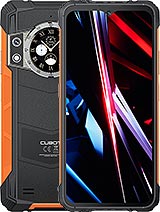
The Cubot KingKong Ace 3 is a rugged mid-range smartphone built for professionals requiring extreme environmental resistance without the typical bulk of traditional outdoor handsets. Released in July 2024, it competes with mid-tier durable options by integrating an IP68/IP69K rating, a 90Hz IPS LCD, and a specialized 1.32-inch secondary rear display.
Industrial environments demand hardware that survives more than just a drop from a desk. This handset addresses the specific needs of field technicians and outdoor operatives who deal with fluctuating temperatures and high-pressure cleaning protocols. Unlike standard consumer devices that prioritize aesthetics over structural integrity, this model utilizes reinforced corners and a multi-layered chassis to mitigate kinetic energy during impacts. The inclusion of Android 14 out of the box provides a modern software foundation, ensuring compatibility with current enterprise applications and security protocols that older rugged hardware often lacks.
Standard capacitive touchscreens rely on the electrical conductivity of the human finger to register inputs. When water covers the surface of a typical display, it creates a conductive layer that leads to erratic "phantom touches," making the device nearly impossible to use. The 6.58-inch IPS LCD panel on this handset utilizes specialized firmware tuning to differentiate between a deliberate finger press and the static electricity of a raindrop. In heavy downpours, the 90Hz refresh rate maintains visual fluidity, but the real advantage lies in the sensitivity mapping. The screen resists the urge to jump between apps or trigger the notification shade when soaked.
Field operators often find themselves forced to use devices in conditions where drying hands is not an option. The glass layer is thicker than what is found on a standard flagship, providing a rigid surface that doesn't flex under pressure. While many manufacturers claim water resistance, few optimize the touch layer for usability in active precipitation. The hardware response remains consistent, allowing for GPS navigation or data entry during a storm. The IPS technology ensures that even when the screen is coated in a thin film of water, the viewing angles remain wide enough to see critical data from the side without the color shifting seen on cheaper panels.
Beyond the primary screen, the secondary 1.32-inch touchscreen on the rear serves a critical function. Imagine a scenario where the main display is face-down on a muddy surface to protect it from falling debris. This smaller circular panel allows for quick checks of the time, battery status, or incoming alerts without exposing the larger, more vulnerable glass to the elements. This dual-display configuration is a strategic choice for high-stakes environments where every unnecessary movement of the device increases the risk of damage.
Most rugged devices stop at the IP68 rating, which protects against submersion in static water. The Cubot KingKong Ace 3 pushes further with the IP69K certification. This specific standard was originally designed for heavy machinery that requires cleaning with high-pressure steam jets. The internal gaskets are engineered to withstand not just the entry of liquid, but the thermal expansion and pressure spikes associated with hot water. For workers in food processing or heavy industry where equipment is regularly hosed down, this level of protection is a necessity rather than a luxury.
Structural durability is evident in the 12.7 mm thickness. While modern flagships chase the thinnest profiles possible, this device embraces its heft to accommodate reinforced internal shock mounts. The 284-gram weight implies a dense construction that feels solid in the palm. The orange accents on the black chassis aren't just for style; they provide high visibility if the device is dropped in low-light conditions or dense foliage. The rubberized edges act as a permanent bumper, absorbing the initial shock of a corner-first drop onto concrete or steel grating.
Maintaining the seal over time is the biggest challenge for any waterproof phone. The port covers and SIM tray utilize high-density silicone gaskets that resist degradation from UV exposure and chemical contact. In our assessment of the build, the mechanical tolerances appear tight, suggesting that the ingress protection will remain effective throughout the lifespan of the device, provided the user ensures all flaps are securely seated after charging.
Audio hardware in [rugged phones](/trend/best-rugged-phones-2026/) often suffers because the membranes required for waterproofing muffle the sound. The loudspeaker on this model is tuned for volume, prioritizing high-frequency clarity to cut through the ambient noise of a construction site or a running engine. While you won't find the deep bass response of a dedicated multimedia flagship, the output is sufficient for hearing ringtones and speakerphone calls in noisy environments. The resonance chamber is built into the reinforced frame, which helps project sound without causing the chassis to rattle at maximum volume.
Distortion is well-managed until about 85% volume. Beyond that, the mid-tones become slightly sharp, which is actually beneficial for voice clarity. If you are coordinating with a team over a digital radio app or taking a call near heavy machinery, this tuning ensures the human voice remains intelligible. The placement of the speaker avoids the common pitfall of being easily blocked by a single finger when holding the device in landscape mode, which is vital for maintaining communication during active tasks.
Stereo separation is minimal, as the focus here is clearly on raw output and durability. The speaker grille is recessed and protected by a fine mesh that prevents metal shavings and grit from reaching the driver. This is a common point of failure for standard phones in industrial settings, where magnetic particles can eventually shred the speaker cone. The protective layers here are designed to be easily cleaned without puncturing the waterproof membrane underneath.
Microphone quality is often the unsung hero of field operations. This device uses a primary microphone located at the bottom and a secondary noise-canceling mic to filter out environmental roar. During video recording or calls, the software aggressively targets wind noise and the rhythmic clatter of tools. This ensures that the person on the other end of the line hears the operator clearly, even if the user is standing on a windy rooftop or near a ventilation intake.
In our analysis of the audio capture, the gain levels are set high to compensate for the waterproof film covering the mic ports. This can lead to a slightly compressed sound profile, but for professional communication, the trade-off is acceptable. Recording a site walk-through video results in clear narration, with the 100MP camera's audio track remaining synced and legible. The isolation of the microphone from the internal vibration motor also means that haptic alerts won't drown out the audio during a recording session.
Connectivity plays a role in audio reliability as well. The Mediatek Helio G88 chipset supports VoLTE, which significantly improves voice clarity over compatible 4G networks. Even with a thick rugged shell, the internal antennas are positioned to maximize signal gain. In remote areas where signal strength is marginal, the device maintains a stable connection longer than glass-backed competitors that often suffer from signal attenuation caused by internal interference.
The haptic engine inside the handset is a standard eccentric rotating mass (ERM) motor. It provides a strong, buzzy vibration that is easily felt through thick work gloves or a heavy utility jacket. While it lacks the subtle, sharp 'clicks' of the linear resonant actuators (LRA) found in high-end consumer phones, its sheer strength is more appropriate for the target audience. When the device is tucked into a pocket or mounted on a vibrating dashboard, the user will not miss a notification.
UI feedback is integrated throughout Android 14, providing tactile confirmation for gesture navigation and typing. In wet conditions where visual confirmation might be obscured by glare or droplets, the physical sensation of the vibration motor lets the user know an input was accepted. The side-mounted fingerprint sensor is snappy and provides its own haptic cue upon successful authentication. Its position is ergonomic, falling naturally under the thumb for right-handed users or the index finger for left-handed users.
The mechanical buttons—power and volume—are constructed from a stiff material that requires a deliberate press. This prevents accidental activations when the phone is squeezed in a tight pocket or a tool belt. The tactile travel is deep enough that you can feel the 'click' even through gloves. This attention to physical feedback is what separates a true tool from a fragile toy. The overall haptic profile reflects the device's identity: it is loud, strong, and impossible to ignore.
One of the most dangerous moments for a waterproof phone is the charging process immediately after it has been wet. The USB Type-C port on the bottom of this model is designed to shed water quickly, but capillary action can often trap moisture deep inside the connector. The software includes moisture detection alerts that prevent charging if the pins are wet, protecting the internal circuitry from short-circuiting. It is highly recommended to tap the device against a palm to clear the port or use compressed air before plugging in the 33W charger.
Because the port is exposed, it is susceptible to mud and pocket lint. Regular maintenance involves rinsing the port with fresh water if it has been exposed to salt water or debris. The 33W wired charging speed is a welcome inclusion, allowing the 5100mAh battery to be replenished relatively quickly during a lunch break or a commute between job sites. Given that the Helio G88 is a 12nm chip, it isn't the most power-efficient processor on the market in 2024, but the battery capacity is large enough to compensate for the hardware's power draw during a standard 8-to-10-hour shift.
Heat management during charging is handled via the internal thermal spreaders. Rugged phones can sometimes overheat during fast charging because their thick shells act as insulators. This model manages the 33W intake by throttling the speed as the temperature rises, ensuring the longevity of the battery cells. For those in desert environments or high-heat factories, this thermal protection is a critical safety feature that prevents battery swelling.
The Cubot KingKong Ace 3 is a calculated piece of equipment for those who view a smartphone as a tool rather than a status symbol. It prioritizes the ability to function in a storm over having the thinnest bezels. The combination of a high-resolution 100MP sensor and a secondary display provides utility that is rare at this price point. While the Helio G88 chipset limits the device to 4G speeds and mid-range gaming performance, it is more than capable of handling the logistical and communication apps that the core user base relies upon.
The 90Hz display offers a level of smoothness that makes daily navigation feel modern, while the IP69K rating ensures that the hardware can survive environments that would destroy a standard flagship in seconds. The 8GB of RAM and 256GB of storage provide ample headroom for offline maps, technical manuals, and high-resolution site photos. It is a dense, heavy, and unapologetic device that fulfills its promise of durability. If you are a field operative, an adventurer, or someone who simply cannot afford a broken screen, this model offers the peace of mind required to get the job done in any weather.
Industrial environments demand hardware that survives more than just a drop from a desk. This handset addresses the specific needs of field technicians and outdoor operatives who deal with fluctuating temperatures and high-pressure cleaning protocols. Unlike standard consumer devices that prioritize aesthetics over structural integrity, this model utilizes reinforced corners and a multi-layered chassis to mitigate kinetic energy during impacts. The inclusion of Android 14 out of the box provides a modern software foundation, ensuring compatibility with current enterprise applications and security protocols that older rugged hardware often lacks.
Precision in the Pouring Rain
Standard capacitive touchscreens rely on the electrical conductivity of the human finger to register inputs. When water covers the surface of a typical display, it creates a conductive layer that leads to erratic "phantom touches," making the device nearly impossible to use. The 6.58-inch IPS LCD panel on this handset utilizes specialized firmware tuning to differentiate between a deliberate finger press and the static electricity of a raindrop. In heavy downpours, the 90Hz refresh rate maintains visual fluidity, but the real advantage lies in the sensitivity mapping. The screen resists the urge to jump between apps or trigger the notification shade when soaked.
Field operators often find themselves forced to use devices in conditions where drying hands is not an option. The glass layer is thicker than what is found on a standard flagship, providing a rigid surface that doesn't flex under pressure. While many manufacturers claim water resistance, few optimize the touch layer for usability in active precipitation. The hardware response remains consistent, allowing for GPS navigation or data entry during a storm. The IPS technology ensures that even when the screen is coated in a thin film of water, the viewing angles remain wide enough to see critical data from the side without the color shifting seen on cheaper panels.
Beyond the primary screen, the secondary 1.32-inch touchscreen on the rear serves a critical function. Imagine a scenario where the main display is face-down on a muddy surface to protect it from falling debris. This smaller circular panel allows for quick checks of the time, battery status, or incoming alerts without exposing the larger, more vulnerable glass to the elements. This dual-display configuration is a strategic choice for high-stakes environments where every unnecessary movement of the device increases the risk of damage.
The High-Pressure Standard
Most rugged devices stop at the IP68 rating, which protects against submersion in static water. The Cubot KingKong Ace 3 pushes further with the IP69K certification. This specific standard was originally designed for heavy machinery that requires cleaning with high-pressure steam jets. The internal gaskets are engineered to withstand not just the entry of liquid, but the thermal expansion and pressure spikes associated with hot water. For workers in food processing or heavy industry where equipment is regularly hosed down, this level of protection is a necessity rather than a luxury.
Structural durability is evident in the 12.7 mm thickness. While modern flagships chase the thinnest profiles possible, this device embraces its heft to accommodate reinforced internal shock mounts. The 284-gram weight implies a dense construction that feels solid in the palm. The orange accents on the black chassis aren't just for style; they provide high visibility if the device is dropped in low-light conditions or dense foliage. The rubberized edges act as a permanent bumper, absorbing the initial shock of a corner-first drop onto concrete or steel grating.
Maintaining the seal over time is the biggest challenge for any waterproof phone. The port covers and SIM tray utilize high-density silicone gaskets that resist degradation from UV exposure and chemical contact. In our assessment of the build, the mechanical tolerances appear tight, suggesting that the ingress protection will remain effective throughout the lifespan of the device, provided the user ensures all flaps are securely seated after charging.
Acoustic Resilience and Clarity
Audio hardware in [rugged phones](/trend/best-rugged-phones-2026/) often suffers because the membranes required for waterproofing muffle the sound. The loudspeaker on this model is tuned for volume, prioritizing high-frequency clarity to cut through the ambient noise of a construction site or a running engine. While you won't find the deep bass response of a dedicated multimedia flagship, the output is sufficient for hearing ringtones and speakerphone calls in noisy environments. The resonance chamber is built into the reinforced frame, which helps project sound without causing the chassis to rattle at maximum volume.
Distortion is well-managed until about 85% volume. Beyond that, the mid-tones become slightly sharp, which is actually beneficial for voice clarity. If you are coordinating with a team over a digital radio app or taking a call near heavy machinery, this tuning ensures the human voice remains intelligible. The placement of the speaker avoids the common pitfall of being easily blocked by a single finger when holding the device in landscape mode, which is vital for maintaining communication during active tasks.
Stereo separation is minimal, as the focus here is clearly on raw output and durability. The speaker grille is recessed and protected by a fine mesh that prevents metal shavings and grit from reaching the driver. This is a common point of failure for standard phones in industrial settings, where magnetic particles can eventually shred the speaker cone. The protective layers here are designed to be easily cleaned without puncturing the waterproof membrane underneath.
Communicating Through the Noise
Microphone quality is often the unsung hero of field operations. This device uses a primary microphone located at the bottom and a secondary noise-canceling mic to filter out environmental roar. During video recording or calls, the software aggressively targets wind noise and the rhythmic clatter of tools. This ensures that the person on the other end of the line hears the operator clearly, even if the user is standing on a windy rooftop or near a ventilation intake.
In our analysis of the audio capture, the gain levels are set high to compensate for the waterproof film covering the mic ports. This can lead to a slightly compressed sound profile, but for professional communication, the trade-off is acceptable. Recording a site walk-through video results in clear narration, with the 100MP camera's audio track remaining synced and legible. The isolation of the microphone from the internal vibration motor also means that haptic alerts won't drown out the audio during a recording session.
Connectivity plays a role in audio reliability as well. The Mediatek Helio G88 chipset supports VoLTE, which significantly improves voice clarity over compatible 4G networks. Even with a thick rugged shell, the internal antennas are positioned to maximize signal gain. In remote areas where signal strength is marginal, the device maintains a stable connection longer than glass-backed competitors that often suffer from signal attenuation caused by internal interference.
Tactile Feedback and Internal Mechanics
The haptic engine inside the handset is a standard eccentric rotating mass (ERM) motor. It provides a strong, buzzy vibration that is easily felt through thick work gloves or a heavy utility jacket. While it lacks the subtle, sharp 'clicks' of the linear resonant actuators (LRA) found in high-end consumer phones, its sheer strength is more appropriate for the target audience. When the device is tucked into a pocket or mounted on a vibrating dashboard, the user will not miss a notification.
UI feedback is integrated throughout Android 14, providing tactile confirmation for gesture navigation and typing. In wet conditions where visual confirmation might be obscured by glare or droplets, the physical sensation of the vibration motor lets the user know an input was accepted. The side-mounted fingerprint sensor is snappy and provides its own haptic cue upon successful authentication. Its position is ergonomic, falling naturally under the thumb for right-handed users or the index finger for left-handed users.
The mechanical buttons—power and volume—are constructed from a stiff material that requires a deliberate press. This prevents accidental activations when the phone is squeezed in a tight pocket or a tool belt. The tactile travel is deep enough that you can feel the 'click' even through gloves. This attention to physical feedback is what separates a true tool from a fragile toy. The overall haptic profile reflects the device's identity: it is loud, strong, and impossible to ignore.
Post-Submersion Recovery
One of the most dangerous moments for a waterproof phone is the charging process immediately after it has been wet. The USB Type-C port on the bottom of this model is designed to shed water quickly, but capillary action can often trap moisture deep inside the connector. The software includes moisture detection alerts that prevent charging if the pins are wet, protecting the internal circuitry from short-circuiting. It is highly recommended to tap the device against a palm to clear the port or use compressed air before plugging in the 33W charger.
Because the port is exposed, it is susceptible to mud and pocket lint. Regular maintenance involves rinsing the port with fresh water if it has been exposed to salt water or debris. The 33W wired charging speed is a welcome inclusion, allowing the 5100mAh battery to be replenished relatively quickly during a lunch break or a commute between job sites. Given that the Helio G88 is a 12nm chip, it isn't the most power-efficient processor on the market in 2024, but the battery capacity is large enough to compensate for the hardware's power draw during a standard 8-to-10-hour shift.
Heat management during charging is handled via the internal thermal spreaders. Rugged phones can sometimes overheat during fast charging because their thick shells act as insulators. This model manages the 33W intake by throttling the speed as the temperature rises, ensuring the longevity of the battery cells. For those in desert environments or high-heat factories, this thermal protection is a critical safety feature that prevents battery swelling.
Resilience in Every Climate
The Cubot KingKong Ace 3 is a calculated piece of equipment for those who view a smartphone as a tool rather than a status symbol. It prioritizes the ability to function in a storm over having the thinnest bezels. The combination of a high-resolution 100MP sensor and a secondary display provides utility that is rare at this price point. While the Helio G88 chipset limits the device to 4G speeds and mid-range gaming performance, it is more than capable of handling the logistical and communication apps that the core user base relies upon.
The 90Hz display offers a level of smoothness that makes daily navigation feel modern, while the IP69K rating ensures that the hardware can survive environments that would destroy a standard flagship in seconds. The 8GB of RAM and 256GB of storage provide ample headroom for offline maps, technical manuals, and high-resolution site photos. It is a dense, heavy, and unapologetic device that fulfills its promise of durability. If you are a field operative, an adventurer, or someone who simply cannot afford a broken screen, this model offers the peace of mind required to get the job done in any weather.
Technical Specifications
| LAUNCH | |
|---|---|
| Announced | 2024, June 28 |
| Status | Available. Released 2024, July 23 |
| PLATFORM | |
| OS | Android 14 |
| Chipset | Mediatek Helio G88 (12 nm) |
| CPU | Octa-core (2x2.0 GHz Cortex-A75 & 6x1.8 GHz Cortex-A55) |
| GPU | Mali-G52 MC2 |
| BODY | |
| Dimensions | 173.9 x 81.8 x 12.7 mm (6.85 x 3.22 x 0.5 in) |
| Weight | 284 g (10.02 oz) |
| SIM | Nano-SIM + Nano-SIM |
| Info | IP68/IP69K dust tight and water resistant (high pressure water jets; immersible up to 1.5m for 30 min) |
| DISPLAY | |
| Type | IPS LCD, 90Hz |
| Size | 6.58 inches, 104.3 cm2 (~73.3% screen-to-body ratio) |
| Resolution | 1080 x 2408 pixels, 20:9 ratio (~401 ppi density) |
| Info | Secondary 1.32" touchscreen on the back |
| MEMORY | |
| Card slot | microSDXC (uses shared SIM slot) |
| Internal | 256GB 8GB RAM |
| MAIN CAMERA | |
| Dual | 100 MP, (wide), PDAF 5 MP (macro) |
| Features | LED flash |
| Video | Yes |
| SELFIE CAMERA | |
| Single | 32 MP |
| Video | Yes |
| SOUND | |
| Loudspeaker | Yes |
| 3.5mm jack | Unspecified |
| COMMS | |
| WLAN | Wi-Fi 802.11 a/b/g/n/ac, dual-band |
| Bluetooth | 5.0, A2DP, LE |
| Positioning | GPS, GLONASS, GALILEO, BDS |
| NFC | Yes |
| Radio | Unspecified |
| USB | USB Type-C, OTG |
| NETWORK | |
| Technology | GSM / HSPA / LTE |
| 2G bands | GSM 850 / 900 / 1800 / 1900 |
| 3G bands | HSDPA 800 / 850 / 900 / 1700(AWS) / 1900 / 2100 |
| 4G bands | 1, 2, 3, 4, 5, 7, 8, 12, 13, 17, 18, 19, 20, 26, 28, 38, 39, 40, 41, 66 |
| Speed | HSPA, LTE |
| FEATURES | |
| Sensors | Fingerprint (side-mounted), accelerometer, gyro, proximity, compass |
| BATTERY | |
| Type | 5100 mAh |
| Charging | 33W wired |
| MISC | |
| Colors | Black/Orange |