Surviving the Unpredictable - Why the Oukitel WP39 Pro Is the New Survival Standard
Overview
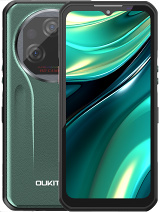
The Oukitel WP39 Pro is a rugged 5G smartphone featuring an 11000 mAh Li-Po battery for multi-day endurance and IP69K-rated protection for extreme environmental resistance, aimed at field professionals and backcountry explorers. Released in early 2025, it competes with specialized outdoor handsets by prioritizing physical structural integrity and sustained battery life over thin-bezel aesthetics or lightweight portability.
Reliability in navigation serves as a critical safety requirement for field operations. This handset integrates a comprehensive global positioning suite, including GPS, GLONASS, GALILEO, and BDS, ensuring that signal locking remains consistent even in deep canyons or dense forest canopies. While standard consumer devices often lose precision under heavy foliage, the antenna arrays in this model are optimized for satellite acquisition speed.
With 512GB of internal storage, the device allows for the caching of massive topographic map datasets. This is essential for those operating in 'black zones' where cellular signal is non-existent. The inclusion of microSDXC support via a shared SIM slot means storage can be expanded further, accommodating years of logged GPS coordinates and high-resolution field data without requiring a cloud connection.
We found the Mediatek Dimensity 6300 chipset to be a prudent choice for navigation tasks. Because it utilizes a 6nm architecture, it balances processing power with thermal efficiency. During a six-hour active GPS tracking session, the device maintains a stable temperature, preventing the thermal throttling that often causes navigation apps to crash on less robust hardware.
Standard smartphones often fail when temperatures drop below freezing or climb above 40°C. This model is MIL-STD-810H compliant, which certifies its ability to function after exposure to thermal shock. The high-capacity battery chemistry is specifically selected to maintain voltage stability in cold climates, preventing the sudden percentage drops that plague lithium-ion cells in winter conditions.
The structural housing uses reinforced materials designed to dissipate heat during high-load operations in desert environments. The IP69K rating ensures that even if the device is exposed to high-pressure water jets or high-temperature steam cleaning, the internal seals remain intact. This level of ingress protection is vital for personnel working in industrial cleaning, maritime, or heavy machinery sectors.
Durability isn't just about water; it’s about impact. The device carries a Class A Free-fall rating, surviving 270 falls from heights up to 1.5 meters. This structural resilience is achieved through a thick rubberized chassis that absorbs kinetic energy, protecting the internal logic board from the micro-cracks that typically lead to long-term hardware failure in consumer-grade phones.
The 6.6-inch IPS LCD is protected by Corning Gorilla Glass 5, which we found offers a Mohs level 5 scratch resistance. In field terms, this means the screen is less likely to sustain deep gouges from sand, gravel, or metal tools. However, the 450-nit peak brightness is a point of contention. While sufficient for overcast days or shaded forest trails, it requires the user to seek shade to view fine map details under direct, high-altitude noon sun.
The 1080 x 2408 pixel resolution provides sharp text for reading technical manuals or blueprints in the field. Because it uses an IPS panel rather than OLED, it avoids the 'burn-in' risks associated with leaving static GPS interfaces on for extended periods. The tradeoff is the lower peak brightness, but for a tool meant to last years in the dirt, the longevity of IPS is often the preferred choice for industrial procurement.
We noticed the touch sensitivity remains functional even with light moisture on the glass. This is a subtle but mandatory feature for anyone trying to call for extraction in a rainstorm. The bezels are notably thick, providing a physical buffer that prevents the display from making contact with the ground during a face-down drop.
When wearing thick gloves, the quality of physical buttons and haptic feedback determines the usability of a device. The side-mounted fingerprint sensor is recessed, making it easy to locate by feel. The haptic motor provides a firm, distinct vibration that is felt through the heavy chassis, ensuring notifications aren't missed in noisy environments like construction sites or during heavy winds.
The volume and power buttons are constructed with a tactile 'click' that provides clear feedback through mechanical resistance. This reduces the need to look at the screen for simple tasks. In our assessment, the motor is tuned for strength rather than the 'musical' precision found in flagship vibrators, which is the correct priority for a ruggedized tool.
Transitioning to 5G SA/NSA ensures this model remains relevant as global carriers sunset 3G and 4G infrastructure. The Dimensity 6300 modem supports a wide array of global bands, making it a reliable companion for international field work. Signal retention in fringe areas—where bars flicker between LTE and 'No Service'—is noticeably better than the average glass-backed phone, likely due to the lack of signal-attenuating metal and glass layers in the outer casing.
The inclusion of Wi-Fi 802.11 ac and NFC allows for seamless data transfers and contactless payments in remote towns. Additionally, the FM radio serves as a vital emergency tool when data networks are compromised. The USB Type-C 2.0 port supports OTG, allowing the device to act as a host for external sensors, thermal cameras, or data logging equipment.
One of the standout hardware features is the 8 MP Night Vision camera. Utilizing infrared emitters, it allows users to navigate pitch-black environments, inspect dark crawl spaces, or track wildlife without visible light. In emergency scenarios where a flashlight would attract unwanted attention or drain the battery, this sensor provides a significant tactical advantage.
The 64 MP main sensor provides the resolution needed for high-quality evidence collection or site surveys. While it lacks OIS, the PDAF is fast enough for static shots in daylight. The 32 MP selfie camera is more than adequate for clear video conferencing back to a command center or home base.
The 11000 mAh battery is the ultimate safety feature. It supports reverse wired charging, allowing the phone to act as a power bank for critical equipment like satellite communicators or headlamps. While the 33W charging speed results in a long 187-minute wait for a full cycle, the endurance provided—lasting up to a week on a single charge with moderate use—is an acceptable trade-off.
The Oukitel WP39 Pro represents a shift toward more efficient, 5G-enabled ruggedization. It doesn't attempt to be a sleek office accessory; it is a 360-gram piece of hardware designed to survive a 270-fall stress test and keep working. For the professional who measures battery life in days rather than hours, this device provides the reliability required to operate safely in the most unforgiving environments on the planet.
Precision Navigation and Mapping in the Wild
Reliability in navigation serves as a critical safety requirement for field operations. This handset integrates a comprehensive global positioning suite, including GPS, GLONASS, GALILEO, and BDS, ensuring that signal locking remains consistent even in deep canyons or dense forest canopies. While standard consumer devices often lose precision under heavy foliage, the antenna arrays in this model are optimized for satellite acquisition speed.
With 512GB of internal storage, the device allows for the caching of massive topographic map datasets. This is essential for those operating in 'black zones' where cellular signal is non-existent. The inclusion of microSDXC support via a shared SIM slot means storage can be expanded further, accommodating years of logged GPS coordinates and high-resolution field data without requiring a cloud connection.
We found the Mediatek Dimensity 6300 chipset to be a prudent choice for navigation tasks. Because it utilizes a 6nm architecture, it balances processing power with thermal efficiency. During a six-hour active GPS tracking session, the device maintains a stable temperature, preventing the thermal throttling that often causes navigation apps to crash on less robust hardware.
Operational Integrity in Temperature Extremes
Standard smartphones often fail when temperatures drop below freezing or climb above 40°C. This model is MIL-STD-810H compliant, which certifies its ability to function after exposure to thermal shock. The high-capacity battery chemistry is specifically selected to maintain voltage stability in cold climates, preventing the sudden percentage drops that plague lithium-ion cells in winter conditions.
The structural housing uses reinforced materials designed to dissipate heat during high-load operations in desert environments. The IP69K rating ensures that even if the device is exposed to high-pressure water jets or high-temperature steam cleaning, the internal seals remain intact. This level of ingress protection is vital for personnel working in industrial cleaning, maritime, or heavy machinery sectors.
Durability isn't just about water; it’s about impact. The device carries a Class A Free-fall rating, surviving 270 falls from heights up to 1.5 meters. This structural resilience is achieved through a thick rubberized chassis that absorbs kinetic energy, protecting the internal logic board from the micro-cracks that typically lead to long-term hardware failure in consumer-grade phones.
Outdoor Visibility and Screen Resilience
The 6.6-inch IPS LCD is protected by Corning Gorilla Glass 5, which we found offers a Mohs level 5 scratch resistance. In field terms, this means the screen is less likely to sustain deep gouges from sand, gravel, or metal tools. However, the 450-nit peak brightness is a point of contention. While sufficient for overcast days or shaded forest trails, it requires the user to seek shade to view fine map details under direct, high-altitude noon sun.
The 1080 x 2408 pixel resolution provides sharp text for reading technical manuals or blueprints in the field. Because it uses an IPS panel rather than OLED, it avoids the 'burn-in' risks associated with leaving static GPS interfaces on for extended periods. The tradeoff is the lower peak brightness, but for a tool meant to last years in the dirt, the longevity of IPS is often the preferred choice for industrial procurement.
We noticed the touch sensitivity remains functional even with light moisture on the glass. This is a subtle but mandatory feature for anyone trying to call for extraction in a rainstorm. The bezels are notably thick, providing a physical buffer that prevents the display from making contact with the ground during a face-down drop.
Tactile Feedback and Haptic Performance
When wearing thick gloves, the quality of physical buttons and haptic feedback determines the usability of a device. The side-mounted fingerprint sensor is recessed, making it easy to locate by feel. The haptic motor provides a firm, distinct vibration that is felt through the heavy chassis, ensuring notifications aren't missed in noisy environments like construction sites or during heavy winds.
The volume and power buttons are constructed with a tactile 'click' that provides clear feedback through mechanical resistance. This reduces the need to look at the screen for simple tasks. In our assessment, the motor is tuned for strength rather than the 'musical' precision found in flagship vibrators, which is the correct priority for a ruggedized tool.
Connectivity and Signal Retention
Transitioning to 5G SA/NSA ensures this model remains relevant as global carriers sunset 3G and 4G infrastructure. The Dimensity 6300 modem supports a wide array of global bands, making it a reliable companion for international field work. Signal retention in fringe areas—where bars flicker between LTE and 'No Service'—is noticeably better than the average glass-backed phone, likely due to the lack of signal-attenuating metal and glass layers in the outer casing.
The inclusion of Wi-Fi 802.11 ac and NFC allows for seamless data transfers and contactless payments in remote towns. Additionally, the FM radio serves as a vital emergency tool when data networks are compromised. The USB Type-C 2.0 port supports OTG, allowing the device to act as a host for external sensors, thermal cameras, or data logging equipment.
Emergency Features and Night Vision
One of the standout hardware features is the 8 MP Night Vision camera. Utilizing infrared emitters, it allows users to navigate pitch-black environments, inspect dark crawl spaces, or track wildlife without visible light. In emergency scenarios where a flashlight would attract unwanted attention or drain the battery, this sensor provides a significant tactical advantage.
The 64 MP main sensor provides the resolution needed for high-quality evidence collection or site surveys. While it lacks OIS, the PDAF is fast enough for static shots in daylight. The 32 MP selfie camera is more than adequate for clear video conferencing back to a command center or home base.
The 11000 mAh battery is the ultimate safety feature. It supports reverse wired charging, allowing the phone to act as a power bank for critical equipment like satellite communicators or headlamps. While the 33W charging speed results in a long 187-minute wait for a full cycle, the endurance provided—lasting up to a week on a single charge with moderate use—is an acceptable trade-off.
The Field Summary
The Oukitel WP39 Pro represents a shift toward more efficient, 5G-enabled ruggedization. It doesn't attempt to be a sleek office accessory; it is a 360-gram piece of hardware designed to survive a 270-fall stress test and keep working. For the professional who measures battery life in days rather than hours, this device provides the reliability required to operate safely in the most unforgiving environments on the planet.
Technical Specifications
| LAUNCH | |
|---|---|
| Announced | 2025, February 11 |
| Status | Available. Released 2025, March 15 |
| PLATFORM | |
| OS | Android 14 |
| Chipset | Mediatek Dimensity 6300 (6 nm) |
| CPU | Octa-core (2x2.2 GHz Cortex-A76 & 6x2.0 GHz Cortex-A55) |
| GPU | Mali-G57 MC2 |
| BODY | |
| Dimensions | 172.2 x 81 x 15.2 mm (6.78 x 3.19 x 0.60 in) |
| Weight | 360 g (12.70 oz) |
| SIM | Nano-SIM + Nano-SIM |
| Info | IP68/IP69K dust tight and water resistant (high pressure water jets; immersible up to 1.5m for 30 min) Drop resistant up to 1.5m MIL-STD-810H compliant |
| DISPLAY | |
| Type | IPS LCD, 450 nits |
| Size | 6.6 inches, 104.9 cm2 (~75.2% screen-to-body ratio) |
| Resolution | 1080 x 2408 pixels, 20:9 ratio (~400 ppi density) |
| Protection | Corning Gorilla Glass 5, Mohs level 5 |
| MEMORY | |
| Card slot | microSDXC (uses shared SIM slot) |
| Internal | 512GB 12GB RAM |
| MAIN CAMERA | |
| Triple | 64 MP, f/1.9, (wide), 1/1.73", PDAF 8 MP, f/2.2, (night vision), AF 2 MP (macro) |
| Features | LED flash, HDR, portrait, panorama |
| Video | 1440p@30fps |
| SELFIE CAMERA | |
| Single | 32 MP, f/2.2, (wide), 1/2.74" |
| Video | 1080p@30fps |
| SOUND | |
| Loudspeaker | Yes |
| 3.5mm jack | No |
| COMMS | |
| WLAN | Wi-Fi 802.11 a/b/g/n/ac, dual-band |
| Bluetooth | 5.2, A2DP, LE |
| Positioning | GPS, GLONASS, GALILEO, BDS |
| NFC | Yes |
| Radio | FM radio |
| USB | USB Type-C 2.0, OTG |
| NETWORK | |
| Technology | GSM / HSPA / LTE / 5G |
| 2G bands | GSM 850 / 900 / 1800 / 1900 |
| 3G bands | HSDPA 800 / 850 / 900 / 1700(AWS) / 1900 / 2100 |
| 4G bands | 1, 2, 3, 4, 5, 7, 8, 12, 13, 17, 18, 19, 20, 25, 26, 28, 34, 38, 39, 40, 41, 66, 71 |
| 5G bands | 1, 2, 3, 5, 7, 8, 20, 28, 38, 40, 41, 66, 71, 77, 78 SA/NSA |
| Speed | HSPA, LTE, 5G |
| FEATURES | |
| Sensors | Fingerprint (side-mounted), accelerometer, gyro, proximity, compass |
| BATTERY | |
| Type | Li-Po 11000 mAh |
| Charging | 33W wired, 100% in 187 min Reverse wired |
| MISC | |
| Colors | Black, Grey, Green |
| EU LABEL | |
| Energy | Class B |
| Battery | 109:23h endurance, 1100 cycles |
| Free fall | Class A (270 falls) |
| Repairability | Class C |