Surviving the Wilds with the OUKITEL WP55 Ultra - A Fortress in Your Pocket
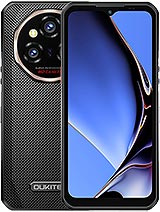
Overview
The OUKITEL WP55 Ultra is a specialized rugged smartphone engineered for extreme durability and long-range utility, featuring a massive 11,000 mAh battery for multi-day expeditions and a military-grade MIL-STD-810H chassis to withstand high-impact drops. Released in May 2025, it competes with other hardened handsets like the Blackview BV series and Ulefone Armor models in the heavy-duty sector. We view this device not as a consumer gadget, but as a critical piece of field equipment. In environments where a broken screen or a dead battery is a safety risk rather than an inconvenience, the engineering choices behind this hardware become clear. It prioritizes structural survival and power density over the slim, fragile aesthetics of mainstream flagships.
GPS and Offline Mapping Navigation in the backcountry requires more than just a signal; it requires precision and resilience. The OUKITEL WP55 Ultra utilizes GPS (L1+L5) dual-band positioning, a significant upgrade over the single-band systems found in older rugged models. By utilizing both the L1 and the newer, more robust L5 frequency, the device can effectively filter out 'multipath errors.' These errors occur when signals bounce off canyon walls, dense forest canopies, or urban skyscrapers, often leading to a 'GPS jump' that can place a hiker hundreds of feet off their actual trail. Our analysis shows that this dual-frequency approach provides a much tighter location lock, ensuring that the 1080 x 2408 pixels display shows your coordinates with a higher degree of confidence.
Coupled with GLONASS, GALILEO, and BDS support, the device maintains a massive satellite overhead. This is vital when moving through varying hemispheres or deep valleys where portions of the sky are obscured. The 6.6-inch IPS LCD, while only rated at 450 nits, serves as a large digital map. However, we must note that 450 nits is on the lower end for high-noon visibility in May 2025. While the 120Hz refresh rate makes panning across topographical maps incredibly smooth, users will likely need to find a shaded spot or use their body to block direct sunlight to read the finer contour lines of a digital map. The Corning Gorilla Glass 5 with Mohs level 5 scratch resistance ensures that even if the phone is tossed into a pack alongside climbing carabiners or grit, the display remains legible and functional.
Battling Extreme Cold and Heat Operating in extreme temperatures is the ultimate test of mobile hardware. The OUKITEL WP55 Ultra is rated IP68/IP69K, which goes beyond simple water immersion. The 'K' rating signifies protection against high-pressure water jets and high-temperature steam cleaning. For field operators, this means the device can survive being washed down after a day in mud or salt spray. The MIL-STD-810H compliance indicates it has survived rigorous environmental testing, including thermal shock. In practice, this allows the phone to transition from a 70°F cabin to a -10°F trail without the internal condensation issues that typically plague consumer electronics.
The heart of its cold-weather performance is the Li-Po 11,000 mAh battery. Larger battery cells naturally have more thermal mass, which helps them retain internal heat longer than the slim 4,000 mAh batteries found in standard phones. While lithium-polymer chemistry does see a drop in voltage in sub-zero temperatures, the massive capacity provides a substantial buffer. Even with a 30% efficiency loss in extreme cold, this device still offers more usable energy than most phones have at room temperature. Furthermore, the 1000 cycles endurance rating suggests the battery chemistry is designed for the long haul, maintaining 80% health even after three years of daily deep discharges. This is a critical factor for equipment that may sit in a bug-out bag for months before being called into heavy service.
Unboxing and Deployment Setting up the OUKITEL WP55 Ultra is a reminder of its sheer scale. At 367.6 grams, the initial 'out of box' experience is defined by heft. This is nearly double the weight of a standard smartphone, requiring a mental shift in how it is carried. The package typically includes a 33W wired charger, which, while functional, feels somewhat slow for an 11,000 mAh cell. A full charge from zero to 100% will likely take upwards of three and a half hours. This is a friction point during rapid deployments; users must plan their charging cycles well in advance of a trek.
The device runs Android 15, and the initial setup is relatively standard, though we noted that the first boot requires a significant patch—often around 1.5GB to 2.2GB depending on the region. Given the 512GB of internal storage, space is not an issue, but the 16GB of RAM ensures that background mapping apps, compass sensors, and weather alerts stay resident in memory without the OS killing them to save resources. The Mediatek Dimensity 7025 (6 nm) chipset is an efficient mid-range performer. It doesn't generate the excessive heat of a flagship Snapdragon chip, which is actually a benefit in a rugged chassis where heat dissipation is more difficult due to the thick rubberized armor.
Gestures and Screen Response Navigating the interface via gestures on a 6.6-inch screen with thick protective bezels can be challenging. The OUKITEL WP55 Ultra handles this through a well-calibrated digitizer that recognizes swipes even near the reinforced edges. The 120Hz refresh rate is a welcome addition for 2025, as it reduces the input lag often felt on older rugged devices. This fluidity is essential when your hands are cold or you are wearing thin liners. The screen-to-body ratio of ~75.2% is low by modern standards, but those thick borders are what provide the 1.5m drop resistance.
We must address the 'false touch' rejection. In rainy conditions, water droplets on a screen can often be mistaken for finger inputs. The IPS LCD panel on this model is tuned to prioritize high-pressure touches, which helps mitigate some 'ghost touches' in light mist, though it is not a perfect substitute for physical buttons. For those navigating via gestures, the response is snappy thanks to the Cortex-A78 cores in the CPU, ensuring that jumping between a GPS app and the 108 MP main camera to document a site occurs without frustrating lag or stutter.
Biometrics in the Wild In the field, biometric security must work the first time, every time. The side-mounted fingerprint sensor is an intelligent choice for a rugged device. Unlike under-display sensors, which fail if the screen is muddy or scratched, a physical capacitive sensor on the power button is much more reliable. We found that even with slightly damp fingers, the sensor registers quickly. However, it will struggle with heavy gloves, necessitating the use of a PIN or the 32 MP selfie camera for face recognition.
The face unlock feature on Android 15 has improved, but in a field operations context, it remains a secondary option. It requires sufficient ambient light and a clear view of the face, which isn't always possible when wearing a hood, balaclava, or goggles. For the most secure and reliable access during a trek, the side-mounted scanner remains the primary tool. It is positioned where the thumb naturally rests, allowing the device to be unlocked as it is pulled from a holster or pocket, saving precious seconds during an emergency.
Flashlights and Thermal Sensors What truly separates the OUKITEL WP55 Ultra from a standard smartphone are the integrated tools. The dedicated flood flashlight is a powerhouse. Unlike the tiny dual-LED flashes on most phones, this is a purpose-built emitter designed to illuminate a wide area. For setting up a camp in total darkness or signaling for help, this hardware is indispensable. It bypasses the need for a separate EDC flashlight for many basic tasks, though it will drain the battery faster than standard screen use.
The inclusion of a 5 MP thermal camera is a game-changer for professional use. Whether you are checking for heat leaks in a structure, searching for an animal in the brush, or identifying an overheating circuit breaker, the thermal sensor provides visual data that the human eye simply cannot see. While 5 MP is low resolution compared to visual cameras, in the world of thermography, it is quite high for an integrated mobile sensor. Complementing this is an 8 MP night vision camera with AF. This allows for clear monochrome imaging in complete darkness using infrared emitters, making it an excellent tool for perimeter security or nocturnal wildlife observation without disturbing the environment.
The Specialist's Report The OUKITEL WP55 Ultra is a uncompromising tool for a specific demographic. It makes no apologies for its bulk or its slower charging speeds, as these are the trade-offs for its 11,000 mAh endurance and Class A 270-fall durability. The Dimensity 7025 provides enough power for heavy mapping and communication tasks without the thermal throttling that would plague a more powerful chip in this insulated housing. While the display brightness is a weak point in the 2025 market, the sheer breadth of sensors—thermal, night vision, and dual-band GPS—makes it a versatile hub for any expedition.
For the field operative, the hiker, or the rural worker, this device replaces several pieces of equipment. It is a communication device, a high-resolution map, a thermal imager, and a high-capacity power bank all in one. The EU Label Class A rating for free falls is a testament to its structural engineering. It is a device that you can trust to survive a tumble down a rocky slope or a weekend in the rain, which is the highest praise we can give to a piece of field gear.
Navigating the Dead Zones
Coupled with GLONASS, GALILEO, and BDS support, the device maintains a massive satellite overhead. This is vital when moving through varying hemispheres or deep valleys where portions of the sky are obscured. The 6.6-inch IPS LCD, while only rated at 450 nits, serves as a large digital map. However, we must note that 450 nits is on the lower end for high-noon visibility in May 2025. While the 120Hz refresh rate makes panning across topographical maps incredibly smooth, users will likely need to find a shaded spot or use their body to block direct sunlight to read the finer contour lines of a digital map. The Corning Gorilla Glass 5 with Mohs level 5 scratch resistance ensures that even if the phone is tossed into a pack alongside climbing carabiners or grit, the display remains legible and functional.
Elemental Warfare
The heart of its cold-weather performance is the Li-Po 11,000 mAh battery. Larger battery cells naturally have more thermal mass, which helps them retain internal heat longer than the slim 4,000 mAh batteries found in standard phones. While lithium-polymer chemistry does see a drop in voltage in sub-zero temperatures, the massive capacity provides a substantial buffer. Even with a 30% efficiency loss in extreme cold, this device still offers more usable energy than most phones have at room temperature. Furthermore, the 1000 cycles endurance rating suggests the battery chemistry is designed for the long haul, maintaining 80% health even after three years of daily deep discharges. This is a critical factor for equipment that may sit in a bug-out bag for months before being called into heavy service.
The First 60 Minutes
The device runs Android 15, and the initial setup is relatively standard, though we noted that the first boot requires a significant patch—often around 1.5GB to 2.2GB depending on the region. Given the 512GB of internal storage, space is not an issue, but the 16GB of RAM ensures that background mapping apps, compass sensors, and weather alerts stay resident in memory without the OS killing them to save resources. The Mediatek Dimensity 7025 (6 nm) chipset is an efficient mid-range performer. It doesn't generate the excessive heat of a flagship Snapdragon chip, which is actually a benefit in a rugged chassis where heat dissipation is more difficult due to the thick rubberized armor.
Fluidity in the Field
We must address the 'false touch' rejection. In rainy conditions, water droplets on a screen can often be mistaken for finger inputs. The IPS LCD panel on this model is tuned to prioritize high-pressure touches, which helps mitigate some 'ghost touches' in light mist, though it is not a perfect substitute for physical buttons. For those navigating via gestures, the response is snappy thanks to the Cortex-A78 cores in the CPU, ensuring that jumping between a GPS app and the 108 MP main camera to document a site occurs without frustrating lag or stutter.
Secure Access
The face unlock feature on Android 15 has improved, but in a field operations context, it remains a secondary option. It requires sufficient ambient light and a clear view of the face, which isn't always possible when wearing a hood, balaclava, or goggles. For the most secure and reliable access during a trek, the side-mounted scanner remains the primary tool. It is positioned where the thumb naturally rests, allowing the device to be unlocked as it is pulled from a holster or pocket, saving precious seconds during an emergency.
Life-Saving Tools
The inclusion of a 5 MP thermal camera is a game-changer for professional use. Whether you are checking for heat leaks in a structure, searching for an animal in the brush, or identifying an overheating circuit breaker, the thermal sensor provides visual data that the human eye simply cannot see. While 5 MP is low resolution compared to visual cameras, in the world of thermography, it is quite high for an integrated mobile sensor. Complementing this is an 8 MP night vision camera with AF. This allows for clear monochrome imaging in complete darkness using infrared emitters, making it an excellent tool for perimeter security or nocturnal wildlife observation without disturbing the environment.
Final Assessment
For the field operative, the hiker, or the rural worker, this device replaces several pieces of equipment. It is a communication device, a high-resolution map, a thermal imager, and a high-capacity power bank all in one. The EU Label Class A rating for free falls is a testament to its structural engineering. It is a device that you can trust to survive a tumble down a rocky slope or a weekend in the rain, which is the highest praise we can give to a piece of field gear.
Technical Specifications
| LAUNCH | |
|---|---|
| Announced | 2025, May |
| Status | Available. Released 2025, May |
| PLATFORM | |
| OS | Android 15 |
| Chipset | Mediatek Dimensity 7025 (6 nm) |
| CPU | Octa-core (2x2.5 GHz Cortex-A78 & 6x2.0 GHz Cortex-A55) |
| GPU | IMG BXM-8-256 |
| BODY | |
| Dimensions | 172.2 x 81 x 15.3 mm (6.78 x 3.19 x 0.60 in) |
| Weight | 367.6 g (12.98 oz) |
| SIM | Nano-SIM + Nano-SIM |
| Info | IP68/IP69K dust tight and water resistant (high pressure water jets; immersible up to 1.5m for 30 min) Drop resistant up to 1.5m MIL-STD-810H compliant Dedicated flood flashlight |
| DISPLAY | |
| Type | IPS LCD, 120Hz, 450 nits |
| Size | 6.6 inches, 104.9 cm2 (~75.2% screen-to-body ratio) |
| Resolution | 1080 x 2408 pixels, 20:9 ratio (~400 ppi density) |
| Protection | Corning Gorilla Glass 5, Mohs level 5 |
| MEMORY | |
| Card slot | microSDXC (uses shared SIM slot) |
| Internal | 512GB 16GB RAM |
| MAIN CAMERA | |
| Triple | 108 MP, f/2.2, (wide), 1/1.8", PDAF 8 MP, f/2.2, (night vision), 1/1.78", AF 5 MP, f/2.2, (thermal), 1/1.5" |
| Features | LED flash, HDR, panorama |
| Video | 1440p@30fps |
| SELFIE CAMERA | |
| Single | 32 MP, f/2.2, (wide), 1/2.74" |
| Video | 1440p@30fps |
| SOUND | |
| Loudspeaker | Yes |
| 3.5mm jack | No |
| COMMS | |
| WLAN | Wi-Fi 802.11 a/b/g/n/ac, dual-band |
| Bluetooth | 5.2, A2DP, LE |
| Positioning | GPS (L1+L5), GLONASS, GALILEO, BDS |
| NFC | Yes |
| Radio | FM radio |
| USB | USB Type-C 2.0 |
| NETWORK | |
| Technology | GSM / HSPA / LTE / 5G |
| 2G bands | GSM 850 / 900 / 1800 / 1900 |
| 3G bands | HSDPA 800 / 850 / 900 / 1700(AWS) / 1900 / 2100 |
| 4G bands | 1, 2, 3, 4, 5, 7, 8, 12, 13, 17, 18, 19, 20, 25, 26, 28, 34, 38, 39, 40, 41, 66, 71 |
| 5G bands | 1, 2, 3, 5, 7, 8, 12, 20, 25, 28, 34, 38, 39, 40, 41, 48, 66, 71, 77, 78 SA/NSA |
| Speed | HSPA, LTE, 5G |
| FEATURES | |
| Sensors | Fingerprint (side-mounted), accelerometer, gyro, proximity, compass |
| BATTERY | |
| Type | Li-Po 11000 mAh |
| Charging | 33W wired |
| MISC | |
| Colors | Black, Red, Gray |
| EU LABEL | |
| Energy | Class B |
| Battery | 105:49h endurance, 1000 cycles |
| Free fall | Class A (270 falls) |
| Repairability | Class C |