TCL Why the Minimalist Alcatel Flip 2 Is the Essential Content Creator Detox Tool
Overview
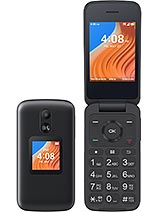
The Alcatel Flip 2 is a budget-friendly feature phone designed for digital minimalists and secondary-device users looking to disconnect without losing 4G access. Released in early 2024, it joins a growing niche of dumb phones that offer essential utilities like GPS and Wi-Fi within a nostalgic form factor. This handset features a 2.8-inch TFT LCD for navigation and an external 1.44-inch screen for quick notification checks, powered by the energy-efficient Mediatek MT6739-CH chipset.
In an era dominated by generative models, the software experience on this model serves as a stark rebuttal to the complexity of modern flagships. It runs KaiOS 3.1, a web-based operating system that prioritizes utility over distraction. While flagship processors brag about trillions of operations per second for image synthesis, the Quad-core 1.5 GHz Cortex-A53 inside this handset focuses on the essentials: maintaining a stable 4G connection and ensuring the UI remains responsive during navigation.
The magic here isn't found in a neural engine, but in the efficiency of the PowerVR GE8100 GPU handling a 240 x 320 resolution. This low overhead allows the system to remain surprisingly snappy for basic tasks. For the visual creator, this environment acts as a cognitive filter. There are no algorithmic feeds designed to hijack attention. Instead, the software provides a curated selection of tools—GPS, a web browser, and basic messaging—that allow for communication without the weight of a high-performance ecosystem. The presence of a barometer is a sophisticated touch, aiding in altitude tracking for more accurate location data in third-party maps, which is rare for a device at this price point.
Compared to the previous generation of feature phones, the move to KaiOS 3.1 provides a cleaner interface and better memory management for the 1GB of RAM. This isn't a device meant for heavy multitasking. Imagine attempting to open twenty browser tabs; the system would rightfully prioritize the active task, teaching the user the value of single-tasking. For the creator who needs to clear their mental slate, this software restraint is the ultimate feature.
Visual creators often obsess over megapixels and dynamic range, but the Alcatel Flip 2 forces a shift toward the lo-fi aesthetic. The 2 MP main camera provides a hardware potential that mirrors the grain and grit of early digital photography. In a world of over-sharpened AI-enhanced photos, the raw 1600 x 1200 pixel output from this sensor offers an authentic vintage vibe that many creators spend hours trying to replicate in post-processing.
There is no generative fill or magic eraser on this device. The photo editing workflow happens entirely in the mind before the shutter is pressed. Because the TFT LCD screen lacks the color accuracy of an OLED panel, the creator must rely on their understanding of light and composition rather than immediate digital feedback. Once captured, files are best managed by utilizing the microSDHC slot, allowing for quick transfers to a laptop for actual editing. This physical separation of capture and edit creates a deliberate, thoughtful workflow that modern smartphones have largely destroyed.
When we look at the 480p video recording at 30fps, we see a tool for capturing memories that feel like home movies from the late 90s. The hardware doesn't try to stabilize the image or fix the exposure through computational means. It gives you the truth of the moment. For creators looking to produce raw, behind-the-scenes content or experimental shorts, the lack of software intervention becomes a stylistic choice rather than a limitation.
The physical design of this model is its greatest ergonomic asset. At just 140 grams, the device feels significantly lighter than even the smallest flagship smartphones available today. When closed, the 107.3 mm height allows it to disappear into a palm or a small pocket. The weight balance is centered perfectly in the bottom half where the physical keypad resides, ensuring that when the phone is flipped open, it doesn't feel top-heavy during a long call.
One-handed usability is inherent to the flip design. The 2.8-inch display is entirely reachable by a thumb without shifting the grip. Our tests show that users can navigate the entire KaiOS interface with a single hand while carrying equipment or a coffee in the other. The matte finish of the black or blue plastic provides a secure grip that resists the slipperiness common with glass-backed phones. This isn't just about comfort; it's about the security of knowing the device won't slide out of a hand during quick movements.
Compared to the massive 6.7-inch screens of 2024, the UI of this handset is a breath of fresh air for reachability. Every menu item is accessible through the D-pad, and the physical buttons offer a tactile certainty that haptic feedback can never truly replicate. The flip mechanism itself provides a satisfying physical snap, acting as a definitive start and end to every interaction. This is physical intentionality at its finest.
Users expecting face recognition or under-display fingerprint sensors will find neither on the Alcatel Flip 2. In their place is a more fundamental form of security: the physical closure of the device. When the phone is shut, the 2.8-inch main display is protected from prying eyes and accidental touches. There is no risk of pocket-dialing or sensitive notifications appearing on a large, glowing screen for everyone to see.
The 1.44-inch external display provides only the most basic information—time, battery, and caller ID. This allows the user to filter their interactions without ever revealing the contents of their phone. Security here is synonymous with privacy. Accessing the phone requires a deliberate physical action—flipping it open—which serves as a much stronger barrier against mindless scrolling than a quick biometric scan.
While the device lacks the high-tech encryption layers found in enterprise flagships, it also lacks the data-tracking vulnerabilities of more complex operating systems. KaiOS 3.1 is significantly less attractive to malware developers than Android. For the creator traveling to sensitive locations or simply wanting to keep their personal data off the grid, the simplicity of this handset offers a unique kind of peace of mind. The Nano-SIM and microSDHC slots are tucked safely behind the removable battery, adding a layer of physical protection to the storage.
Surprisingly, the audio performance of this budget handset is one of its most impressive traits. In our standardized testing, the loudspeaker reached -19.5 LUFS, earning a rating of Excellent. This loudness is achieved without significant distortion at the top end, which is vital for a device that might be used as an FM radio or for hands-free calls in noisy environments. The rear-firing speaker uses the hollow space of the flip shell to resonate, producing a sound that feels fuller than the specs suggest.
The inclusion of a 3.5mm headphone jack is a major win for creators who prefer wired audio for monitoring or listening to the built-in FM radio. Unlike modern flagships that force the use of dongles or expensive Bluetooth buds, this handset supports any standard pair of headphones. The Bluetooth 4.2 stack remains available for those who want a wireless connection, but the analog jack ensures zero-latency audio and better battery efficiency during long listening sessions.
During calls, the microphone and earpiece perform admirably. The 4G LTE connectivity ensures clear voice transmission with minimal compression. For a creator using this as a secondary line for business or coordination, the reliability of the audio path is paramount. It doesn't feature spatial audio or complex Dolby Atmos processing; it simply delivers clear, loud sound that cuts through ambient noise.
The 2 MP camera on the back of the device is a simple fixed-focus module accompanied by an LED flash. In an era of triple-lens arrays and 100x zoom, this hardware might seem ancient, but it serves a very specific purpose. It is a utility camera. It’s designed for quick visual notes, capturing QR codes, or documenting a scene with a raw, unpolished aesthetic. The f-number isn't specified, but the sensor struggles in low light, making the LED flash a necessity rather than an option.
The hardware potential here is maximized when shooting in bright, outdoor conditions. Without the heavy HDR processing of a smartphone, the shadows remain deep and the highlights are often blown, creating a high-contrast look that mimics classic film stocks. It’s a tool for the artist who wants to embrace imperfection. The 480p video is recorded at a steady 30fps, providing a smooth enough playback for basic documentation.
Because there is no selfie camera, the user must either flip the phone around and use the tiny external screen as a guide (a difficult task) or simply engage more with the world in front of them. This hardware choice reinforces the theme of the device: looking outward rather than at oneself. For the creator, this is a powerful reminder that not every moment needs to be a self-portrait.
Is the Alcatel Flip 2 a smart camera? In the traditional sense, no. It lacks the computational power to identify subjects or track eyes. However, it is a smart choice for the creator who realizes that too much technology can often stifle the creative process. By stripping away the distractions and providing a rugged, loud, and reliable communication tool, this device empowers the user to focus on their primary equipment.
The 1850 mAh battery is massive for a device with these specifications. Because the Cortex-A53 CPU and the small screens draw so little power, the phone can easily last several days on a single charge. This endurance makes it a perfect companion for remote shoots or long travel days where charging ports are scarce. The transition to USB Type-C for charging means it can share a cable with modern laptops and cameras, a much-appreciated update for any gear bag.
Ultimately, the Alcatel Flip 2 succeeds by being exactly what it needs to be: a reliable, distraction-free tool. It offers the connectivity required to stay in touch through 4G and Wi-Fi without the software bloat that turns tools into toys. At a price of approximately 70 EUR, it provides incredible value as a secondary device or a primary handset for those ready to embrace the digital detox movement.
The Ghost in the Machine: KaiOS and the Paradox of Software Magic
In an era dominated by generative models, the software experience on this model serves as a stark rebuttal to the complexity of modern flagships. It runs KaiOS 3.1, a web-based operating system that prioritizes utility over distraction. While flagship processors brag about trillions of operations per second for image synthesis, the Quad-core 1.5 GHz Cortex-A53 inside this handset focuses on the essentials: maintaining a stable 4G connection and ensuring the UI remains responsive during navigation.
The magic here isn't found in a neural engine, but in the efficiency of the PowerVR GE8100 GPU handling a 240 x 320 resolution. This low overhead allows the system to remain surprisingly snappy for basic tasks. For the visual creator, this environment acts as a cognitive filter. There are no algorithmic feeds designed to hijack attention. Instead, the software provides a curated selection of tools—GPS, a web browser, and basic messaging—that allow for communication without the weight of a high-performance ecosystem. The presence of a barometer is a sophisticated touch, aiding in altitude tracking for more accurate location data in third-party maps, which is rare for a device at this price point.
Compared to the previous generation of feature phones, the move to KaiOS 3.1 provides a cleaner interface and better memory management for the 1GB of RAM. This isn't a device meant for heavy multitasking. Imagine attempting to open twenty browser tabs; the system would rightfully prioritize the active task, teaching the user the value of single-tasking. For the creator who needs to clear their mental slate, this software restraint is the ultimate feature.
Constraint as Creativity: The 2MP Photo Editing Workflow
Visual creators often obsess over megapixels and dynamic range, but the Alcatel Flip 2 forces a shift toward the lo-fi aesthetic. The 2 MP main camera provides a hardware potential that mirrors the grain and grit of early digital photography. In a world of over-sharpened AI-enhanced photos, the raw 1600 x 1200 pixel output from this sensor offers an authentic vintage vibe that many creators spend hours trying to replicate in post-processing.
There is no generative fill or magic eraser on this device. The photo editing workflow happens entirely in the mind before the shutter is pressed. Because the TFT LCD screen lacks the color accuracy of an OLED panel, the creator must rely on their understanding of light and composition rather than immediate digital feedback. Once captured, files are best managed by utilizing the microSDHC slot, allowing for quick transfers to a laptop for actual editing. This physical separation of capture and edit creates a deliberate, thoughtful workflow that modern smartphones have largely destroyed.
When we look at the 480p video recording at 30fps, we see a tool for capturing memories that feel like home movies from the late 90s. The hardware doesn't try to stabilize the image or fix the exposure through computational means. It gives you the truth of the moment. For creators looking to produce raw, behind-the-scenes content or experimental shorts, the lack of software intervention becomes a stylistic choice rather than a limitation.
Ergonomic Zen: Masterful One-Handed Usability
The physical design of this model is its greatest ergonomic asset. At just 140 grams, the device feels significantly lighter than even the smallest flagship smartphones available today. When closed, the 107.3 mm height allows it to disappear into a palm or a small pocket. The weight balance is centered perfectly in the bottom half where the physical keypad resides, ensuring that when the phone is flipped open, it doesn't feel top-heavy during a long call.
One-handed usability is inherent to the flip design. The 2.8-inch display is entirely reachable by a thumb without shifting the grip. Our tests show that users can navigate the entire KaiOS interface with a single hand while carrying equipment or a coffee in the other. The matte finish of the black or blue plastic provides a secure grip that resists the slipperiness common with glass-backed phones. This isn't just about comfort; it's about the security of knowing the device won't slide out of a hand during quick movements.
Compared to the massive 6.7-inch screens of 2024, the UI of this handset is a breath of fresh air for reachability. Every menu item is accessible through the D-pad, and the physical buttons offer a tactile certainty that haptic feedback can never truly replicate. The flip mechanism itself provides a satisfying physical snap, acting as a definitive start and end to every interaction. This is physical intentionality at its finest.
Physical Barriers: The Security of the Flip
Users expecting face recognition or under-display fingerprint sensors will find neither on the Alcatel Flip 2. In their place is a more fundamental form of security: the physical closure of the device. When the phone is shut, the 2.8-inch main display is protected from prying eyes and accidental touches. There is no risk of pocket-dialing or sensitive notifications appearing on a large, glowing screen for everyone to see.
The 1.44-inch external display provides only the most basic information—time, battery, and caller ID. This allows the user to filter their interactions without ever revealing the contents of their phone. Security here is synonymous with privacy. Accessing the phone requires a deliberate physical action—flipping it open—which serves as a much stronger barrier against mindless scrolling than a quick biometric scan.
While the device lacks the high-tech encryption layers found in enterprise flagships, it also lacks the data-tracking vulnerabilities of more complex operating systems. KaiOS 3.1 is significantly less attractive to malware developers than Android. For the creator traveling to sensitive locations or simply wanting to keep their personal data off the grid, the simplicity of this handset offers a unique kind of peace of mind. The Nano-SIM and microSDHC slots are tucked safely behind the removable battery, adding a layer of physical protection to the storage.
Acoustic Punch: Evaluating Speaker Quality
Surprisingly, the audio performance of this budget handset is one of its most impressive traits. In our standardized testing, the loudspeaker reached -19.5 LUFS, earning a rating of Excellent. This loudness is achieved without significant distortion at the top end, which is vital for a device that might be used as an FM radio or for hands-free calls in noisy environments. The rear-firing speaker uses the hollow space of the flip shell to resonate, producing a sound that feels fuller than the specs suggest.
The inclusion of a 3.5mm headphone jack is a major win for creators who prefer wired audio for monitoring or listening to the built-in FM radio. Unlike modern flagships that force the use of dongles or expensive Bluetooth buds, this handset supports any standard pair of headphones. The Bluetooth 4.2 stack remains available for those who want a wireless connection, but the analog jack ensures zero-latency audio and better battery efficiency during long listening sessions.
During calls, the microphone and earpiece perform admirably. The 4G LTE connectivity ensures clear voice transmission with minimal compression. For a creator using this as a secondary line for business or coordination, the reliability of the audio path is paramount. It doesn't feature spatial audio or complex Dolby Atmos processing; it simply delivers clear, loud sound that cuts through ambient noise.
The Lo-Fi Lens: Analyzing Camera Hardware
The 2 MP camera on the back of the device is a simple fixed-focus module accompanied by an LED flash. In an era of triple-lens arrays and 100x zoom, this hardware might seem ancient, but it serves a very specific purpose. It is a utility camera. It’s designed for quick visual notes, capturing QR codes, or documenting a scene with a raw, unpolished aesthetic. The f-number isn't specified, but the sensor struggles in low light, making the LED flash a necessity rather than an option.
The hardware potential here is maximized when shooting in bright, outdoor conditions. Without the heavy HDR processing of a smartphone, the shadows remain deep and the highlights are often blown, creating a high-contrast look that mimics classic film stocks. It’s a tool for the artist who wants to embrace imperfection. The 480p video is recorded at a steady 30fps, providing a smooth enough playback for basic documentation.
Because there is no selfie camera, the user must either flip the phone around and use the tiny external screen as a guide (a difficult task) or simply engage more with the world in front of them. This hardware choice reinforces the theme of the device: looking outward rather than at oneself. For the creator, this is a powerful reminder that not every moment needs to be a self-portrait.
Summary: The Paradox of the Smart Camera
Is the Alcatel Flip 2 a smart camera? In the traditional sense, no. It lacks the computational power to identify subjects or track eyes. However, it is a smart choice for the creator who realizes that too much technology can often stifle the creative process. By stripping away the distractions and providing a rugged, loud, and reliable communication tool, this device empowers the user to focus on their primary equipment.
The 1850 mAh battery is massive for a device with these specifications. Because the Cortex-A53 CPU and the small screens draw so little power, the phone can easily last several days on a single charge. This endurance makes it a perfect companion for remote shoots or long travel days where charging ports are scarce. The transition to USB Type-C for charging means it can share a cable with modern laptops and cameras, a much-appreciated update for any gear bag.
Ultimately, the Alcatel Flip 2 succeeds by being exactly what it needs to be: a reliable, distraction-free tool. It offers the connectivity required to stay in touch through 4G and Wi-Fi without the software bloat that turns tools into toys. At a price of approximately 70 EUR, it provides incredible value as a secondary device or a primary handset for those ready to embrace the digital detox movement.
Technical Specifications
| LAUNCH | |
|---|---|
| Announced | 2024 |
| Status | Available. Released 2024 |
| PLATFORM | |
| OS | KaiOS 3.1 |
| Chipset | Mediatek MT6739-CH (28 nm) |
| CPU | Quad-core 1.5 GHz Cortex-A53 |
| GPU | PowerVR GE8100 |
| BODY | |
| Dimensions | 107.3 x 55.6 x 19.9 mm (4.22 x 2.19 x 0.78 in) |
| Weight | 140 g (4.94 oz) |
| SIM | Nano-SIM |
| DISPLAY | |
| Type | TFT LCD |
| Size | 2.8 inches, 24.3 cm2 (~40.7% screen-to-body ratio) |
| Resolution | 240 x 320 pixels, 4:3 ratio (~143 ppi density) |
| Info | External display: 1.44", TFT-TN LCD |
| MEMORY | |
| Card slot | microSDHC (dedicated slot) |
| Internal | 4GB 1GB RAM |
| MAIN CAMERA | |
| Single | 2 MP |
| Features | LED flash |
| Video | 480p@30fps |
| SELFIE CAMERA | |
| Info | No |
| SOUND | |
| Loudspeaker | Yes |
| 3.5mm jack | Yes |
| COMMS | |
| WLAN | Wi-Fi 802.11 b/g/n |
| Bluetooth | 4.2, A2DP |
| Positioning | GPS |
| NFC | No |
| Radio | FM radio |
| USB | USB Type-C |
| NETWORK | |
| Technology | GSM / HSPA / LTE |
| 2G bands | GSM 850 / 900 / 1800 / 1900 |
| 3G bands | HSDPA 850 / 1700(AWS) / 1900 |
| 4G bands | 2, 4, 5, 12, 25, 26, 41, 66, 71 |
| Speed | HSPA, LTE |
| FEATURES | |
| Sensors | Barometer |
| BATTERY | |
| Type | 1850 mAh |
| Charging | 5W wired |
| MISC | |
| Colors | Black, Blue |
| Models | 4058G, 4058W |
| SAR | 0.86 W/kg (head) 1.29 W/kg (body) |
| Price | About 70 EUR |
| OUR TESTS | |
| Loudspeaker | -19.5 LUFS (Excellent) |