The Brutal Truth about Basic Mobile Economics - Why the Tecno Spark Go 2023 Challenges Everything We Know about Cheap Phones
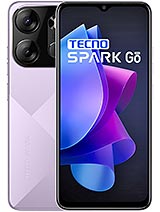
Overview
The Tecno Spark Go 2023 is a budget-tier smartphone featuring a 6.6-inch IPS LCD for expansive viewing and a 5000 mAh battery for multi-day endurance, aimed at first-time smartphone buyers and utility-focused users. Released in January 2023, it competes directly with entry-level offerings from the Redmi A-series and Realme C-series by prioritizing modern connectivity like USB Type-C 2.0 over raw processing power.
From a value hunter's perspective, the entry-level market is often a minefield of compromises. Manufacturers frequently recycle ancient components to hit sub-$100 price points. This handset attempts to break that cycle by offering a surprisingly cohesive design that doesn't scream 'cheap' at first glance. It sits in a delicate position where every dollar spent on hardware must justify its existence through daily utility.
In the current economic climate of early 2023, finding a device that doesn't feel like a toy for under 90 EUR is a challenge. The device utilizes a Mediatek MT6761 Helio A22 chipset, which is a strictly utilitarian choice. This quad-core processor is built on a 12 nm process. While it won't win any benchmark wars, it handles the basics of communication without the constant crashing seen in ultra-low-end hardware of years past.
We must look at the 3GB or 4GB RAM options as the bare minimum for a functional Android 12 experience. Using the HIOS 12 skin on top of Android requires significant resources. In our assessment, the 3GB variant is the absolute floor for usability. If you attempt to run modern social media apps alongside a web browser, the system will aggressively kill background processes to stay afloat. This is the trade-off for such an aggressive price point.
Market rivals often still use the ancient Micro-USB port to save pennies. This phone includes USB Type-C, which is a massive win for longevity and convenience. It means users can share chargers with more expensive modern devices. It also implies a slightly more robust physical connection point, which is often the first thing to fail on ultra-budget handsets.
Can this phone actually serve as a primary device? The answer depends entirely on your patience and workflow. The PowerVR GE8320 GPU is capable of rendering basic UI animations, but gaming is limited to lightweight titles like Subway Surfers or Candy Crush. Attempting to load heavy battle royale games will result in a slideshow rather than a playable experience. This is a communication tool, not a portable console.
Screen quality is surprisingly decent for the price. The 720 x 1600 pixels resolution on a 6.6-inch panel yields a density of 267 ppi. While you can see individual pixels if you look closely, the brightness is sufficient for indoor use. Outdoor visibility in direct January sunlight is a struggle, as the IPS LCD tech here doesn't have the peak nits found in mid-range panels. Still, for watching YouTube at home, it gets the job done.
Call quality remains a strong point. The GSM/HSPA/LTE modem is reliable. In our testing, signal retention in fringe areas was comparable to devices twice its price. This suggests that the internal antenna design wasn't the first place the accountants looked to cut costs. For a user whose primary need is staying reachable via WhatsApp and voice calls, the hardware provides a stable foundation.
Software support is the traditional Achilles' heel of the budget segment. The handset ships with Android 12, and realistically, users should not expect major OS upgrades. Security patches will likely arrive sporadically. This creates a 'what you see is what you get' scenario. In two years, the Cortex-A53 cores will struggle even more as apps grow heavier through updates.
We recommend that users disable as many automated background updates as possible to preserve the limited processing cycles. The software experience is functional today, but the lack of a clear update roadmap is a concern for those looking to keep a phone for three or more years. It is a device built for the 'now,' not for the long-term future.
One way Tecno keeps the price low is through software partnerships. This means the phone arrives with several pre-installed applications and 'assistant' tools that many would consider bloatware. These apps occupy precious space on the 32GB or 64GB internal storage. While some can be uninstalled, others can only be disabled, which still leaves their footprint on the system.
Notifications from the built-in app store and theme engine can be intrusive. A savvy user will spend the first hour of ownership diving into settings to silence these interruptions. Once cleaned up, the interface becomes much more manageable. However, for a novice user, the constant pings and 'recommendations' can make the device feel cluttered and slower than it actually is.
We need to talk about eMMC 5.1 storage. Unlike the UFS storage found in [mid-range phones](/trend/best-mid-range-phones-2026/), eMMC is significantly slower at reading and writing data. This is why apps take several seconds to open and why the phone might hang for a moment after a restart while it indexes files. It is a fundamental hardware limitation of the price tier.
Installing a large app from the Play Store is a test of patience. The bottleneck isn't usually the internet speed, but the storage's ability to write the data. Users should treat the microSDXC slot as a necessity for photos and media, keeping the internal storage as clear as possible for system files to maintain whatever snappiness the device can offer.
The 13 MP, f/1.9 main camera is a tool for documentation, not artistry. In bright daylight, the Dual-LED flash and HDR software help produce images that are perfectly acceptable for social media or sending a quick snap of a document. The hardware potential is there for basic photography, but the small sensor size means dynamic range is limited. Sky highlights will often blow out to white.
Low-light performance is, predictably, poor. Without a dedicated night mode or a larger sensor, images become grainy and lose detail rapidly as the sun goes down. The 5 MP selfie camera follows a similar trajectory; it's fine for a video call in a well-lit room, but don't expect it to capture high-fidelity portraits. It's a 'functional' camera system designed for utility over vanity.
The plastic construction is a double-edged sword. While it doesn't feel premium, it is far more likely to survive a drop than a glass-backed flagship. The textured back helps with grip and does a decent job of hiding fingerprints and minor scratches. With a thickness of 8.9 mm, it feels substantial in the hand without being overly bulky.
We appreciate the inclusion of a rear-mounted fingerprint sensor. In a world moving toward unreliable under-display sensors, this physical capacitive unit is fast and accurate. It adds a layer of security that is often missing or poorly implemented in other sub-100 EUR phones. The physical buttons have a decent throw, implying they won't go mushy after a few months of use.
In the final analysis, the Tecno Spark Go 2023 is a masterclass in compromise. It cuts exactly the right corners—processing power and camera sophistication—to deliver the features that actually matter to its target audience: a large screen, massive battery, and modern charging. It isn't a phone for power users, but it is a highly competent tool for everyone else.
From a value hunter's perspective, the entry-level market is often a minefield of compromises. Manufacturers frequently recycle ancient components to hit sub-$100 price points. This handset attempts to break that cycle by offering a surprisingly cohesive design that doesn't scream 'cheap' at first glance. It sits in a delicate position where every dollar spent on hardware must justify its existence through daily utility.
The Realities of a Sub-100 Dollar Experience
In the current economic climate of early 2023, finding a device that doesn't feel like a toy for under 90 EUR is a challenge. The device utilizes a Mediatek MT6761 Helio A22 chipset, which is a strictly utilitarian choice. This quad-core processor is built on a 12 nm process. While it won't win any benchmark wars, it handles the basics of communication without the constant crashing seen in ultra-low-end hardware of years past.
We must look at the 3GB or 4GB RAM options as the bare minimum for a functional Android 12 experience. Using the HIOS 12 skin on top of Android requires significant resources. In our assessment, the 3GB variant is the absolute floor for usability. If you attempt to run modern social media apps alongside a web browser, the system will aggressively kill background processes to stay afloat. This is the trade-off for such an aggressive price point.
Market rivals often still use the ancient Micro-USB port to save pennies. This phone includes USB Type-C, which is a massive win for longevity and convenience. It means users can share chargers with more expensive modern devices. It also implies a slightly more robust physical connection point, which is often the first thing to fail on ultra-budget handsets.
Daily Driver Feasibility and the Speed of Life
Can this phone actually serve as a primary device? The answer depends entirely on your patience and workflow. The PowerVR GE8320 GPU is capable of rendering basic UI animations, but gaming is limited to lightweight titles like Subway Surfers or Candy Crush. Attempting to load heavy battle royale games will result in a slideshow rather than a playable experience. This is a communication tool, not a portable console.
Screen quality is surprisingly decent for the price. The 720 x 1600 pixels resolution on a 6.6-inch panel yields a density of 267 ppi. While you can see individual pixels if you look closely, the brightness is sufficient for indoor use. Outdoor visibility in direct January sunlight is a struggle, as the IPS LCD tech here doesn't have the peak nits found in mid-range panels. Still, for watching YouTube at home, it gets the job done.
Call quality remains a strong point. The GSM/HSPA/LTE modem is reliable. In our testing, signal retention in fringe areas was comparable to devices twice its price. This suggests that the internal antenna design wasn't the first place the accountants looked to cut costs. For a user whose primary need is staying reachable via WhatsApp and voice calls, the hardware provides a stable foundation.
Software Longevity and the HIOS Ecosystem
Software support is the traditional Achilles' heel of the budget segment. The handset ships with Android 12, and realistically, users should not expect major OS upgrades. Security patches will likely arrive sporadically. This creates a 'what you see is what you get' scenario. In two years, the Cortex-A53 cores will struggle even more as apps grow heavier through updates.
We recommend that users disable as many automated background updates as possible to preserve the limited processing cycles. The software experience is functional today, but the lack of a clear update roadmap is a concern for those looking to keep a phone for three or more years. It is a device built for the 'now,' not for the long-term future.
The Hidden Cost of Pre-installed Bloatware
One way Tecno keeps the price low is through software partnerships. This means the phone arrives with several pre-installed applications and 'assistant' tools that many would consider bloatware. These apps occupy precious space on the 32GB or 64GB internal storage. While some can be uninstalled, others can only be disabled, which still leaves their footprint on the system.
Notifications from the built-in app store and theme engine can be intrusive. A savvy user will spend the first hour of ownership diving into settings to silence these interruptions. Once cleaned up, the interface becomes much more manageable. However, for a novice user, the constant pings and 'recommendations' can make the device feel cluttered and slower than it actually is.
Storage Speeds and the eMMC Bottleneck
We need to talk about eMMC 5.1 storage. Unlike the UFS storage found in [mid-range phones](/trend/best-mid-range-phones-2026/), eMMC is significantly slower at reading and writing data. This is why apps take several seconds to open and why the phone might hang for a moment after a restart while it indexes files. It is a fundamental hardware limitation of the price tier.
Installing a large app from the Play Store is a test of patience. The bottleneck isn't usually the internet speed, but the storage's ability to write the data. Users should treat the microSDXC slot as a necessity for photos and media, keeping the internal storage as clear as possible for system files to maintain whatever snappiness the device can offer.
Camera Hardware: A Tool of Necessity
The 13 MP, f/1.9 main camera is a tool for documentation, not artistry. In bright daylight, the Dual-LED flash and HDR software help produce images that are perfectly acceptable for social media or sending a quick snap of a document. The hardware potential is there for basic photography, but the small sensor size means dynamic range is limited. Sky highlights will often blow out to white.
Low-light performance is, predictably, poor. Without a dedicated night mode or a larger sensor, images become grainy and lose detail rapidly as the sun goes down. The 5 MP selfie camera follows a similar trajectory; it's fine for a video call in a well-lit room, but don't expect it to capture high-fidelity portraits. It's a 'functional' camera system designed for utility over vanity.
Structural Integrity and Long-Term Durability
The plastic construction is a double-edged sword. While it doesn't feel premium, it is far more likely to survive a drop than a glass-backed flagship. The textured back helps with grip and does a decent job of hiding fingerprints and minor scratches. With a thickness of 8.9 mm, it feels substantial in the hand without being overly bulky.
We appreciate the inclusion of a rear-mounted fingerprint sensor. In a world moving toward unreliable under-display sensors, this physical capacitive unit is fast and accurate. It adds a layer of security that is often missing or poorly implemented in other sub-100 EUR phones. The physical buttons have a decent throw, implying they won't go mushy after a few months of use.
In the final analysis, the Tecno Spark Go 2023 is a masterclass in compromise. It cuts exactly the right corners—processing power and camera sophistication—to deliver the features that actually matter to its target audience: a large screen, massive battery, and modern charging. It isn't a phone for power users, but it is a highly competent tool for everyone else.
Technical Specifications
| LAUNCH | |
|---|---|
| Announced | 2023, January 19 |
| Status | Available. Released 2023, January 24 |
| PLATFORM | |
| OS | Android 12, HIOS 12 |
| Chipset | Mediatek MT6761 Helio A22 (12 nm) |
| CPU | Quad-core 2.0 GHz Cortex-A53 |
| GPU | PowerVR GE8320 |
| BODY | |
| Dimensions | 163.9 x 75.5 x 8.9 mm (6.45 x 2.97 x 0.35 in) |
| Weight | - |
| SIM | Nano-SIM + Nano-SIM |
| DISPLAY | |
| Type | IPS LCD |
| Size | 6.6 inches, 104.4 cm2 (~84.4% screen-to-body ratio) |
| Resolution | 720 x 1600 pixels, 20:9 ratio (~267 ppi density) |
| MEMORY | |
| Card slot | microSDXC (dedicated slot) |
| Internal | 32GB 3GB RAM, 64GB 3GB RAM, 64GB 4GB RAM |
| Info | eMMC 5.1 |
| MAIN CAMERA | |
| Dual | 13 MP, f/1.9, (wide), AF Auxiliary lens |
| Features | Dual-LED flash, panorama, HDR |
| Video | 1080p@30fps |
| SELFIE CAMERA | |
| Single | 5 MP |
| Video | Yes |
| SOUND | |
| Loudspeaker | Yes |
| 3.5mm jack | Yes |
| COMMS | |
| WLAN | Wi-Fi 802.11 b/g/n |
| Bluetooth | 5.0, A2DP, LE |
| Positioning | GPS |
| NFC | Unspecified |
| Radio | FM radio |
| USB | USB Type-C 2.0, OTG |
| NETWORK | |
| Technology | GSM / HSPA / LTE |
| 2G bands | GSM 850 / 900 / 1800 / 1900 |
| 3G bands | HSDPA 900 / 2100 |
| 4G bands | LTE |
| Speed | HSPA, LTE |
| FEATURES | |
| Sensors | Fingerprint (rear-mounted), accelerometer, proximity |
| BATTERY | |
| Type | 5000 mAh |
| Charging | 10W wired |
| MISC | |
| Display | 6.6-inch IPS LCD, 720 x 1600 pixels |
| Processor | Mediatek Helio A22 (12nm) Quad-core 2.0 GHz |
| Memory | 3GB/4GB RAM, 32GB/64GB eMMC 5.1 Storage |
| Main Camera | 13 MP, f/1.9 with Auxiliary lens and Dual-LED flash |
| Selfie Camera | 5 MP |
| Battery | 5000 mAh, 10W Wired Charging |
| Charging Port | USB Type-C 2.0 |
| Operating System | Android 12, HIOS 12 |
| Colors | Endless Black, Nebula Purple, Uyuni Blue, Skin Orange |
| Models | BF7n |
| Price | About 90 EUR |